





Bread is a staple food that no household or restaurant should be without. It is known in many forms, as well as in the fact that it cannot be kept for long periods of time. But thanks to modern freezing technology, it is now available at any time.
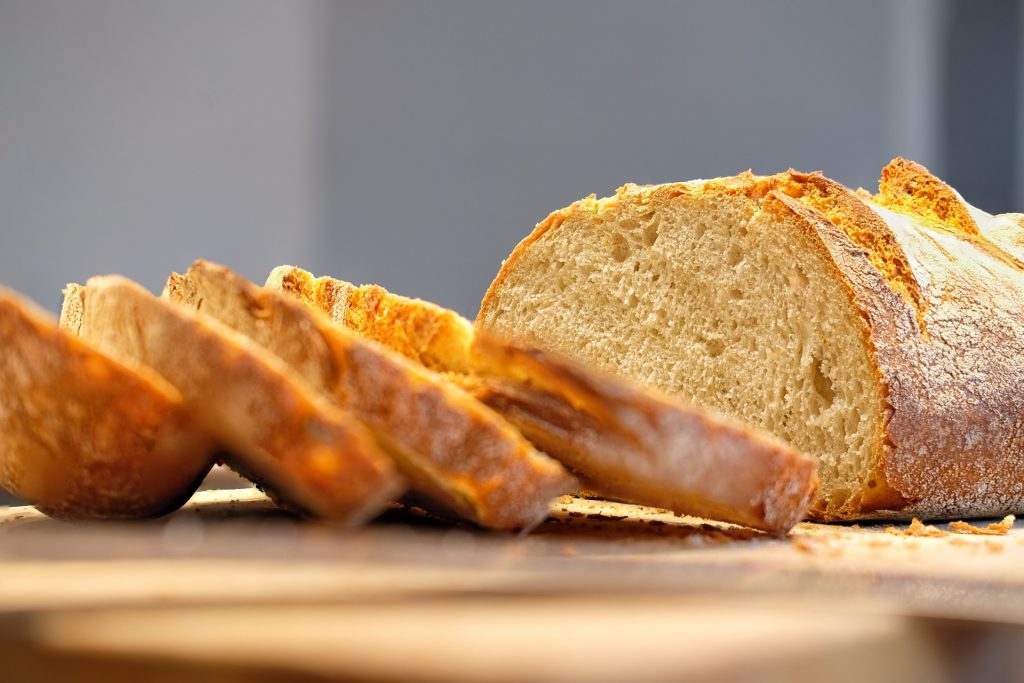
Let there be a loaf of bread
. A loaf is an elongated, ovoid bread or loaf, usually from half a kilo to a kilo. It is largely a white bread or bread roll, but is now used to describe the shape rather than the type of bread. The name itself used to be a common, traditional synonym for bread, but is now less commonly used.
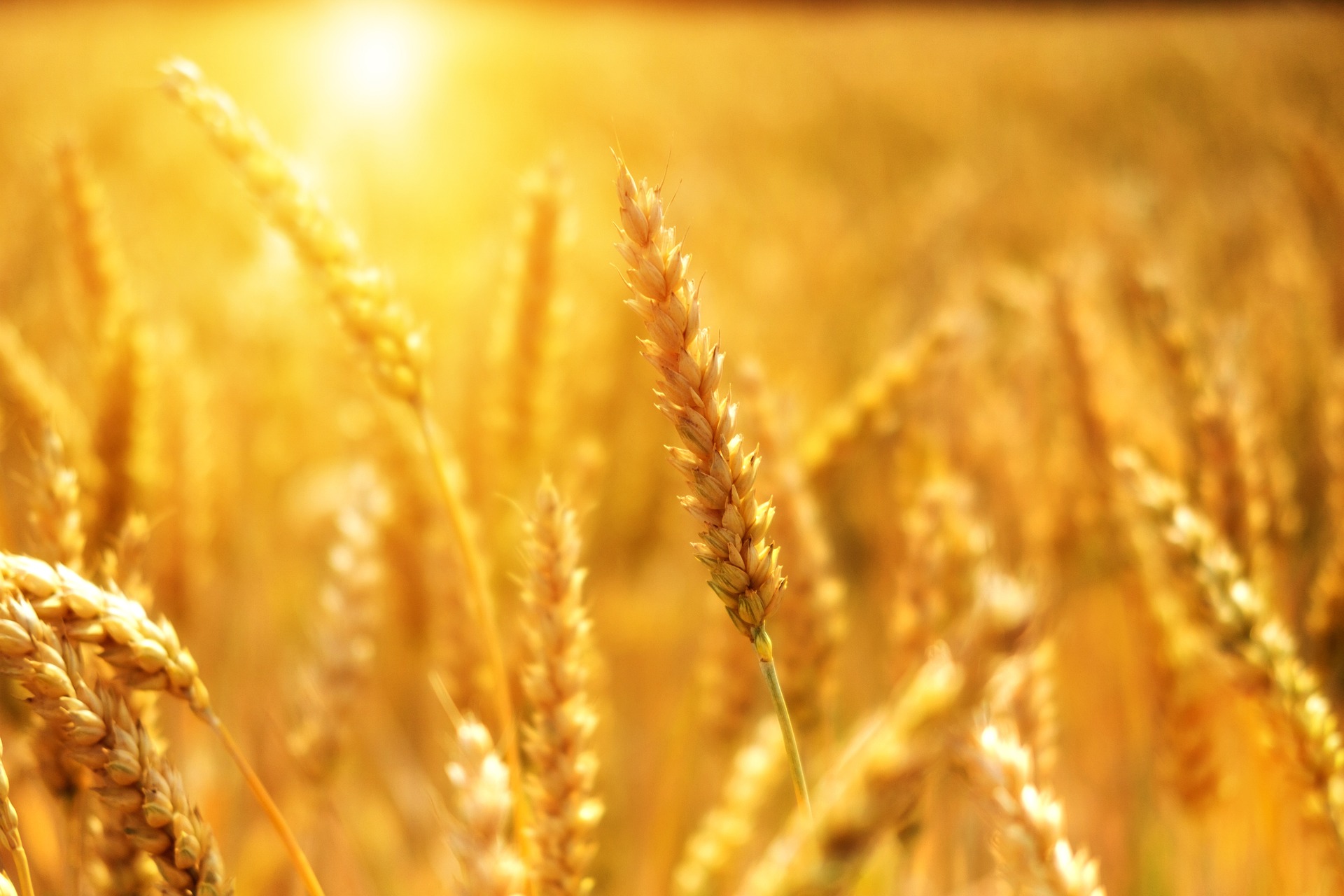
Photo by Pixabay
The bread
Bread is fermented dough baked from cereal flour. Since the modern age basic a popular food, consumed in various forms, but all over the world. Of course, in the beginning cavemen did nothing with the seeds, they were basically chewed, then later boiled in water and turned into a kind of porridge. The big change came when the seeds were ground and the flour made into bread. 5-10 thousand years ago, bread was made from practically all kinds of flour. In Egypt, lotus seeds were used to make lotus bread, which was an important food source. Barley bread was baked in China about 5,000 years ago, and was also made with barley in Asia and North Africa, and was eaten by Native Americans. Later, around the time of the Migration Period, the use of rye and wheat began to spread from Asia. Wheat cultivation began in Eurasia, with the first wheat breads being made around 7000 years ago. The biggest change in the history of bread was the advent of mills. The first windmills were found around 1100 in what is now France. Bread has been a staple of mankind's most important foodhas become the year.
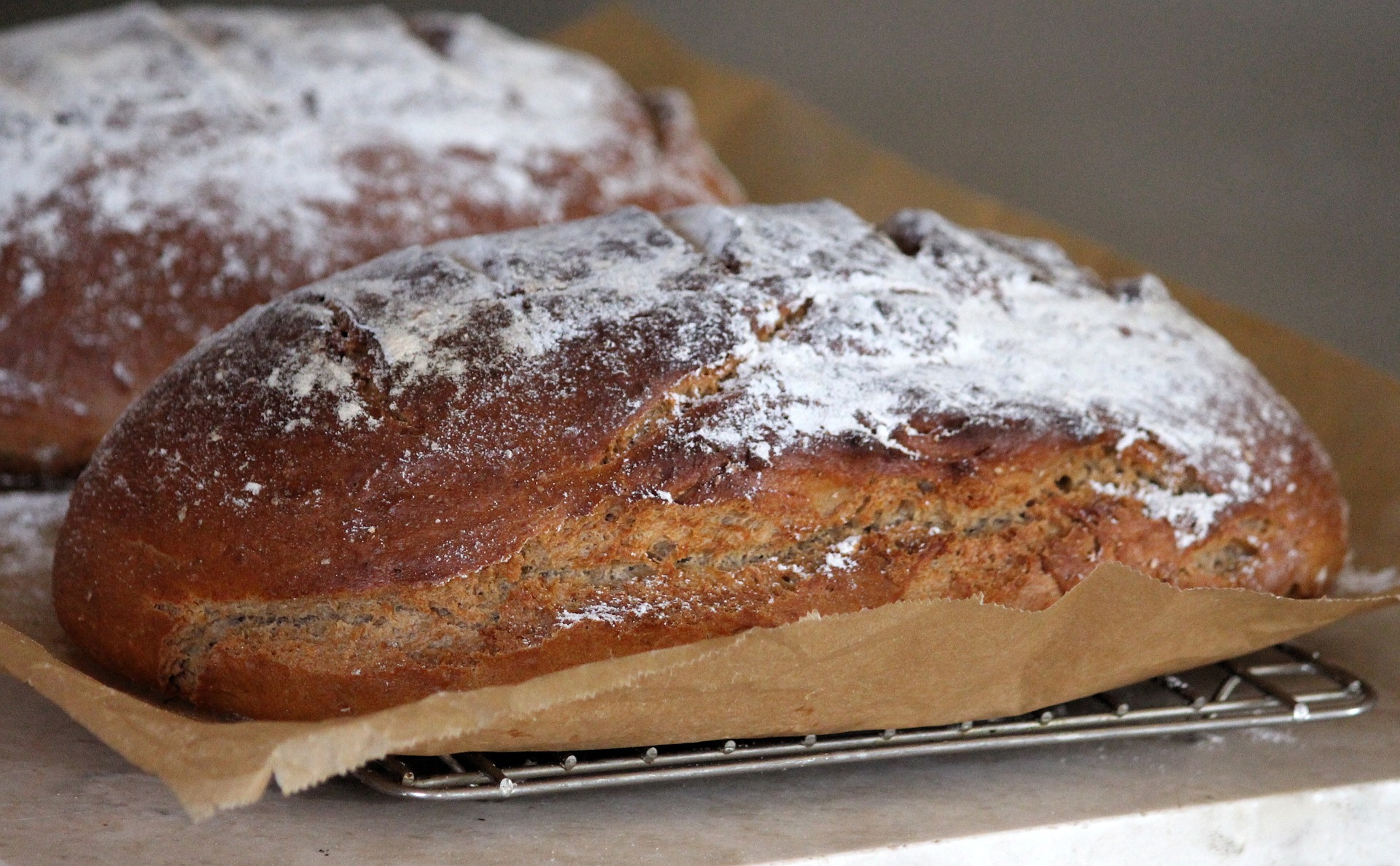
Photo by Pixabay
The benefits of frozen bread
As bread is part of our daily diet, it is important to have it available at all times. The biggest problem is that no matter how you store it, it will dry out after a while. Of course, the quality of bread depends a lot on how it is made, as we can remember when our grandparents baked it, it would stay fresh for up to a week, but this is no longer the case. Nowadays, we can buy our daily bread either in shops or bakeries, and you can see its shelf life on the label. Most breads available now should be eaten within two to four days. There are preservation processes that can extend this time for so-called long-life breads. However, if you want to eat „real” fresh bread, you have to use other methods. Fortunately, we now have serious freezing technologies that can make a good quality loaf of bread last longer.
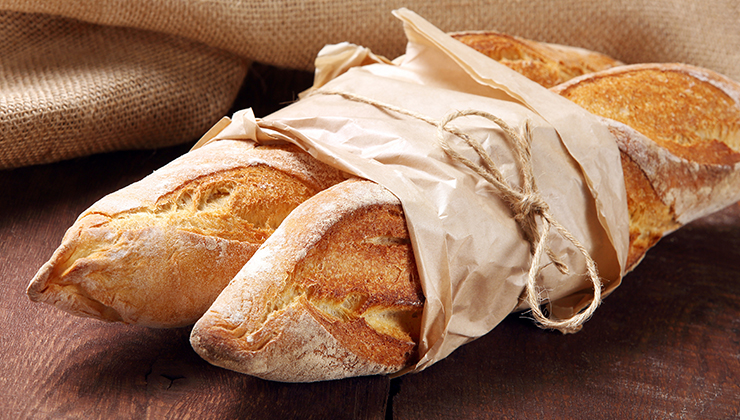
Photo by MATUSZ -VAD
The advantage of frozen loaf
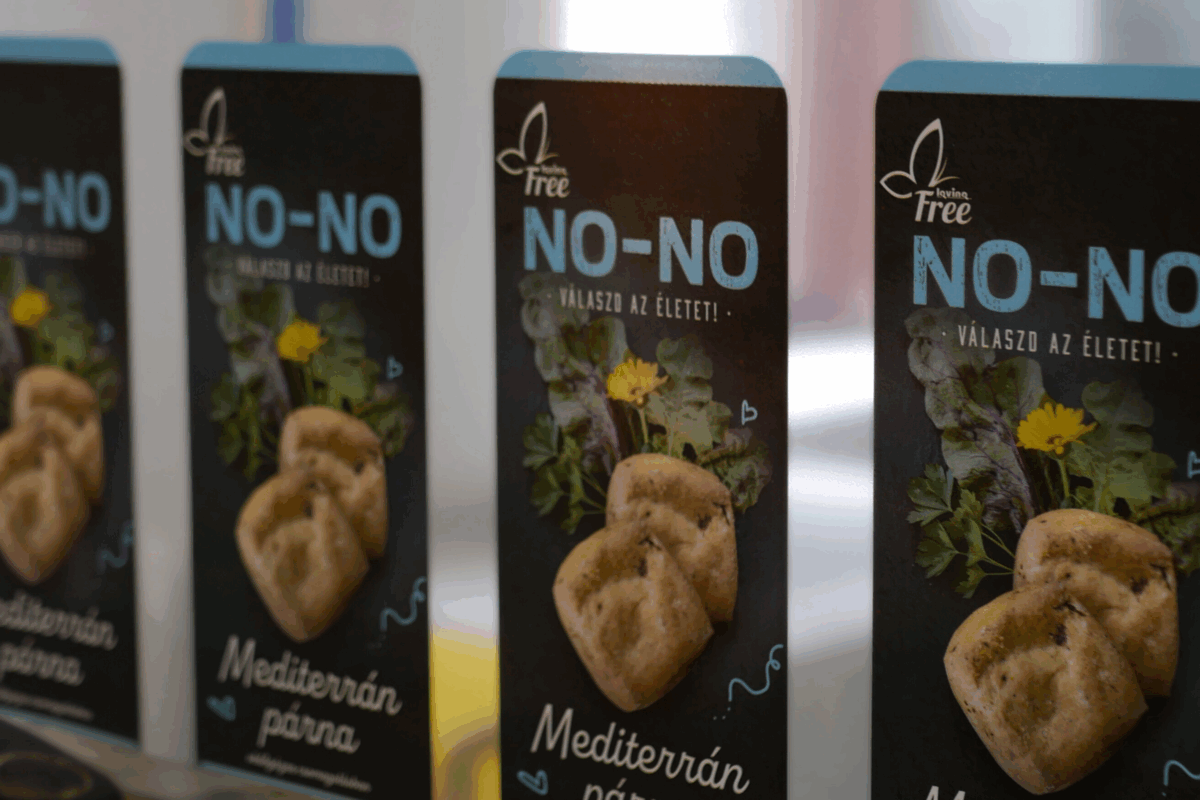
As this solution allows the bread to keep for months, it is a great advantage for catering facilities. Fresh, crispy baked goods can be put on the table at any time. It's a great way to save money, because there's no wasted bread, which makes a big difference in the long run, and it's easy to store. It's also important for the dining experience, as each meal is guaranteed to be „fresh”, crusty bread can be made, which in itself can build trust. Whether it's served with soups or on request, it's always available. Another advantage is that it's quick and easy to use, and it's always on hand if you want to make a welcome snack. The loaf shape makes it suitable for sandwiches, and you can be sure of a crispy, flaky, really tasty product.
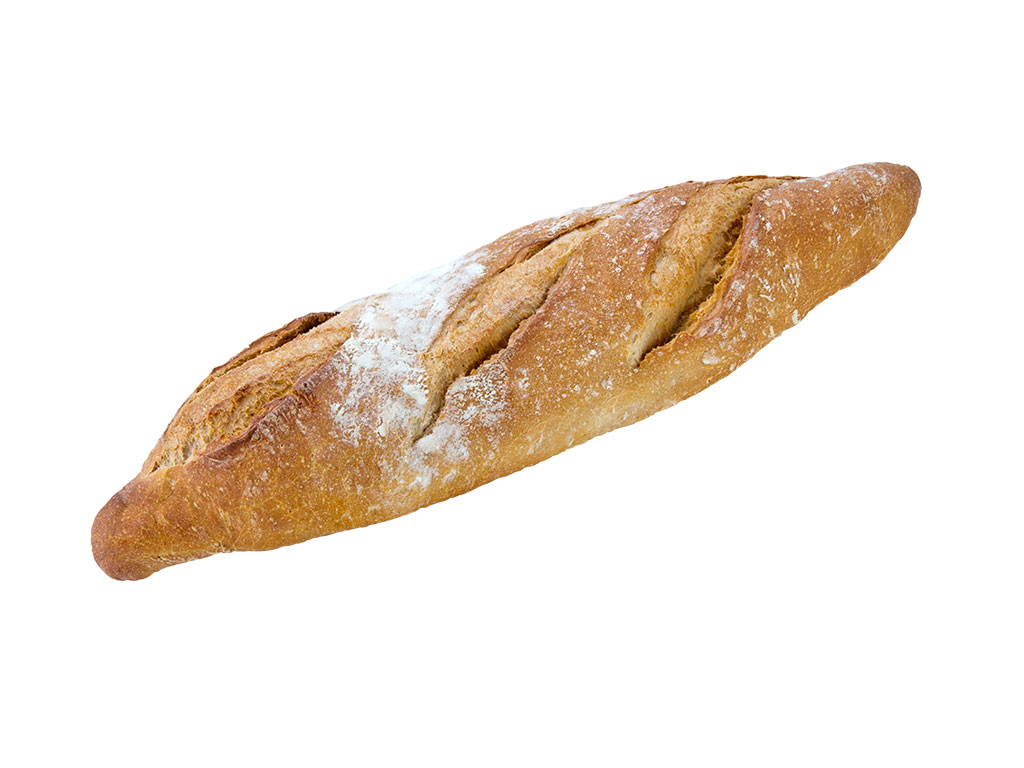
Photo by MATUSZ -VAD
Retro sandwich from a biscuit
Everyone probably remembers grandma's sandwiches or the unforgettable house parties of old. It was clear that sandwiches were on the table. The simplest version didn't need much, just margarine, some salami and pickles. This could be enhanced with red pepper and boiled eggs. If you wanted to make it even more fancy, you could grate cheese on top. If you want to make an unadulterated nostalgia sandwich or surprise your guests, make it from wattle and daub, and success is assured.