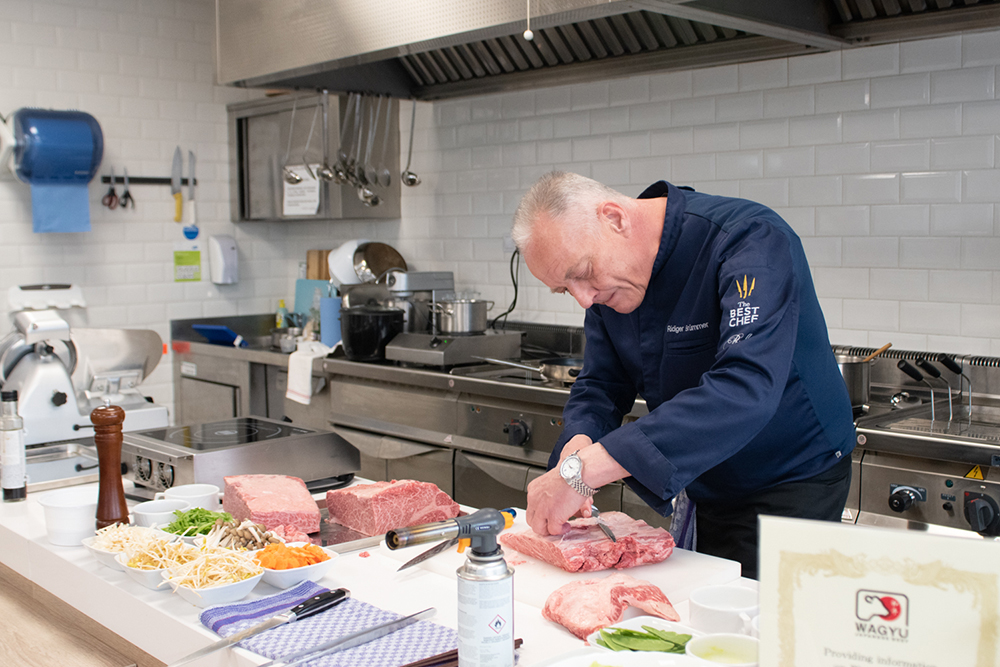






Our colleague Pál Popovics, who purchased the product courtesy of our Dutch distributor partner Nice to Meat, was able to see for himself the unparalleled quality of Japanese wagyu. The team of fifteen people from all over the world spent 5 days in Asia and came back with a wealth of experience and knowledge.
Nice to Meat has grown from a small, family-owned Dutch butcher's shop to one of the most trusted premium meat companies. Despite their dynamic growth, they have still managed to maintain the special attention to detail that characterises artisan processing. They are passionate about the butchery tradition and use ultra-modern technologies. Founded in 1894, the company has been serving Europe's best restaurants, hotels and butchers' shops every day of the year. Its products meet the most stringent quality, hygiene and delivery standards. Their range includes pig-, a lamb-, and the beef legjava.
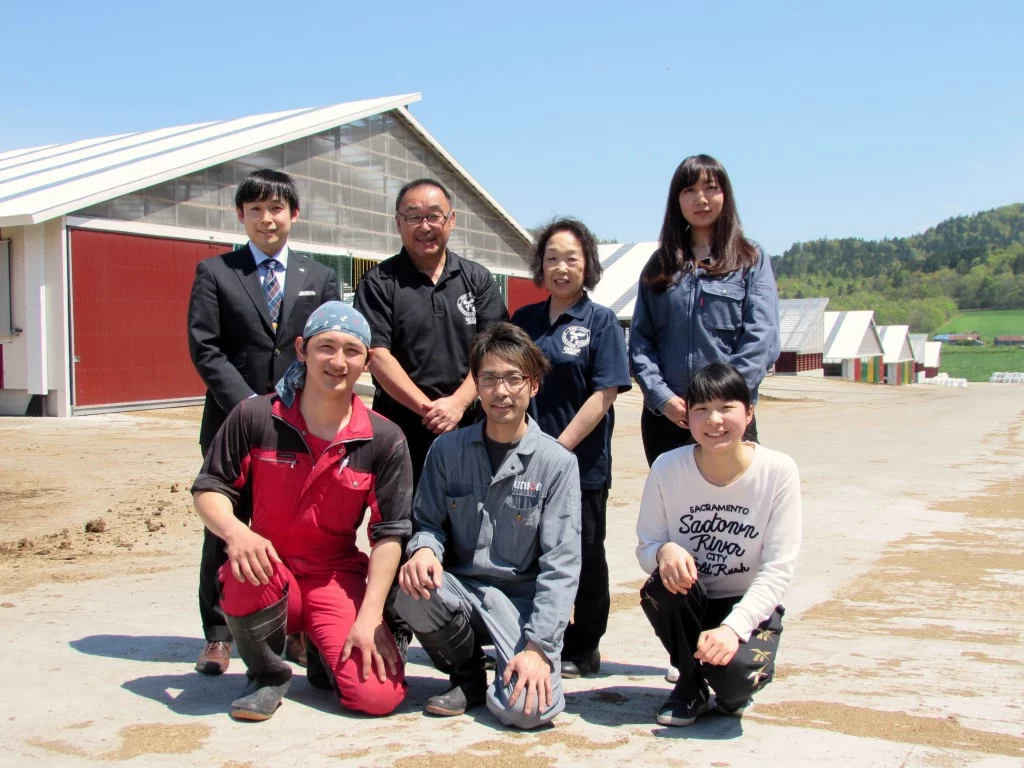
The team met in Tokyo on the first day and then took a domestic flight to Hokkaido province, Obihiro to be precise, where their first accommodation was waiting for them. After a journey of nearly a day and a half, they had the opportunity to meet their Czech, Greek, English and Japanese colleagues over dinner. The buyers were selected from companies that have a particularly good relationship with the Dutch company and regularly purchase large quantities of their products.
Life behind the scenes
On the second day, the delegation had the opportunity to visit the slaughterhouse, where the slaughterhouse manager welcomed the delegation with a short live and video presentation. This gave everyone an insight into the general process, where the animals come from and under what conditions. They were then taken on a tour of the plant and given an insight into the precise process of boning, cutting and packaging. The visit was followed by a three-hour drive to the northernmost port town in the province, where the day ended with a princely dinner.
The most exciting part of their trip was undoubtedly the visit to TopFarm the following day, where they were able to see the animals and their caretakers in action. At the farm, the vice-president and animal manager also gave an oral and video presentation, giving them the opportunity to see the farm in detail. The farm, which is dedicated exclusively to Holstein and Wagyu cattle family farm take the utmost care of the animals until the last minute. Nothing proves this more than the fact that there have been caretakers who were dismissed because the farm managers felt they were not treating the animals with the respect they deserved.
What makes Japanese wagyu special?
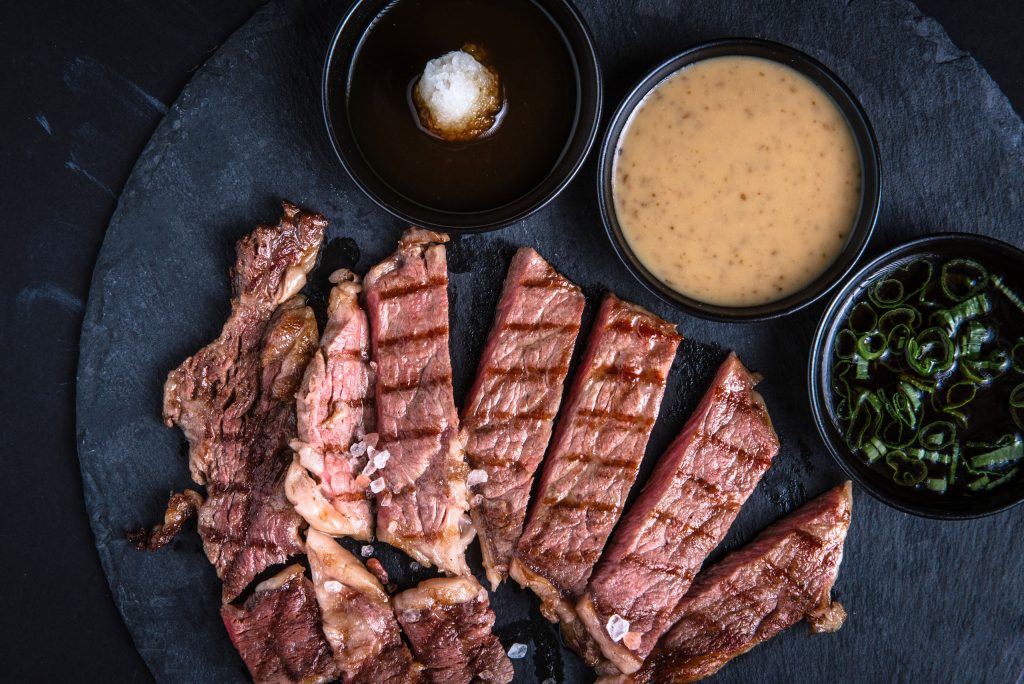
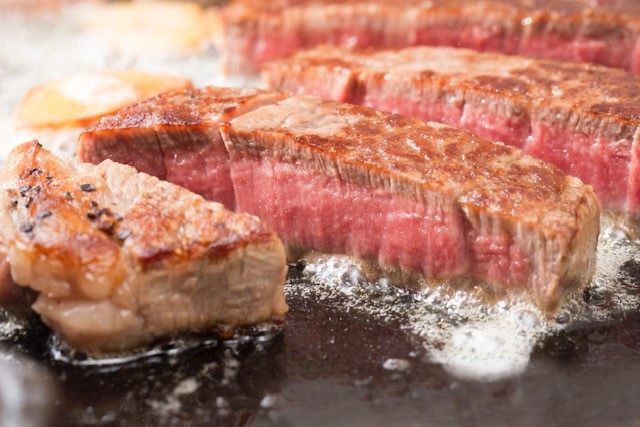
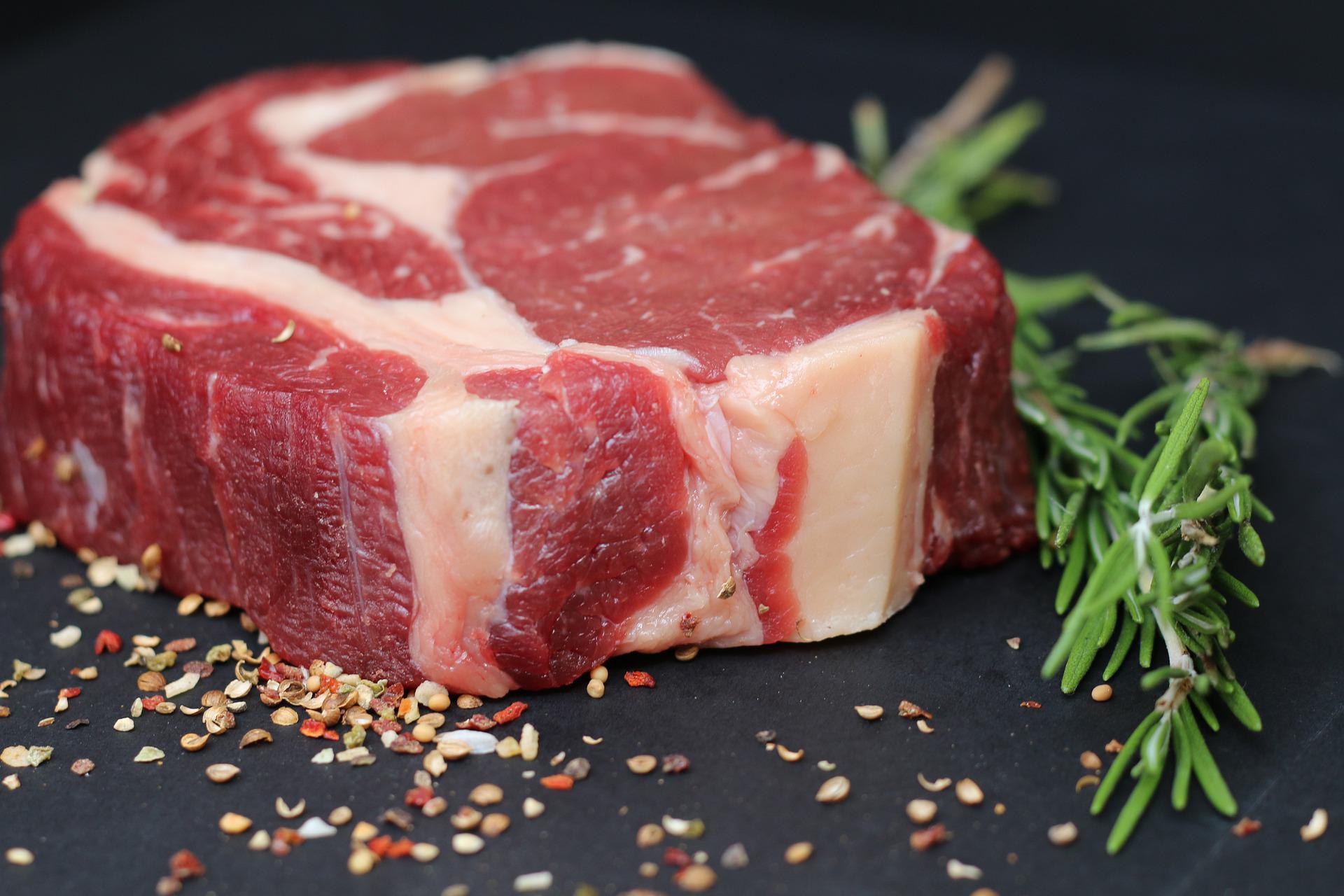
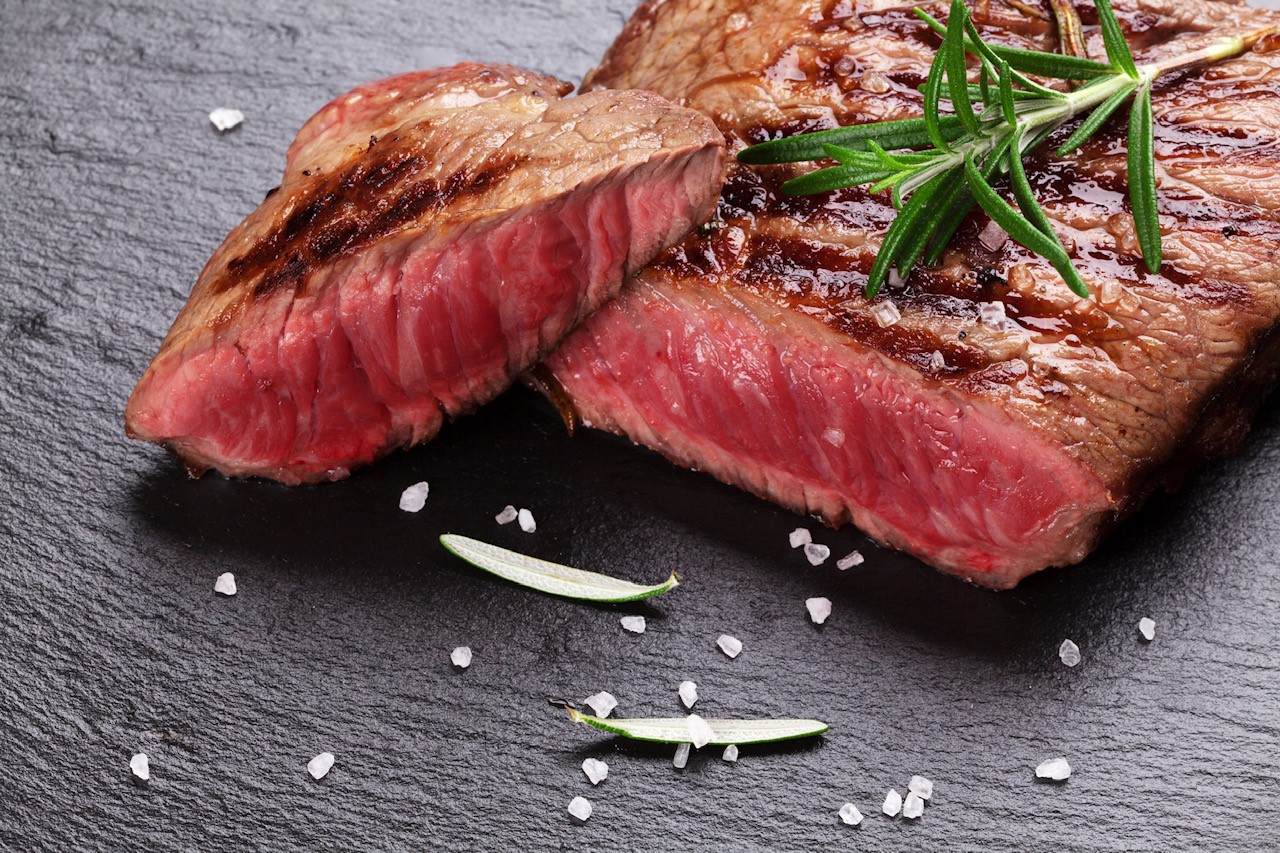
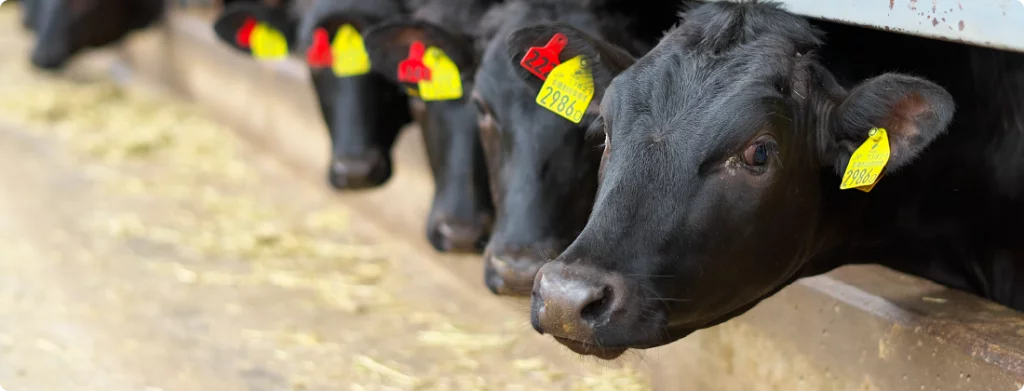
Bred exclusively in Japan, wagyu is a special cattle that is not only an unrivalled gastronomic delicacy, but has been part of Japan's World Heritage since 1997. Its unmistakable flavour and high quality have earned it worldwide recognition, and its popularity has grown with the expansion of Japanese cuisine. Wagyu cattle require unique care to raise, which is rewarded with premium quality, beautifully marbled meat. It is said that once you taste it, you never forget it. The meat's unique marbling is due to the fact that until the mid-19th century it was kept as a draught animal, so that its fat was not deposited in a single layer on the meat to save energy, but was interwoven like a web. Their carefully formulated diet, consisting of 5 different types of feed, produces healthy and tasty beef. They also rest in immaculately kept sheds, which are also well maintained throughout the year. Eight animals of nearly the same age are housed in a pen, and cows and pregnant cows live their daily lives separately. In total, around 10,000 animals live here, and their faeces are fermented to ensure their sustainability.
Who will pay more for it...?
Most of the last day in Tokyo was spent exploring the city and culture, and the team also visited a special meat market. There was a huge rush early in the morning, with chefs and other industry workers bidding for their chosen ingredients. Once the meat arrives and everyone is familiar with its quality classification (which in the case of wagyu means, for example, the degree of marbling), it is sold in huge pieces. Each of the bidders has a 3-button device indicating whether the buyer would pay an extra 10, 500 or 100 yen on top of the bidding and after bidding price. This was followed by an all-authentic Japanese farewell lunch, with what could be the star of the show but wagyu.
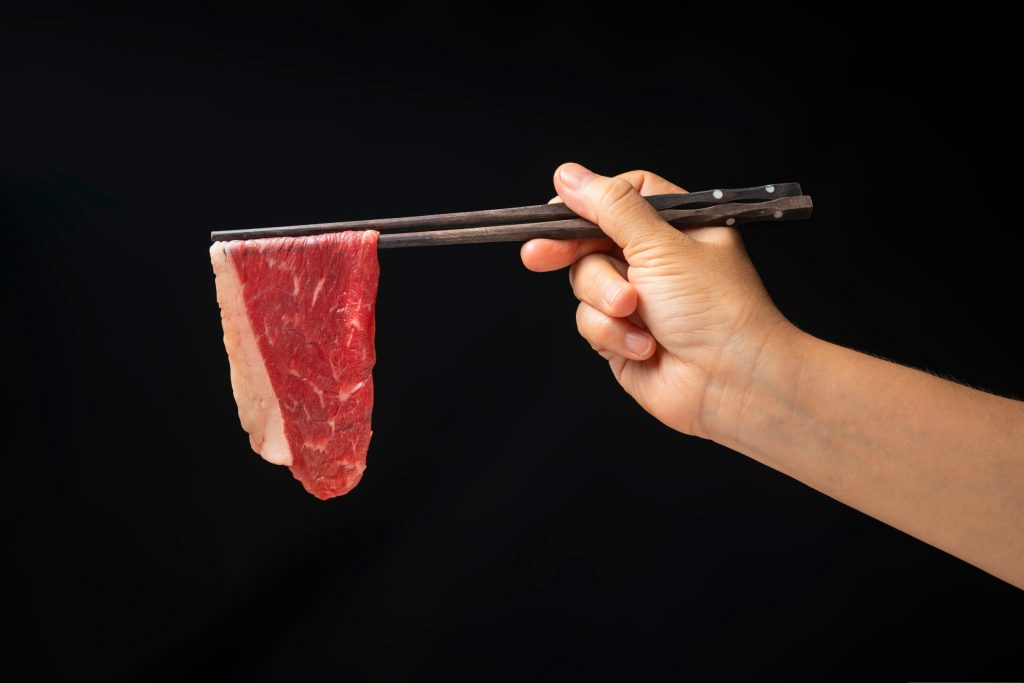
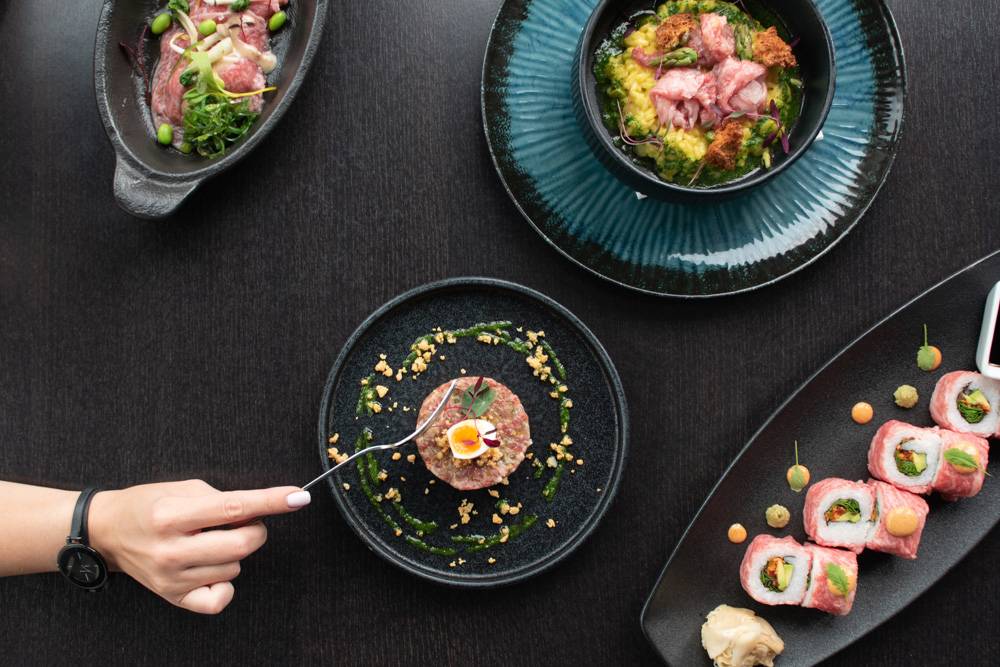
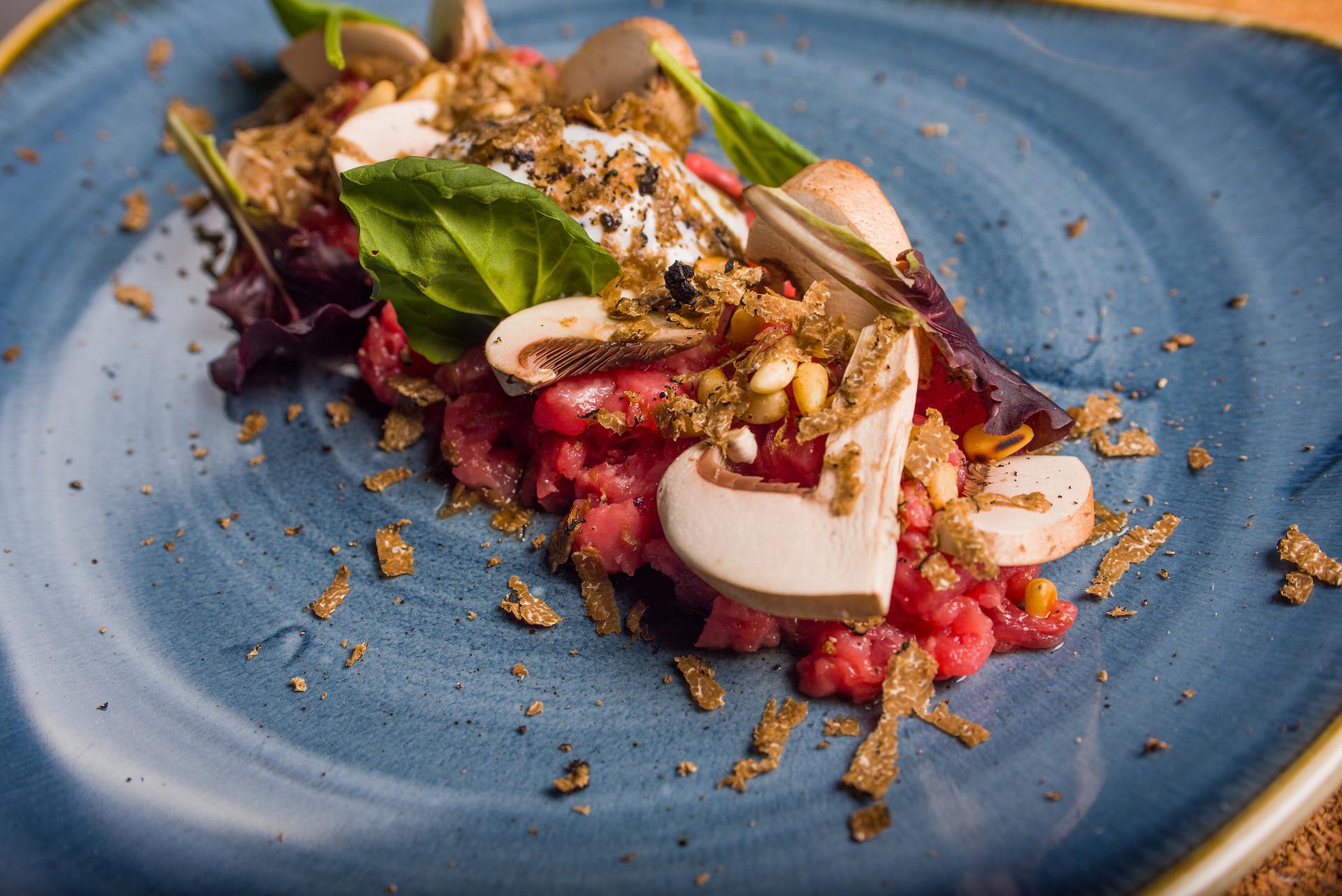
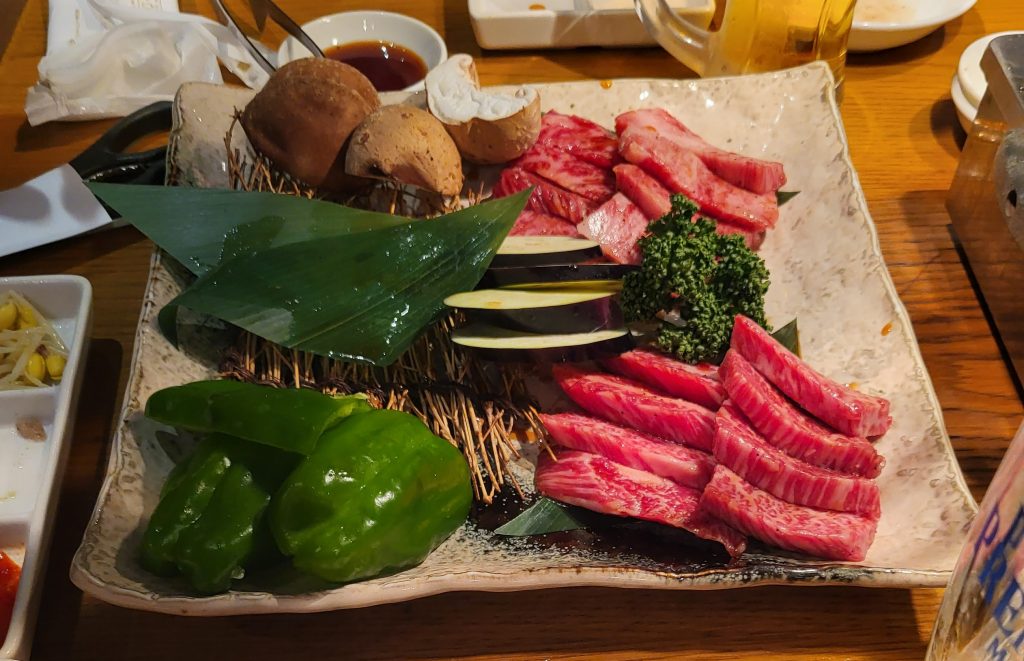
For those who want to experience the Japanese meat delicacy at home, there are plenty of restaurants in the country to try it. It boasts a variety of professional accolades, Fuji from the outhouse the first truly authentic Japanese restaurant since 1991. Located next to Grasham Palace Tokyo you can now taste contemporary Japanese cuisine, served in a fantastic setting and in exclusive surroundings. You can order this heavenly meat as an appetizer or as a main course, served with truffled celeriac puree and shiitake mushrooms. The Miskolci Avalon Resort-and the restaurant, which is part of the "Cuisine of the World", offers Italian cuisine with a casual elegance, with a Tartar beef steak made with wagyu, for a unique fusion experience.