






The exciting nature of asparagus is illustrated by the fact that some misconceptions about it are massively persistent. Let's dispel the misconceptions and make the most of this year's asparagus season!
For the time being, the fresh asparagus. The very cold spring, which followed a mild winter, is delaying the domestic asparagus harvest. But soon it will be all about that - here are all the good things that make asparagus a must for our spring!
By kitchen asparagus we mean common asparagus (Asparagus officinalis). Native to Hungary plant, but like other European countries, it was not recognised as edible until the Middle Ages. Until the turn of the century, asparagus was only grown in aristocratic gardens. It was not until the 1920s that asparagus was cultivated on a large scale in Hungary. Asparagus is therefore a relatively recent addition to gastronomy, but it is not without reason that it is so popular with chefs around the world.
1. Asparagus does nothing wrong!
Many of us have experienced the phenomenon: if you have eaten asparagus, you may have a distinctive, unpleasant smell in your urine. Do not be alarmed, this vegetable is not poisonous, in fact it is. It is fantastically healthy.
Already written down more than 350 years ago by a Hungarian author, János Lippay, in his book "The Garden of Pose," published in 1666: „Asparagus, yes it expels urine. If you put the root of this on a sore tooth, it stops the pain. Moreover, when it is dried, it breaks into powder, and when the powder is placed in the cavity of the tooth, it extracts it without pain, both root and root. If it be boiled in wine, and drunk, it shall corrupt the stone in a man's kidneys. He who anoints himself with broken asparagus mixed with oil, the bees will not sting him.”
Despite its unpleasant smell, it is a proven source of vitamins C, E and K, reduces the risk of cardiovascular disease, a common disease in Hungary, and lowers cholesterol levels. It also has anti-inflammatory properties, and if you have problems with blood sugar fluctuations, vote for asparagus as often as possible!
2. „White and green asparagus are not the same”
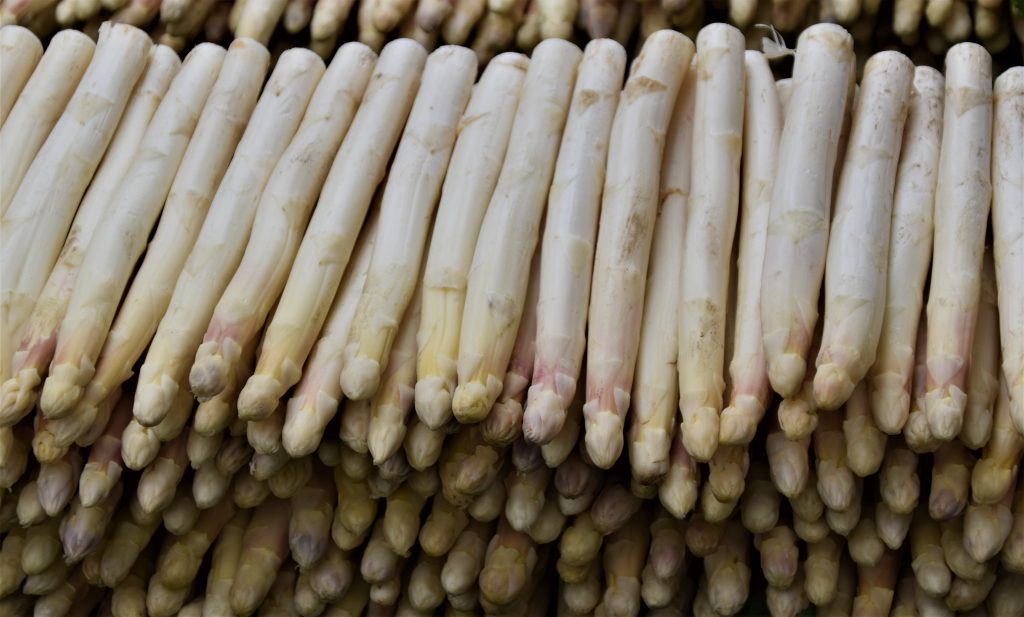
Yes, it is. In fact, the purple-coloured asparagus is the same plant. It's simply that white is called fading asparagus, also known as faded asparagus. These types of asparagus are not allowed to come into the sunlight. Growing in the ground, they are not saturated with chlorophyll and do not turn green.
3. „Thick asparagus is woody!
It is indeed worth filtering out woody plants when buying. However, the woodiness of the vegetable does not depend on the thickness of the stems! If you hold the plant and look closely, you can see how tender and juicy it is. It is not even necessary to peel the young asparagus. You just have to break off the woody end, usually only a few centimetres. If you have older asparagus, you may need to peel a quarter to a third of the bottom. Never the whole whistle!
4. „If it has bloomed, it's no good!”
The tender shoots of the vegetable blossom as the season draws to a close. This is clearly visible to the eye: the ends of the asparagus shoots unfurl in small flowers. The misconception is that it is overripe and cannot be used. This is not true, and we recommend a single test to verify this claim. Let's taste it!
5. „Just a side dish”
It is most often blanched or just plain raw in a hot pan and served as a side dish. It is also widely used as a base for cream soups but it is also recommended to prepare and eat it in many other forms. Raw asparagus juice, if not the world's finest, is extremely healthy. It is a vegetable that is rich in antioxidants.
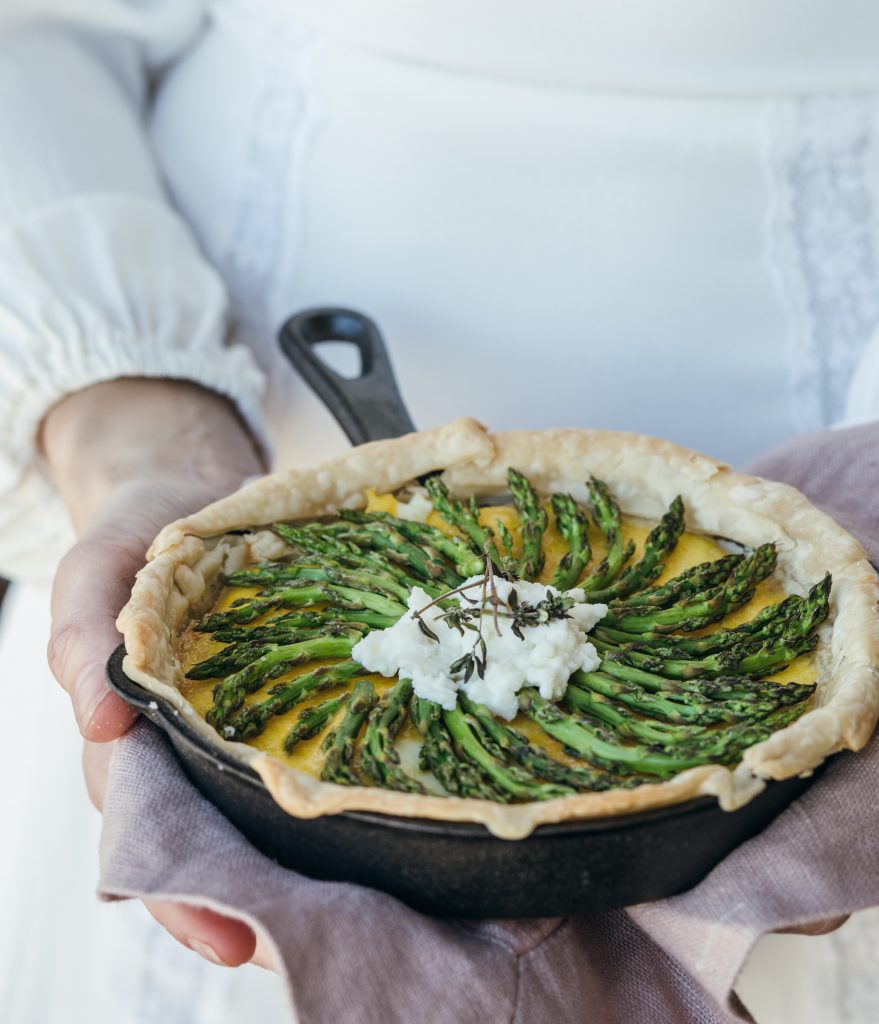
Vegetarian and vegan dishes feature delicious, crunchy fresh vegetables, which are also a popular ingredient in tarts, savoury pies, quiches, casseroles, casseroles (dishes cooked in one pan) and casseroles.
Many people don't know it, but the confectionery industry also loves asparagus. Rhubarb is also a seasonal crop in spring, and strawberries a little later. Both are an ideal accompaniment to asparagus, whether as an exciting flavour base for monodessert, or in pies and even ice cream. If you come across an asparagus rhubarb ice cream in an artisan ice cream parlour, you won't want to miss it!