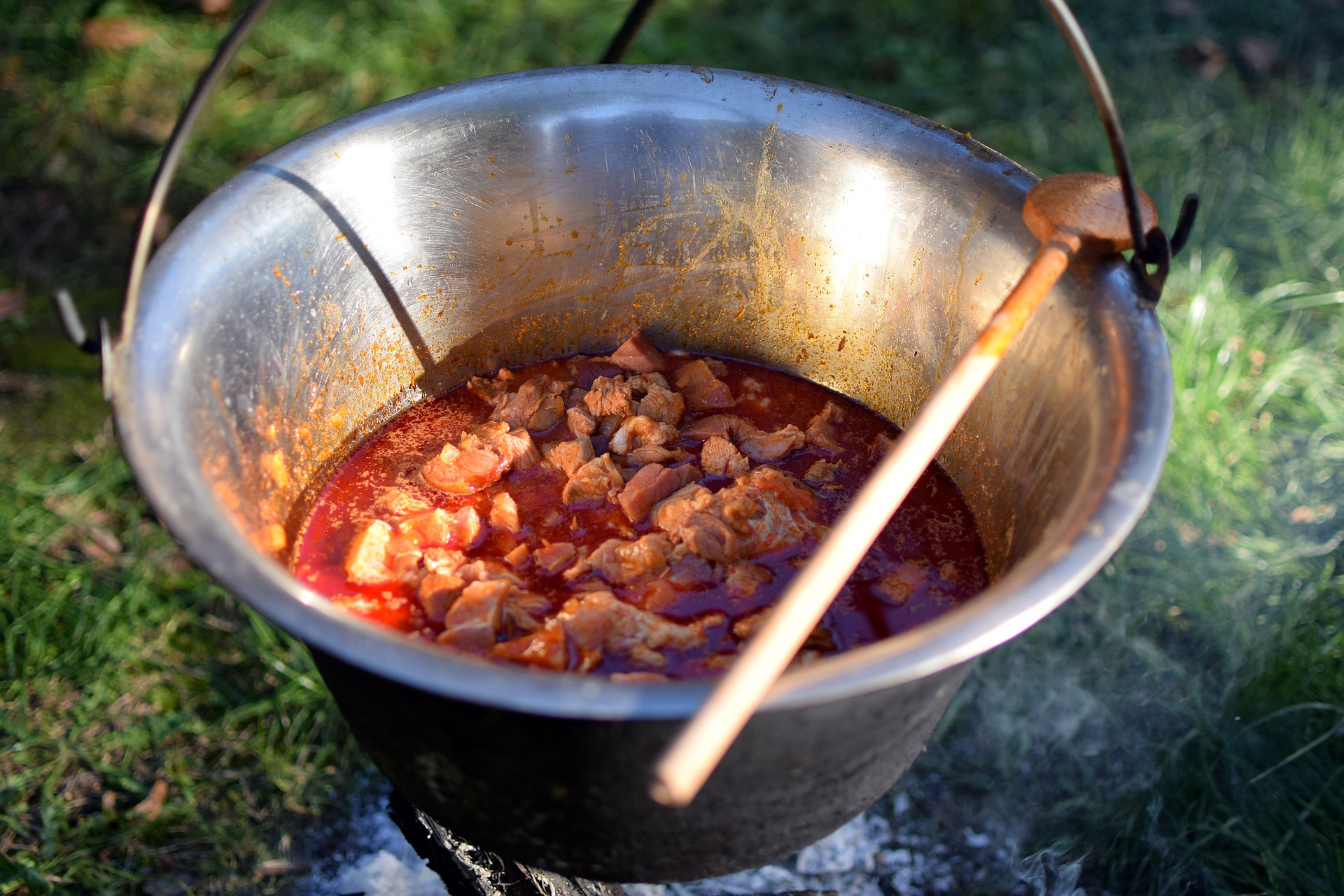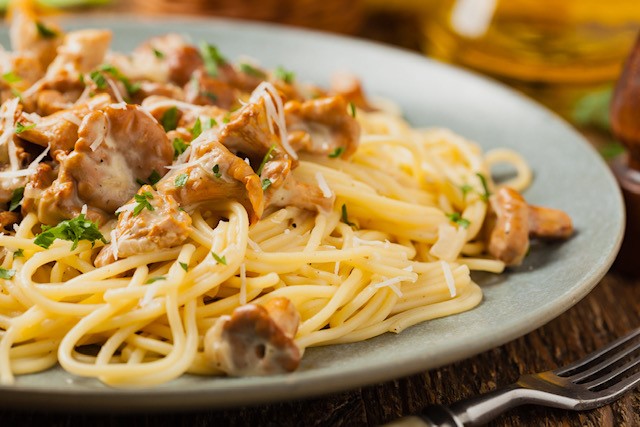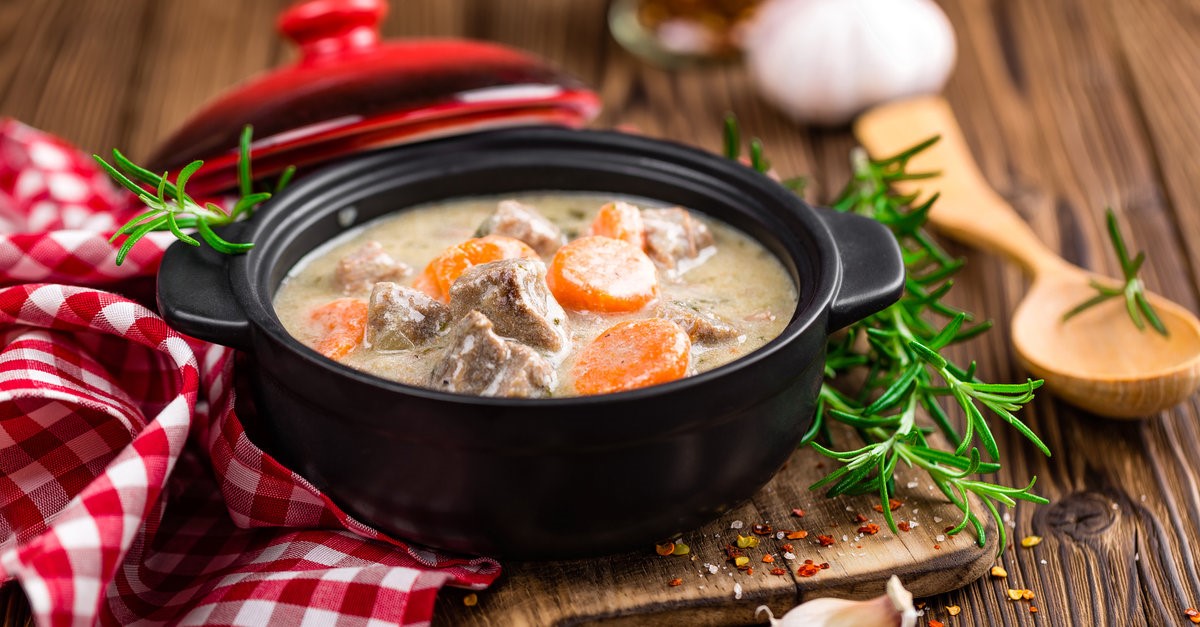







Grills are an essential part of Hungary's culinary heritage. Traditionally, these dishes are based on meat, which, cooked slowly and for a long time in a pot, becomes so tasty that you can lick your fingers. But there are many other meats to try, in addition to the traditional beef stew and stews. As well as good quality meat, it is just as important to choose the right seasoning and garnish.
The most popular meats and specialities
The most popular meats and specialities
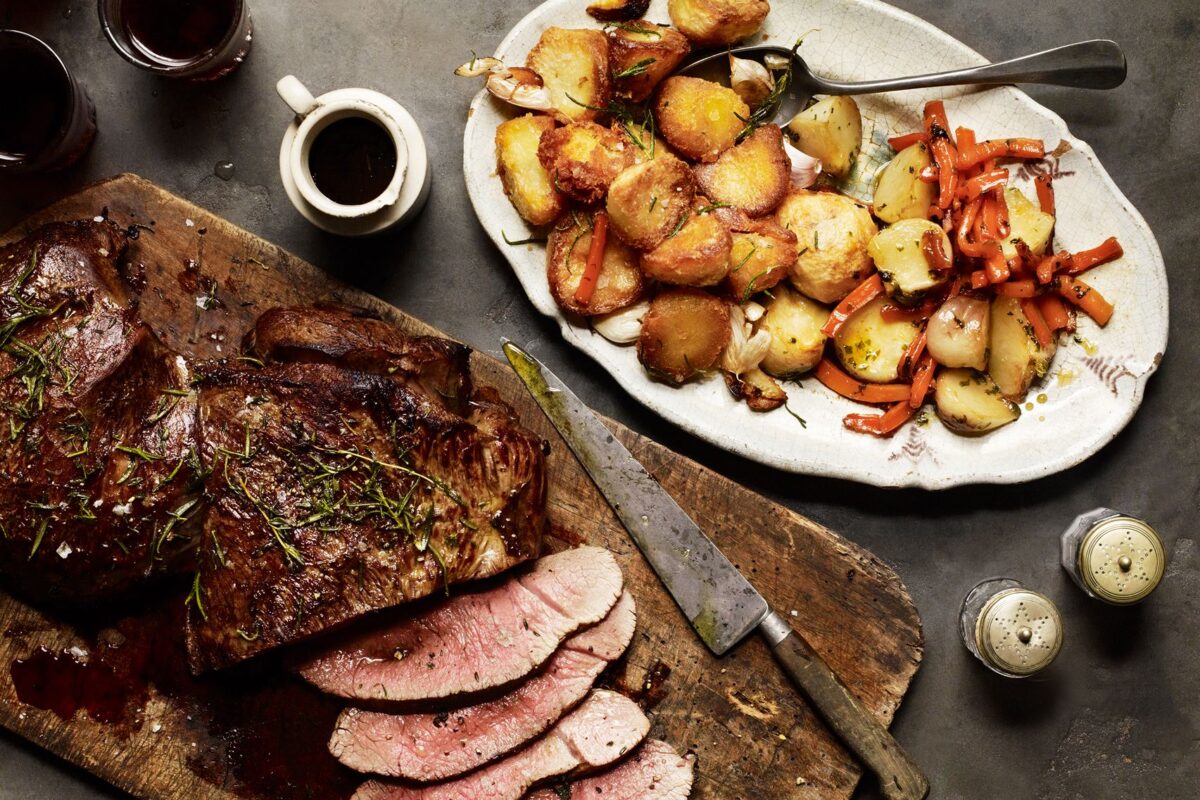
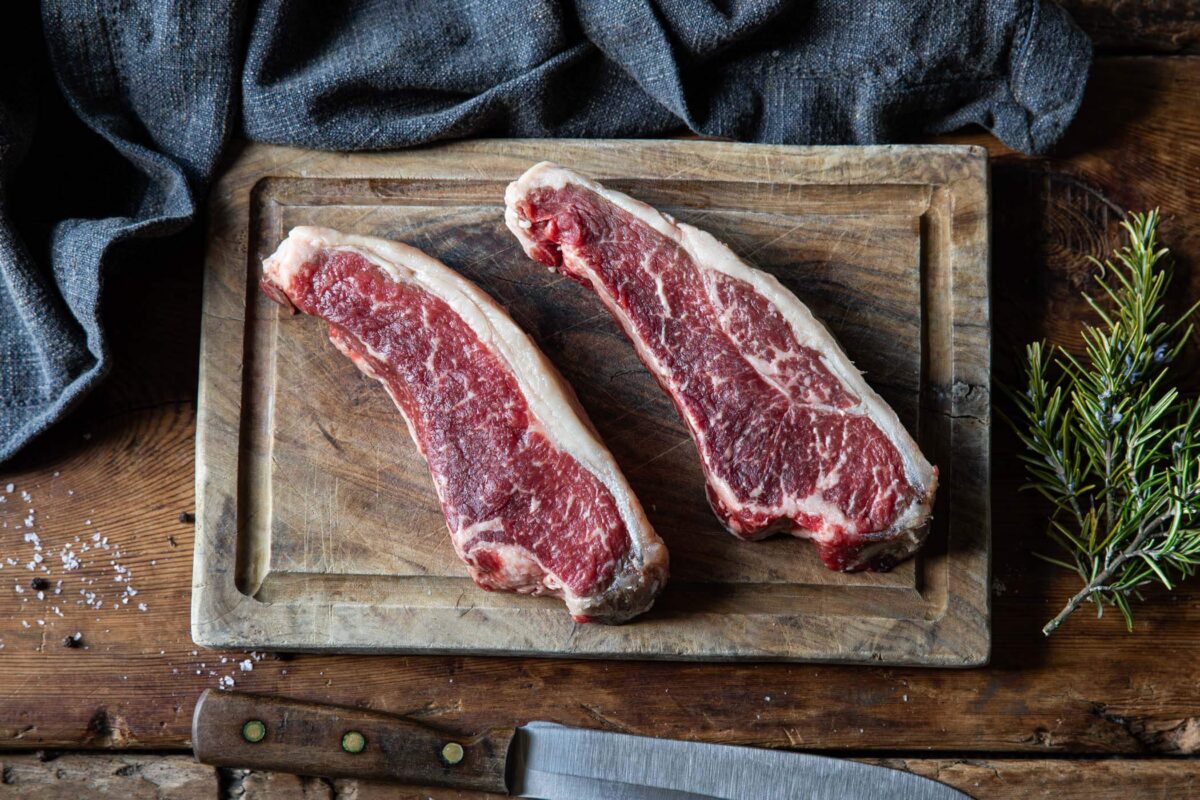
Beef: Beef, especially shoulder, is a traditional choice for stews. But what about beef offal such as heart or tongue? These types of meat produce a thick and flavoursome gravy, so it's worth giving them a try if you want something a little more special. For a thick beef gravy, slow cooking is ideal so that the flavours come together and the meat falls apart.
Mutton: The strong flavour of mutton is perfect for stewing. The thigh or neck is excellent for slow cooking. The taste of mutton can be balanced with fresh herbs such as rosemary or mint.
Wild animals: The meat of wild animals is intense and full of character. Game meat cooked in a saucepan offers a unique taste experience. As the meat is often less fatty, it is important to pay attention to the amount of meat juices and not to dry out the meat. A deer, deer or wild boar its meat gives a deep, woody flavour to the stews. These meats often require more cooking time to tenderise, but the result is worth the wait.
Winged: When we talk about poultry, many people only think of chicken. But the duck, quail or pheasant meat is also excellent for cooking in the pot. These types of meat often tend to dry out, so you can use fatty ingredients such as. bacon or duck fat, to preserve the meat juices.
The art of perfect seasoning
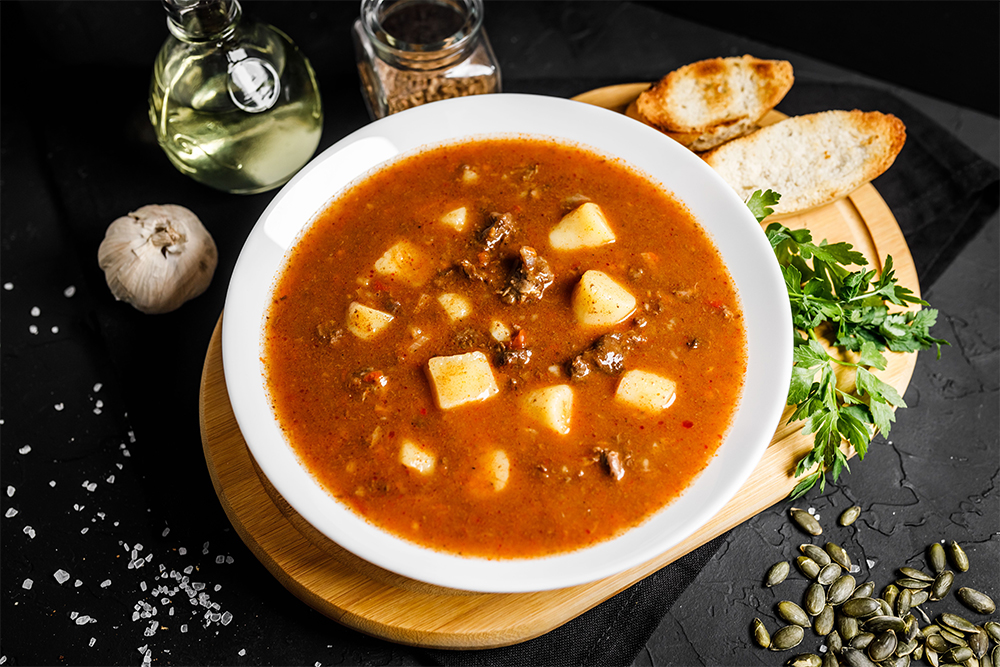
The point of a slow-cooker is not just to cook slowly, but also to bring out the flavours of the meat and vegetables with the best complementary spices. Harmonising flavours and using the right spices is essential for a truly excellent stew.
Peppers: One of Hungary's best-known spices, its sweet, sometimes spicy character perfectly enhances the flavour of meat dishes. The timing of adding paprika to food is also important, because if it is added too early, it can burn easily and give the food a bitter taste.
Onions: It is the basis of almost all Hungarian dishes. Roasting the onion until golden brown gives it its best flavours, which deepen and enrich the taste of the dish.
Bors: Freshly ground black pepper is the best choice. Not only does it add a spicy flavour, but it also adds a little depth and complexity to the dish.
Bay leaves: One leaf is enough for a large pot of food. This spice develops its flavour best during long cooking and it is important to remove it before the food is ready.
Garlic: Garlic's sharp, distinctive flavour is the perfect complement to meat dishes. It is worth being careful with the amount, as too much garlic can overpower other flavours.
Majorana and cumin: These spices are not always part of traditional recipes, but added in small quantities they can make a stew special.
Keeping the flavours in balance: It is important that none of the spices dominate the others too much. Always start with fewer spices and adjust the flavours by tasting as you cook. Some spices are better added at the beginning of cooking (e.g. bay leaf), while others are better added at the end (e.g. fresh herbs). Wherever possible, use fresh spices in your stews. Fresh spices are more intense and provide a more vibrant flavour.
Side dishes and accessories you can't go wrong with
The correct selection and use of vegetables and garnishes is essential when preparing a stew to give the richest possible flavour experience. Achieving the perfect balance between the dish and the side dish is critical to the taste experience.
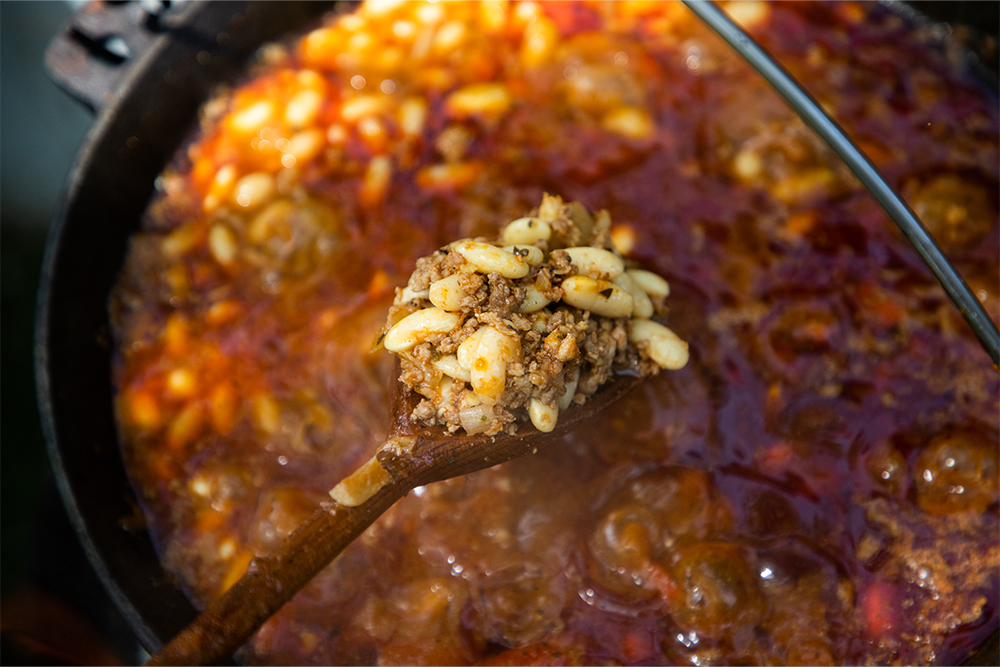
Tarhonya: A traditional Hungarian side dish, which is an excellent complement to succulent stews.
Noodle (galuska): A freshly made pasta, most often served with stews.
Rice: A simple, yet effective side dish that soaks up the juices of the stew.
Bread: Fresh, crusty crusty bread is perfect for soaking up the gravy of a barbeque.
Parsley: It gives a refreshing flavour and is a nice colour when serving.
Sour cream: Many Hungarian dishes are topped with a spoonful of sour cream, which balances out the spicy, juicy dishes.