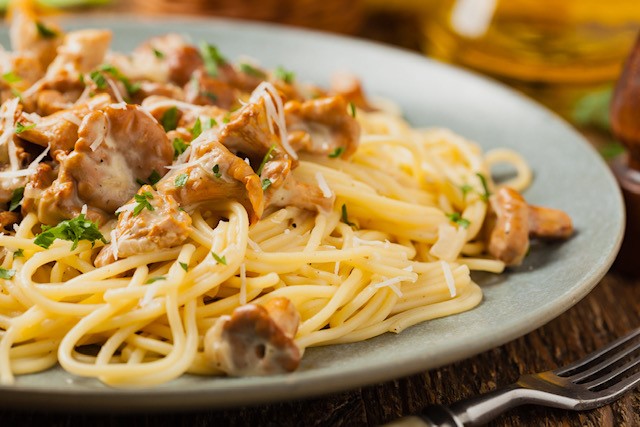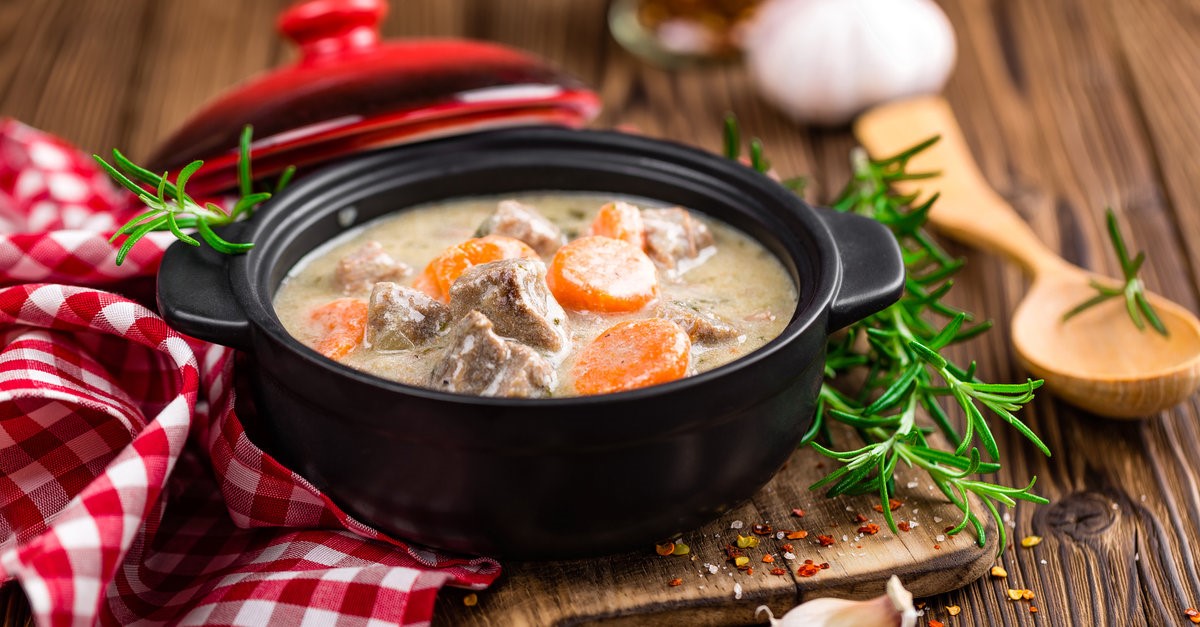







The uniqueness of duck meat and its excellent flavour make it an increasingly popular choice in kitchens, whether cooking at home or at the top of the culinary profession. Not only is duck meat tasty and succulent, but it is also rich in nutrients, making it a perfect fit for modern, health-conscious eating trends. We'll now take a look at which cuts to use, which cooking techniques to use, which spices to use and what mistakes to avoid.
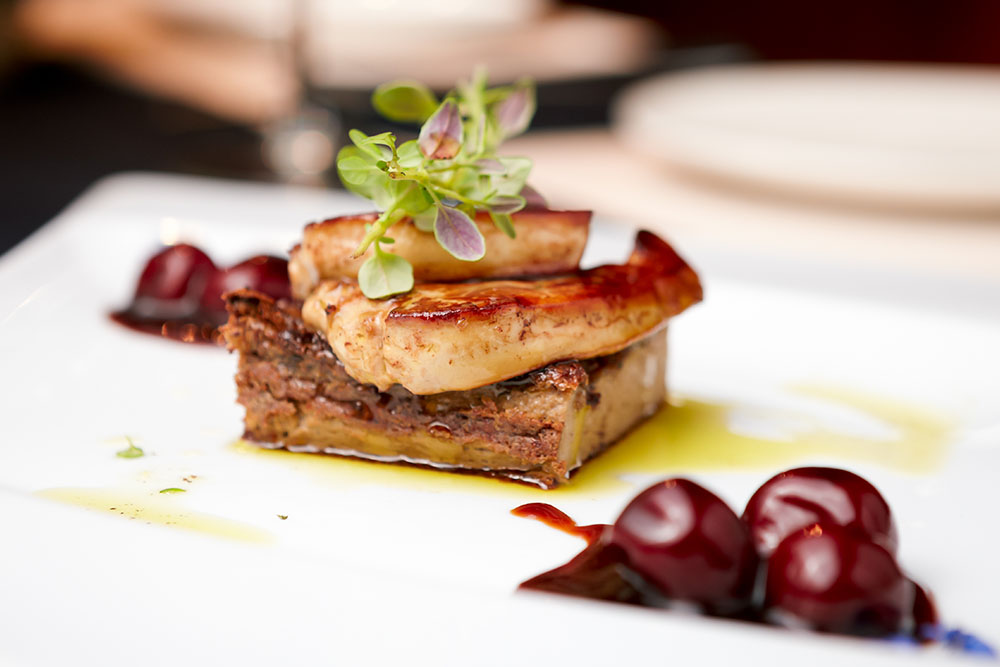
Duck liver
Duck liver, one of the greatest treasures of French cuisine, is a real treat for cooks. The liver Its fat, creamy texture and rich, deep flavour open up new dimensions in creative cooking. It can be used to make traditional liver pâté, but it's also a great addition to modern dishes.
- Kitchen technology: The duck liver is usually cooked quickly over a high heat to caramelise the outside and keep the inside soft and creamy.
- Spices: Fresh herbs such as thyme and the rosemary, as well as salt and freshly ground black pepper complements the taste perfectly.
- Wines: To accompany the duck liver, we recommend sweet, full-bodied wines such as Sauternes or a good Tokaji Aszú.
- Cakes: Apple or apricot chutney, toasted scones, or sweet and sour onion marmalade are great accompaniments.
- To be avoided: Over-seasoning or overcooking, which takes away the delicate flavour of the liver.
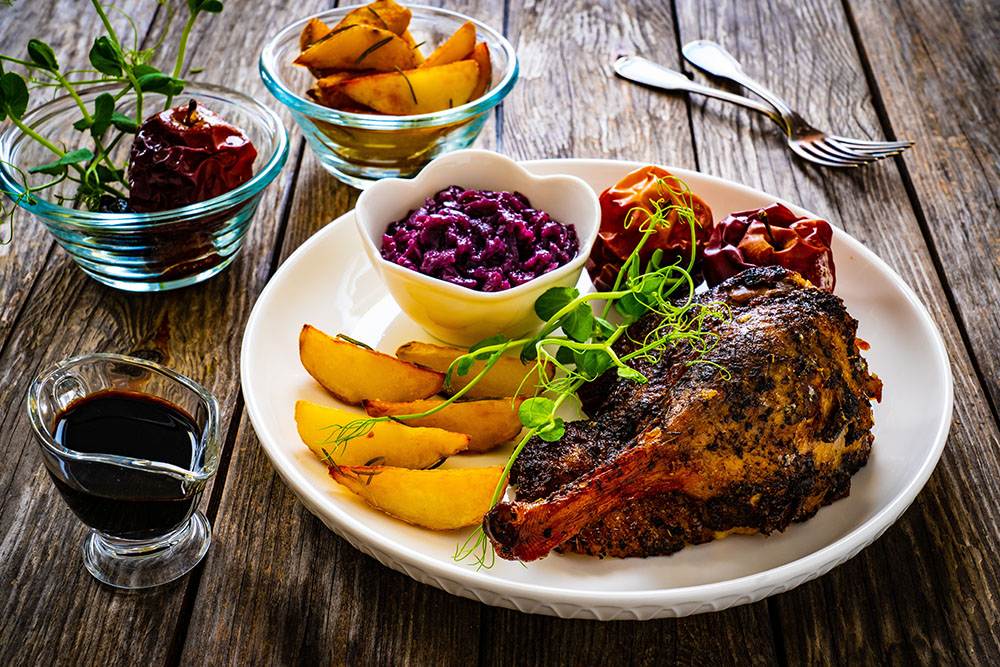
Duck legs
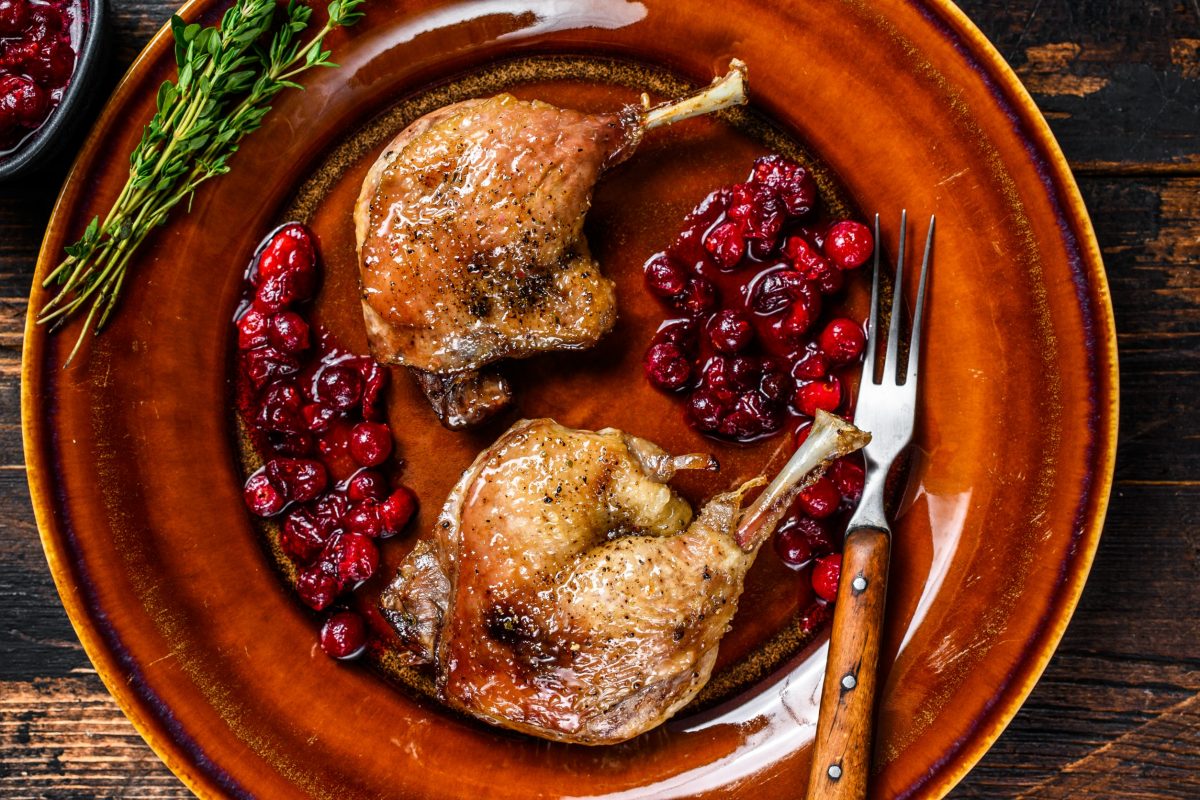
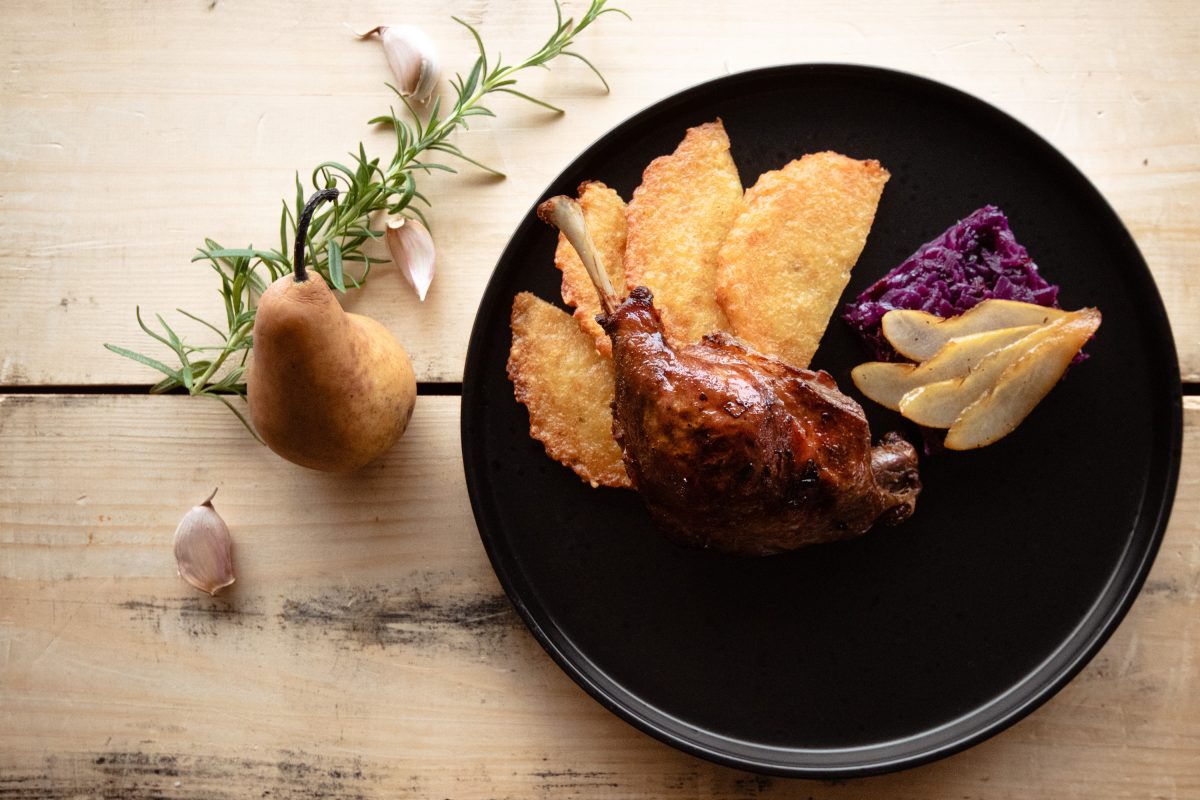
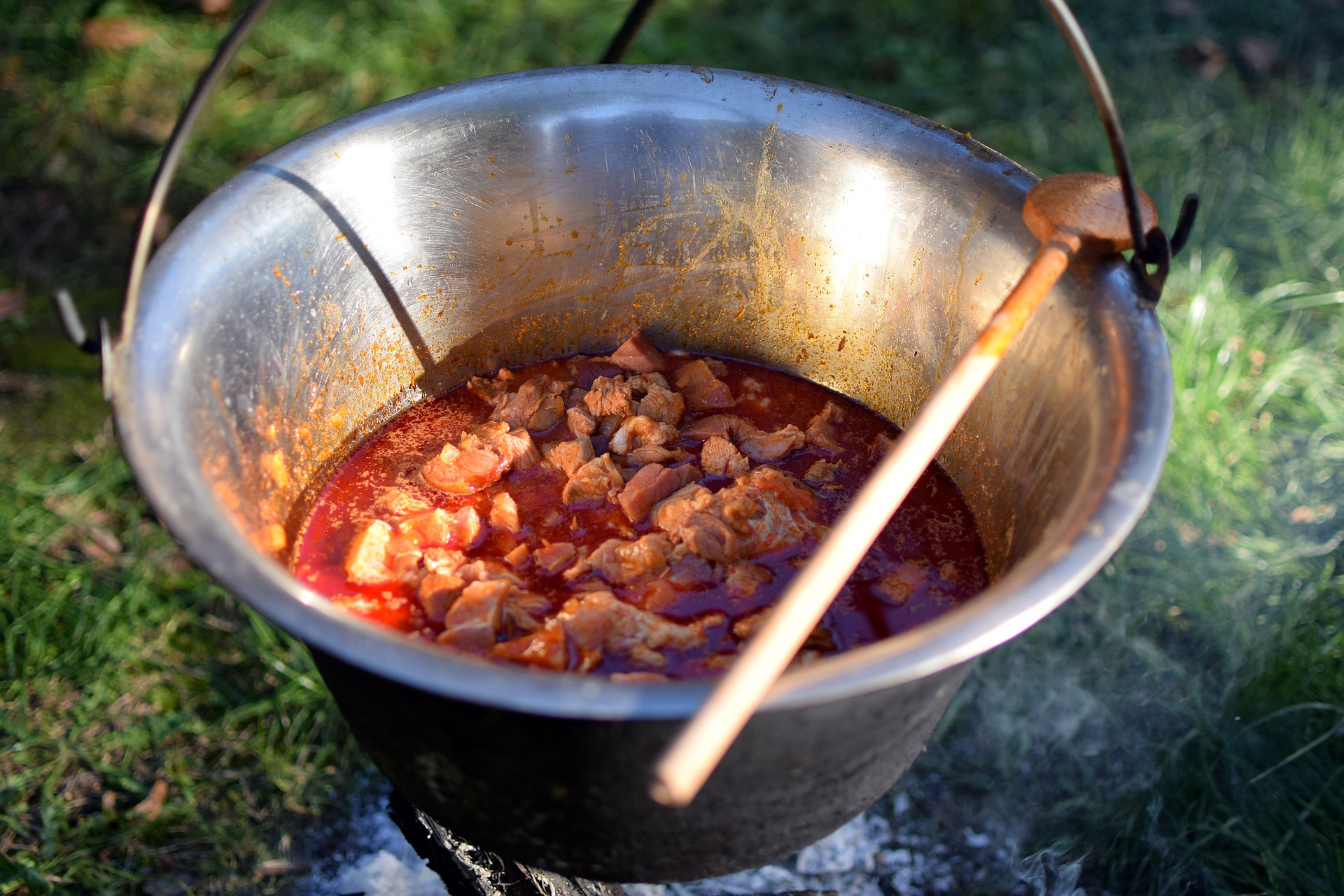
The duck leg is also a popular raw material, whose slow, long cooking makes the meat crumbly, almost melting in the mouth, while the skin can be baked to a crisp. This part is particularly suited to traditional slow-cooked dishes such as confit, an iconic element of French cuisine.
- Kitchen technology: The thigh is most often cooked over a slow fire for a long time or stewed (confit) to make it really crumbly.
- Spices: A majoranna, rosemary, and garlic are a perfect match.
- Wines: Full-bodied red wines like Pinot Noir or a good Châteauneuf-du-Pape.
- Cakes: Baked potatoes, steamed vegetables, or a light salad.
- To be avoided: Overcooking or excessive salting, which dries out and changes the texture of the meat.
Duck breast fillet
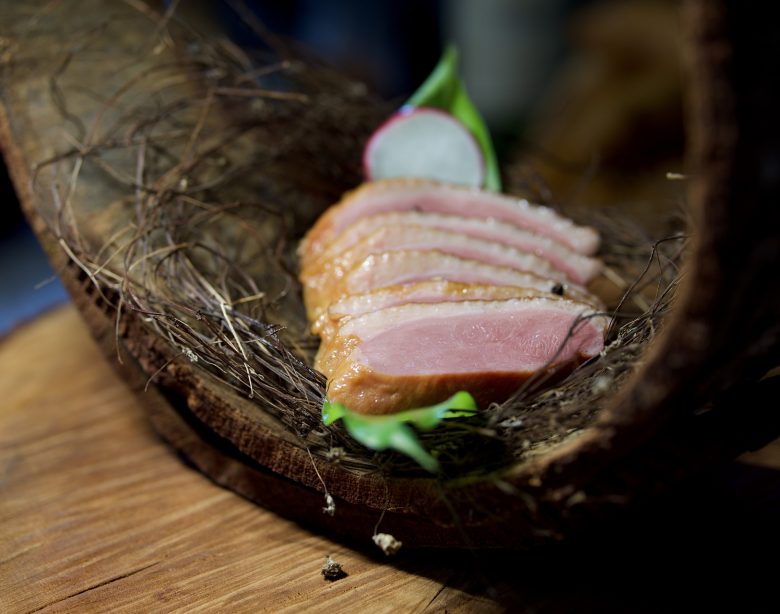
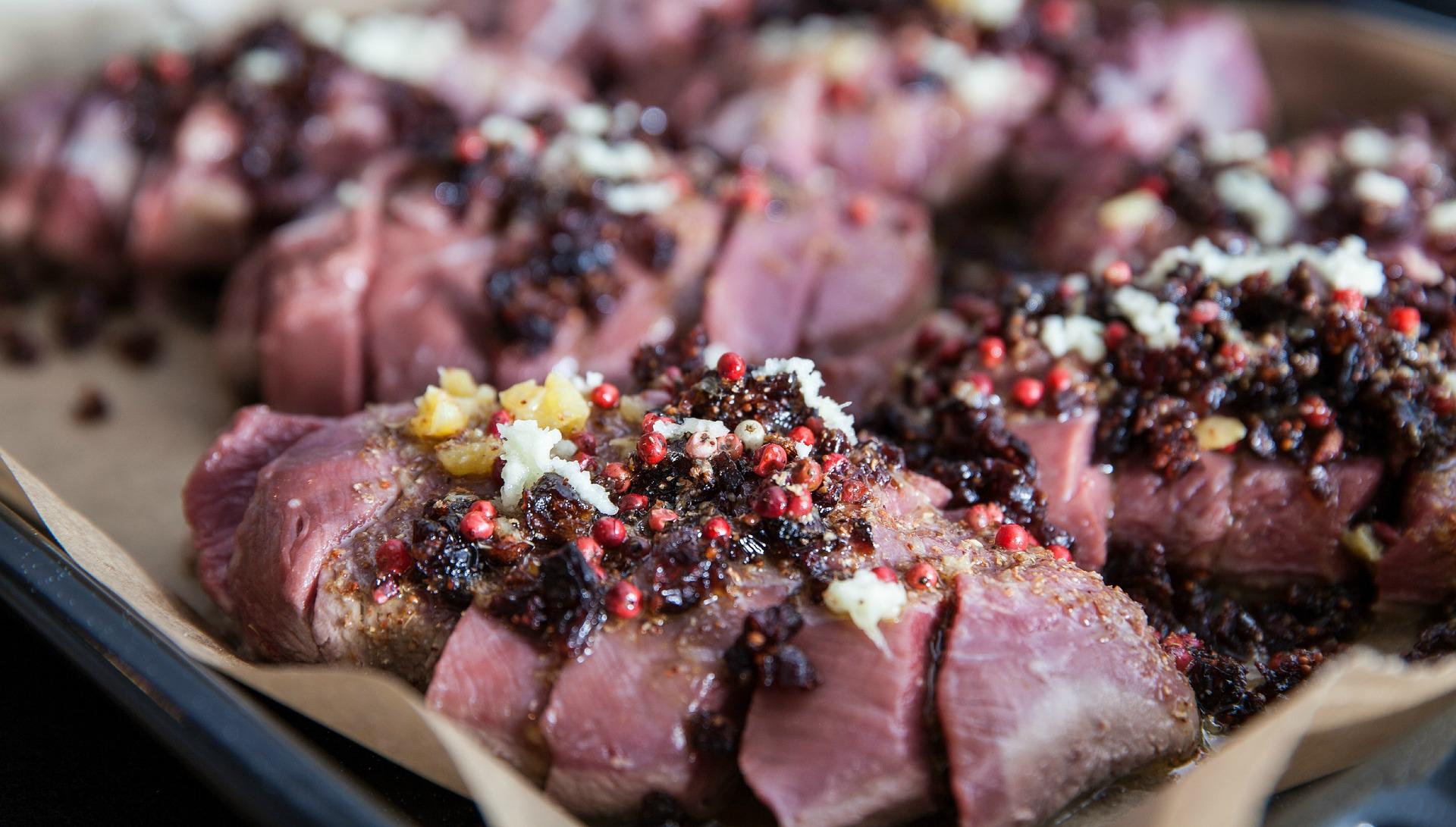
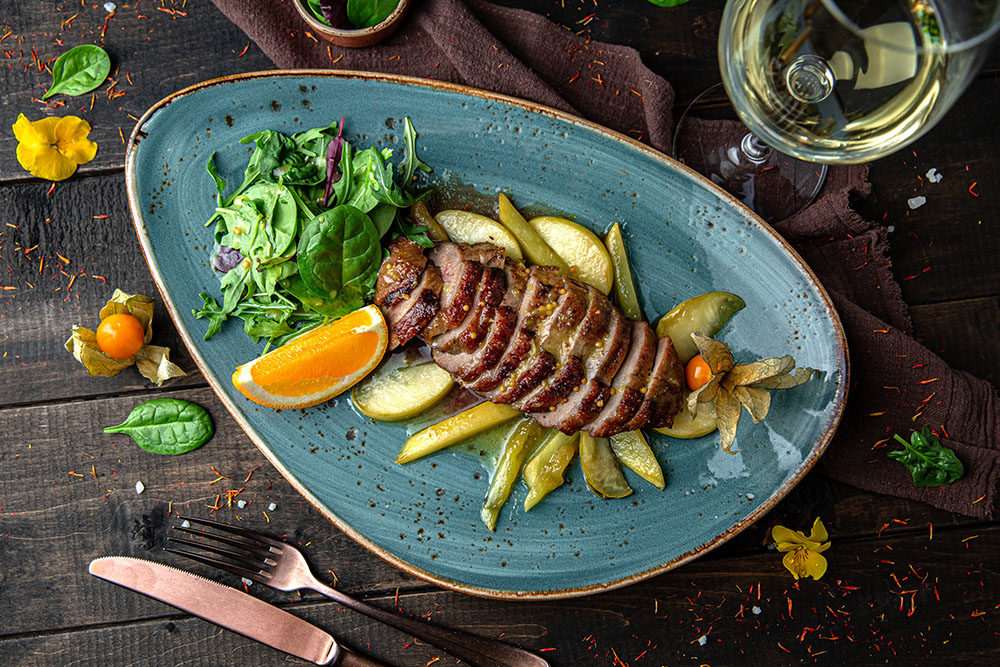
Breast fillet is one of the the best part, which is quick and easy to make, yet produces stunning results. The skin of the breast fillet can be baked until crispy, while the inside remains juicy and tasty. Perfect for elegant dinners or light, modern salads.
- Kitchen technology: The breast fillet is cooked quickly at a high temperature to crisp the skin but keep the meat juicy.
- Spices: Simple salt and pepper, possibly with a slightly sweet glaze like honey or orange.
- Wines: Fine, fruity red wines, such as a Merlot or a light Syrah.
- Cakes: Grilled vegetables, light salads or rice.
- To be avoided: Excessive marinating or overcooking, which suppresses the natural flavour of the meat.
These tips can help cooks to make the most of the versatility and rich flavours of duck. Each cut requires special handling to bring out the best flavours. Proper preparation of the duck meat and seasoning, and a harmonious selection of side dishes and wines, ensure that the end result is impressive at every meal. The versatility and richness of duck meat allows chefs to create creative and innovative dishes to delight their guests.