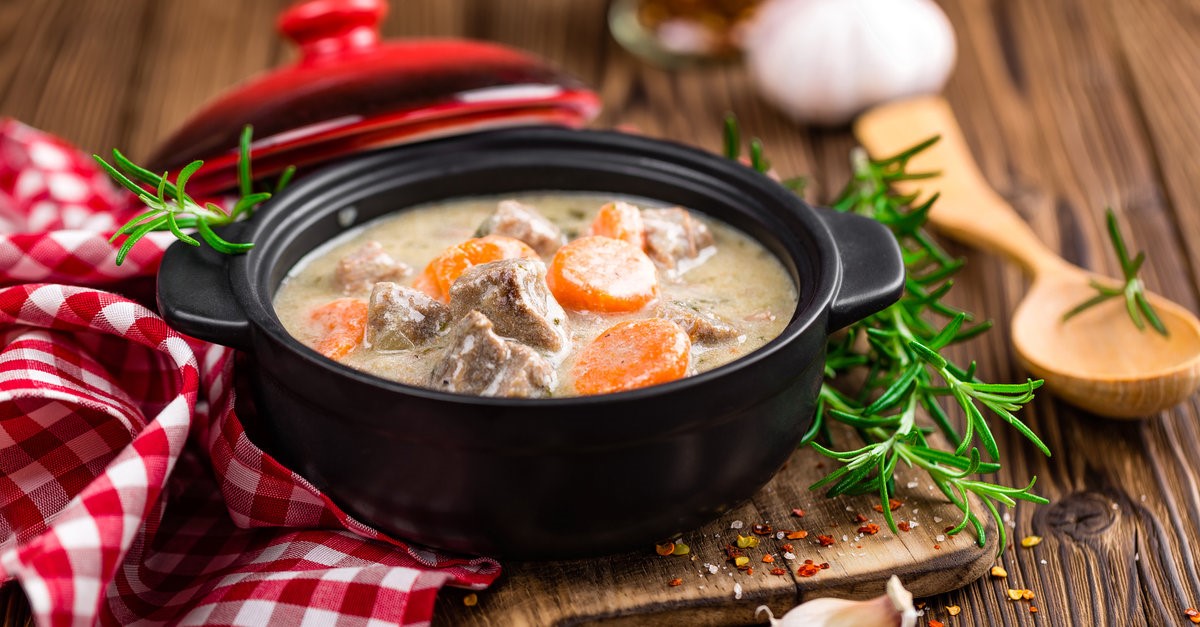







Pigs have been a cornerstone of gastronomy for centuries as a versatile and flavourful raw material. It also plays an important role in modern cuisine, as each part offers a unique flavour and texture, and can be the basis for many creative and delicious dishes.
Tenderloin
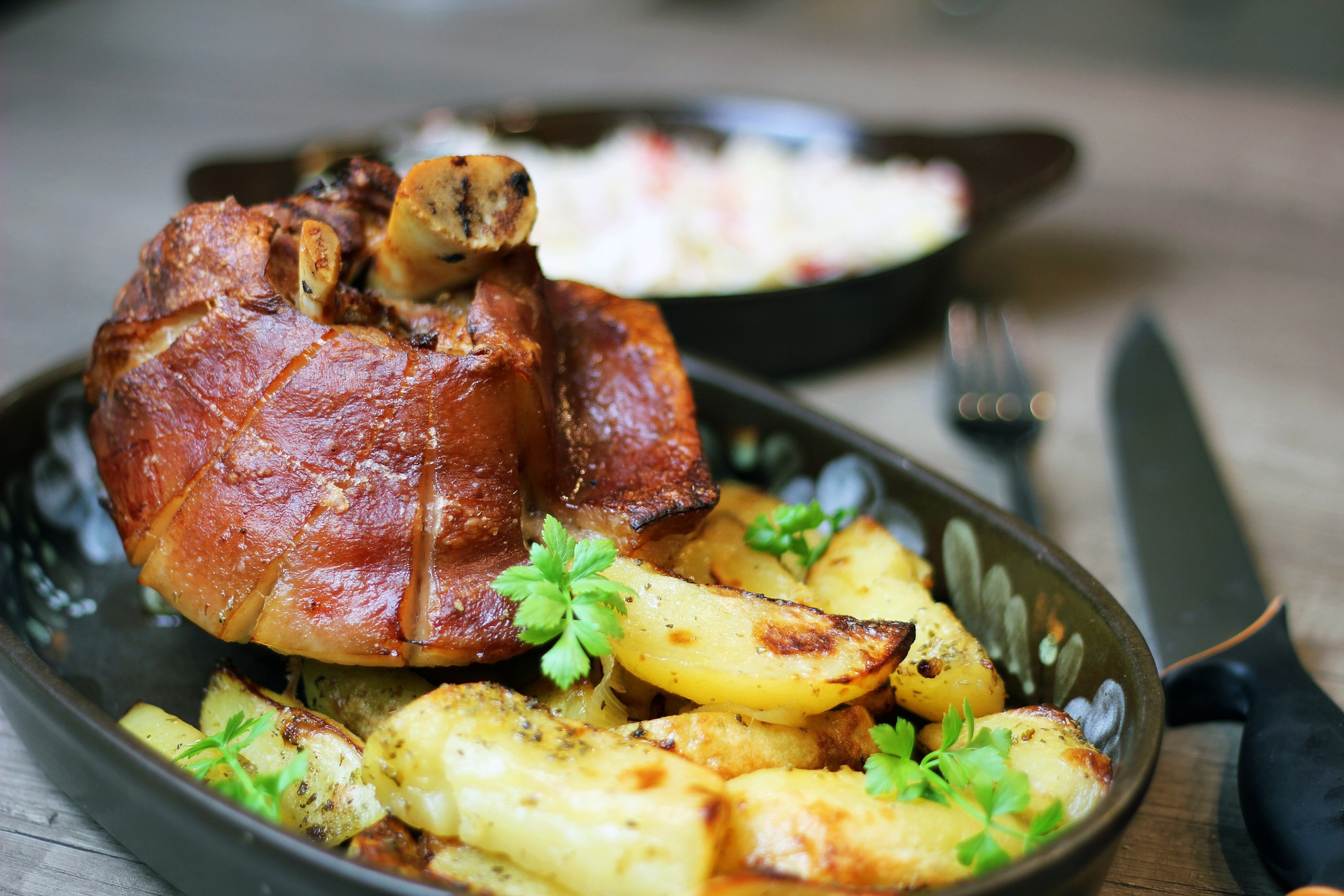
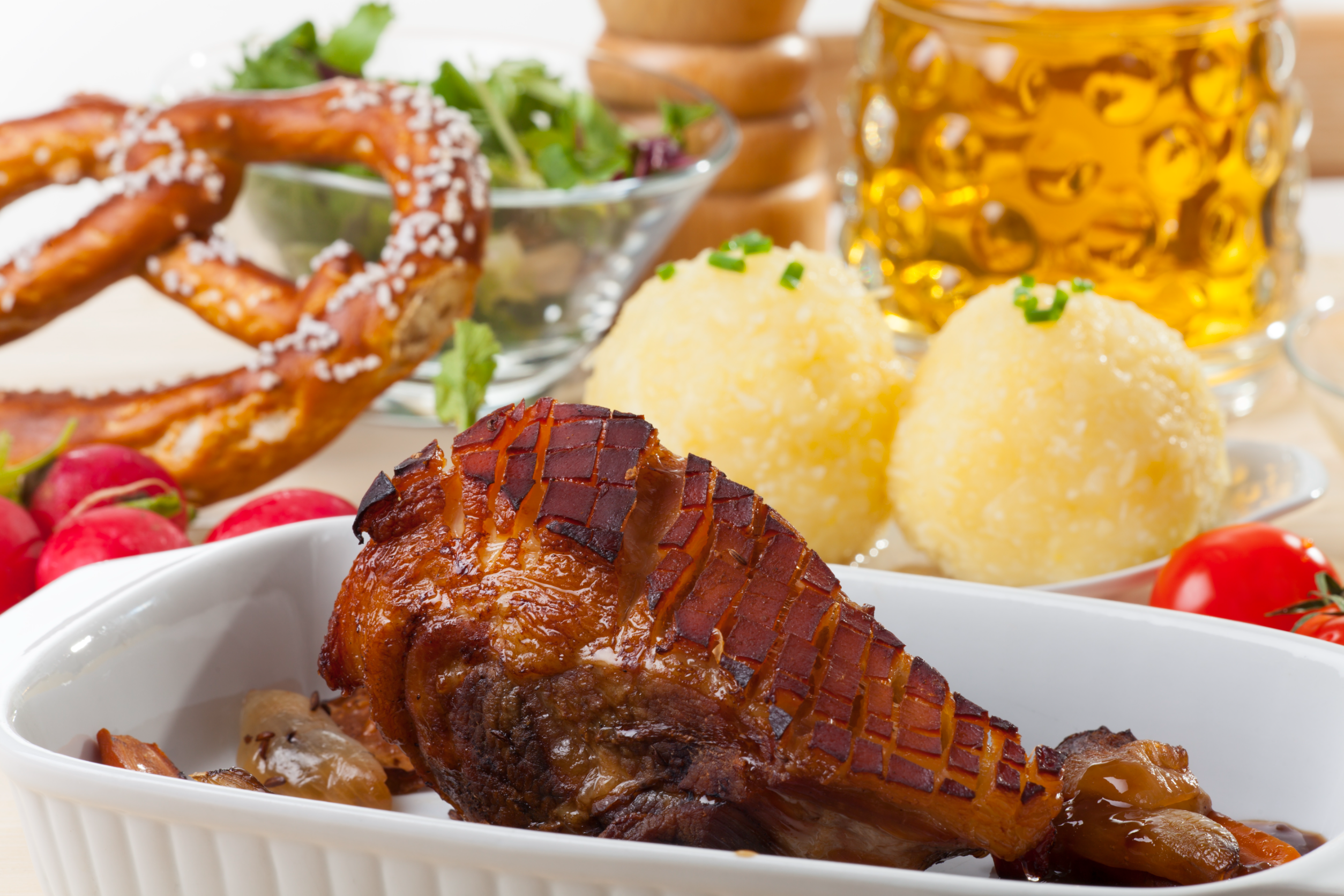
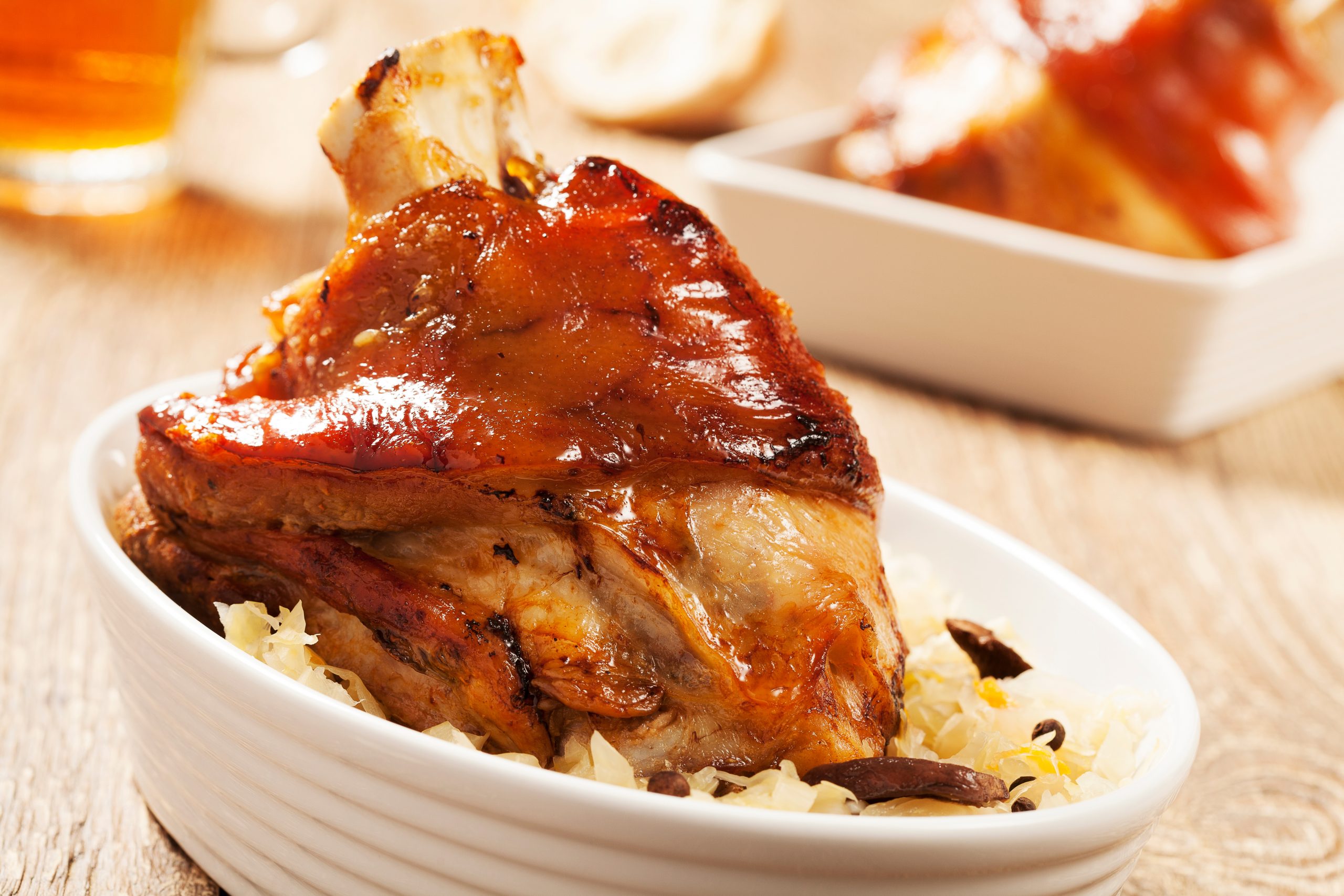
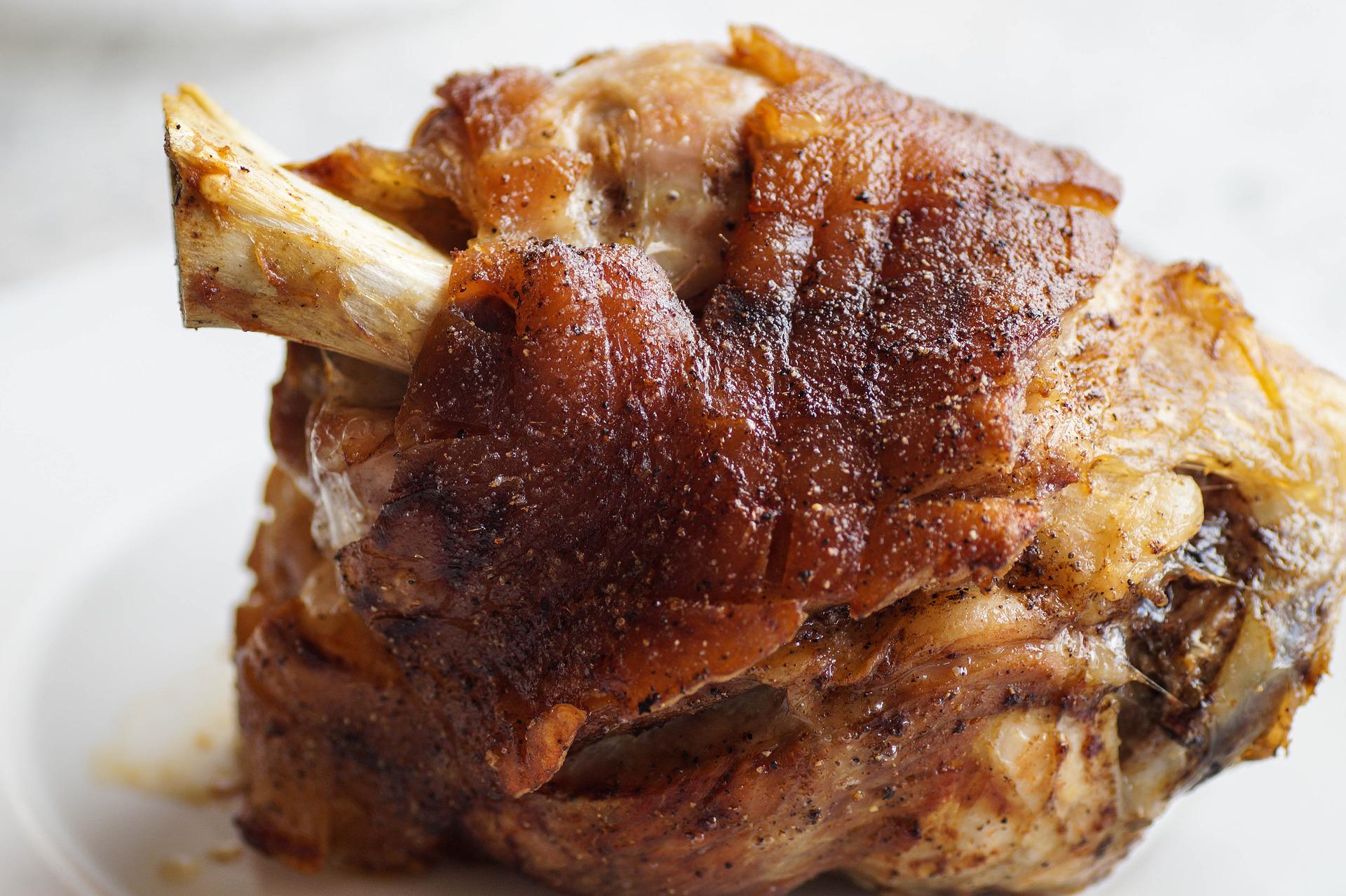
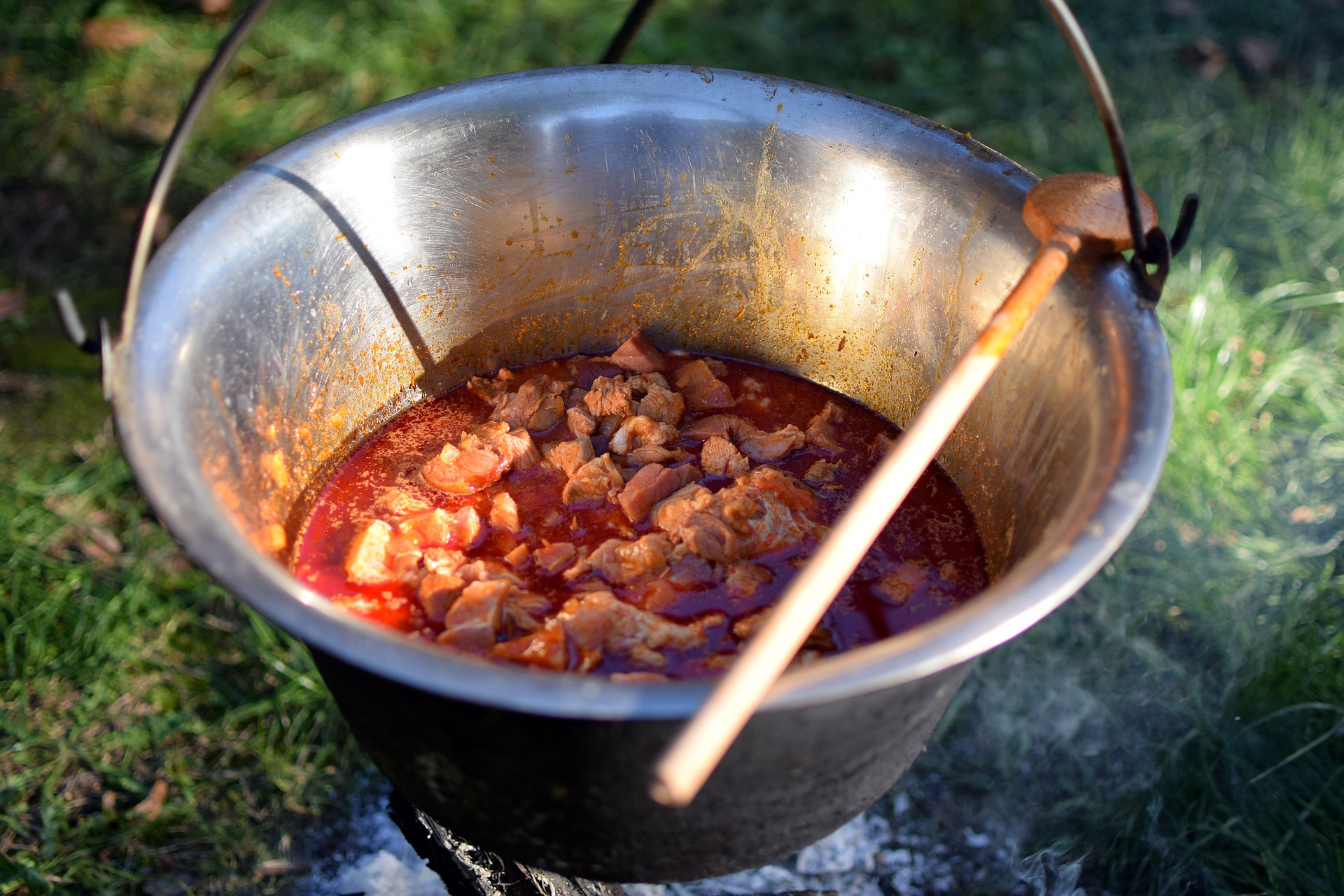
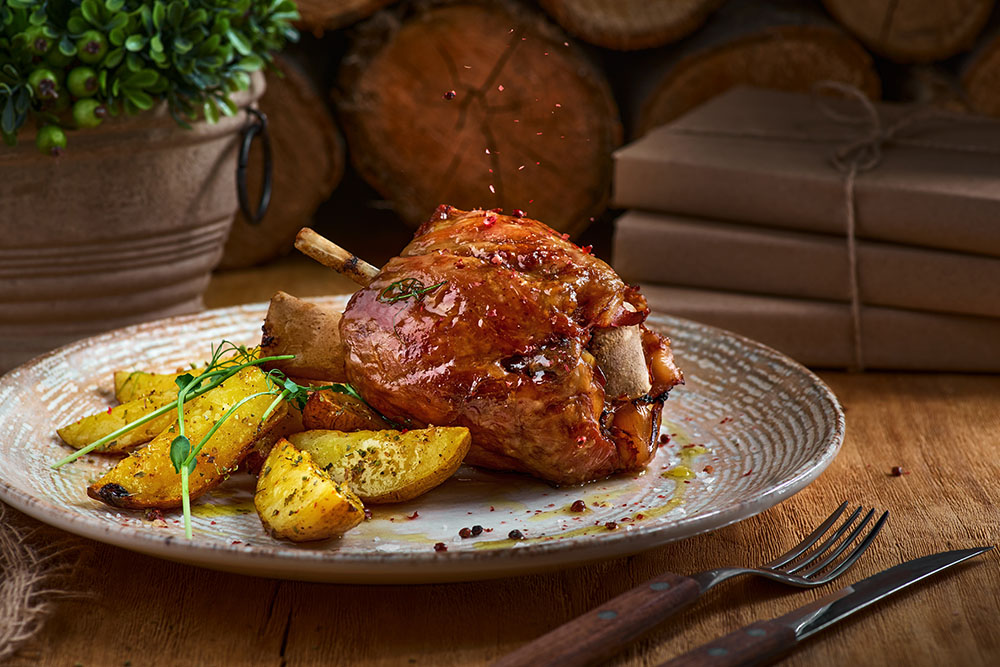
The leg, a traditionally favourite part for the piglet, offering a special flavour and texture. This section characteristically fatty and tasty, ideal for slow, long cooking processes. It is ideal for smoked, marinated or traditional cooked form, where long, slow cooking gives the flavours a deeper, richer flavour and the meat crumbly soft.
- Kitchen technology: Long, slow cooking or roasting makes the leg really succulent and crumbly. Slow roasting or braising after marinating brings out the flavour.
- Spices: Bean leaflet, majoranna, garlic, and cumin the ideal spices.
- Wines: Full-bodied, spicy red wines like Cabernet Sauvignon or a good Zinfandel.
- Cakes: Steamed cabbage, baked potatoes or fresh bread.
- To be avoided: Cooking too fast, which can make the legs tough and dry.
From
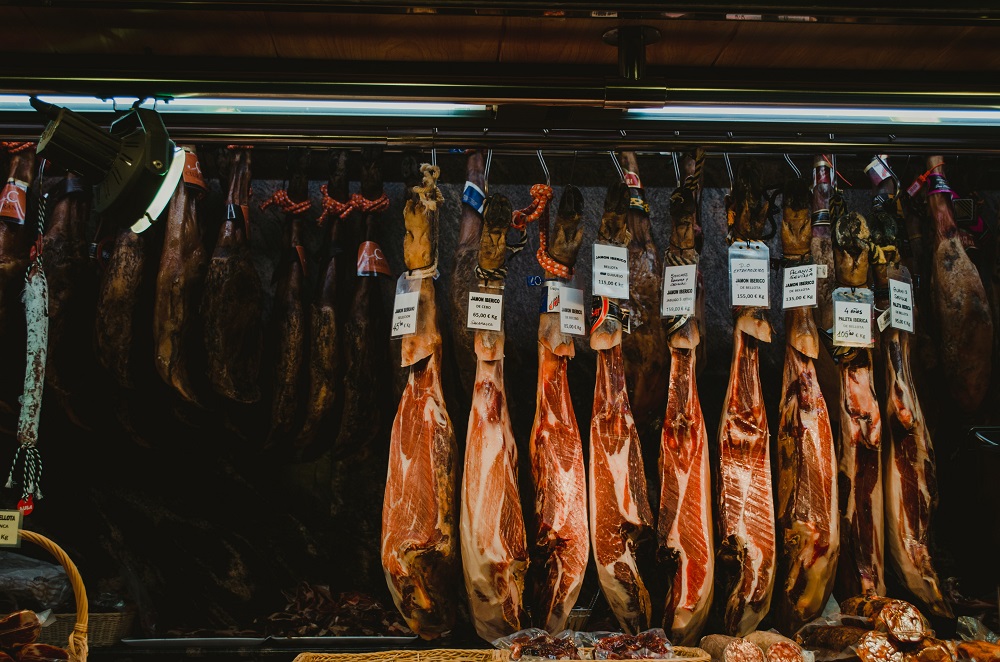
A pork combja another excellent and versatile meat. This larger, more muscular cut is particularly well suited to longer cooking and marinating times, such as slow roasting or barbecue. Thigh meat, when properly prepared, is extremely succulent and flavoursome, ideal for larger meals and special occasions. Thighs are often used for roasting whole or cut into pieces, so they can be found in many recipes.
- Kitchen technology: Thighs are often roasted or grilled to keep the skin crispy and the meat juicy.
- Spices: Rozmaring, tarragon, and mustard go perfectly with it.
- Wines: Fruity, medium-bodied red wines like Merlot or a Chianti.
- Cakes: Green salad, grilled vegetables, or light mashed potatoes.
- To be avoided: Over-curing, which suppresses the natural flavours of the meat.
Karaj
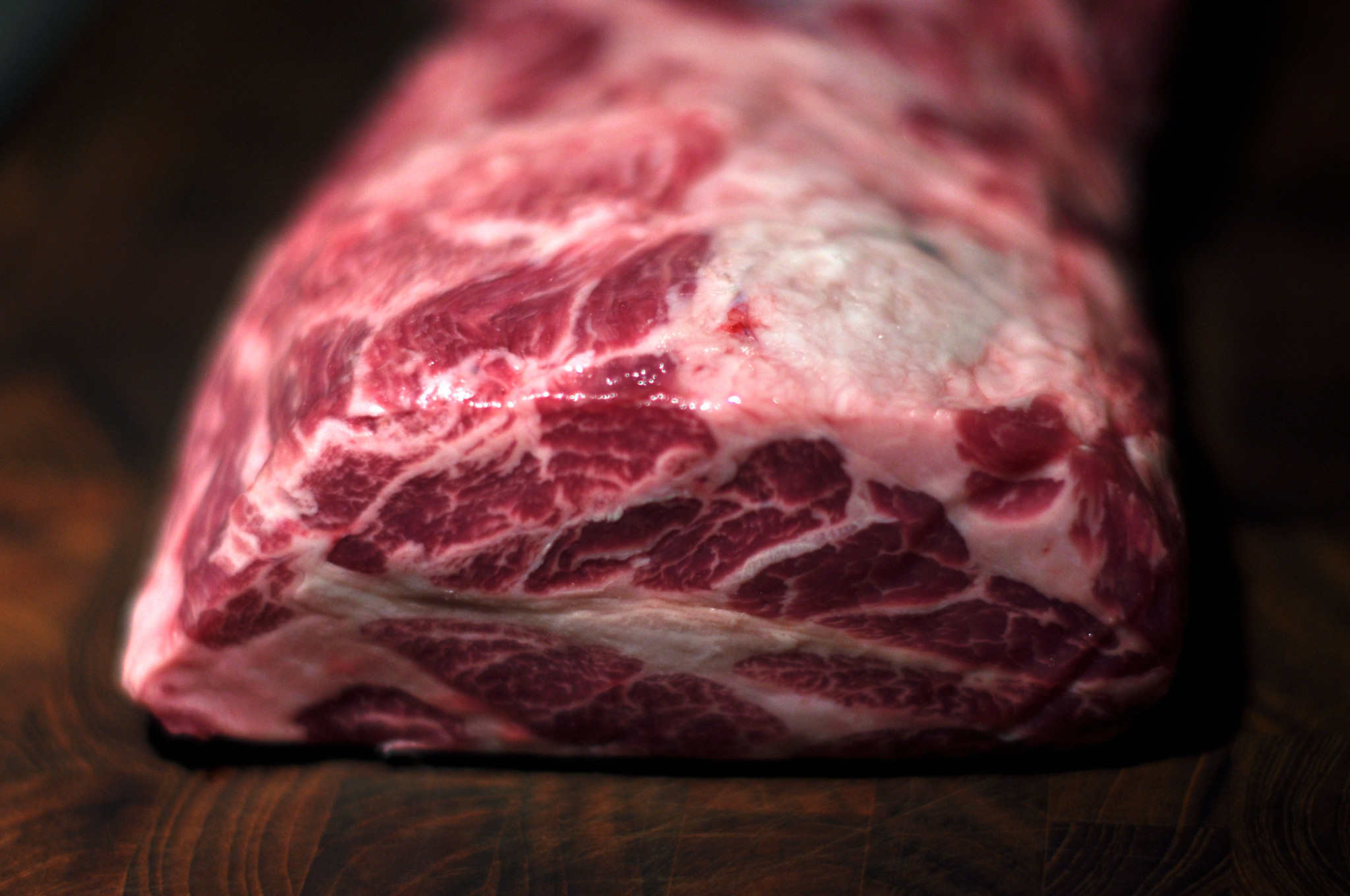
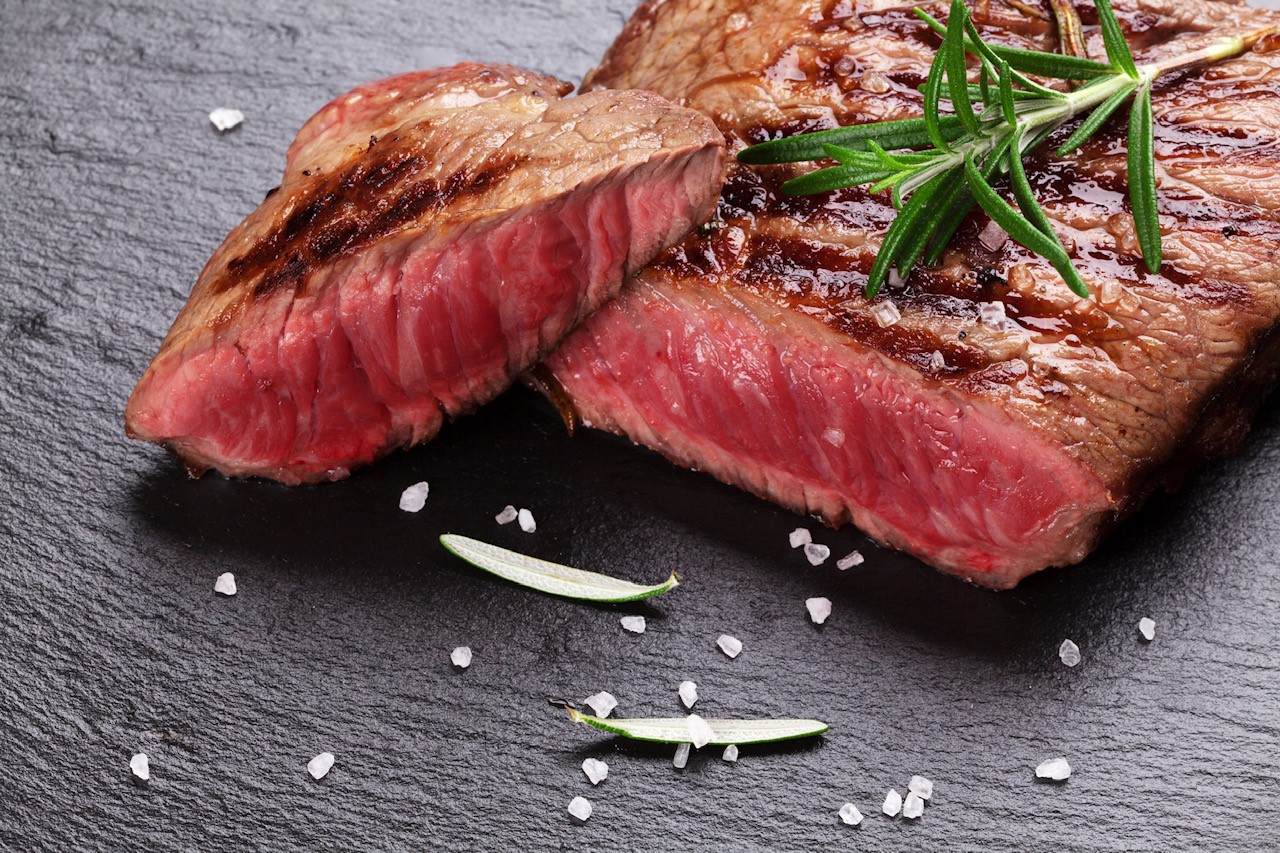
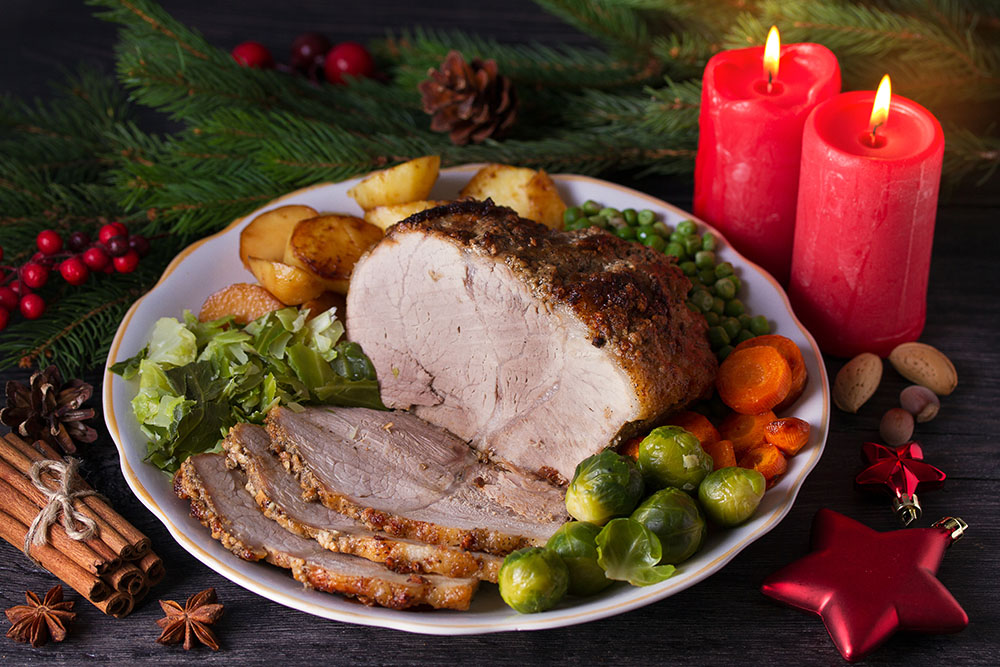
A karaj one of the most popular and universal parts of the pig. This central, meaty part is perfectly suited to quick cooking methods, making it an ideal choice for slicing, grilling or frying. The succulence and delicate flavour of the loin allows you to experiment with many different spice and flavour combinations, making it at home in a wide variety of cuisines.
- Kitchen technology: The chops are cooked quickly at a high temperature to keep the outside crispy and the inside juicy.
- Spices: Salt, bors, garlic, and sweet peppers.
- Wines: Fresh, light red wines like Pinot Noir or a young Rioja.
- Cakes: Spicy rice, fresh salads or roasted vegetables.
- To be avoided: Overcooking, which can make the meat dry and chewy.
These tips can help you make the most of the versatility of pig meat. Each cut will suit a different cooking technique and flavouring method to bring out the best flavours. Proper preparation and seasoning of the pork, as well as the choice of harmonious accompaniments and wines, will ensure that the dishes prepared are impressive every time.
As a raw material, pork offers chefs the opportunity to redefine creativity and flavour. Ordering pork from the online shop not only provides a high-quality raw material, but also inspires new recipes and flavour combinations, allowing chefs to offer new taste experiences to their guests.