




Every continent, every country, boasts a range of unique, traditional Christmas dishes that not only tickle the taste buds, but also bear the imprint of local culture and history. In this article, we travel to some of the major gastronomic stops to provide inspiration for chefs looking to expand their repertoire and discover new flavours.
Japan>/span>
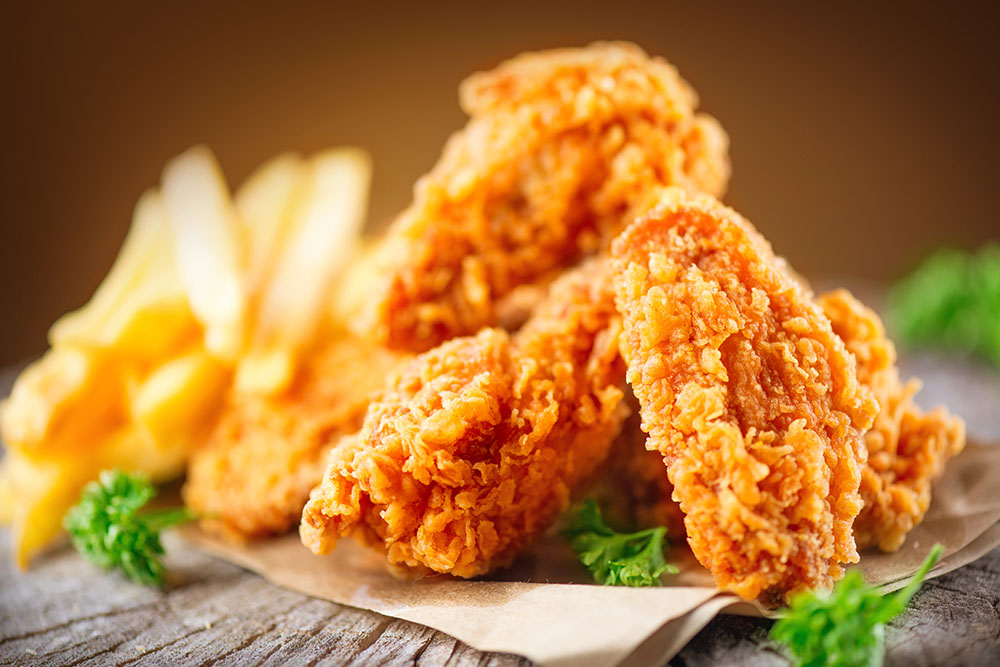
In contrast to European traditions, one of the most characteristic elements of Christmas meals in Japan is the fried chicken, especially the fried chicken offered by fast food chains such as Kentucky Fried Chicken (KFC). This tradition began in the 1970s when KFC launched a successful marketing campaign in Japan with the slogan “Kurisumasu ni wa kentakkii!” (Kentucky for Christmas!). Since then, KFC chicken has become almost synonymous with Japanese Christmas celebrations, with many families ordering the dish in advance for the holidays.
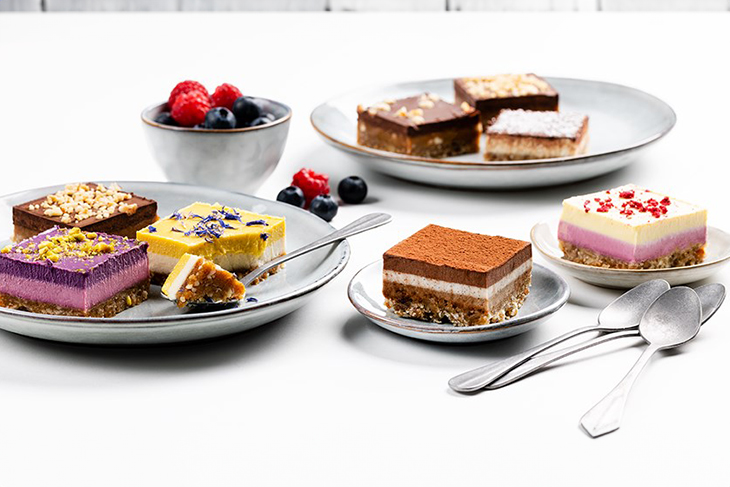
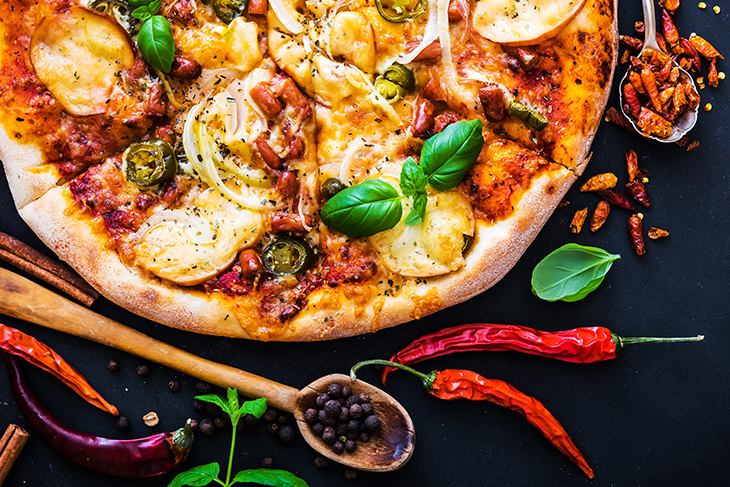
A Christmas cake is another typical sweet of this period in Japan. These are usually light, sponge cake-based cakes decorated with whipped cream and fruits such as strawberries. The consumption of Christmas cake is also part of modern Japanese Christmas traditions, symbolising the festive season and the gathering. Strange as it may sound, the third most popular food in Japan is pizza.
Australia>/span>
In Australia, Christmas falls in the summer, so the festive food is very different from that of traditional Christmas in colder climates. Christmas food in Australia focuses on freshness, lightness and outdoor cooking. Some typical dishes:
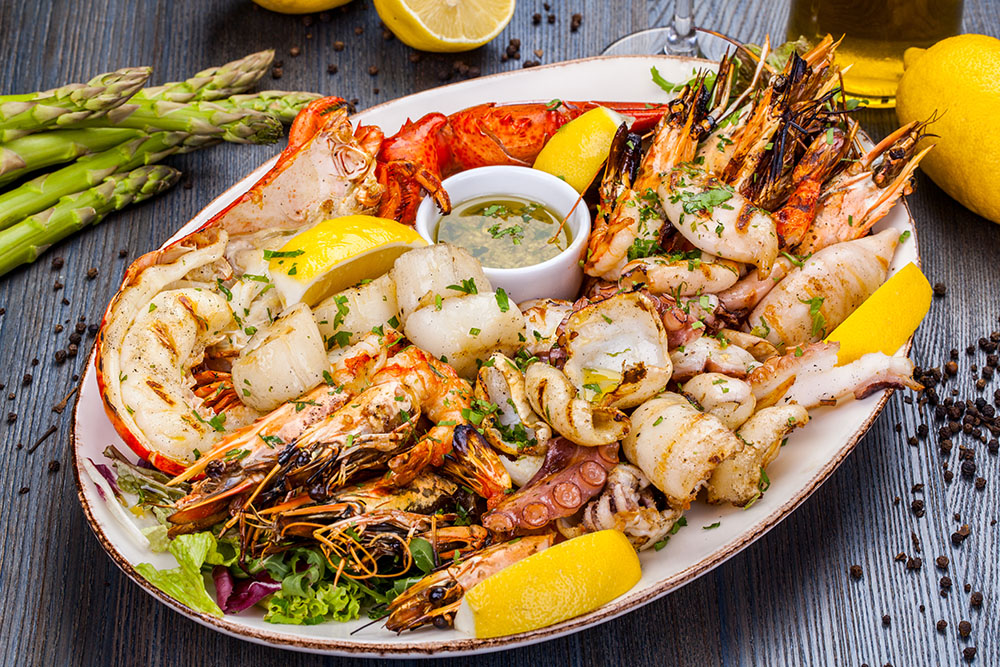
- Seafood: fresh seafood is often on the festive table seafood, such as cancers, shrimps, oysters and other shellfish. These are often prepared simply to enhance their natural flavour.
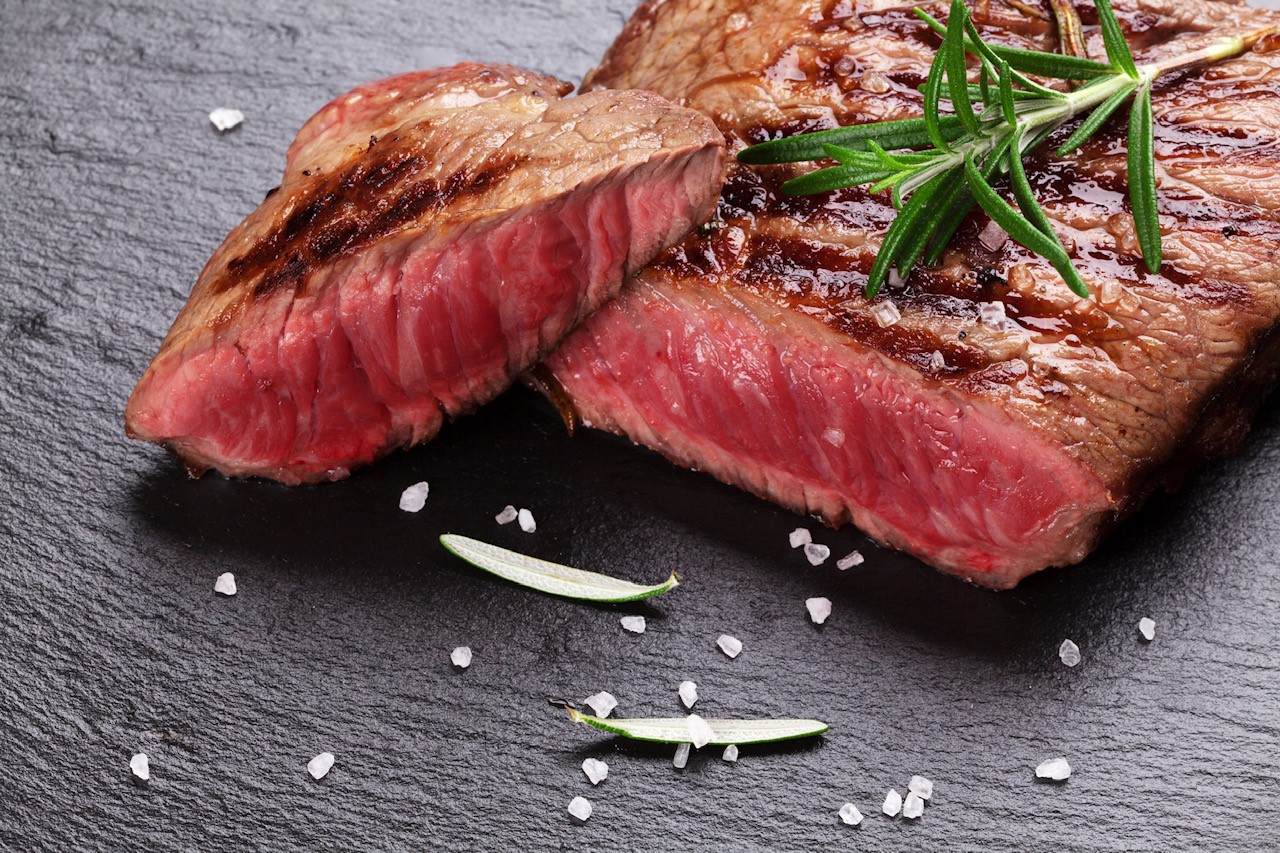
- Barbecue: the traditional Australian barbecue, or “barbie”, is a popular Christmas dish. The traditional barbecue is a traditional "barbecue", or "barbecue". beef steak, lamb, chicken and sometimes kangaroo. This is done outdoors, taking advantage of the warm, sunny weather of the festive season.
- Christmas pudding: although less popular than in the northern hemisphere, some families still make traditional Christmas pudding or fruitcake, often flavoured with brandy or rum.
Norway>/span>
Christmas meals in Norway are traditionally associated with the winter season and Scandinavian culture. Some typical dishes that are often eaten at Christmas in Norway:
- Ribbe: roast pork bone, one of the most popular Christmas dishes in Norway. It is made with crispy fried skin and is often accompanied by sauerkraut, with potatoes, with salty meatballs and thick brown sauce.
- Pinnekjøtt: This is another traditional Christmas dish made from dried and sometimes smoked lamb. The meat is soaked in water to remove the salt and then steam cooked until tender. It is usually served with mashed potatoes and salted meatballs.
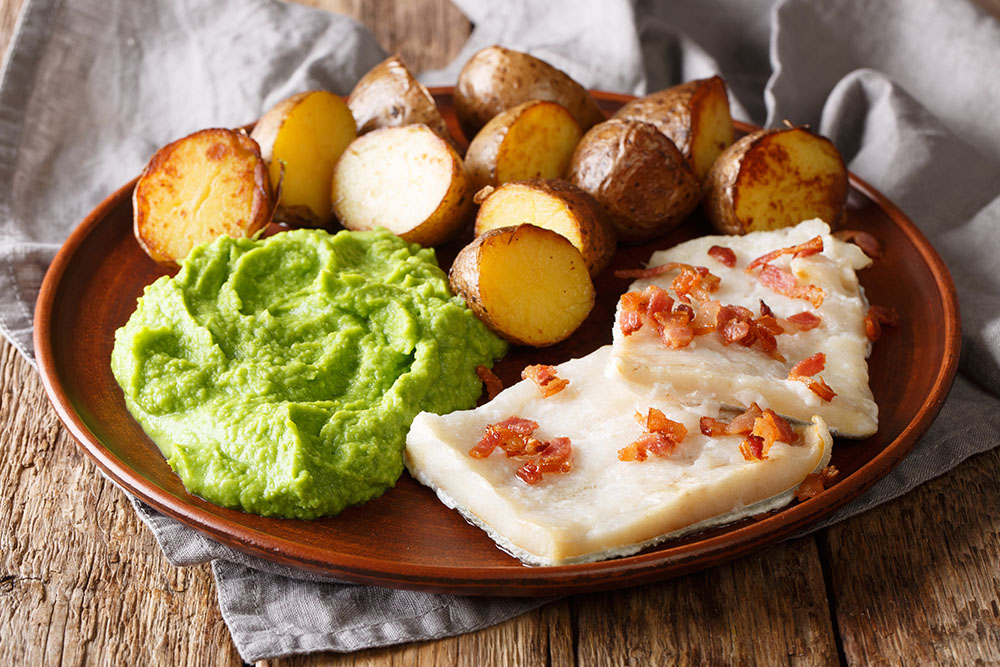
- Lutefisk: This is a traditional Nordic dish that is dried with capital which is soaked in water and lye (yes, lye). It is a special Christmas dish, often served with mashed peas, potatoes and bacönnel served with.
- For Christmas dessert potato crisp a popular choice. It is a thin, twisted cake, often filled with whipped cream and fruit.
Israel>/span>
In Israel, Christmas is primarily a celebration of the Christian community, so Christmas foods and traditions can vary depending on which Christian community is celebrating. There are many different Christian groups in the country, including Orthodox, Catholic and Protestant, and each has its own traditions. It is important to note that Christmas in Israel is not as significant a holiday as in many other countries and is not celebrated by the majority of the Jewish population. However, Christian minority communities have a wide variety of festive customs and foods that reflect local traditions and different cultural influences.
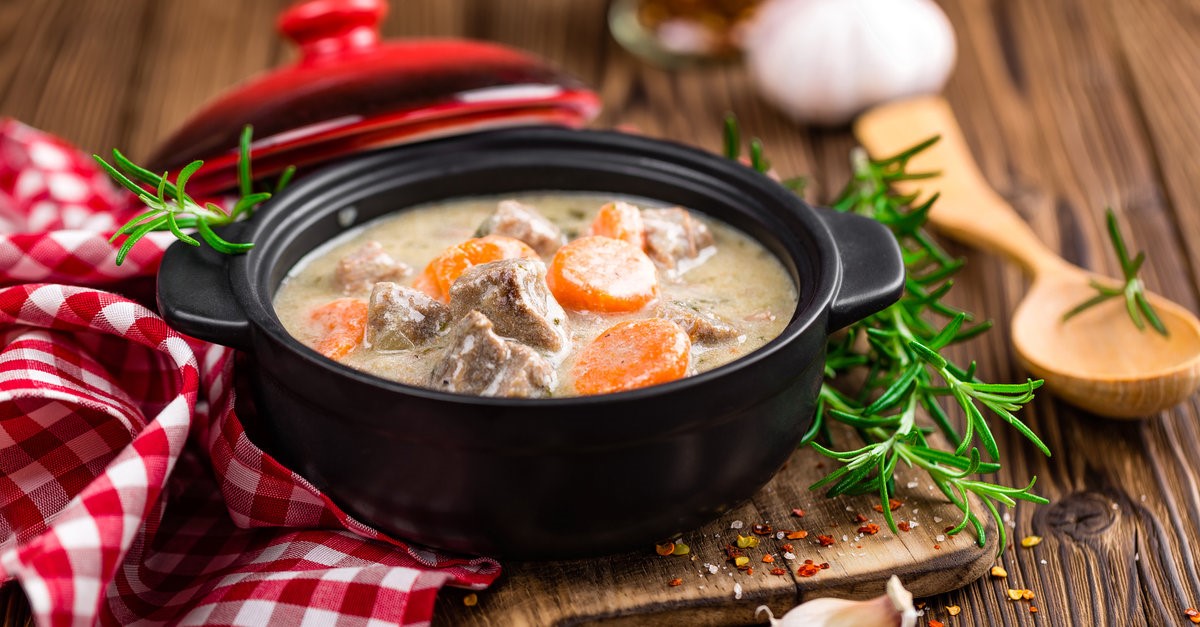
- Roast meats: roast meats such as lamb, chicken, or pork are often on the Christmas table. turkey. They are served with a variety of side dishes and vegetables.
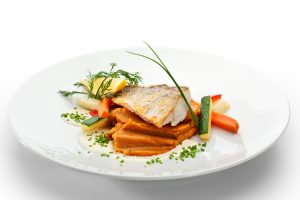
- Fish dishes: in some Christian communities, especially among the Orthodox, fish plays an important role in festive meals.
- Various bakery products: In Christian communities, various types of cakes and other bakery products such as bread, a loaf, and biscuits.
- Vegetable dishes: various vegetable-based dishes, such as stuffed peppers or aubergines, are often on the festive table.
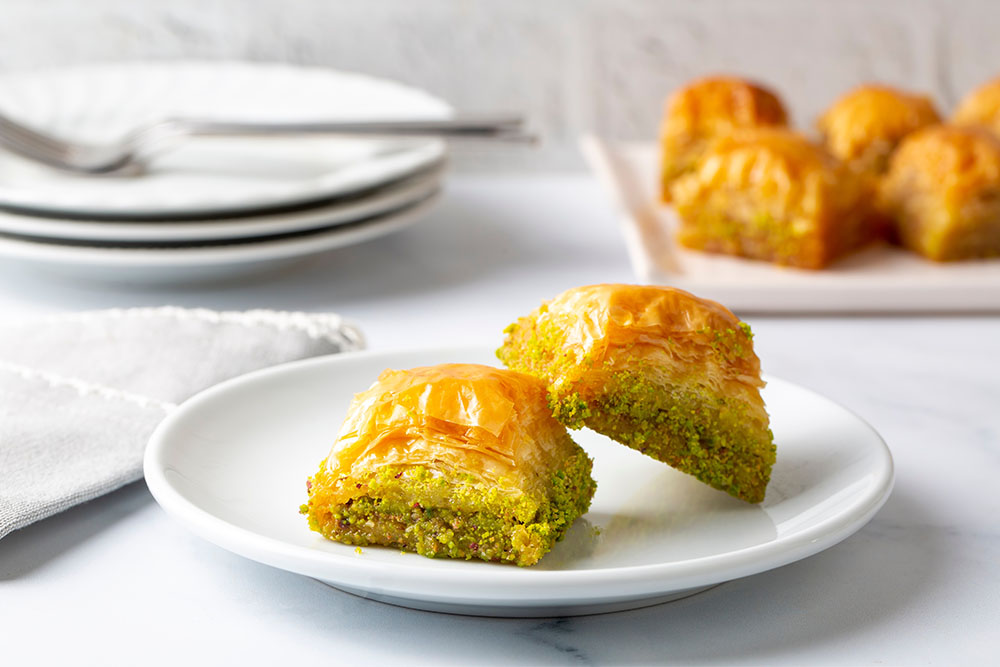
- Desserts: local sweets are common among desserts, such as baklava or various honey cakes.
Italy>/span>
In Italy, Christmas meals are rich and varied, reflecting the country's culinary diversity and differences between regions. The Italian Christmas meal traditionally consists of several courses and the following dishes are common:
- Antipasti (starters): a variety of hot and cold starters, such as olives, roasted vegetables, seafood, hams and cheeses.
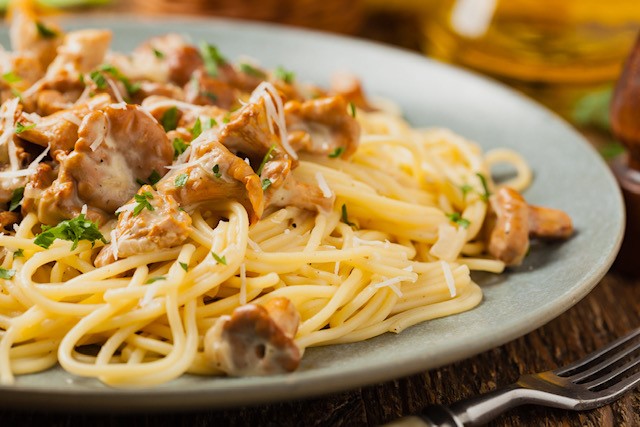
- Primo (First Catch): often pasta or risotto. Popular Christmas pasta dishes include tortellini in brodo (stuffed pasta cooked in broth) or lasagne.
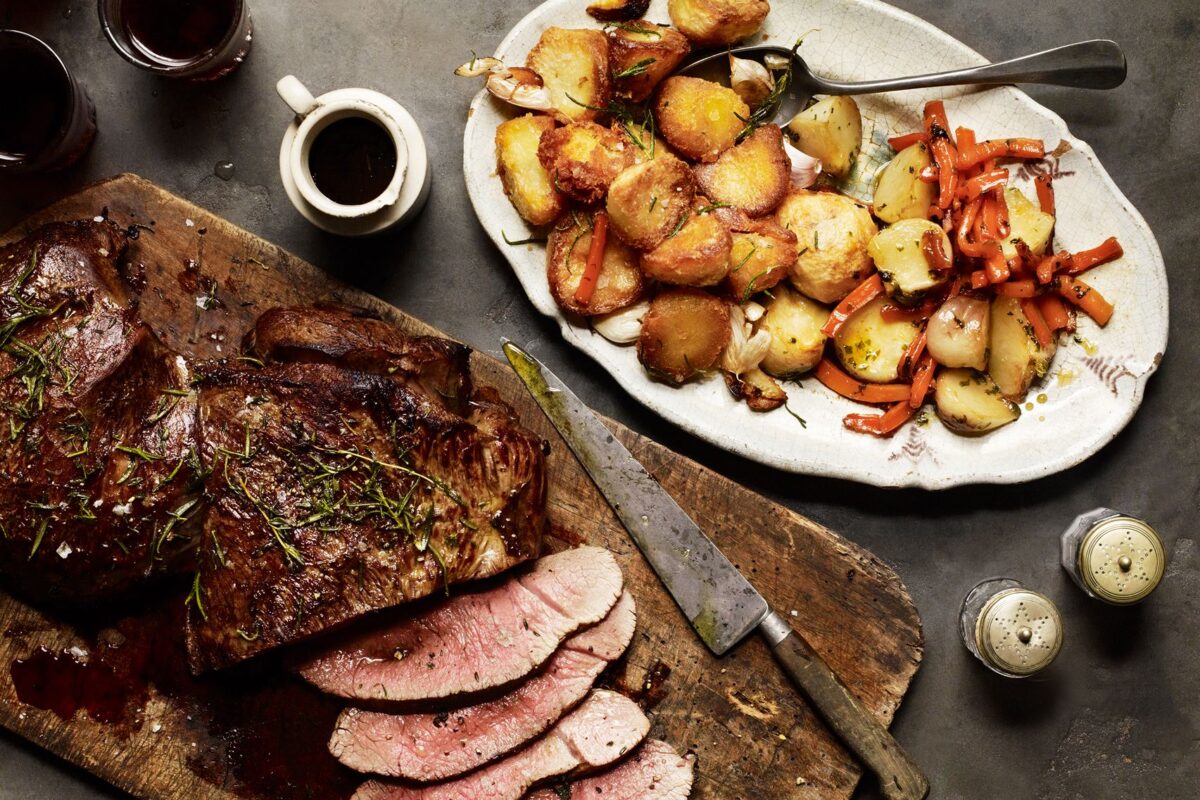
- Secondo (Second Course): popular meat dishes include lamb, roast lamb, roast beef and beef or the stuffed poultry. In southern Italy it is common to seafood and the presence of fish.
- Contorni (Side dishes): side dishes such as vegetables, salads or polenta, accompany the main course.
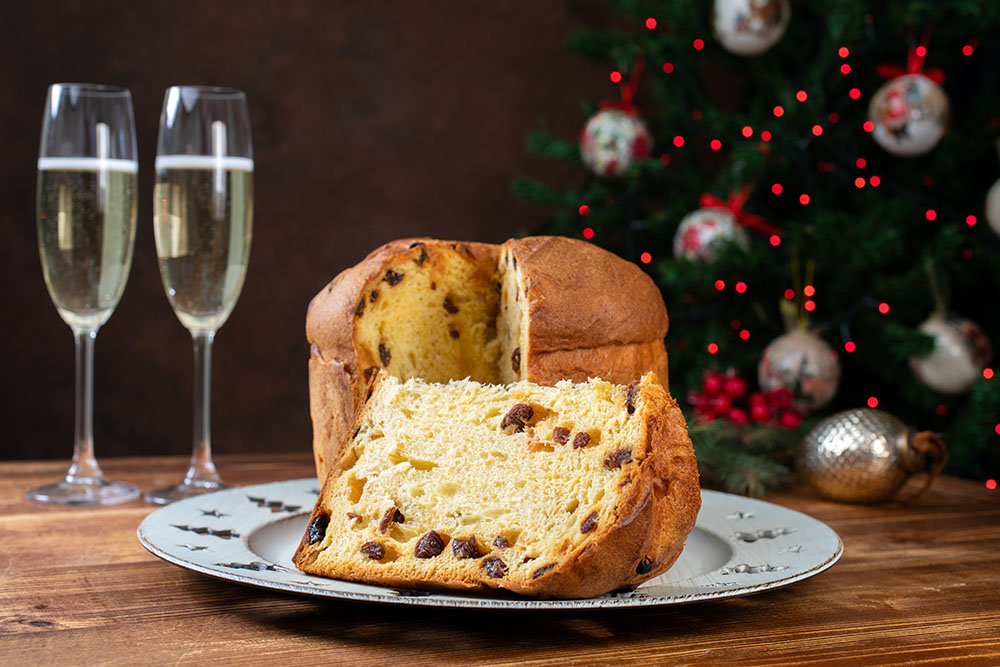
- Dolci (Desserts): there are many traditional Christmas desserts in Italy. The panettone (a yeasty, fruit-enriched cake from Milan) and the pandoro (a sweet, vanilla cake from Verona) are the most popular.