






The ability to identify and select the freshest and best quality fish is essential for professional chefs. In this article, we present some key considerations to help chefs choose the perfect seafood.
If you think that the latest seafood the ones that are closest to you, it's time to rethink. The freshness of fish is determined by a number of factors and, regardless of where it comes from, the way it is caught and processed plays a big part in its quality. The origin of the fish is less important than the way it is handled from the moment it is caught. Different waters and water types produce different types of fish. What really counts is that the fish is raised in a healthy environment and then stored in the right conditions until the moment it is served.
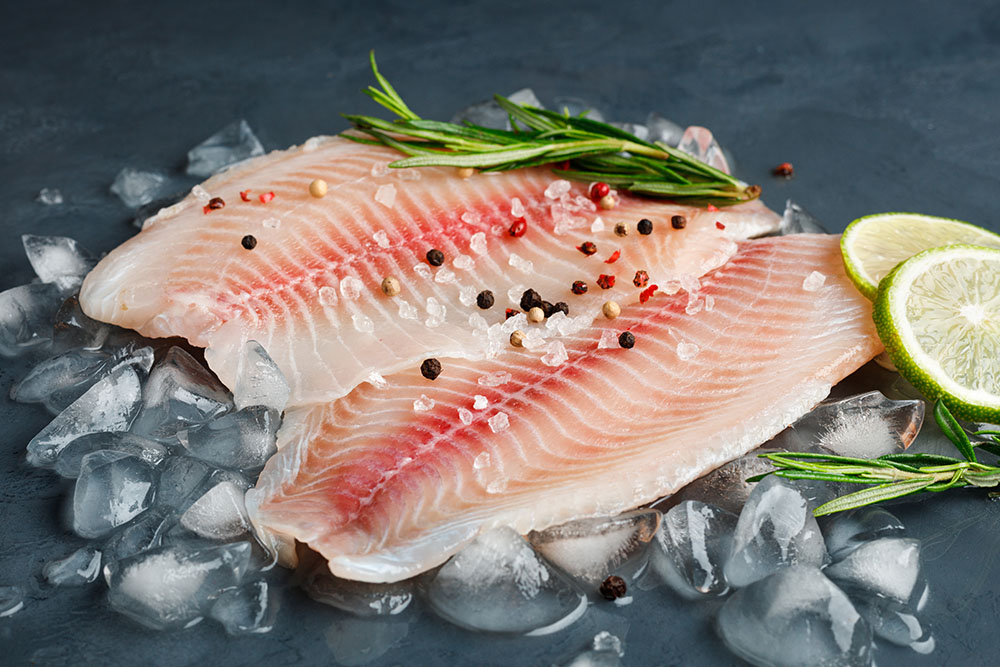
An excellent example of good management is the Norwegian salmon farming Approach. In Norway, the focus is on sustainable farming practices and the well-being of salmon, which are reared in spacious, clean waters as close as possible to their natural habitat. In Japan sushi is another notable example. Contrary to the belief that only the most recently caught seafood is desirable, Japanese sushi masters often age and marinate selected fish, which significantly enhances the fish's flavour and taste. umami taste and aroma.
Use your eyes and nose
Take time to compare fish, paying attention to what they look like and smell like. Smell is key to choosing fresh seafood. Fresh fish have a slight, marine smell, not a dominant or unpleasant “fishy” smell. If the fish smells intrusive or disturbing, this may indicate that it is not the freshest. Unpleasant odours, such as ammonia, can be a sign of spoilage.
As well as using your nose, it's good to rely on your eyes and trust what you see. Look for light, shiny-skinned fish with shiny skin. It is also a sign of freshness if the patterns on the skin of the fish, such as stripes and spots, are sharp and easy to see. The feel of fresh fish is firm and supple. Press gently on the flesh of the fish; if fresh, the fingerprint should quickly return to its original state. If the flesh remains soft or the indentation does not disappear, it may indicate a lack of freshness.
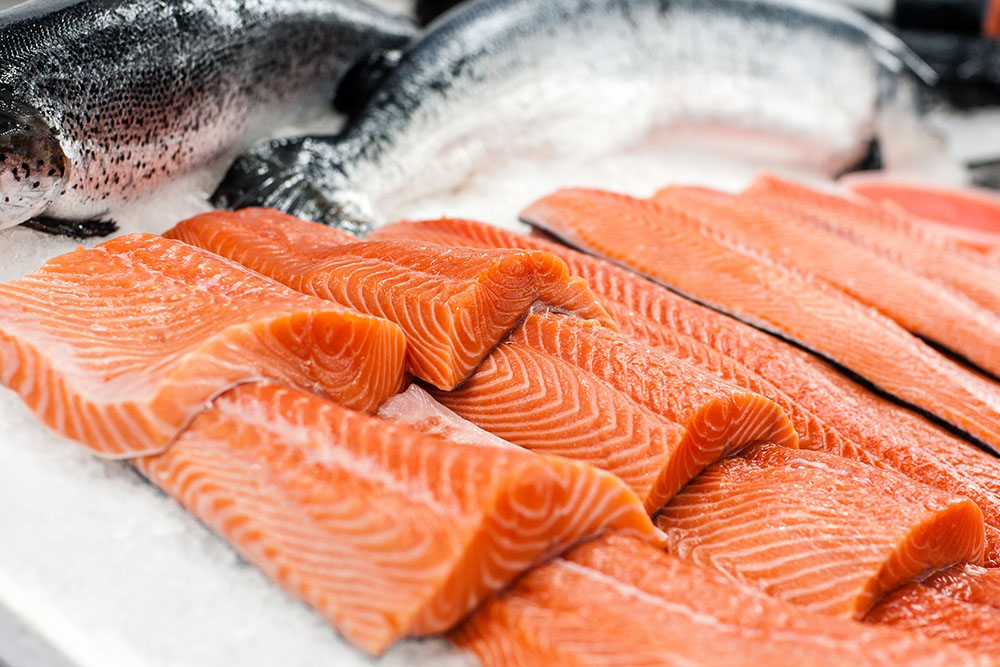
Pay attention to the colour and texture of the fish flesh. The flesh of fresh fish is bright, natural in colour, for example salmon is a rich pink or orange. The texture of the flesh is firm and cohesive, not separating or fibrous. Where the fish comes from and whether it has been sustainably farmed are also important considerations. Look for information about the origin of the fish and prefer fish from sources where sustainable fishing practices are used.