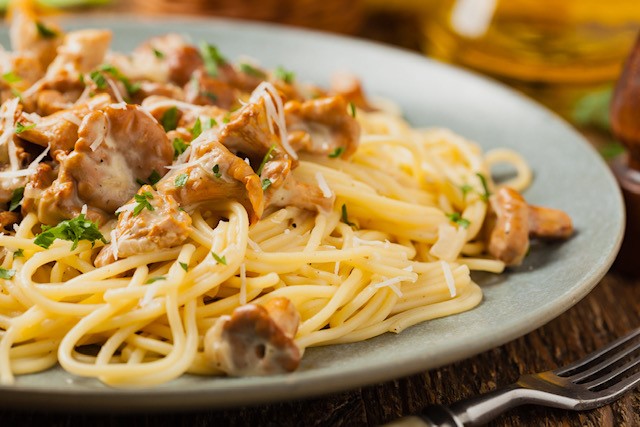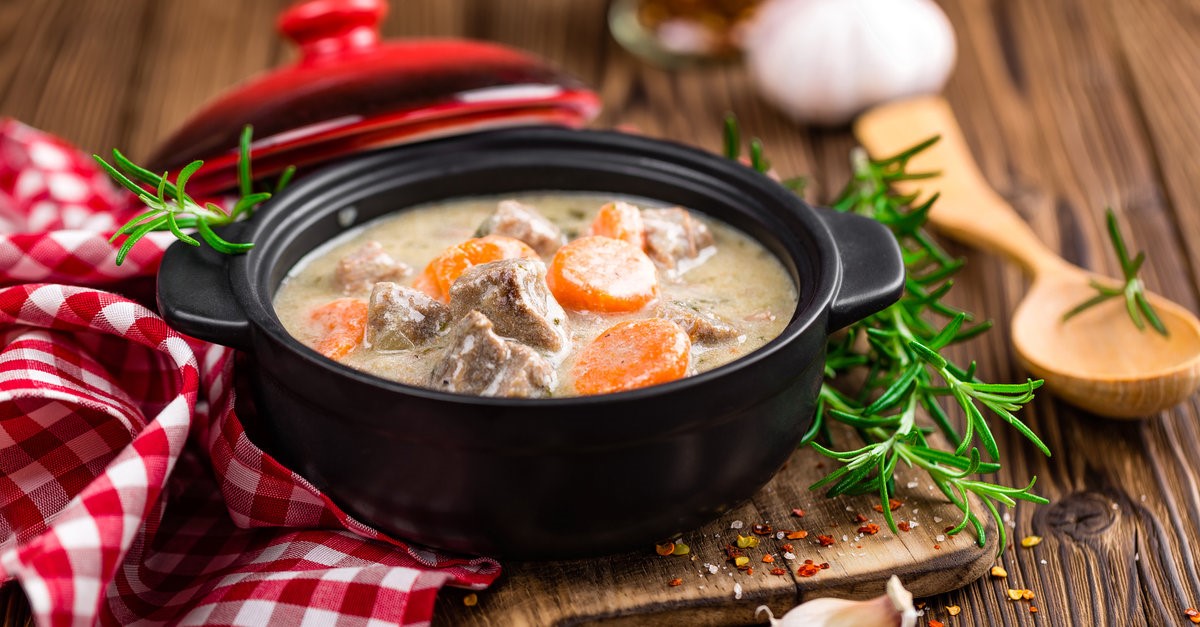







In the modern gastronomic world, where innovation and creativity are driving the art of cooking, game meat is gaining more and more attention. These meats not only offer a unique flavour and texture, but also represent a unique opportunity for chefs to redefine their menus and renew the dining experience of their guests. Let's take a look at how game meats fit into modern gastronomic trends and how chefs can use them to update menus.
Diversity and Versatility
Wild game meat, such as deer, wild boar, deer, or even game-processed poultry, offer a unique flavour profile and texture that distinguish them from meat from conventional livestock production. This diversity allows chefs to experiment with new flavour combinations and textures, making restaurant menus more exciting.
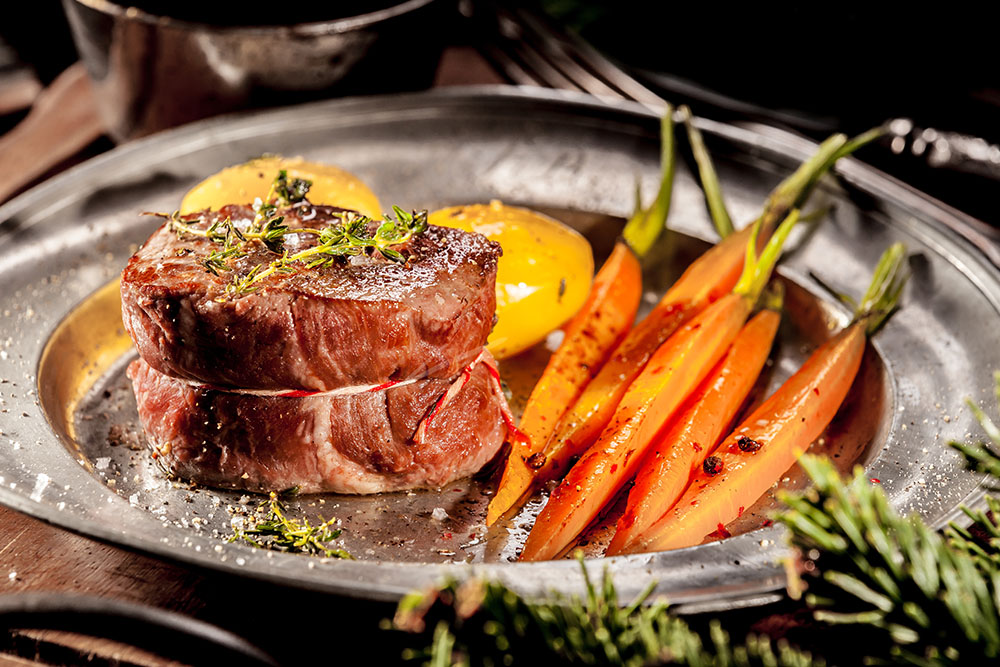
Sustainability and Ethical Sources
Sustainability is one of today's most important gastronomic trends. Wild game meat, especially when sourced locally, has a smaller environmental footprint than intensive livestock farming. Chefs who use sustainability and ethical sourcing, wild game meat can express their commitment to the environment and the animal welfare for.
Healthy Gastronomy
Game meat is increasingly popular among health-conscious consumers. They are lower in fat and higher in protein than conventional meats, making them an excellent addition to menus that focus on a healthy diet. This allows chefs to offer their guests not only tasty but also nutritious meals.
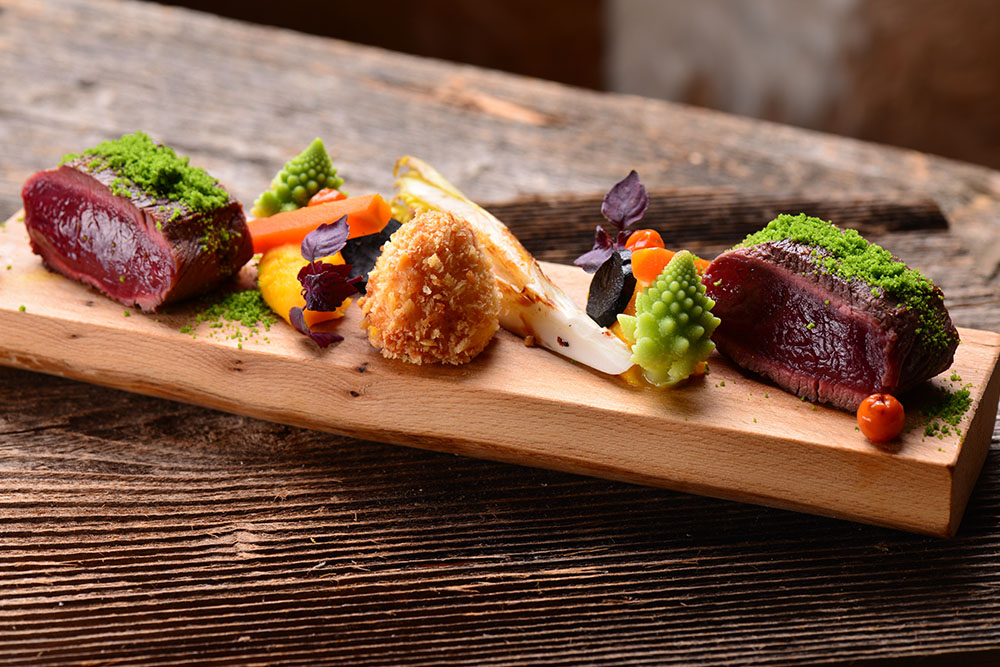
Creative Mergers and Innovations
They provide a great basis for culinary innovation. They can be combined with international flavours to create innovative dishes that not only challenge chefs but also impress their guests. Let's look at how game meat can be used in different international cuisines, providing inspiration for chefs.
Asian Cuisine: Innovation and Tradition
From Asian cuisine is particularly well suited to the inclusion of game meat. For example, the strong seasoning of Chinese Sichuan cuisine is an excellent complement to the strong flavour of wild boar or deer. Japanese cuisine requires a more subtle approach, where game meat is sliced and lightly steamed, emphasising the fresh flavours and delicate texture.
European Kitchen
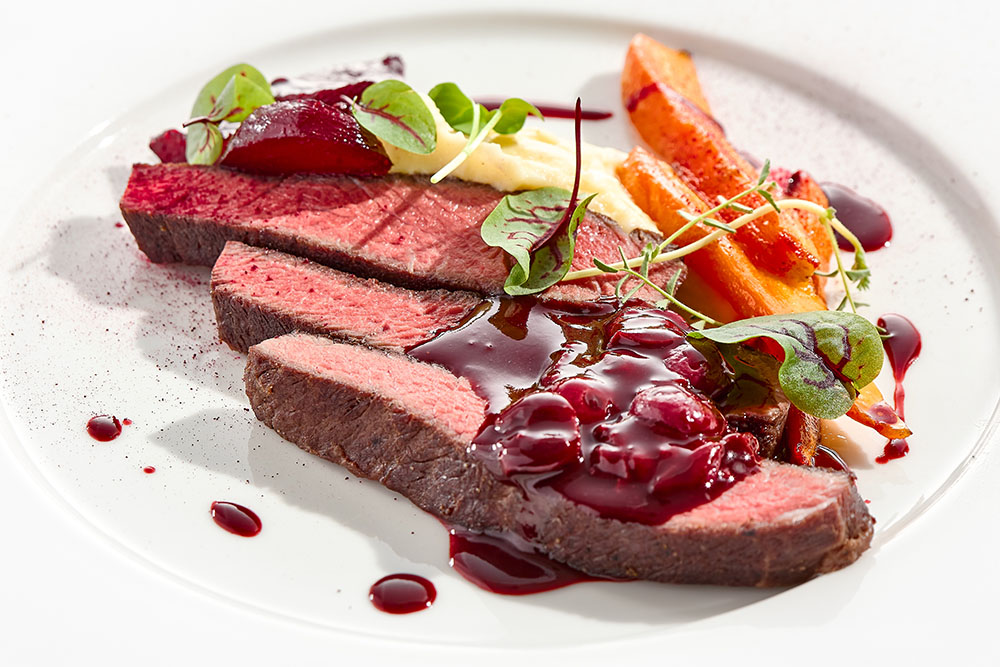
Classical European cuisine has a long tradition of using game meat. In France, for example, it is often used in stews and stews, where slow cooking brings out the deep flavours of the meat. From Italian cuisine offers a range of game stews and pâtés that reflect rural traditions.
Latin American Kitchen
In Argentina and Brazil, where the barbecue is outstanding, with game meats often prepared with passionate seasoning and slow cooking under fire, bringing out the natural flavours of the meat. In Mexico, game meats are served with sharp, piquant sauces and in tortillas for a unique experience.
Middle Eastern Kitchen
Middle Eastern cuisine often combines game meat with rich seasonings such as coriander, Roman cumin and turmeric. In addition to these flavours, slow, traditional cooking techniques such as tagine or slow-roasted stews bring out the rich flavour profile of game meats.
African Kitchen
Here, game meat is traditionally an important part of the diet. They are often used as a thick, tasty in soups and in dishes flavoured with local herbs and spices such as harissa and berbere.
The versatility and unique flavour profile of game meat is a perfect match for a variety of international cuisines, offering the opportunity to take the dining experience to a higher level.