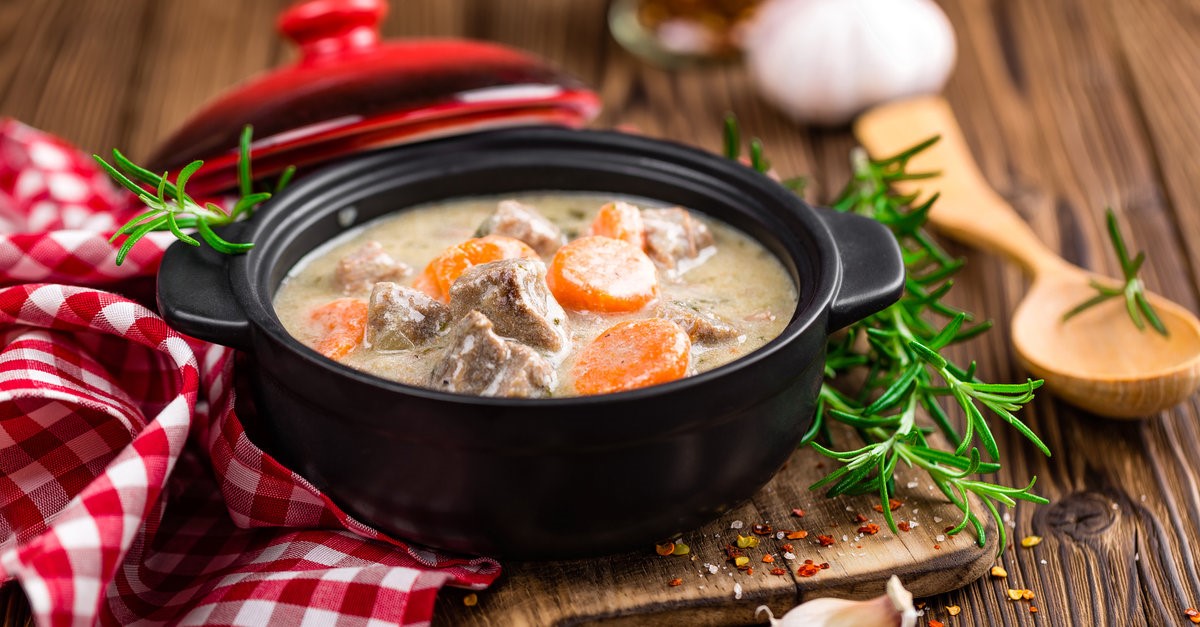







In the world of gastronomy, there is always room for novelty and special ingredients, such as muflon meat. This less frequently used meat is not only tasty, but also offers a number of aesthetic advantages that make it particularly attractive to professional chefs.
Why is it special?
The mouflon is a wild sheep type, meat has a deeper, richer flavour than traditional meat red meat. Due to the wild nature of the meat, mouflon meat is less fatty, but still juicy and tasty. Its preparation can therefore differ slightly from that of traditional meat. Because of its lower fat content, it is important not to dry it out during cooking.
Vital Benefits
- Its low fat content makes it a healthier choice, especially in the prevention of cardiovascular disease.
- High protein content is vital for muscle building and healthy body function.
- It is high in B vitamins, especially B12, as well as iron and zinc, which help to strengthen the immune system and increase energy levels.
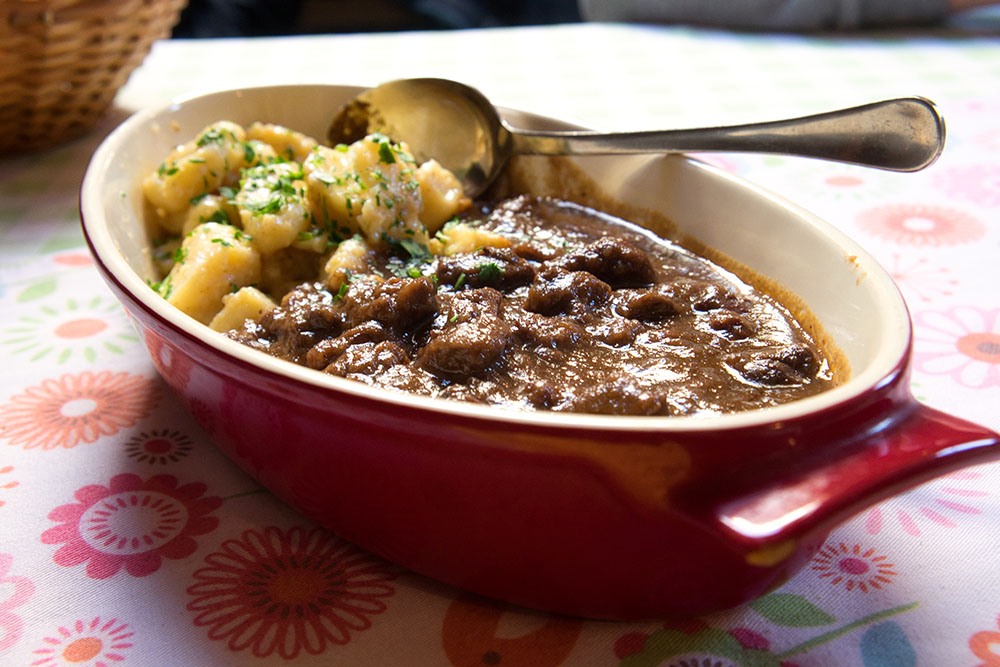
What to look out for and how to prepare it?
As it is a special ingredient, its preparation requires special knowledge and attention in the kitchen. In order to get the best out of this tasty yet rare meat, it is important to understand what cooking techniques are best.
Low Temperature Slow Cooking:
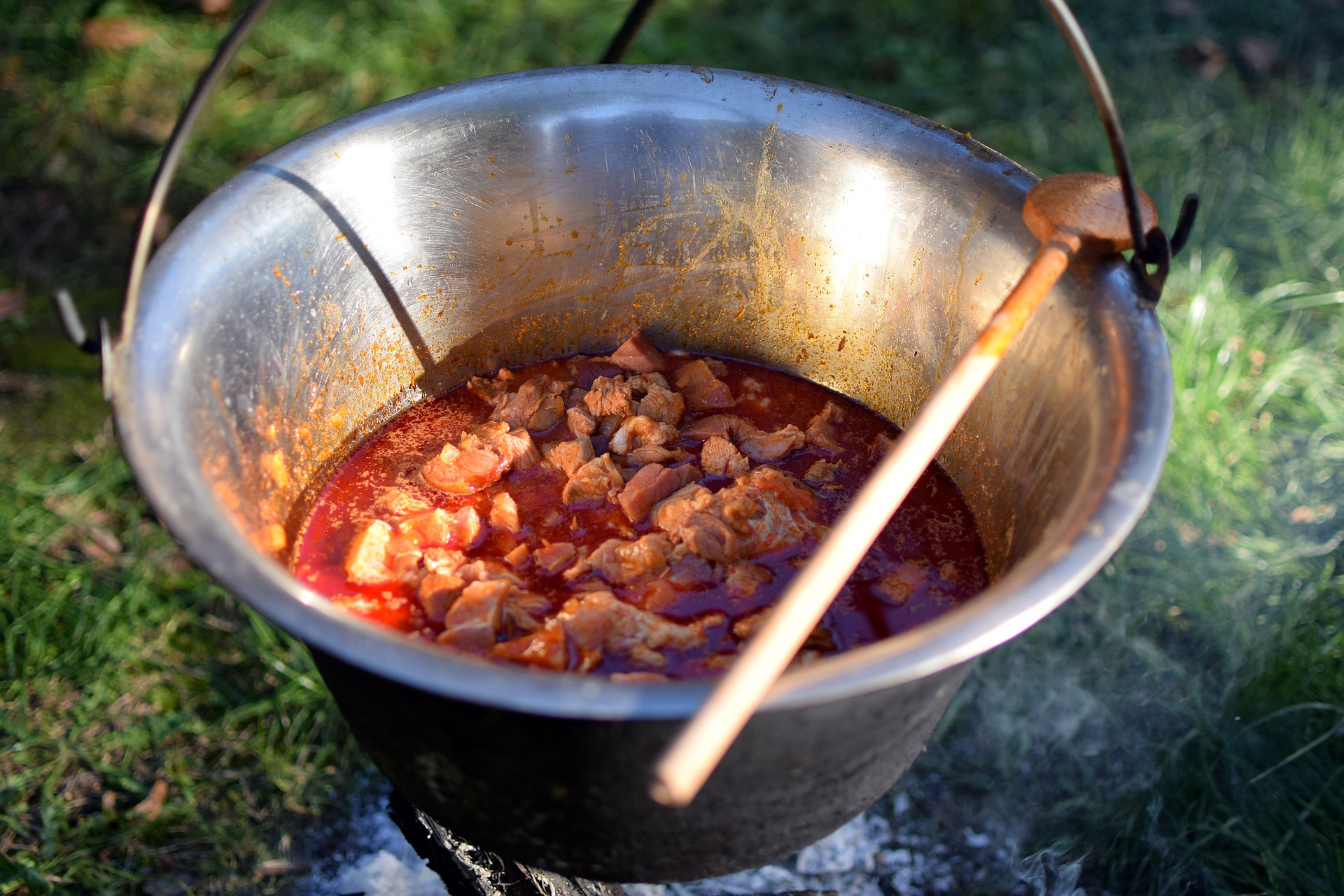
To preserve the juiciness of the muflon meat, slow braising at low temperature is an excellent choice. This method allows the meat to retain its moisture while the flavours are deeper and more concentrated.
Windsurfing
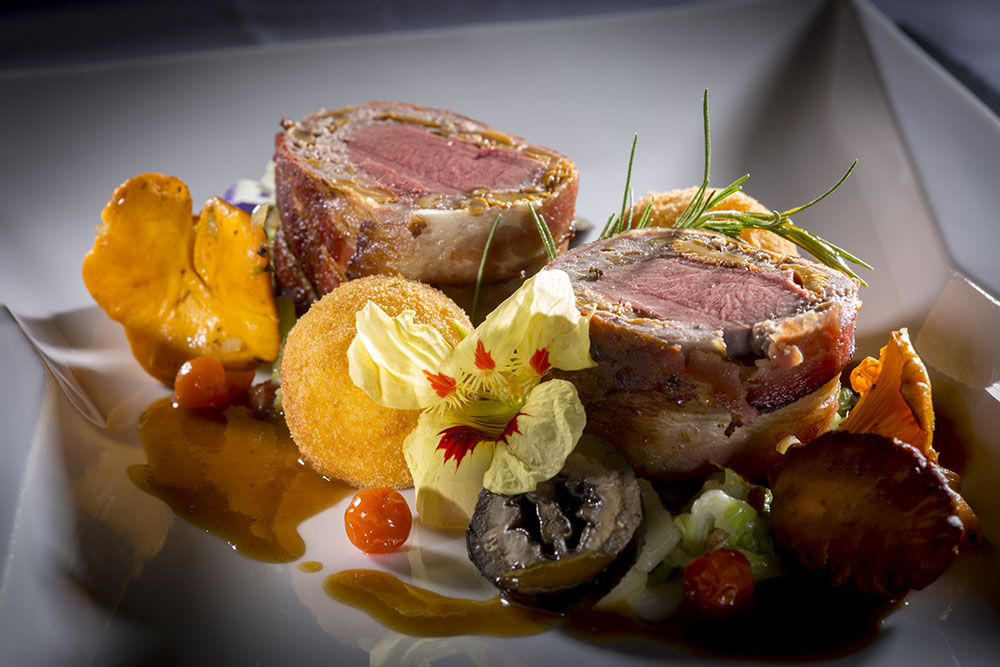
A sous-vide technology is ideal for cooking muflon meat, as the precise temperature control ensures that all parts of the meat are tenderised evenly and perfectly. This method preserves the flavour of the meat, texture and nutrient content.
Grilling or Cooking on Low Heat:
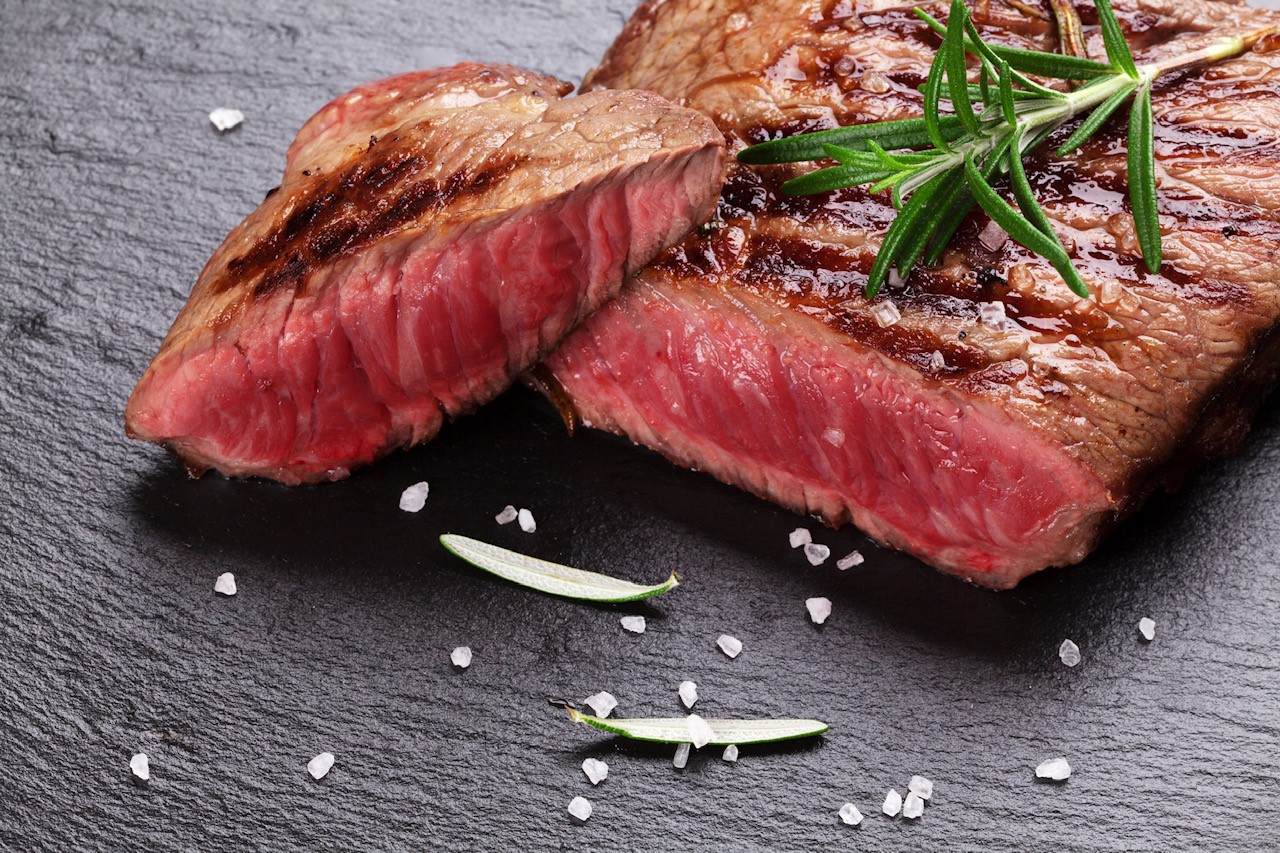
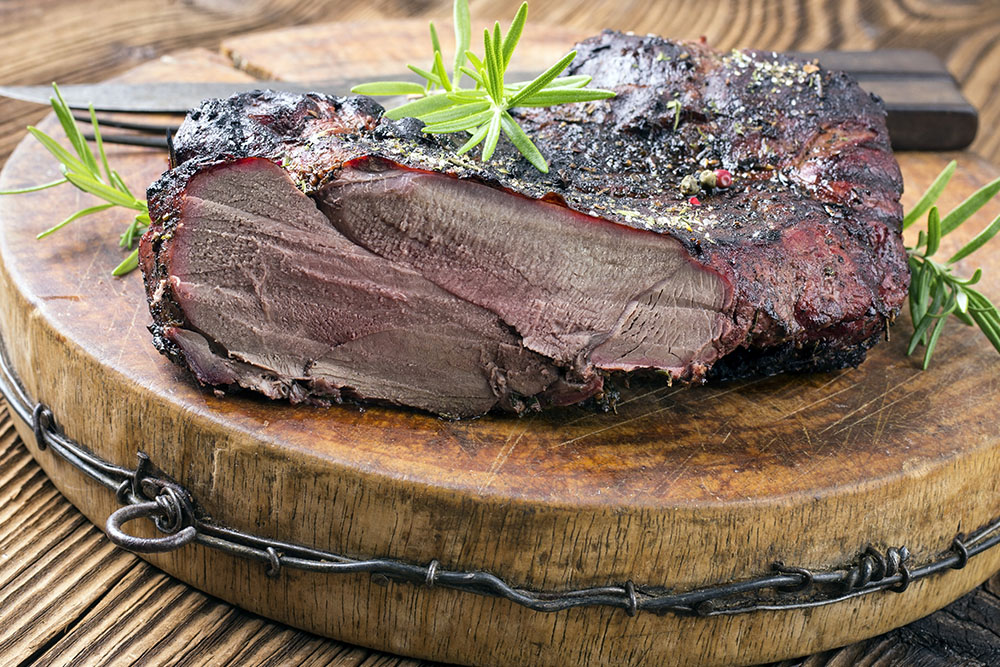
Grilling or baking muflon meat at low heat is also recommended. This allows the outer layer of the meat to crust without drying out the inside.
Kitchen technologies to avoid
High Heat Fast Cooking:
This meat can dry out quickly if cooked at too high a temperature, which can damage its flavour and texture, so it should be avoided.
Overly Intense Seasoning:
The flavour of mouflon meat is rich and special in itself, so over-seasoning should be avoided so as not to overpower the natural flavour of the raw material.
What to pay close attention to
Temperature Control:
Pay attention to precise temperature control, especially for slow cooking/steaming methods. The meat should not be overcooked or dry out.
Rest After Baking:
Leave the meat to rest for a few minutes after cooking so that the moisture is evenly distributed and the meat is really crumbly and juicy.
Preparation:
When preparing it, it's a good idea to remove excess fat and sinew to improve texture and flavour.