





The bubble tea craze has conquered not only the world of cafés, but also our kitchens, and tapioca has become one of the new stars of the culinary world. In this article, we take a closer look at this exciting ingredient, which is much more than just an ingredient in a trendy drink or a sweet treat.
What is tapioca?
The tapioca, made from cassava root starch, opens up new dimensions in cooking and baking. Cassava is a popular tuberous plant native to South America, but is also found in many other tropical climates such as Thailand and Nigeria. In a process called washing and flaking, the cassava root is grated and the starch is soaked in water for a few days. After further kneading, the starch mixture is filtered, sieved and dried to obtain the tapioca.
Although many people only know it for boba tea and pudding, this versatile ingredient is a real treasure in the kitchen. As chefs, we know that learning and using new ingredients is essential for creativity and redefining flavours.
How do we use it?
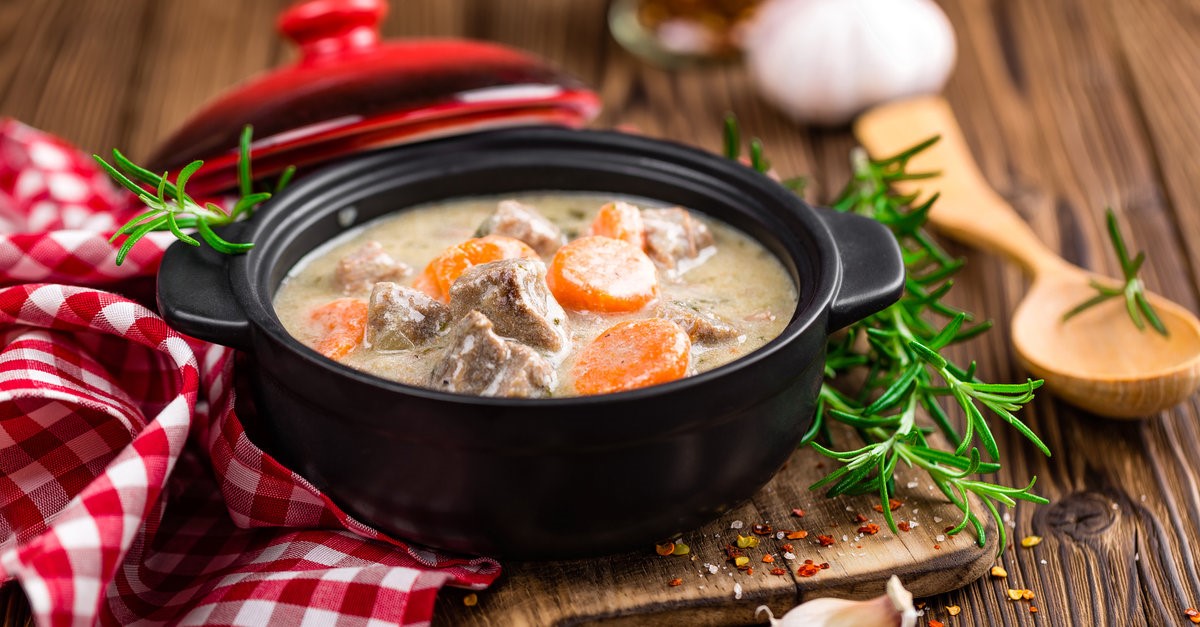
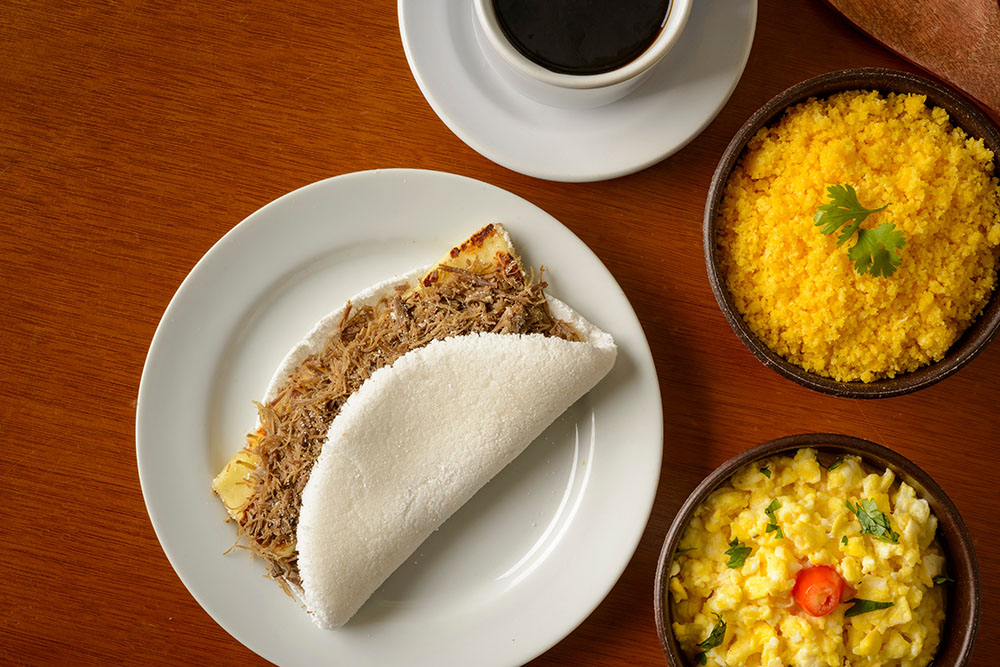
Tapioca has no flavour, which makes it extremely versatile and helps it blend seamlessly into the most complex recipes. Tapioca flour is an essential ingredient in the Brazilian cheese bread, Pão de Queijo, which has a famously chewy texture. Tapioca You can also use it to thicken soups, stews and sauces, to get the perfect texture. One of the best things about tapioca as a thickener is its ability to absorb liquid before it boils.
- As a thickener: Tapioca can be an ideal choice for thickening soups, sauces, stews and main courses. It dissolves easily and leaves no taste or colour change.
- For breading: Compared to flour, tapioca allows for a crispier and more golden brown crust, which can be particularly important for baked dishes such as fish and vegetables.
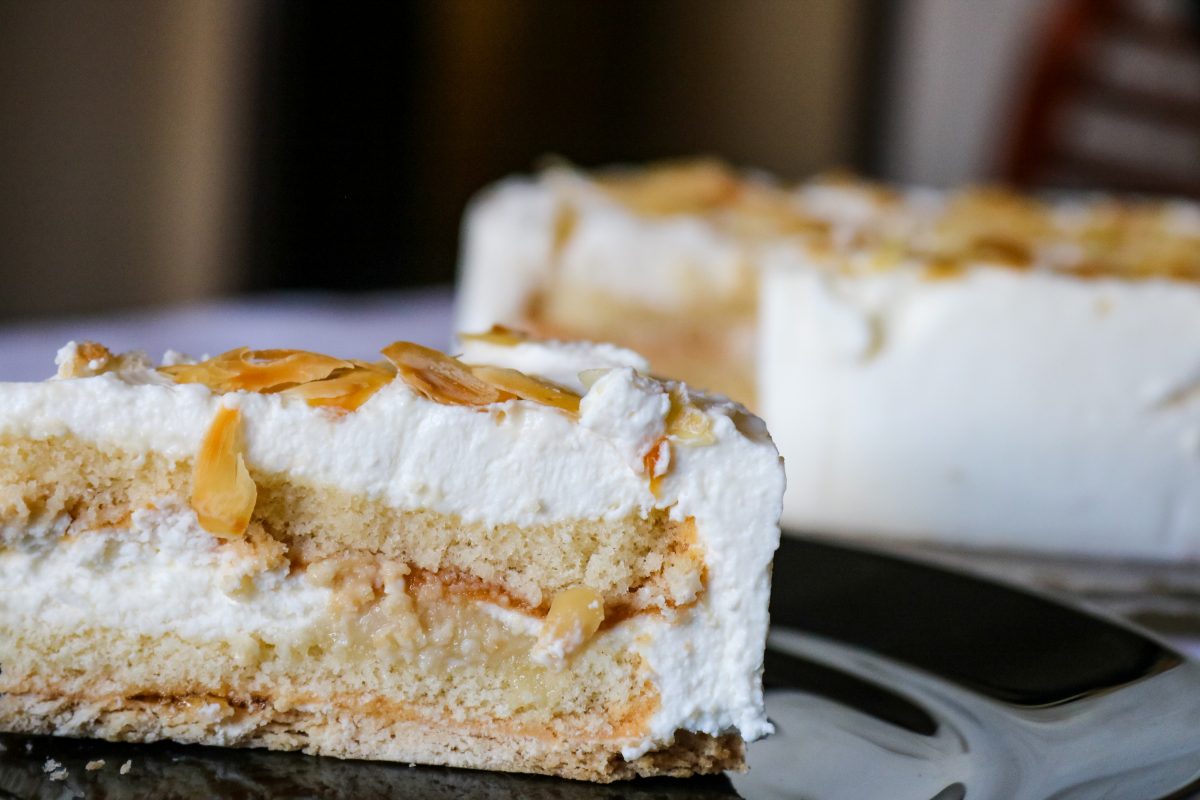
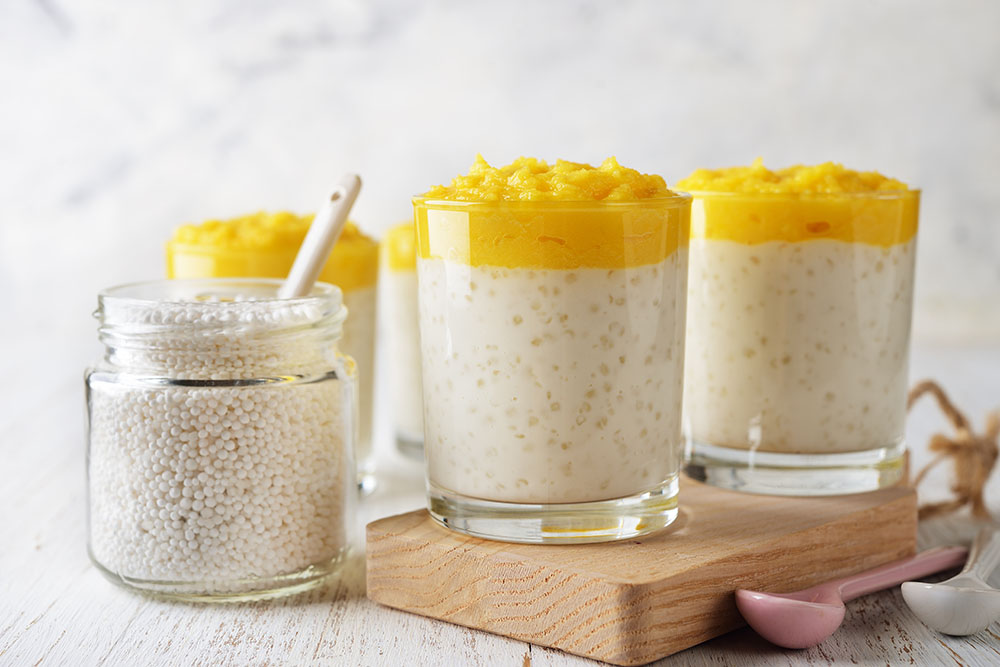
- In desserts: In addition to puddings and boba tea, tapioca is a great ingredient for cakes such as gluten-free cakes and cakes. It gives them a special texture and lightness.
- As a gluten-free alternative: For gluten-sensitive guests, tapioca is an excellent alternative, allowing them to prepare delicious gluten-free meals.
What to look out for
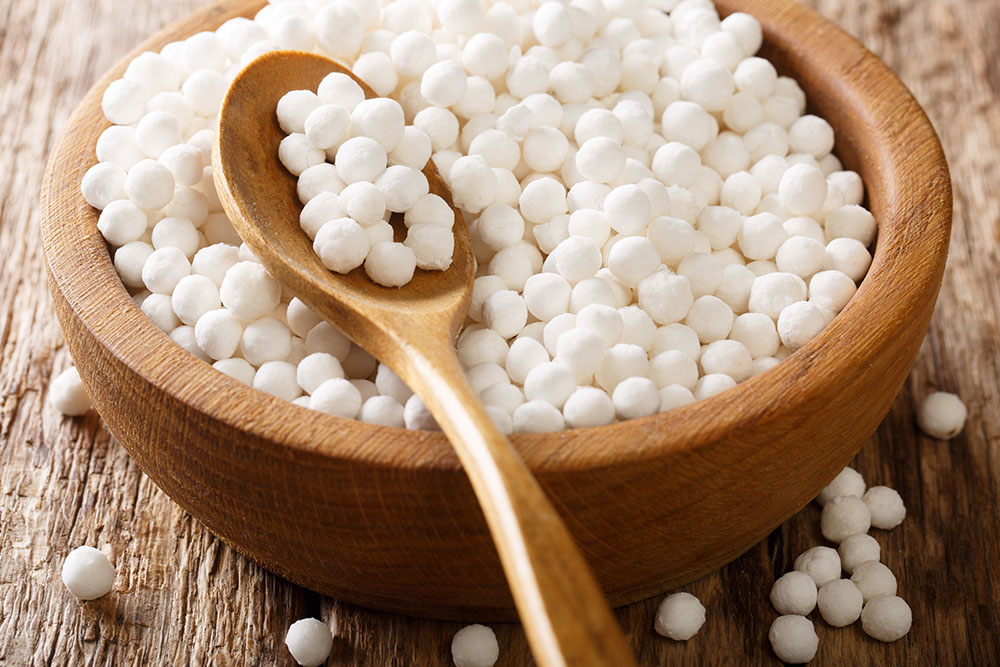
- Choosing the right variety: We need to be aware of the different forms of tapioca (e.g. pearls, flour, starch) and which is best suited for what purpose. For example, pearls are ideal for puddings and boba tea, while flour or starch are used for thickening and cakes.
- Preparation: Tapioca pearls often need to be soaked or cooked before they are used. Always read and follow the instructions on the packaging to ensure that the beads soften and swell properly.
- Dosing and thickening: When used as a thickener, be careful with the dosage. Tapioca has a strong thickening effect, so it is easy to overdo it. Start with a small amount and increase as needed.
- Cooking time: It swells and thickens food quickly, but can become sticky and too thick if overcooked.
- Transparency and texture: Tapioca gives a characteristic transparent, gel-like texture that distinguishes it from other thickening agents. This can be particularly important in dishes where transparency is visually important, such as pie fillings and soups.
- Gluten-free alternative: As the tapioca is gluten-free, it is a great choice for gluten-sensitive guests. Always check that other ingredients are gluten-free.
- Storage: Store tapioca flour and pearls in a cool, dry place to preserve their freshness and avoid crushing or moulding.
- Flavour: Since tapioca is tasteless on its own, it is important to flavour your food properly. Experiment with flavourings, fruits or other ingredients to achieve the desired taste.
By following these tips, using tapioca is not only easy, but also allows you to make creative and delicious dishes in the kitchen.