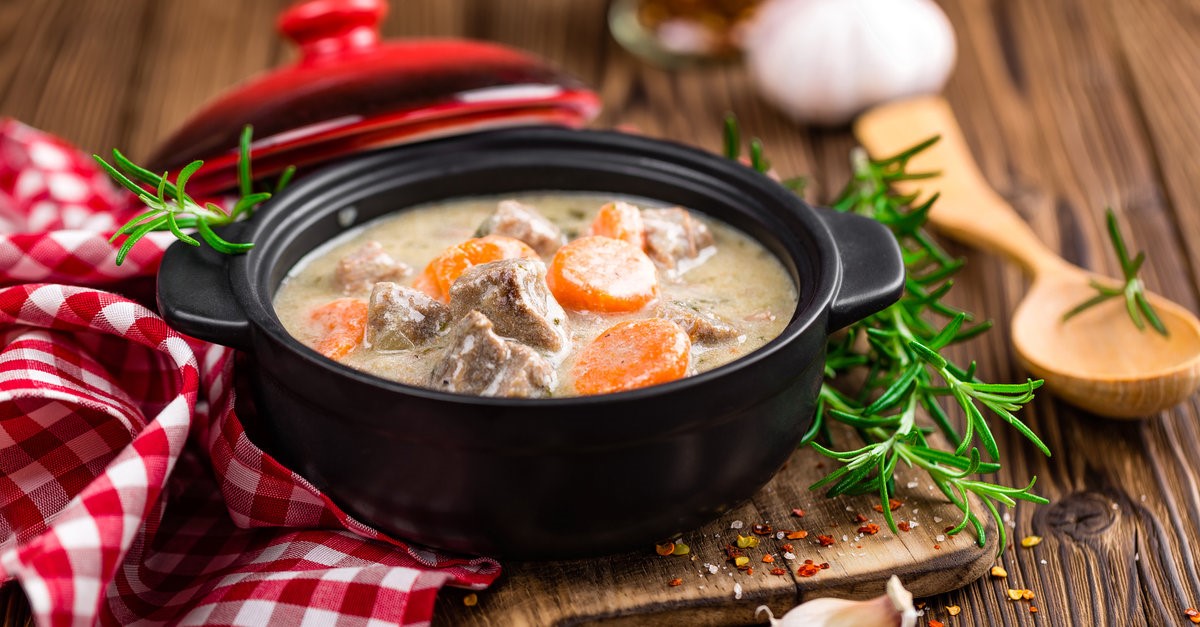







Designing and executing an Easter menu is an exciting challenge for any professional chef. The festive table is not only a place of flavours and textures, but also a place of creativity and innovation, where tradition meets modernity, bringing together centuries-old recipes with today's gastronomic trends. And with the following points in mind, success is guaranteed!
The key word is harmony
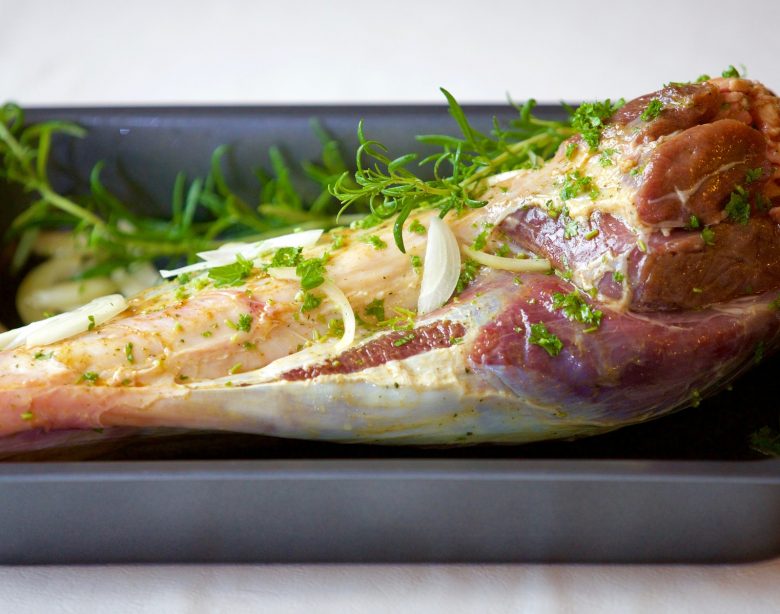
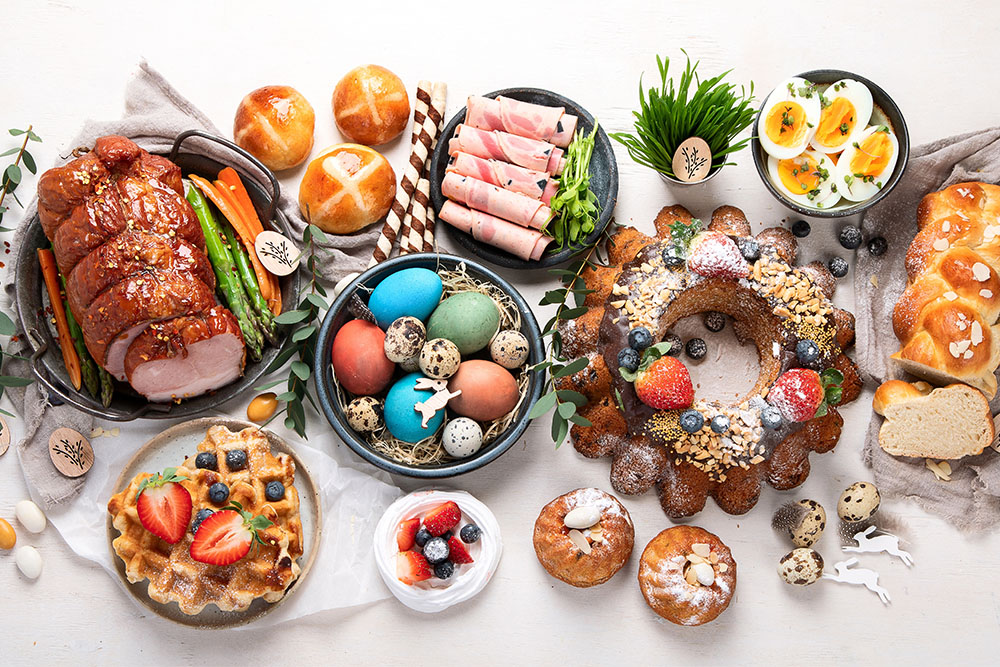
When planning the Easter menu, the aim is balance and diversity. It is important to take into account different flavour profiles, textures and nutritional values. Traditional Easter dishes such as ham, a lamb or the Eggs, with a modern twist can be given new life. Rethink the order of the dishes so that starters are light and refreshing, main courses are rich and satisfying, and the desserts and they are sweet, but not too heavy. Last but not least, you also need to take into account the preparation and cooking time to ensure that each dish is freshly prepared.
Use of seasonal raw materials
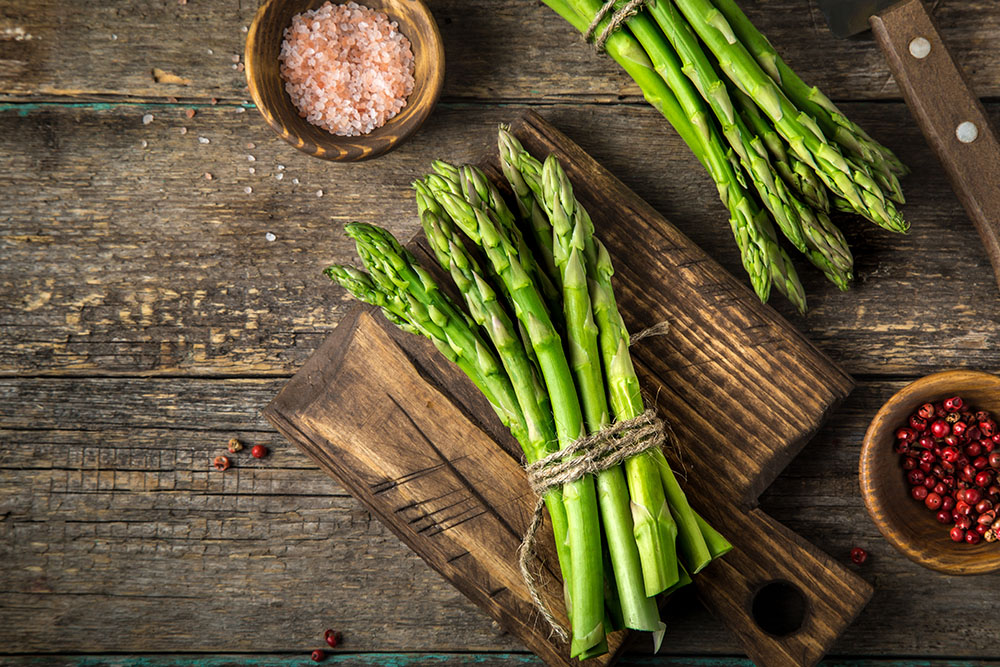
Easter is a celebration of renewal, so it's the perfect time to incorporate the fresh ingredients of the spring season. Fresh asparagus, peas, radishes and fresh herbs can all contribute to the freshness and richness of flavours. Visit your local markets for inspiration and choose from seasonal ingredients to ensure your Easter menu reflects nature's awakening.
Time management in the kitchen
Planning ahead for Easter is key. Well-chosen starters, such as cold dishes or soups that can be prepared in advance, can make the job easier. It is important to have a clear plan for cooking and baking times, and which dishes can be prepared in advance. Visit time-efficient techniques such as sous-vide, or pre-cooked cold dishes can help you optimise your kitchen work.

Experience at the table
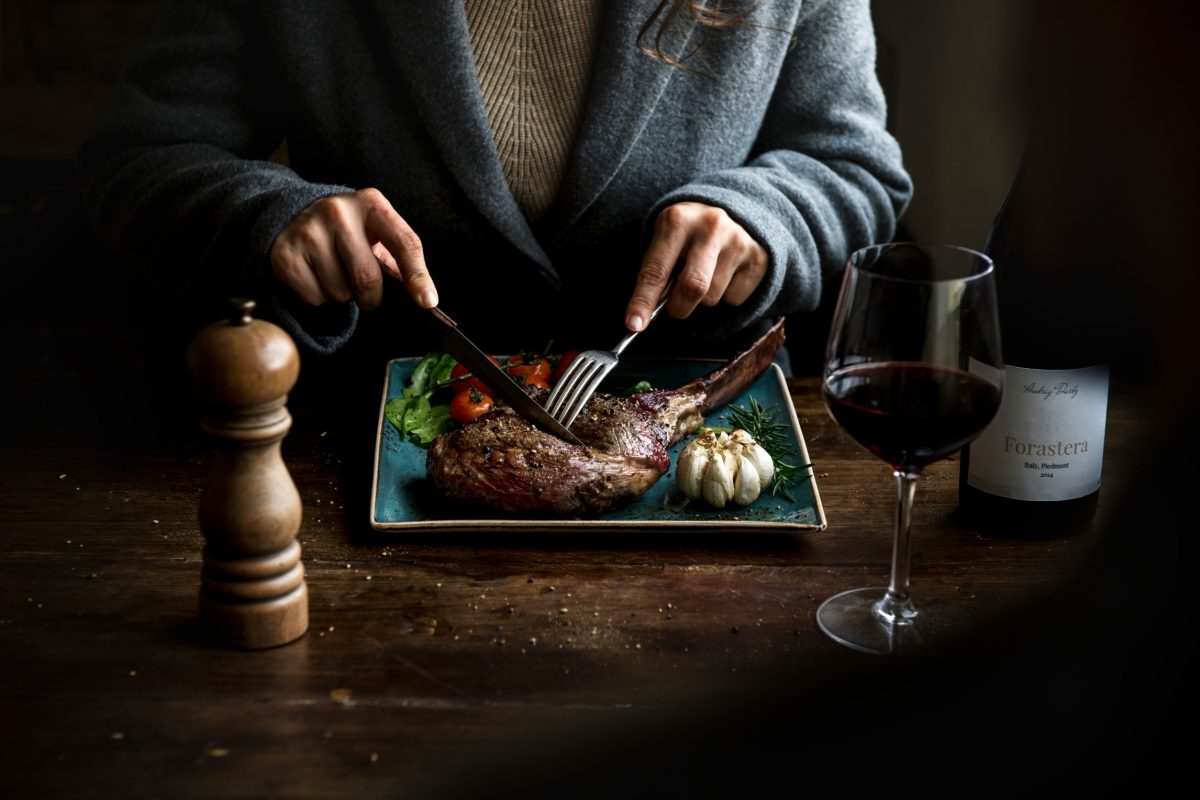
The serving and table decorations are an important part of creating a festive atmosphere. It is worth using natural materials such as fresh spring flowers and rustic wooden elements. When serving the food, make sure you use a harmony of colours, shapes and textures, just as you would when creating the dishes. Creative serving techniques, such as food compositions or innovative plate service, can add to the enjoyment of a meal. visual experience.

Guest needs and food preferences
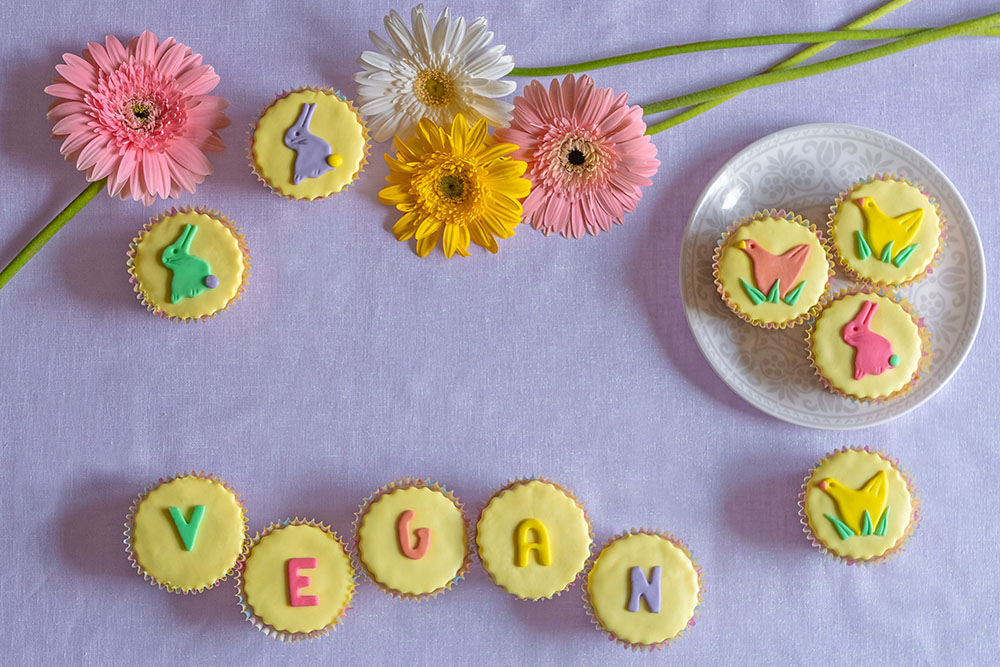
Today's guests are increasingly conscious of their food preferences and allergies regarding. It is important that the menu should be vegetarian, vegon, and gluten-free options even if at first glance they seem to go against the classic Easter dishes. When planning the menu, it is worth taking these into account and offering creative alternatives so that all guests leave with an equally good experience.
Special dishes and innovations
Easter is a great opportunity to showcase our culinary creativity. Try new techniques like smoking or fermenting to add new dimensions to flavours. Experiment with bold flavour combinations and don't be afraid to bring innovation to traditional dishes. This can make your Easter menu not only delicious, but memorable and exciting for your guests.