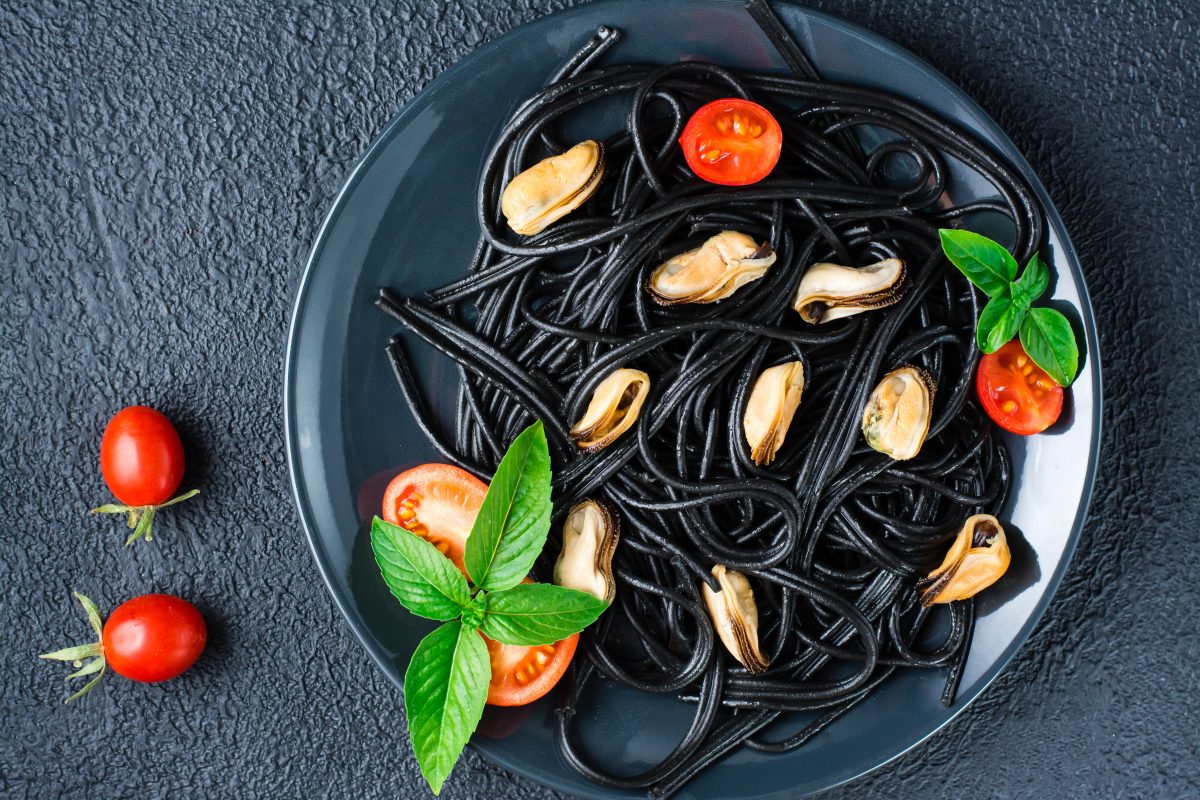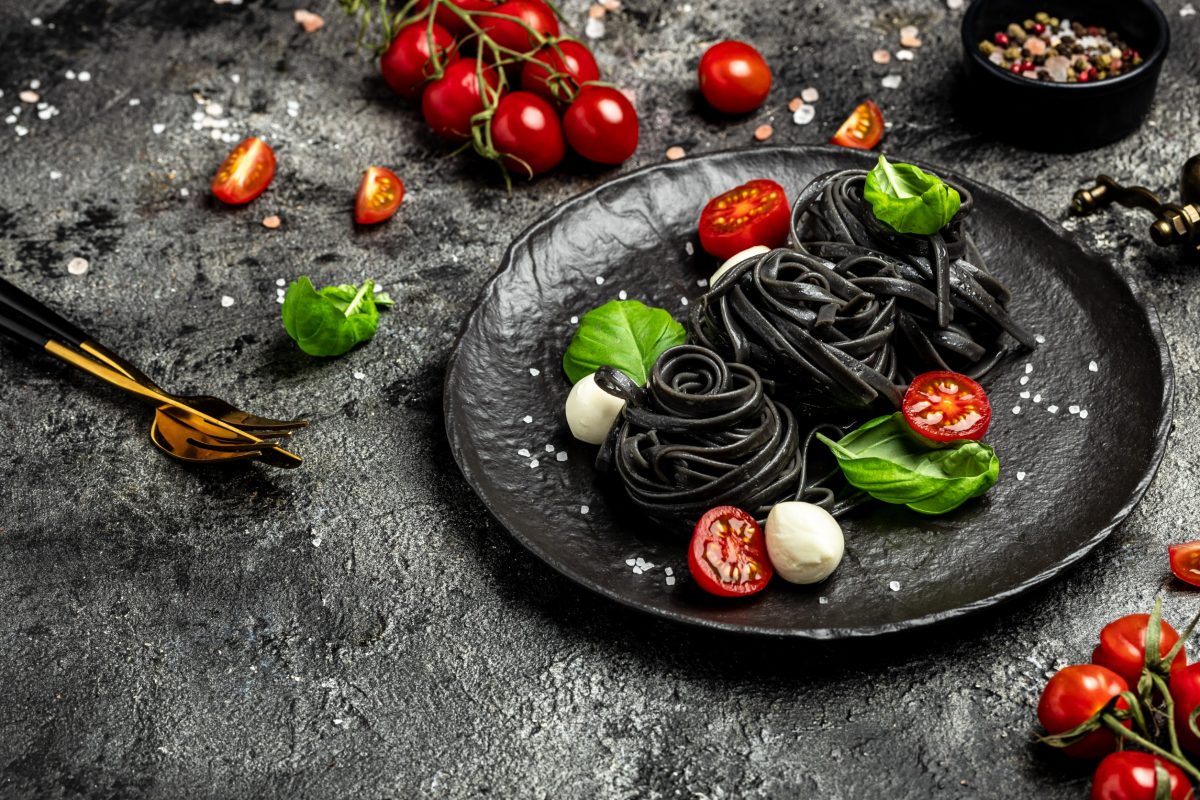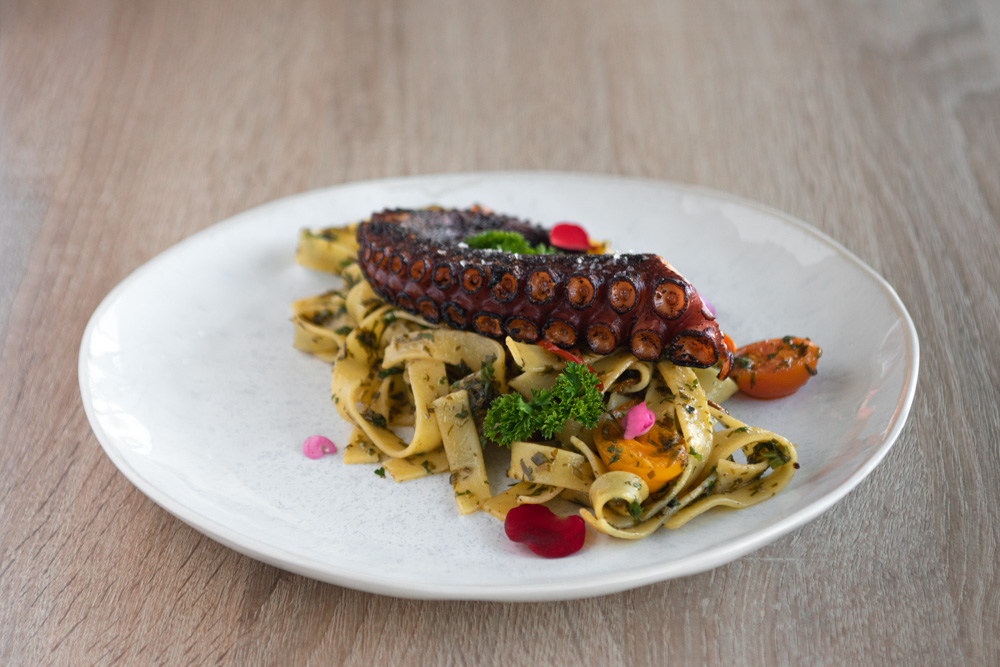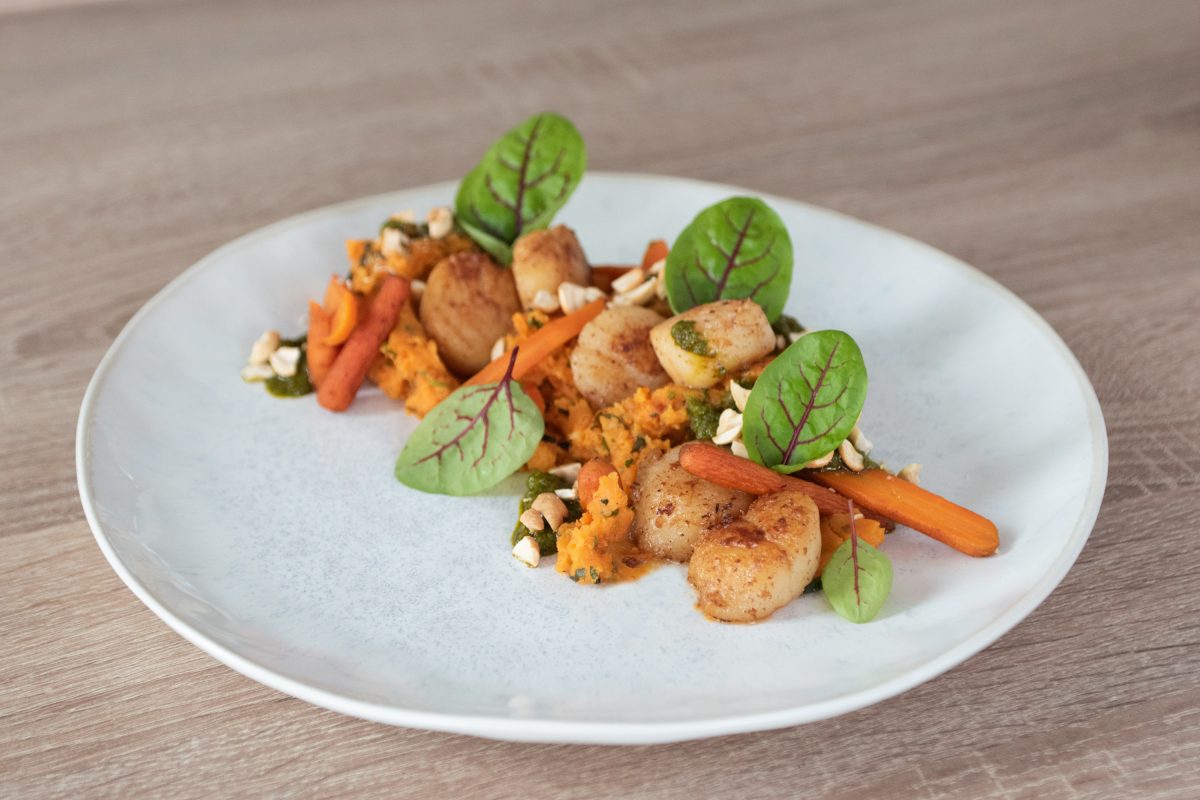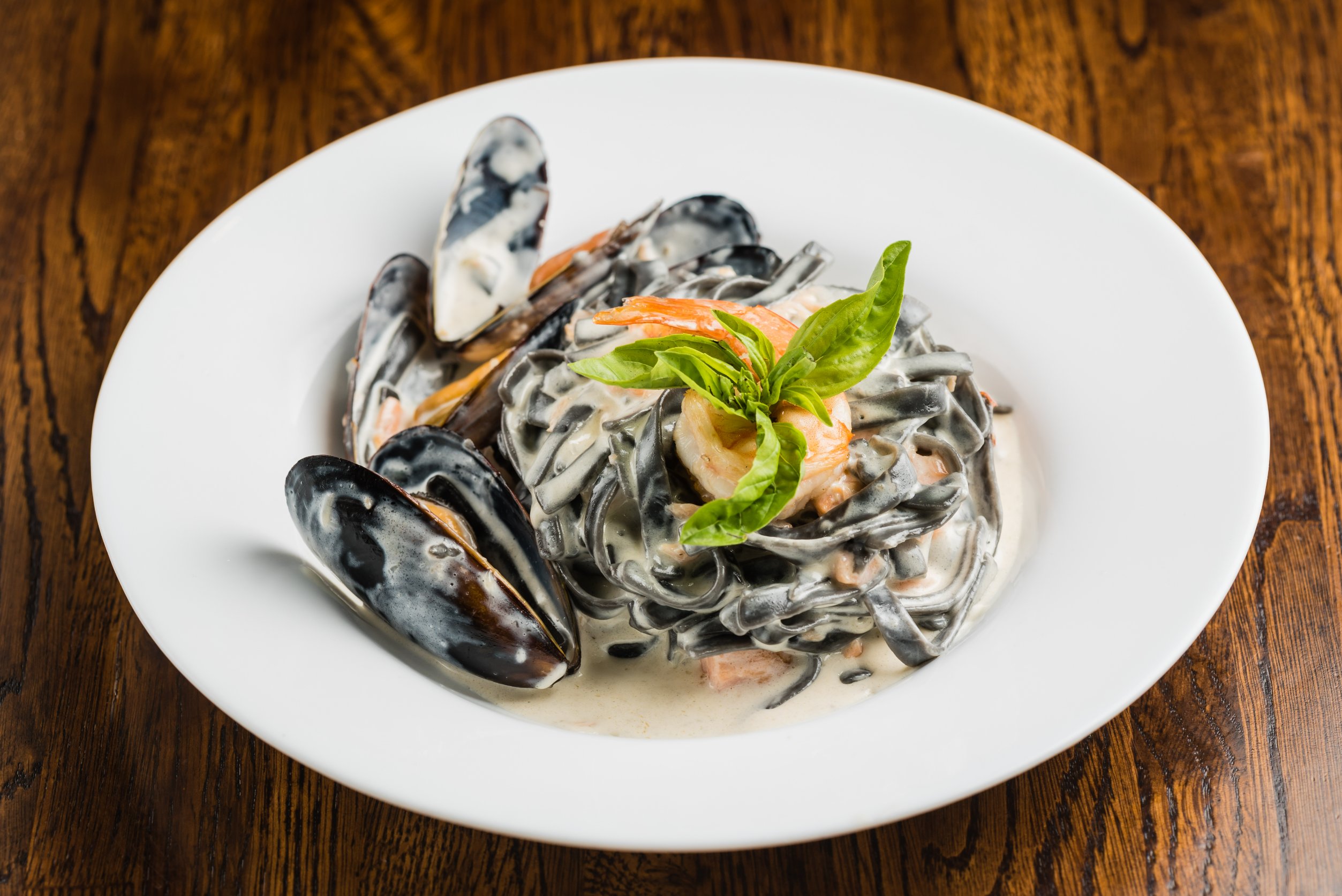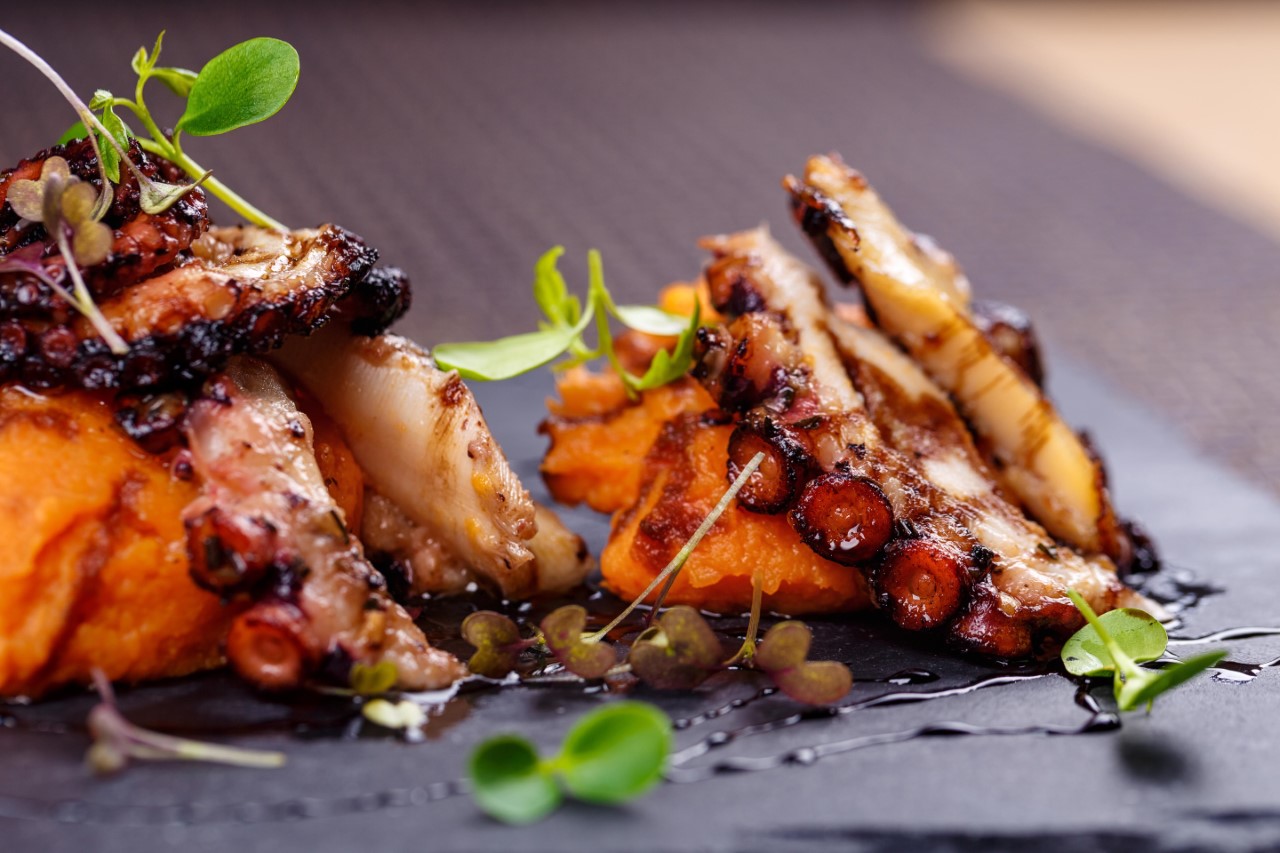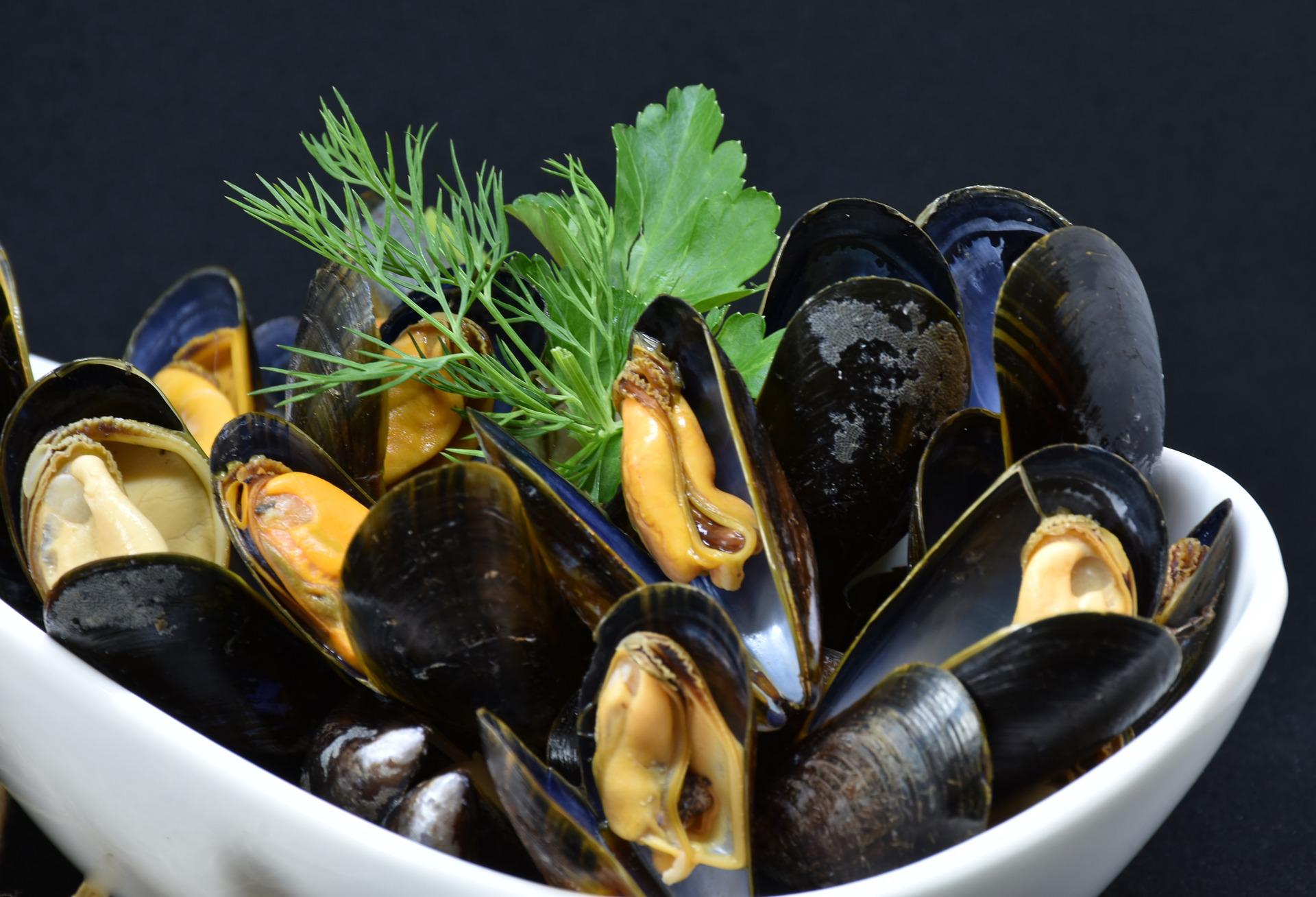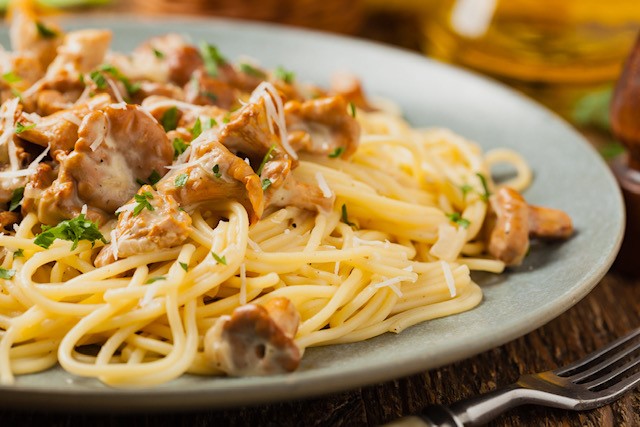







The world of gastronomy is constantly changing, with new flavours, techniques and ingredients. As one of the most ancient elements of the culinary arts, seafood is once again in the spotlight. Their modern versatility, richness of flavour and nutritional value make them particularly attractive to modern gastronomy.
Classics reinterpreted
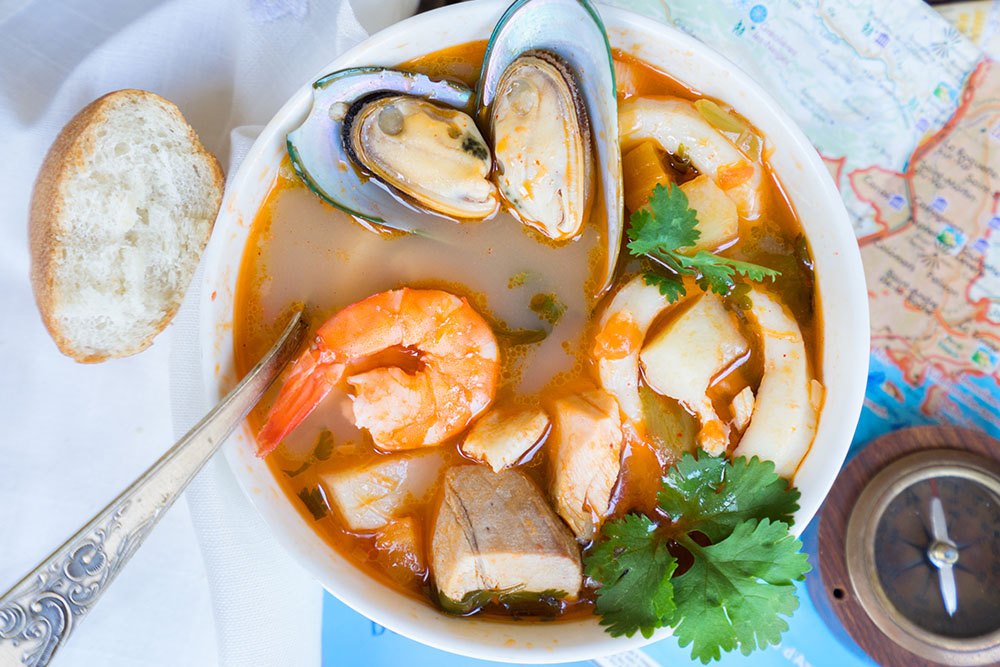
The reinterpretation of seafood in classic dishes is a major trend. Chefs are using modern techniques and creative flavours to give traditional recipes an update. For example, a simple clam chowder can breathe new life into innovative with seasoning or modern serving methods that make the food visually stunning. A traditional French bouillabaisse (fish juice) can be reimagined by experimenting with saffron coconut milk and lemongrass to Asian flavours be included. The result is a unique fusion that breathes new life into a classic dish.
Sustainability remains a strong gastronomic trend
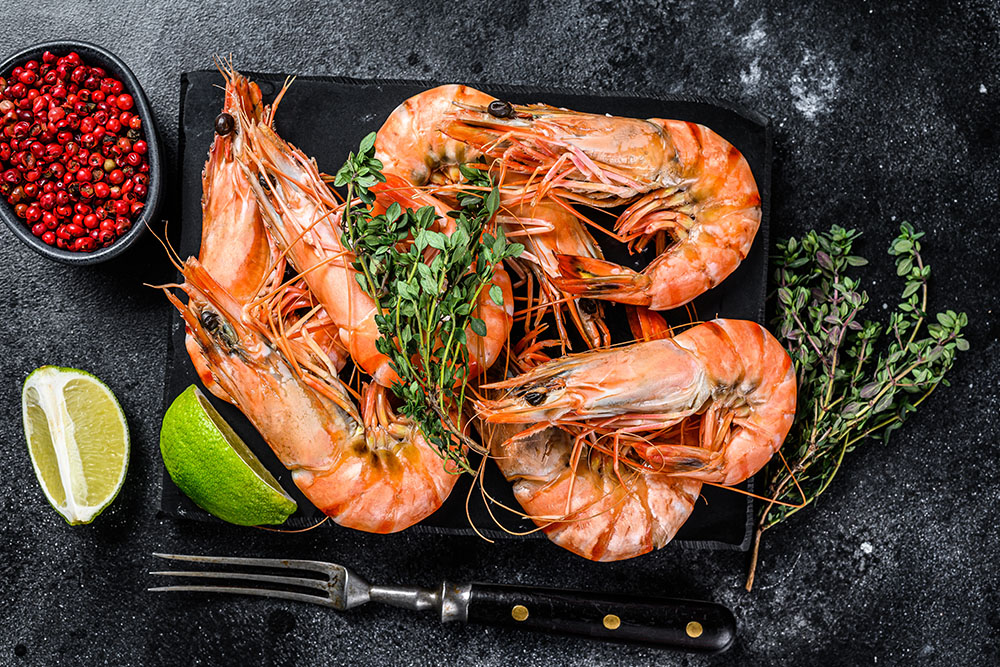
A sustainability and ethical sourcingThe growing awareness of the need for seafood also determines the use of seafood. Both chefs and consumers prefer products that are produced in an environmentally responsible way. This encourages online shops to offer products from sustainable sources that are not only delicious but also a responsible choice for the planet. There are already several restaurants that exclusively serve MSC (Marine Stewardship Council) certified sustainable shrimp. This not only helps to protect marine ecosystems, but also communicates the restaurant's commitment to the environment to its guests.
Innovation in serving and experience
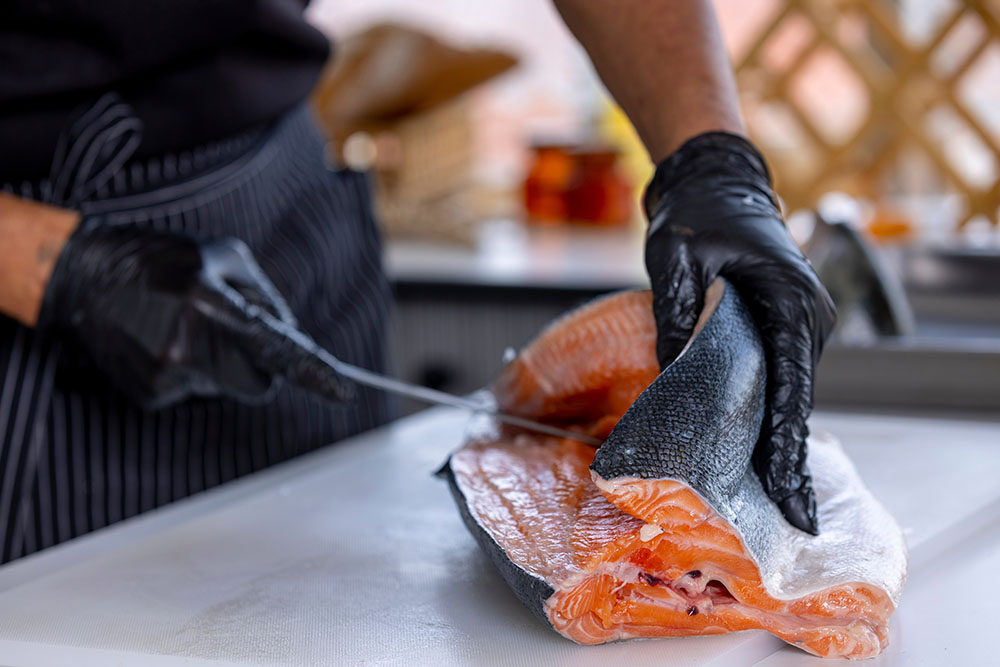
Experimenting with seafood doesn't stop at flavours; modern gastronomy also puts a strong emphasis on the presentation of the food and the dining experience. Interactive serving methods, such as live seafood demonstrations or tableside (at the table), they take hospitality to a new level, allowing guests to be part of the food preparation process.
Combining international flavours
Globalisation and cross-cultural interaction allow chefs to combine seafood with flavours from around the world. Seafood dishes inspired by Asian, Latin American, African and other culinary traditions enrich modern menus. In doing so, they show consumers the many ways in which these ingredients can be enjoyed. A Japanese-inspired ceviche, where fish marinated in traditional Latin American lemon juice is combined with wasabi, soy sauce and yuzu citrus. This creates a unique flavour composition that combines the gastronomy of both cultures. One example is a Japanese-inspired ceviche, where traditional Latin American fish marinated in lemon juice is combined with wasabi, soy sauce and yuzu citrus to create a unique flavour composition that combines the gastronomy of both cultures.