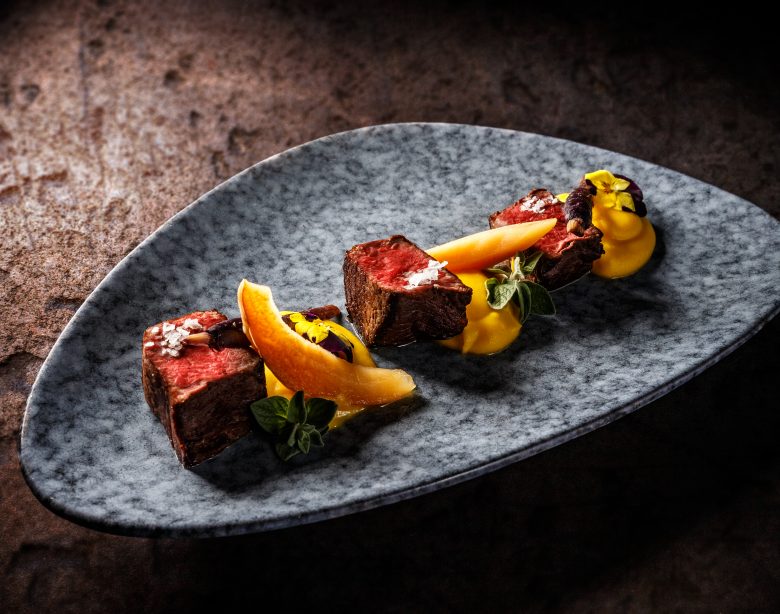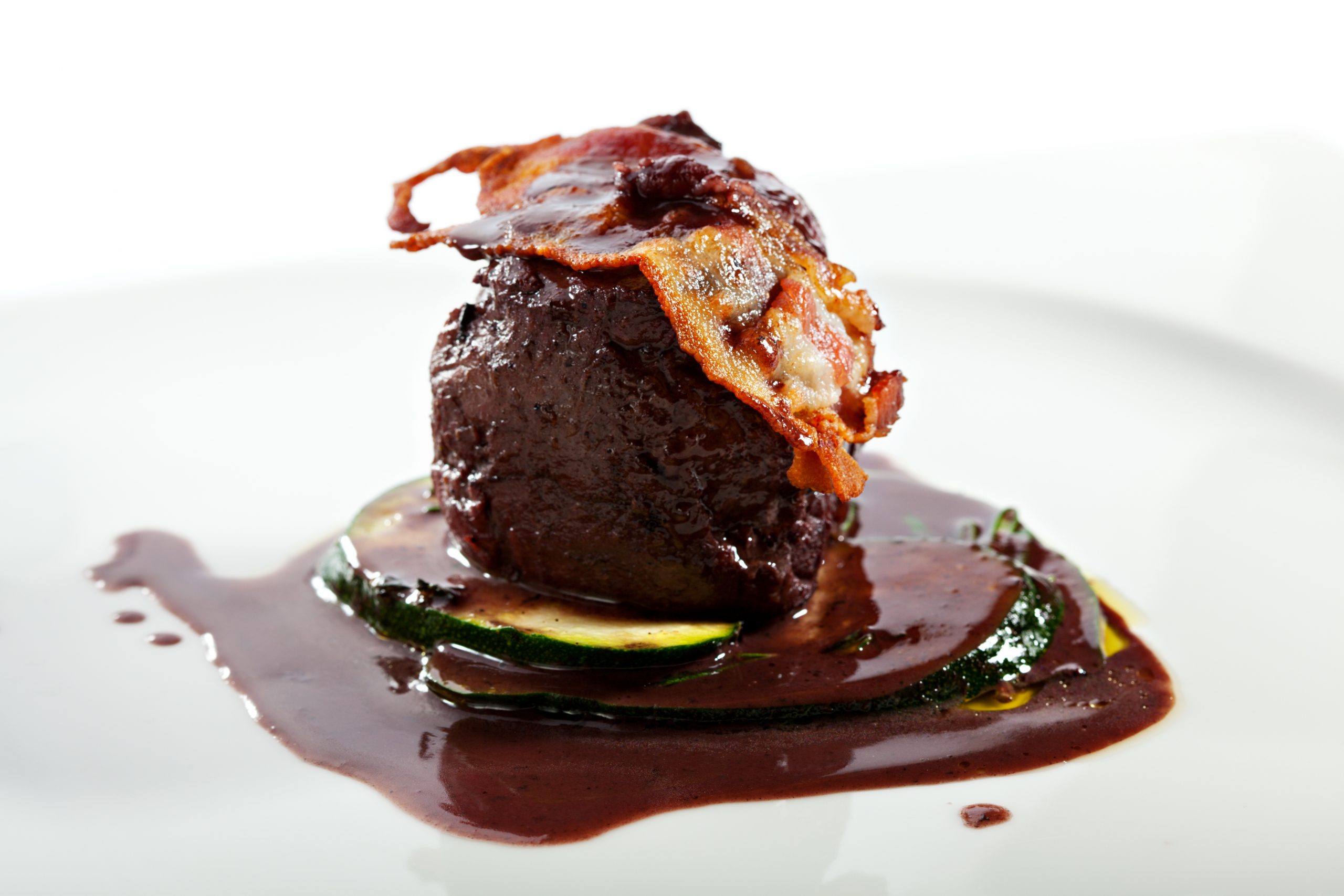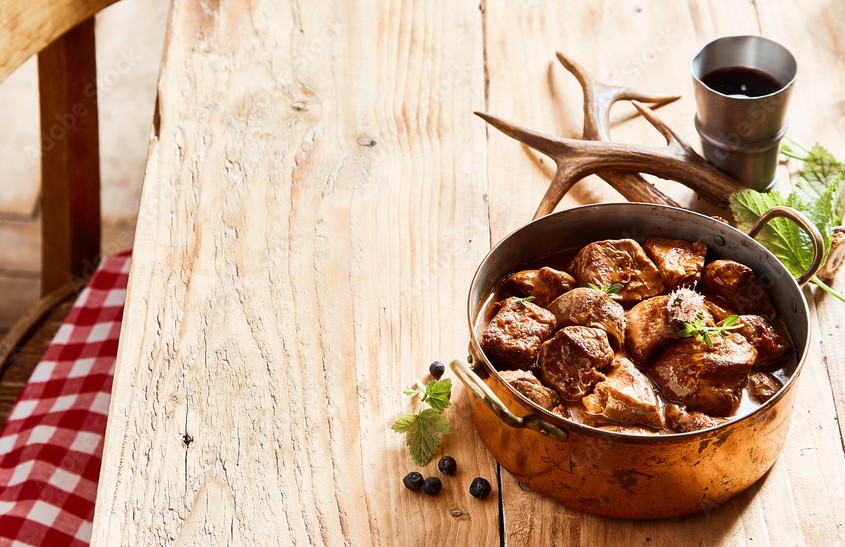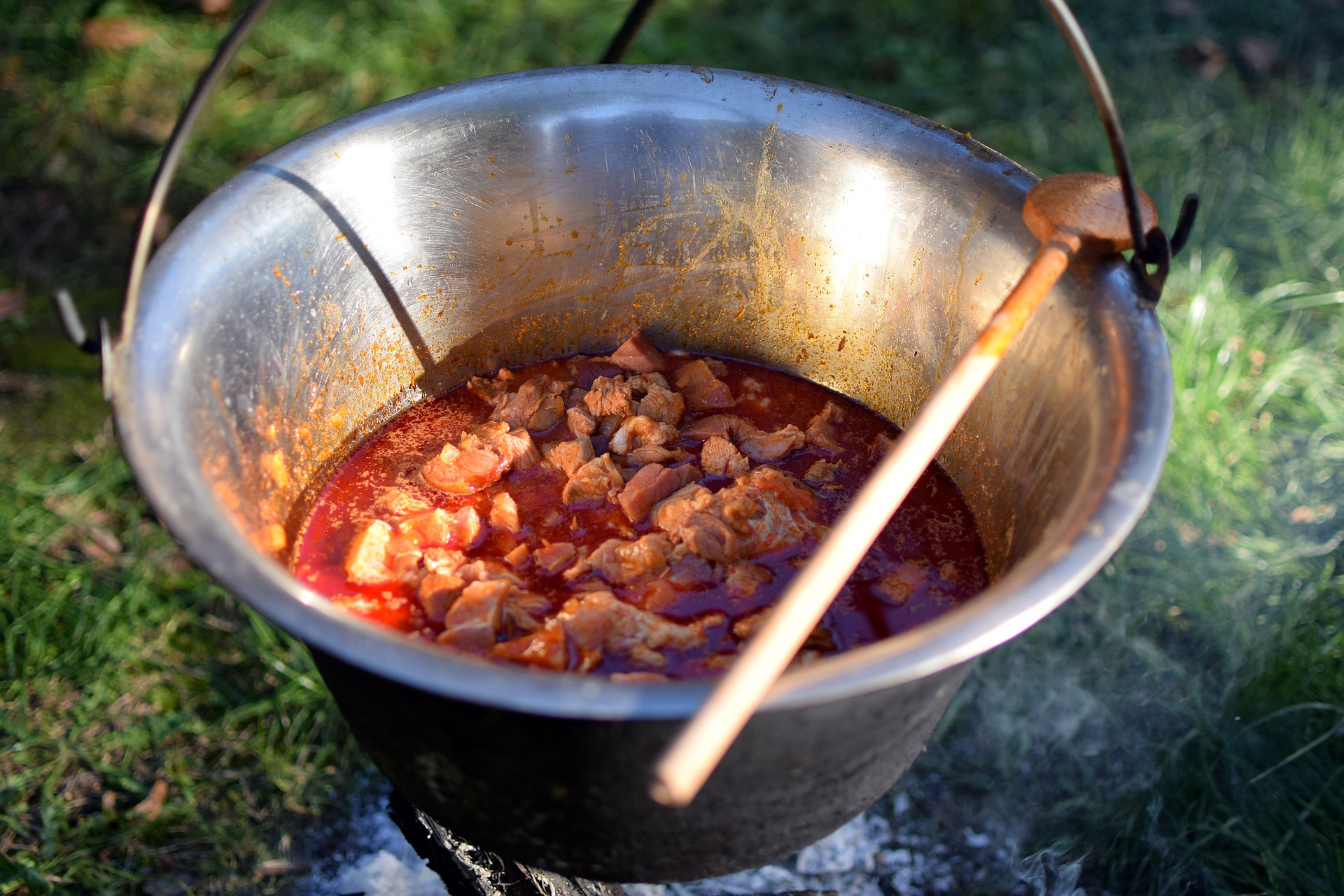







Venison from wild animals has a special place in the culinary world. Since ancient times, hunting and eating deer meat has played an important role in people's lives, providing food for survival and being at the heart of community celebrations. Today, the preparation and consumption of venison is a way to connect with the traditions of the past, while also experimenting with new and innovative cooking methods and flavour combinations.
Sous-vide Cooking: Precision and Taste
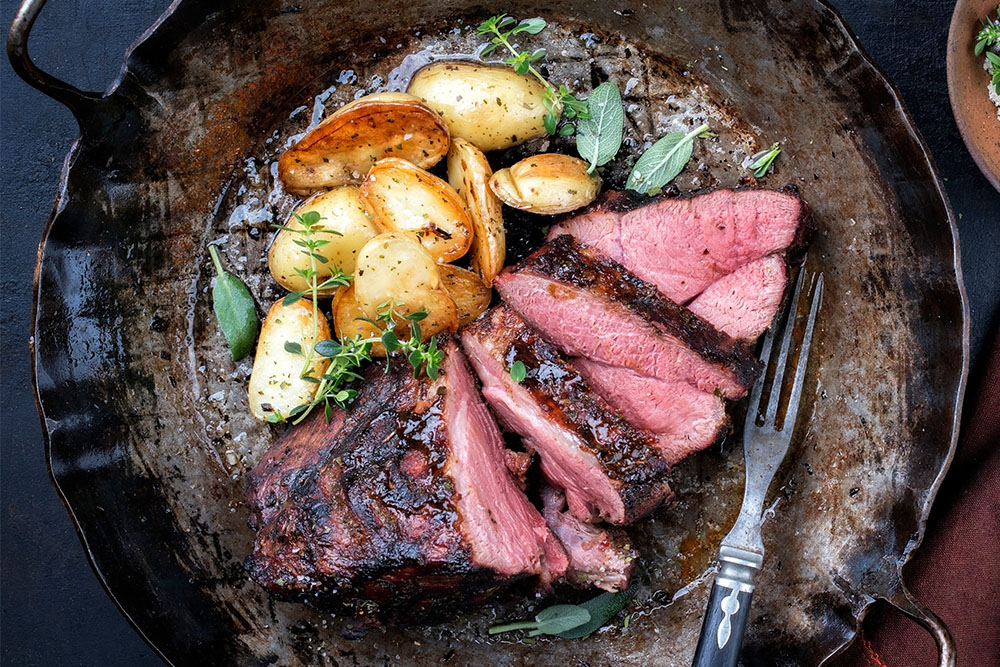
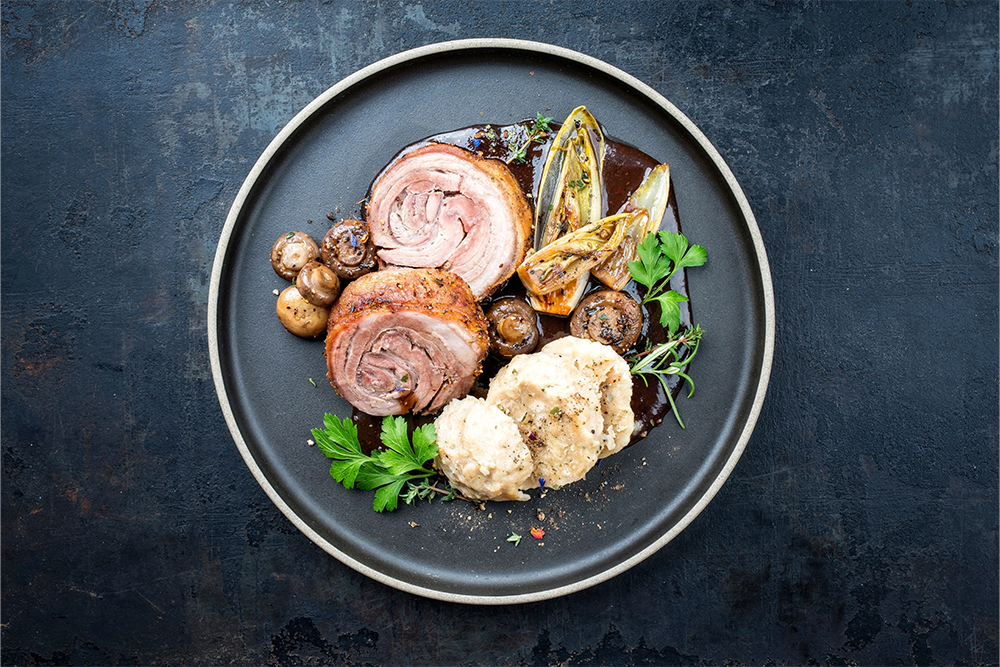
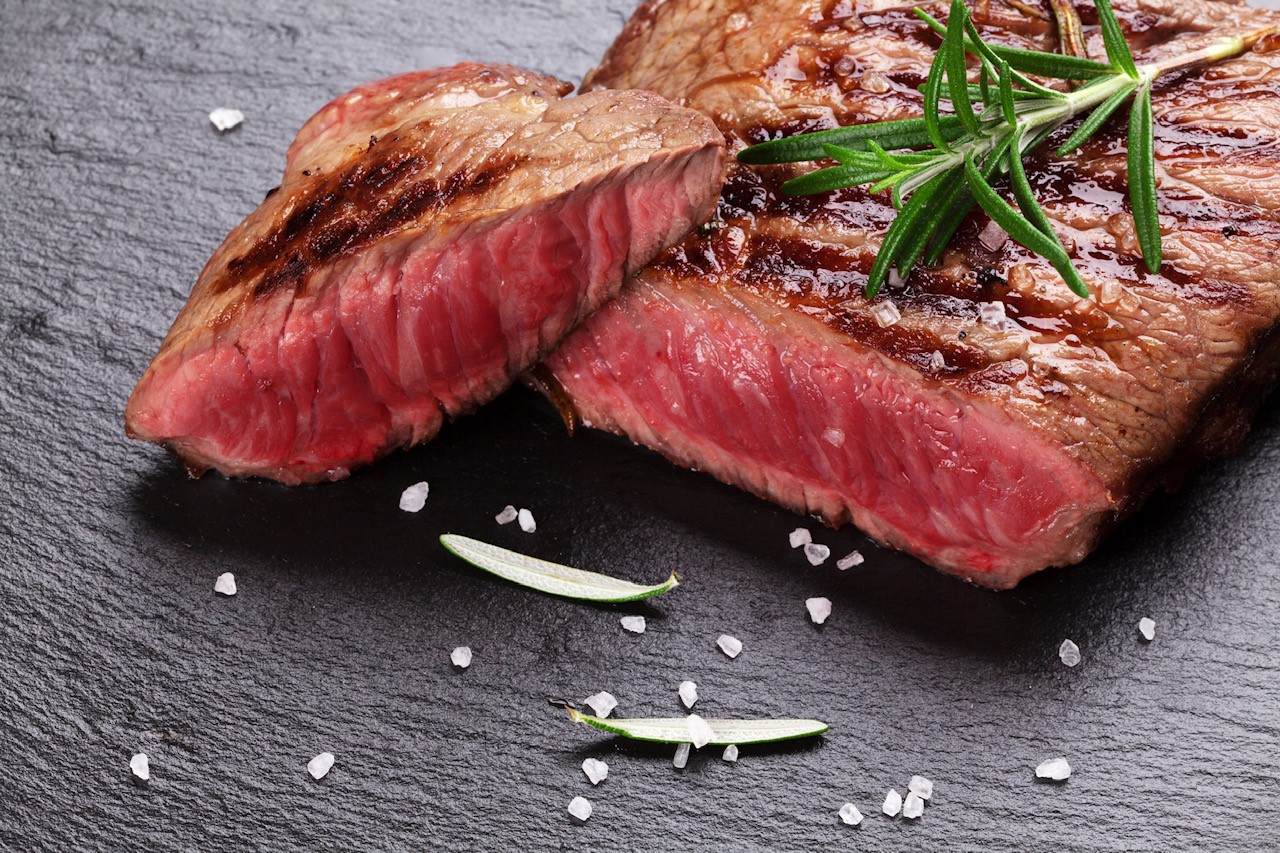
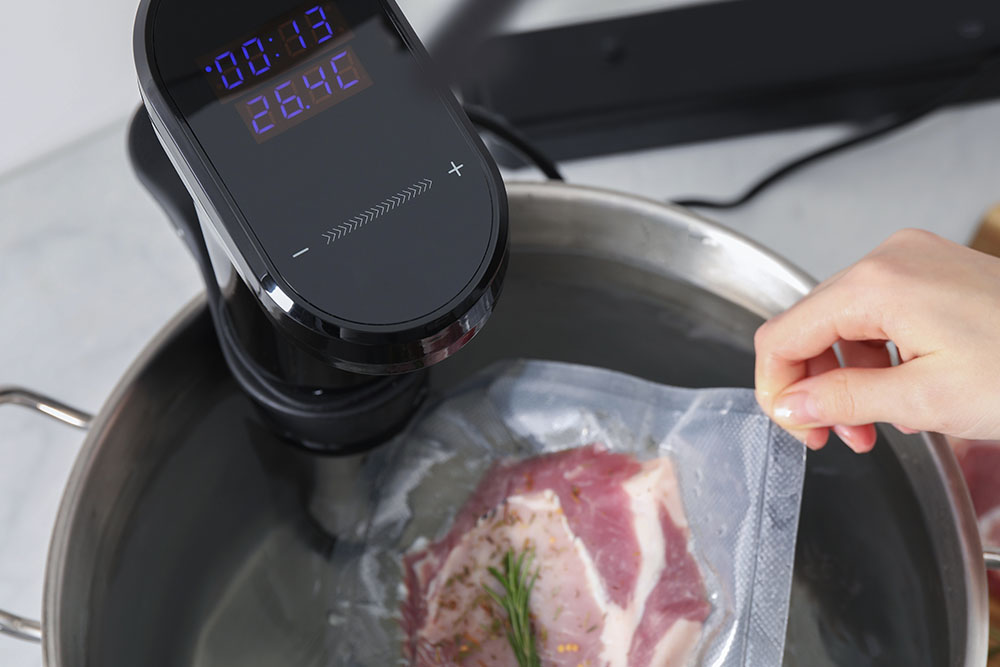
One featured technique the sous-vide, which allows chefs to control the temperature precisely so that the venison is cooked to perfection every time. When cooking venison sous-vide, the temperature of the water bath is usually set between 55°C and 65°C, depending on the texture you want to achieve (medium rare to medium rare). Cooking time can vary depending on the thickness of the meat and the desired texture, usually from a few hours to 24 hours. It's important to follow it exactly a recipe or the recommended time to cook the meat to perfection. After the meat is done cooking sous-vide, a quick, high-temperature bake or grill on the outside is often recommended to develop a crispy, caramelized layer that counteracts the meat's interior crumbly texture. After removing the meat from the pouch, a short rest is recommended to allow the flavours to blend. Then the meat slice and serve.
Low Temperature Slow Roasting: depth and flavours
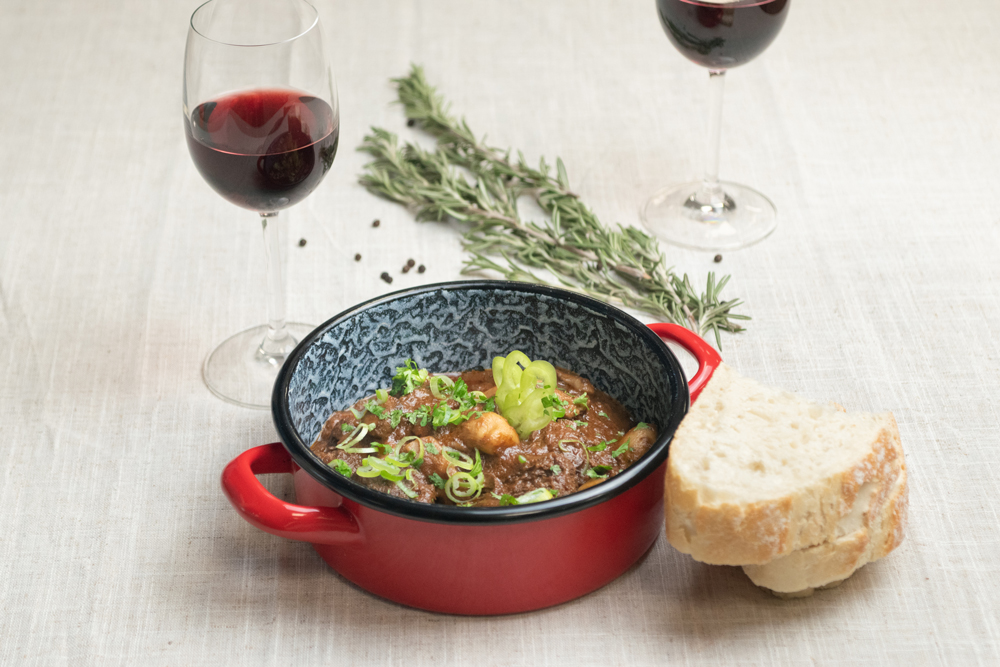
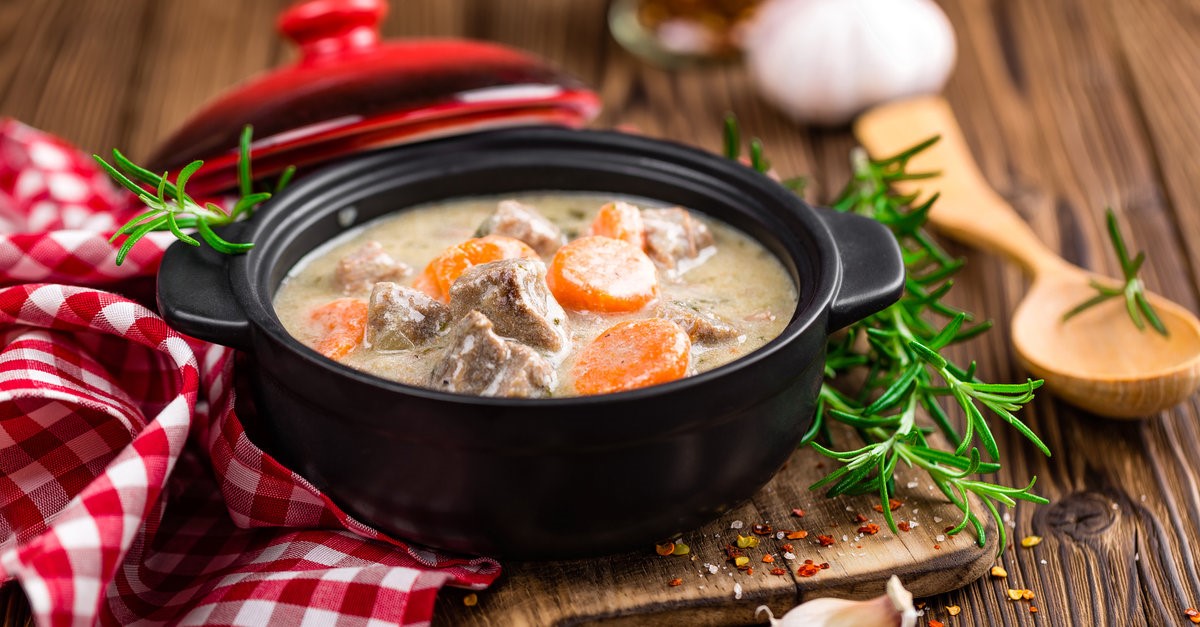
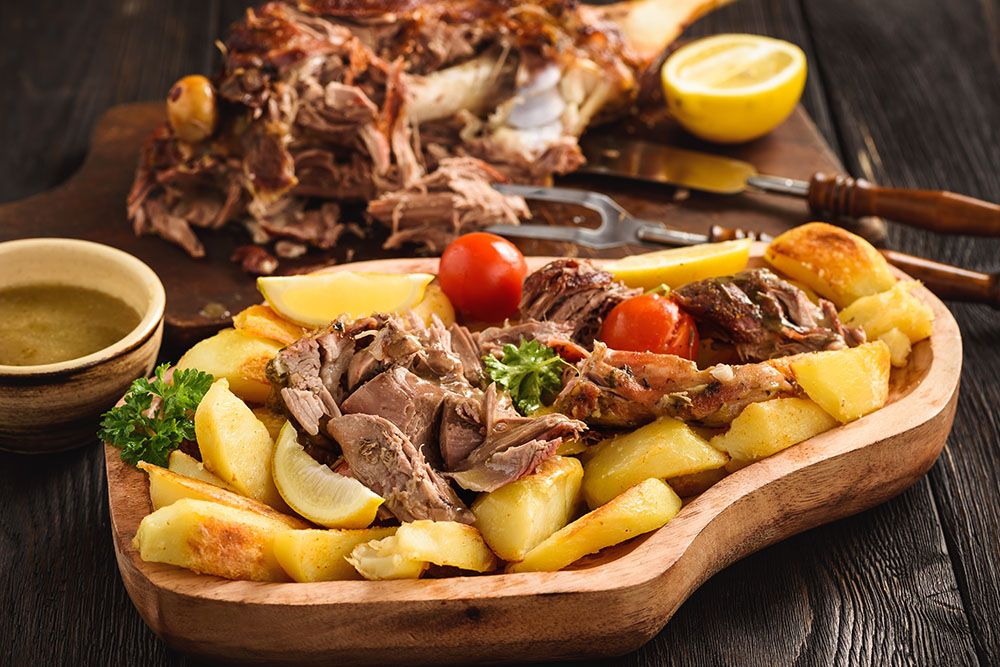
Slow cooking at low temperature additional technique, which is particularly suitable for the preparation of venison. This method helps to concentrate the flavours and tenderise the meat while preserving its essence. As with sous-vide, it is recommended to marinate the meat before slow cooking to make it even more flavoursome. The ingredients used in the marinade help the meat retain its flavours and moisture. It is recommended to cook the outside of the meat quickly at a high temperature before slow roasting. This helps to develop a delicious caramelized layer on the outside of the meat.
Slow cooking is often used and it is important to cover the pan. This helps to distribute the heat evenly and prevent the braising juices from evaporating completely. Once cooked, it's important to let it rest for a few minutes in the pan or on a platter before slicing. During this time, the moisture in it will be evenly distributed, making it even more crumbly. This technique is particularly suitable for larger cuts or for preparing solid meat. Although it requires patience and time, the end result is a delicious, crumbly and succulent dish that is sure to impress your guests.
Quick Pickling: adding flavour in innovative ways
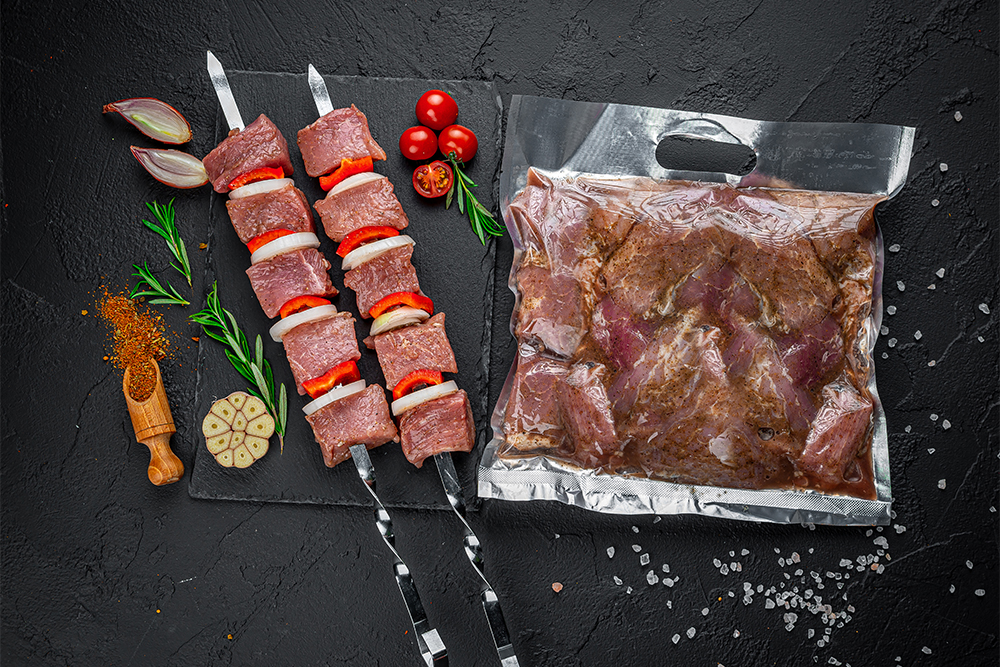
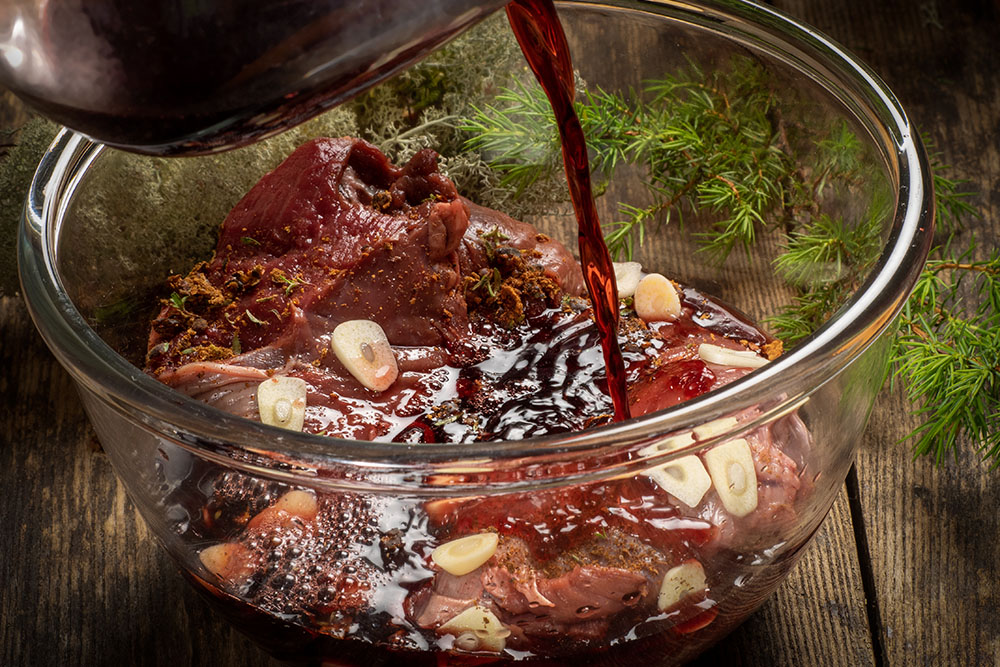
Quick marinating is an effective way to bring intense flavours to venison in a short time, helping to enrich the flavour profile and improve the texture of the meat before cooking. A páclé usually consists of strong-tasting ingredients such as lemon or lime juice, vinegar, soy sauce, mustard, garlic, because these ingredients help to quickly absorb flavours and loosen the fibres of the meat. A quick marinade usually takes between 30 minutes and 2 hours, depending on the thickness of the meat and the desired flavour intensity. It is important not to leave the meat in the marinade for too long, as the strong acids can over-soften the surface. Then remove excess marinade from the surface of the meat before cooking. This is particularly important when grilling or cooking meat at high temperatures, as the drippings in the marinade can ignite.
Fumigation
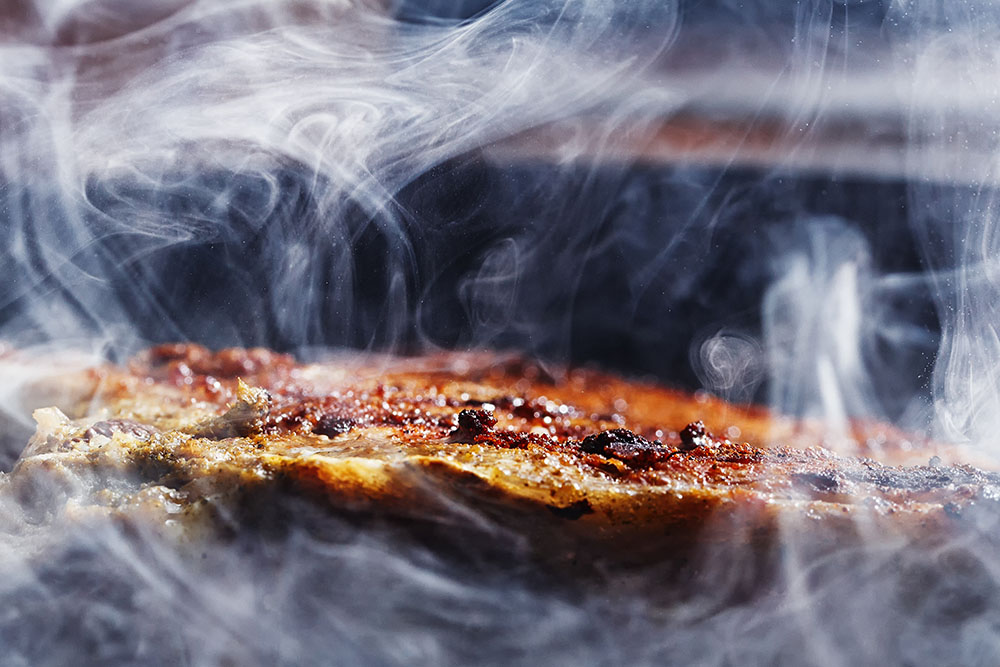
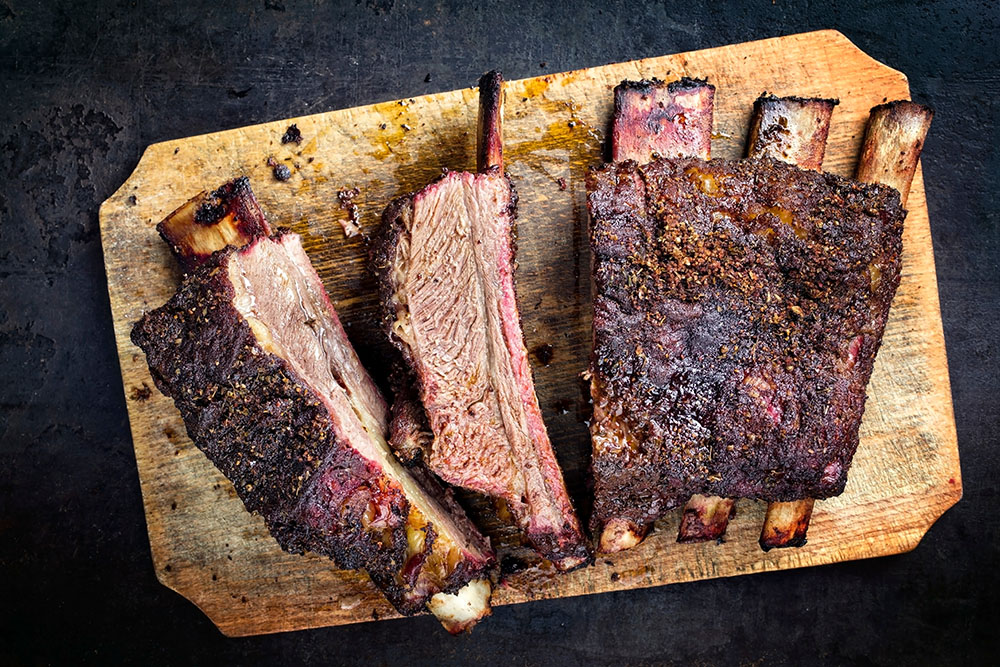
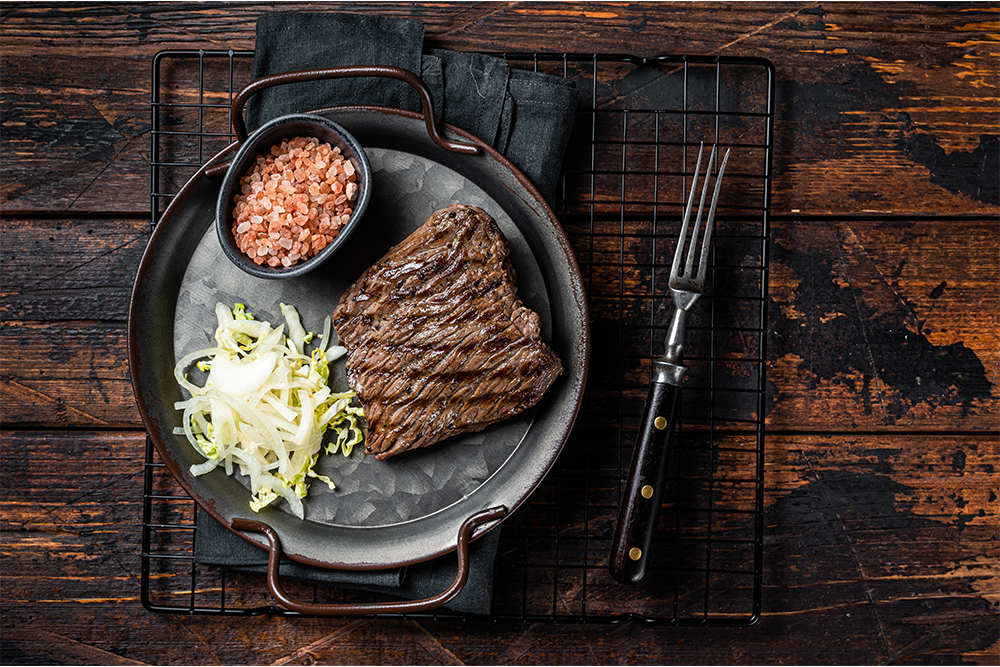
Last but not least, smoking is a traditional and timeless technique used to flavour and preserve meat, including venison. It involves slow, low-temperature smoking of the meat, which gives it a rich, deep flavour and a special aroma. It is not just a cooking method, but also a flavouring process that improves the texture of the meat, making it tender and succulent. The type of wood used for smoking has a significant influence on the final flavour of the meat, so it is important to take this into account. It is important to use clean, untreated wood chips or shavings, as treated wood can release harmful substances during smoking.
Before putting the venison on the smoke, it is recommended to marinate or dry rub it beforehand to add more flavour. Marinating can help to preserve the moisture content of the meat, while rubbing will enhance the flavour and texture of the outer layer. Smoking is done at a low temperature, usually between 90°C and 120°C, which allows the meat to cook slowly and evenly while the smoke penetrates the fibres. The duration varies, from several hours to a whole day, depending on the thickness and type of meat. The special flavours of smoked venison are best complemented with simple side dishes and fresh salads to enhance the flavours.