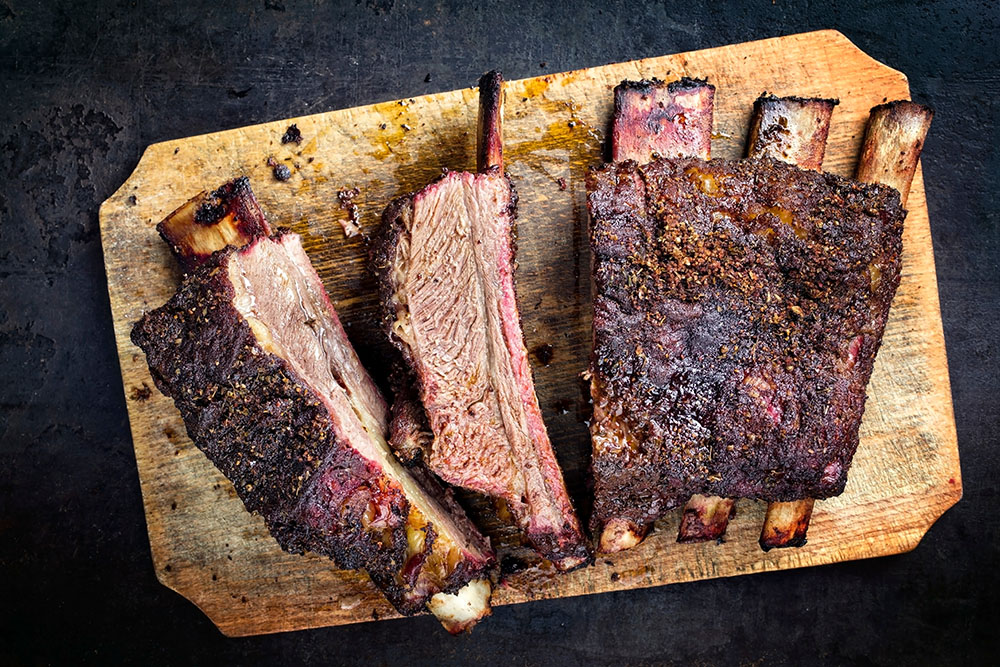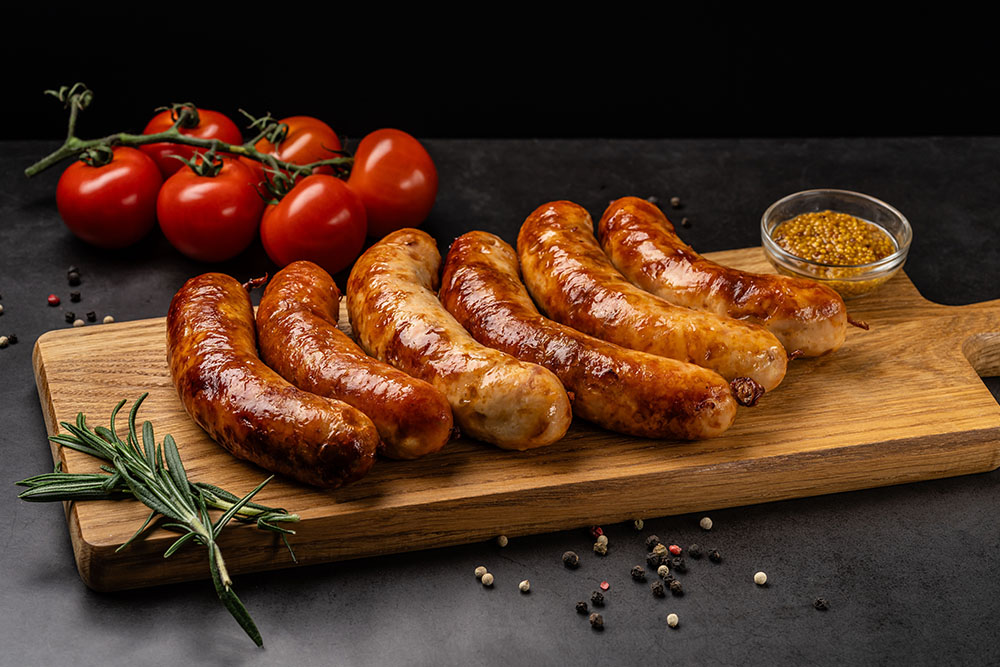







Grilling is one of the most popular cooking methods during the summer season, especially in the catering industry. However, high temperatures and open flames pose new challenges in terms of food safety. In this article, we discuss in detail how to ensure that grilled food remains fresh, safe and healthy in the HORECA sector.
Proper storage of raw materials
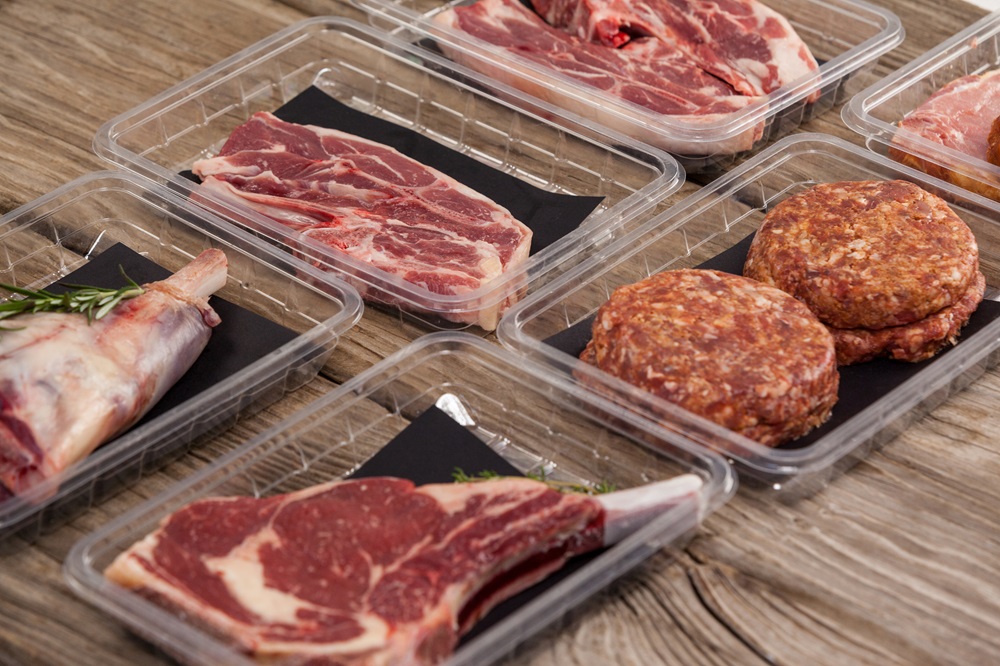
The first step to safe grilling is proper storage of raw materials. It is important to store meat and other foods for grilling at the right temperature to avoid cross-contamination. Meats should always be stored on the lowest shelf of the fridge, tightly sealed to prevent dripping juices from contaminating other foods.
Temperature control
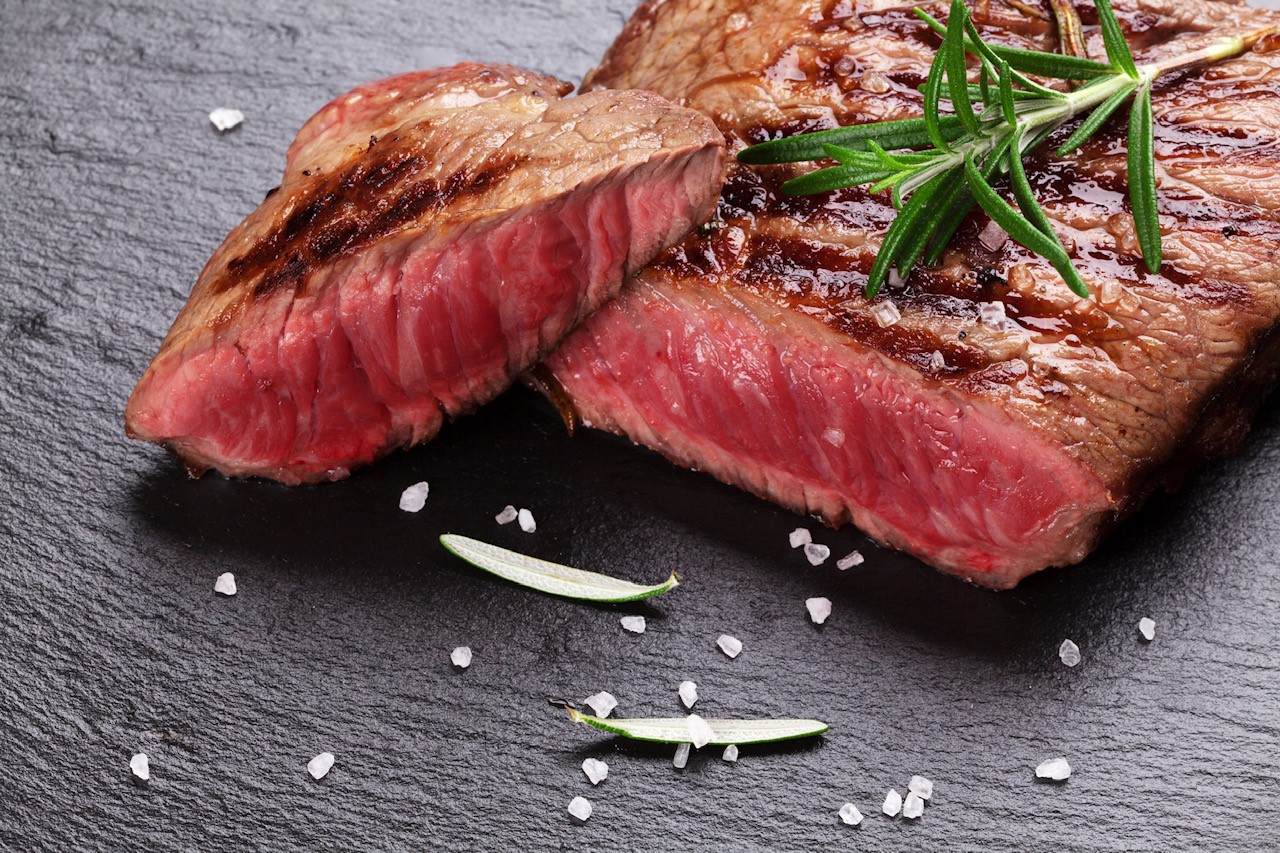
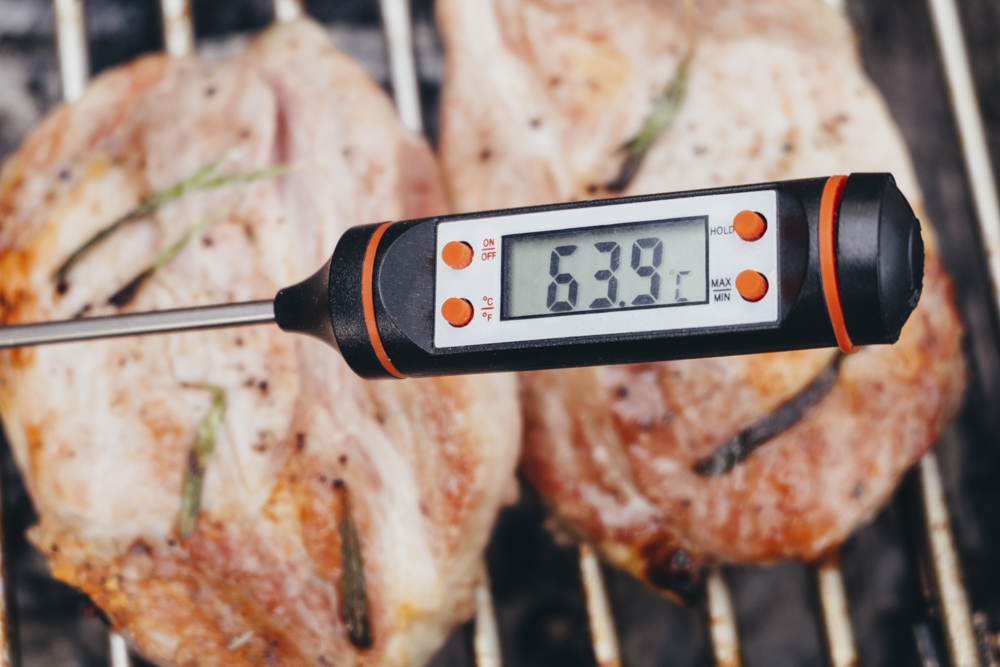
When grilling, it is essential that the food is the right internal temperature heat. For different types of meat (e.g. chicken, beef, pig) must reach different minimum internal temperatures for safe consumption. To ensure food safety, use a meat thermometer when grilling. Chicken and other poultry meat must reach an internal temperature of 74°C for safe consumption. This ensures that all parts of the poultry are properly cooked. For beef, the minimum internal temperature may vary depending on the texture you want to achieve (medium, well done, etc.). For beef grilled to medium, 63°C is the recommended temperature. For pork, the recommended internal temperature is 63°C. Higher temperatures used to be recommended for pork, but modern farming and processing techniques allow safe consumption at lower temperatures. For minced meats such as hamburgers, the recommended internal temperature is 71°C, as the mincing process can introduce bacteria into the meat.
Avoiding cross-contamination
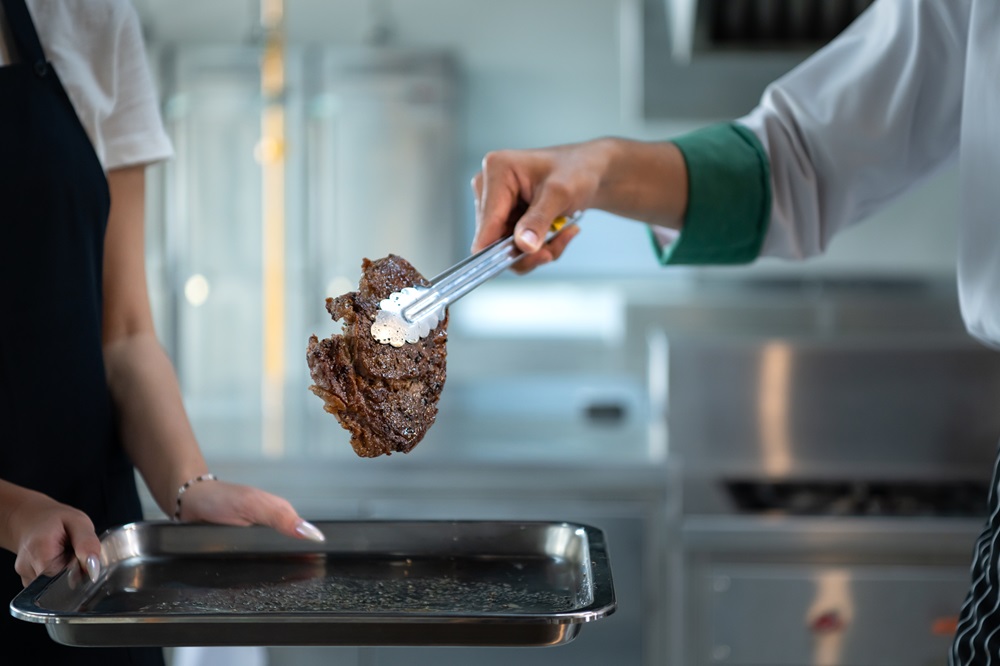
Make sure that raw and cooked food do not come into contact with each other. Use separate utensils and containers for raw and finished food. This includes cutting boards, plates, tongs and other utensils.
Proper preparation and curing
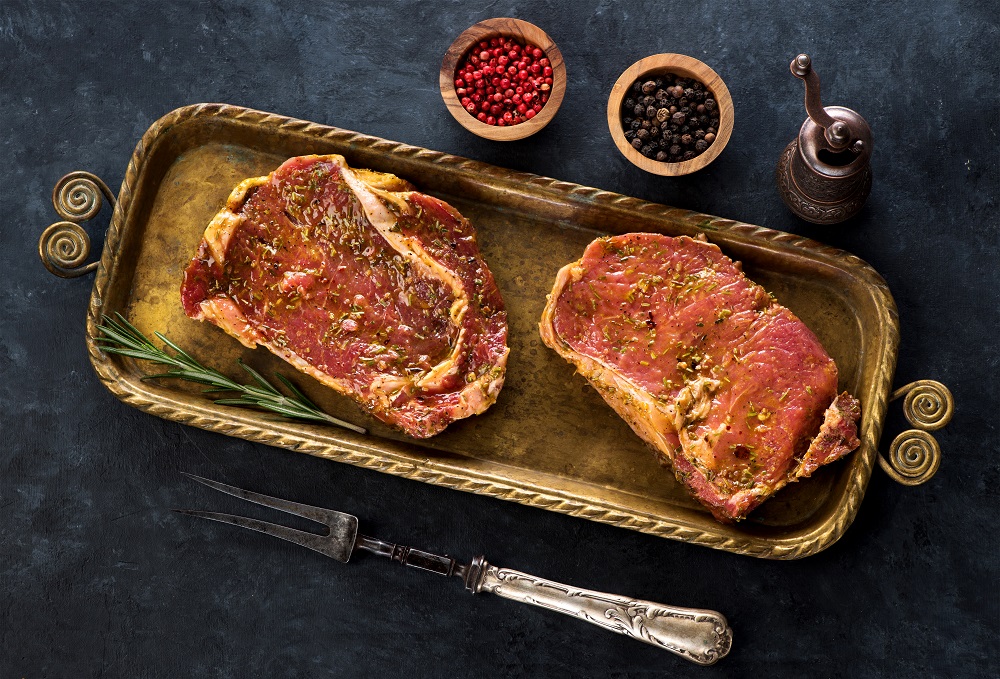
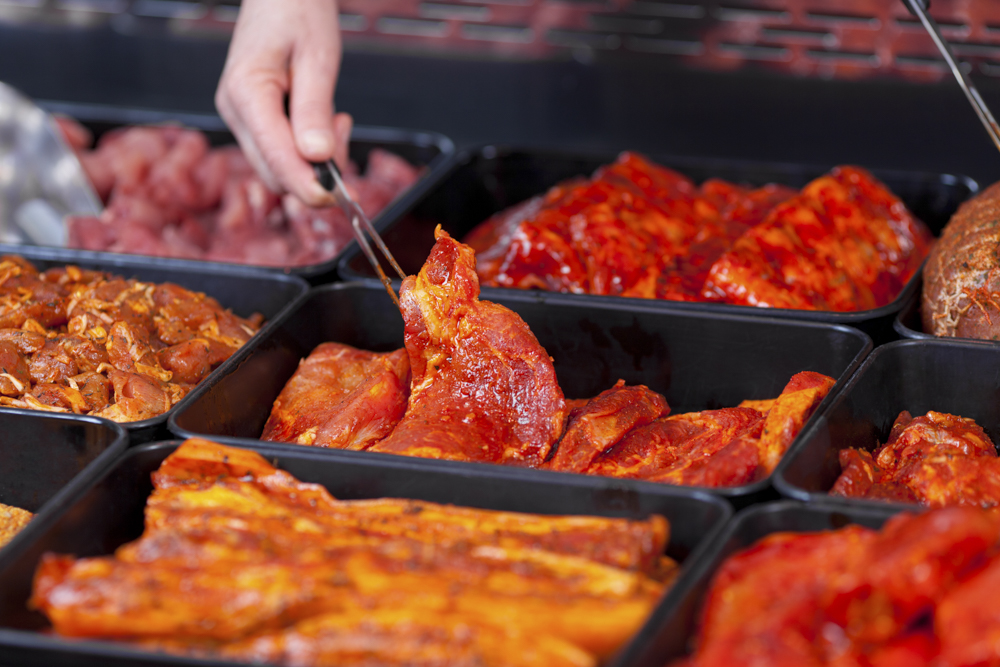
A marinating is not only used to enhance flavours, but it can also help protect against certain bacteria. Acidic ingredients such as vinegar, lemon juice or lime juice help to reduce the amount of bacteria on the surface of the meat. Also, salt, spices and herbs help to develop the flavour profile. Always marinate in a refrigerated environment and do not reuse the marinade after raw meat.Depending on the type of meat, the marinating time may vary. Poultry may require a minimum of 30 minutes, while thicker red meats may require several hours. It is important never to marinate at room temperature as this can encourage bacterial growth. Always marinate the meat in the fridge and if you want to use the marinade later for cooking or saucing, boil it first to ensure that the bacteria are destroyed.
Cleanliness and hygiene in the barbecue area
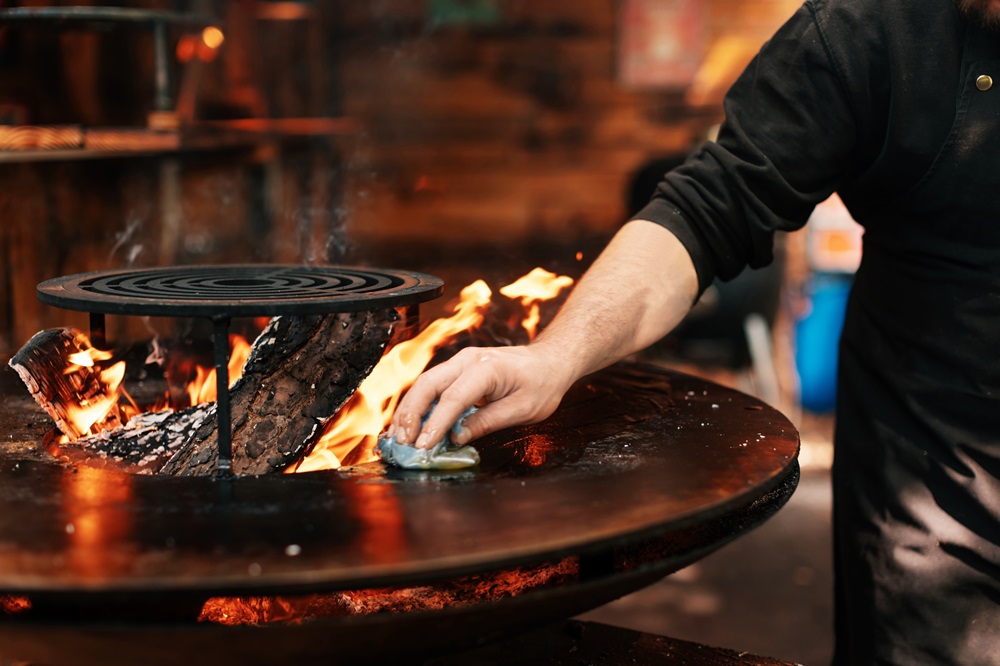
The disinfection of tongs, paddles and other tools used for grilling is critical, especially if they are used for both raw and ready-to-eat food. Keeping grilling surfaces clean reduces the risk of bacteria and improves the taste of food. It is also important to disinfect the grilling area regularly.
Proper cooling and storage of food
Cool leftover grilled food quickly and store at the right temperature. Rapid cooling prevents bacterial growth and ensures the freshness of the food for later use.