






The hospitality industry is constantly changing, and as a professional chef, you'll know that keeping up with gastronomic trends is key. In recent years, the demand for vegan and vegetarian dishes has increased significantly, which presents new challenges in the kitchen. But what about smoked foods? How can traditionally meat-centric smoker techniques be integrated into plant-based cooking? In our article, we show you how to take vegan and vegetarian dishes to a whole new level with the smoker.
Why should you smoke plant materials?
Smoking vegetable raw materials is an excellent way to vegan and vegetarian dishes richer, more interesting and tastier. This technique not only offers new taste experiences, but also appeals to a wider range of guests, including those who may be new to plant-based diets. Restaurants can offer unique smoked vegan barbeque options that differentiate them from their competitors. It also provides an opportunity to make the kitchen more environmentally conscious, as vegetables and fruits have a lower ecological footprint than meat. In addition, the smoker typically uses wood materials, which can be sustainably sourced or recycled. This is in line with sustainable catering a growing trend.
How to choose the ingredients for a smoker?
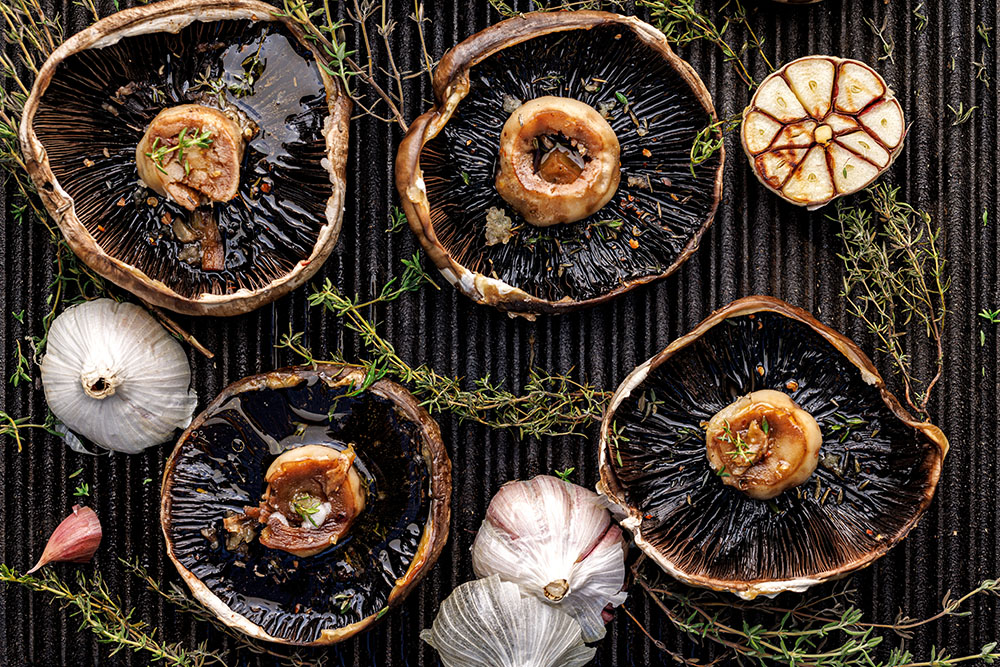
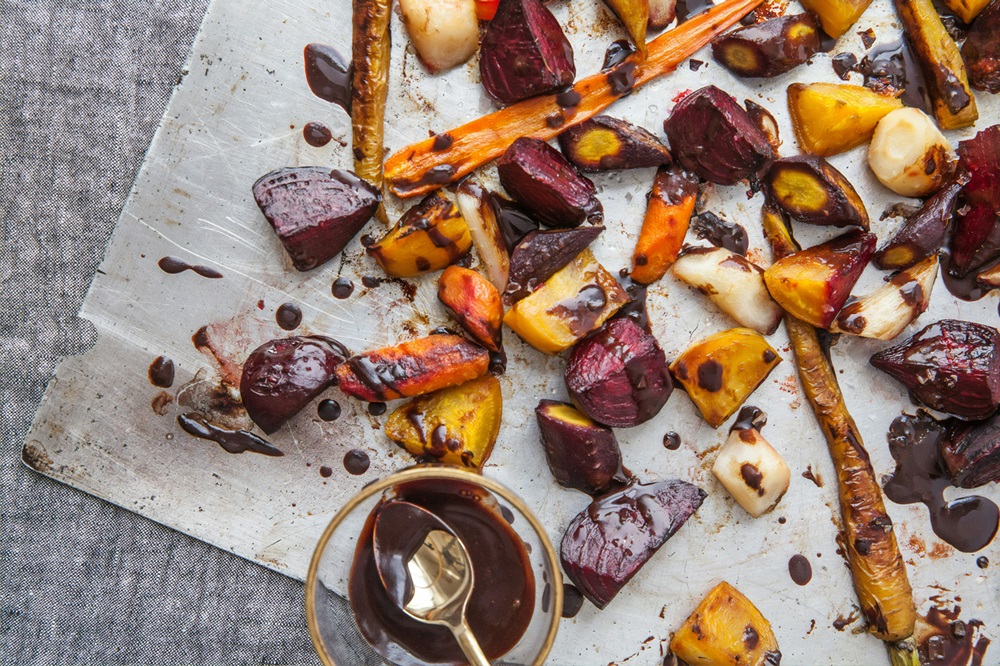
The key to success is the right choice of ingredients. Harder vegetables such as beetroot, pumpkin and carrots are perfect for longer smoking processes. And the creaminess of smoked aubergines or peppers can be an excellent base for sauces and cream soups. Think of larger mushrooms such as portobello, which take on an almost meat-like texture in the smoker.
What seasoning techniques should you use?
During fumigation seasoning is also key. The classic BBQ-rubs and marinades work well with plant-based ingredients, but it's worth experimenting with your own, less dominant blends to avoid overpowering the natural flavours of the ingredients. Rub spice blends usually contain salt, sweet and spicy components such as brown sugar, peppers, bors, garlic powder, and onion powder. BBQ rubs work great on tougher vegetables such as pumpkins or carrots, as the long smoking process allows these flavours to be deeply integrated into the raw material, bringing out its natural sweetness. Consider adding fresh herbs, citrus peels and olive oil the involvement of. The marinades allow the ingredients to retain their moisture during smoking, while adding a rich, complex flavour. Use marinades that contain olive oil, lemon juice, garlic, fresh rosemary or the cuckoo grass contain. They work particularly well in on vegetables, like aubergines or mushrooms, which absorb liquids and flavours well. Soy sauce, sesame seeds and oil, miso paste, and coriander are excellent for preparing dishes with an oriental flavour. These ingredients provide an exciting contrast to the traditional American BBQ against flavours
Technical tips for the perfect result
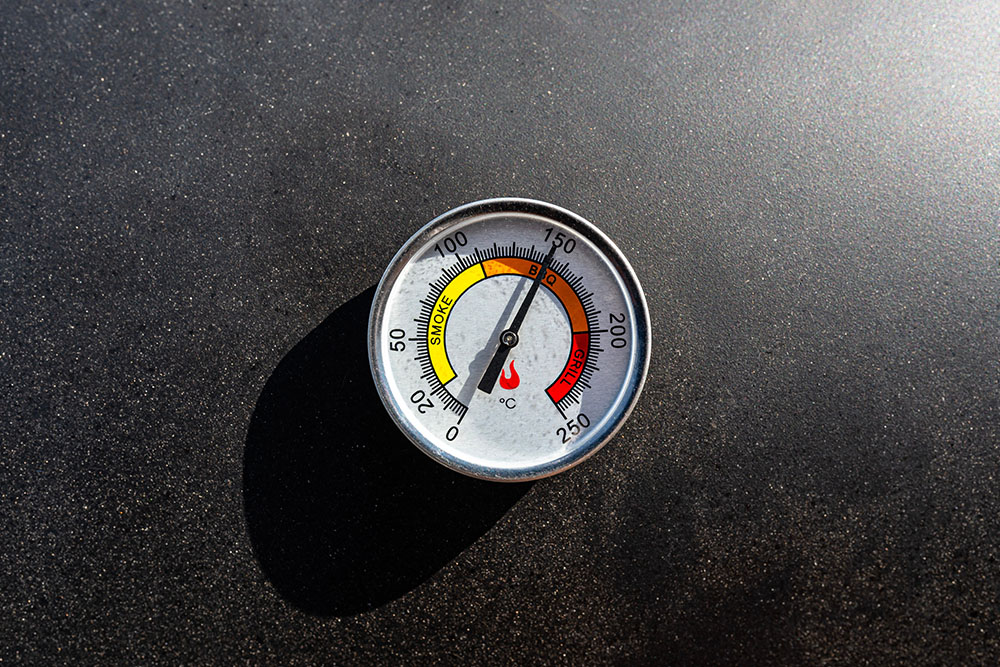
Setting the temperature and smoking time is vital. Vegetables generally require less time than meat, so the temperature should be fine-tuned. Use lower temperatures and shorter smoking times to avoid over-smoking your food. In addition, to balance the flavour of the smoke, use fruit trees such as apples or cherries, which provide a more subtle smoke flavour.
Inspirations for the menu
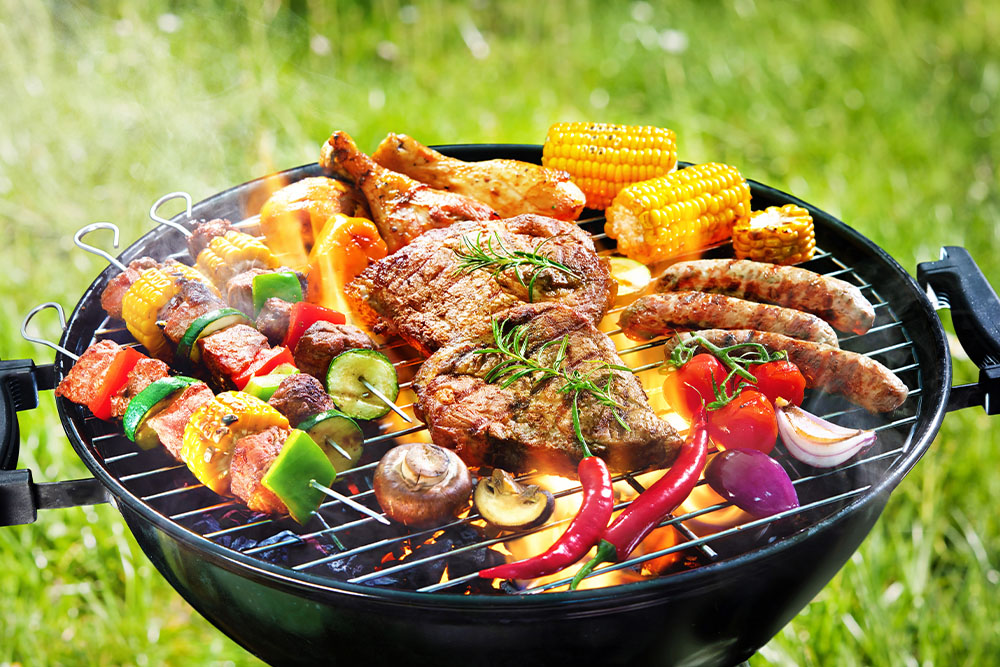
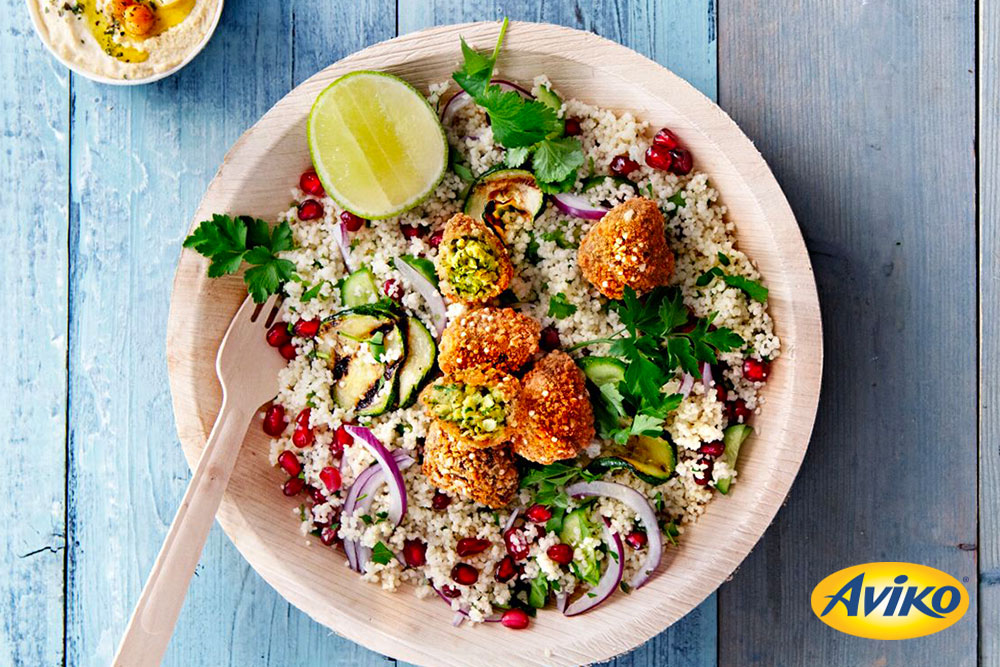
Prepare a smoked vegan “ribs” dish with jackfruit, or create a gourmet vegan burger menu with smoked mushrooms and vegan cheese. A bowl of smoked vegetables also looks great on the menu, especially when paired with fresh salads, homemade dressings and fresh bread.
Vegan and vegetarian meals made with a smoker are not only delicious, but also exciting, novel dishes that can help you stand out from the competition. Don't be afraid to experiment and use incense to make your menu truly memorable! Start today and see how your guests react to the new flavours!