






In recent years, more and more professional kitchens are rediscovering the value of frozen vegetables, but not all of them, how the frozen product is prepared. Nitrogen flash freezing, also known as cryogenic freezing, brought a real revolution. The technology not only increases shelf life, but also preserves the quality of fresh vegetables.
But what makes this process so special and why should you choose premium quality even if it's „just” a frozen vegetable?
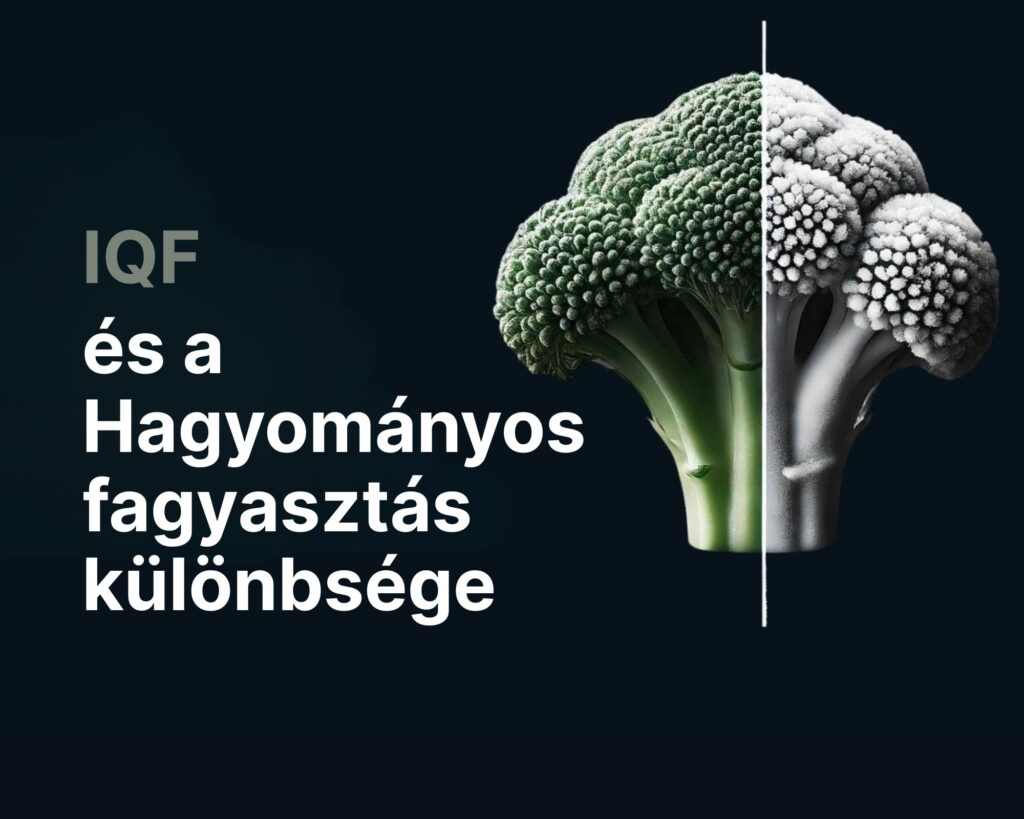
What is the difference?
In traditional freezing, the vegetables cool slowly, creating large ice crystals that break up the fibres. By the time it thaws in the kitchen, the fibre structure is damaged and the texture is „watery” and soft. A nitrogen flash freezing i.e. the „Individual Quick Freezing (IQF) on the other hand, uses extremely low temperatures (between -50 and -196 °C), so the core temperature of the product drops almost immediately. The result: small, round ice crystals, intact fibres, bright colour and texture similar to fresh.
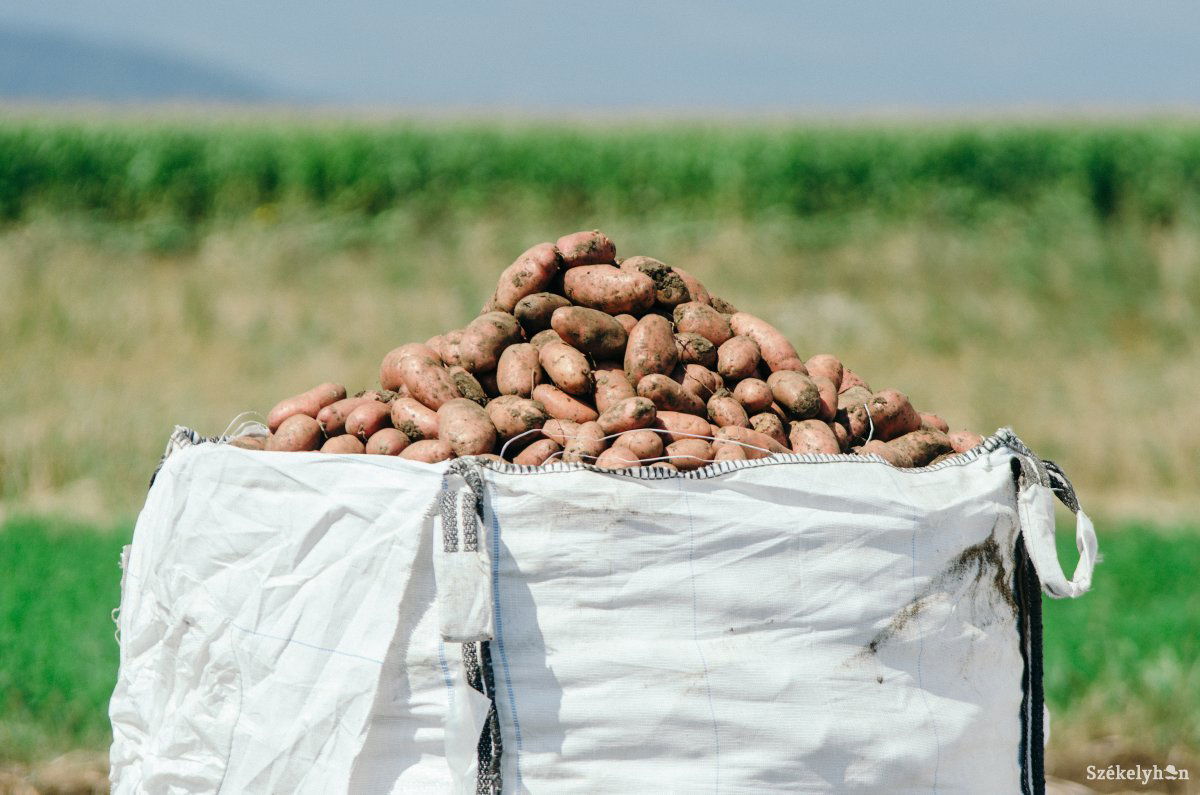
But that's not the only point of the technology. each piece is frozen separately by the system, be it green peas, fava beans or new potatoes. This prevents the pieces from sticking together, making dosing and accurate measurement easier.
It is not only the kitchen logistics but also reduces waste: you use as much as you need. And the quality remains the same every time, regardless of when the product went into the freezer.
The difference is striking, especially for vegetables, fruits and more delicate products (e.g. beans, mushrooms, asparagus).
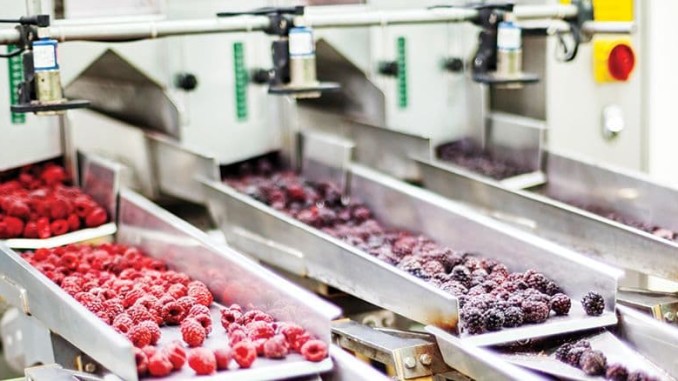
(Source: https://www.frozenfoodeurope.com/vegetables-fruit-frozen-weathers-storm/)
Revolution in professional kitchens
Flash freezing was one of the biggest technological leaps in modern gastronomy, and not just in fine dining.
For a restaurant, a factory kitchen or even a chain plant, it is a huge advantage to seasonal ingredients all year round can offer the same quality.
Products made by nitrogen freezing:
- They save time: prepared, cleaned and blanched raw materials.
- They save manpower: less manual preparation, faster serving.
- They provide consistent quality: there is no „better day” or „weaker delivery”.
- They are undefeated: accurate dosing, no cleaning effort and zero spoilage
For today's kitchens, it's not a luxury. business logic. Stable quality means predictable operations and satisfied guests.
Why does it matter which frozen product you choose?
There can be a huge difference between two frozen vegetables, even though they look similar at first glance. The crucial difference lies in the quality of preparation and freezing technology:
- Banner: helps preserve colour, deactivates enzymes.
- Freezing speed: the faster, the better the consistency and the better the content.
- Packaging and storage chain: thermal fluctuations lead to quality deterioration.
- Documented production process: only then can consistent quality be guaranteed.
Premium products may be more expensive per kilo, but cheaper in the long run: less waste, shorter preparation, stable guest experience, all of which brings a concrete return on investment in the kitchen.
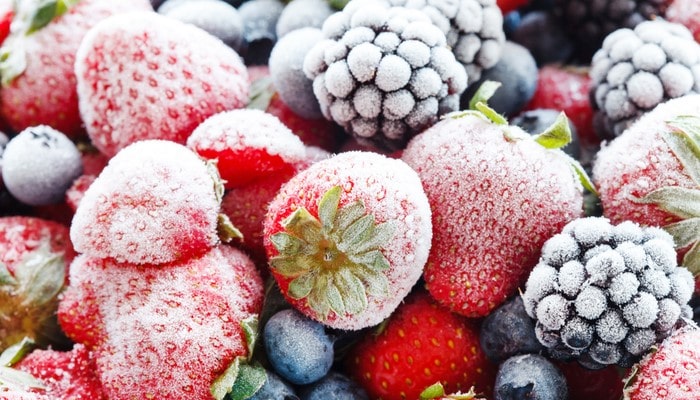
(Source: https://cablevey.com/what-are-the-fundamentals-of-freezing-food/)
The green of the future - fresh from frozen
Flash freezing is no longer about compromise, but about reliable quality about. The technology allows you to bring fresh flavours, vibrant colours and natural textures to your guests' tables, even if the ingredients were prepared weeks or months in advance.
And with the right supplier, the kitchen gains time, stability and security, and the guest gets exactly what they expect: reliably high quality, every time.
Sources (extract)
- AFELLC IQF Industry Summary - Advantages of Individual Quick Freezing in Foodservice, 2024
- W. Yan et al. Effect of Liquid Nitrogen Freezing Temperature on Food Quality, PMC, 2023
- Air Products - Cryogenic Freezing Technology Overview, 2024
- A.D. Noriega-Juárez et al. Comparison of Individual Quick Freezing and Traditional Methods, 2024
- Farm to Freezer - White Paper on Cold Chain Efficiency, 2023