





„When restaurants were not allowed to open in the capital, we showed then that we can cook good food not only for tourists” - a conversation with the chef of the Prímás Cellar in Esztergom and the director of the Szent Adalbert Centre.
What is the reason why a rural restaurant, mainly visited by tourists, does not collapse after the third wave of COVID, but can now be renewed, equipped with even more gastronomic programmes, and serving the capital's clientele at its maximum? This was the question I was trying to answer on a warm mid-autumn day, in the Primate's Cellar.
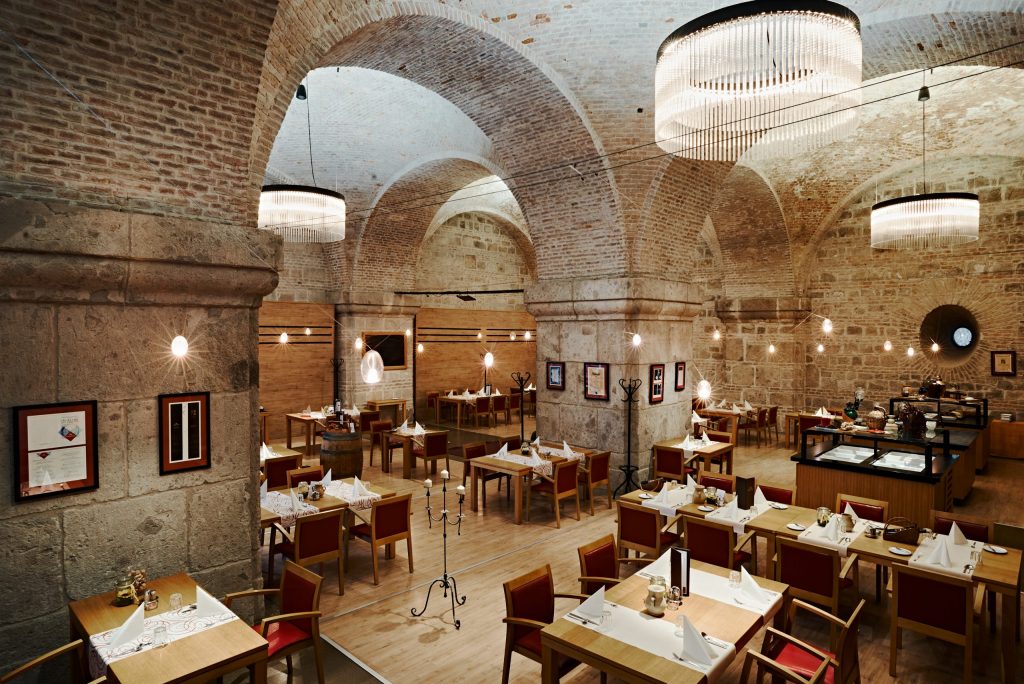
Stepping between the historic walls, you can quickly sense that the place has not only spirit but also soul, helped by the fact that the restaurant is located in a larger part of the Primate's cellar system at the foot of the Esztergom basilica, next to which a wine museum and a cheese-grindery also operate in parallel. But the spirituality is not only due to its location.
In season and beyond
„As a chef, the biggest and most beautiful challenge for me is to provide a lasting gastronomic experience to our guests, and to forge a strong, loyal team from the young people growing up under my wings - starts Tibor Jászai, head chef. - However, we really believe it is important to have a live connection with the guest. I only work with people who have a sense for this. I myself like to approach the guests and tell them about the food, because every dish has a story.”
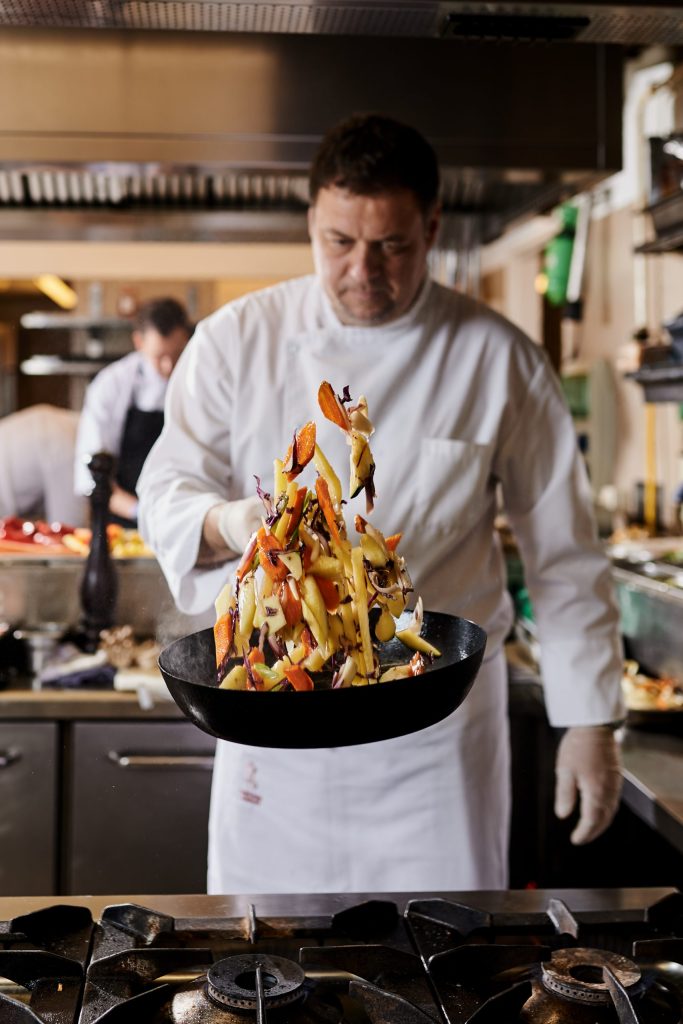
The main task of the Primo during the peak season is to economically generate the extra money that the kitchen and the team can afford to spend in the off-season, creating new flavours and dishes, and giving personalised attention to the guests. „For a chef, this quieter period is the most creative, but to make it, they have to be very dedicated from April to September,” explains Tibor.
It's a bit like the story of the Cricket and the Ant, and I'm not going to miss the point, because Tibor tells me that many people think that because the Primate is backed by the Church, they can go on a rampage from a bottomless pit. However, the truth is, the place has to constantly prove that their purse is not full of holes. To do this, they not only have to maintain the high quality expected of themselves and their guests, but they also have to keep renewing.
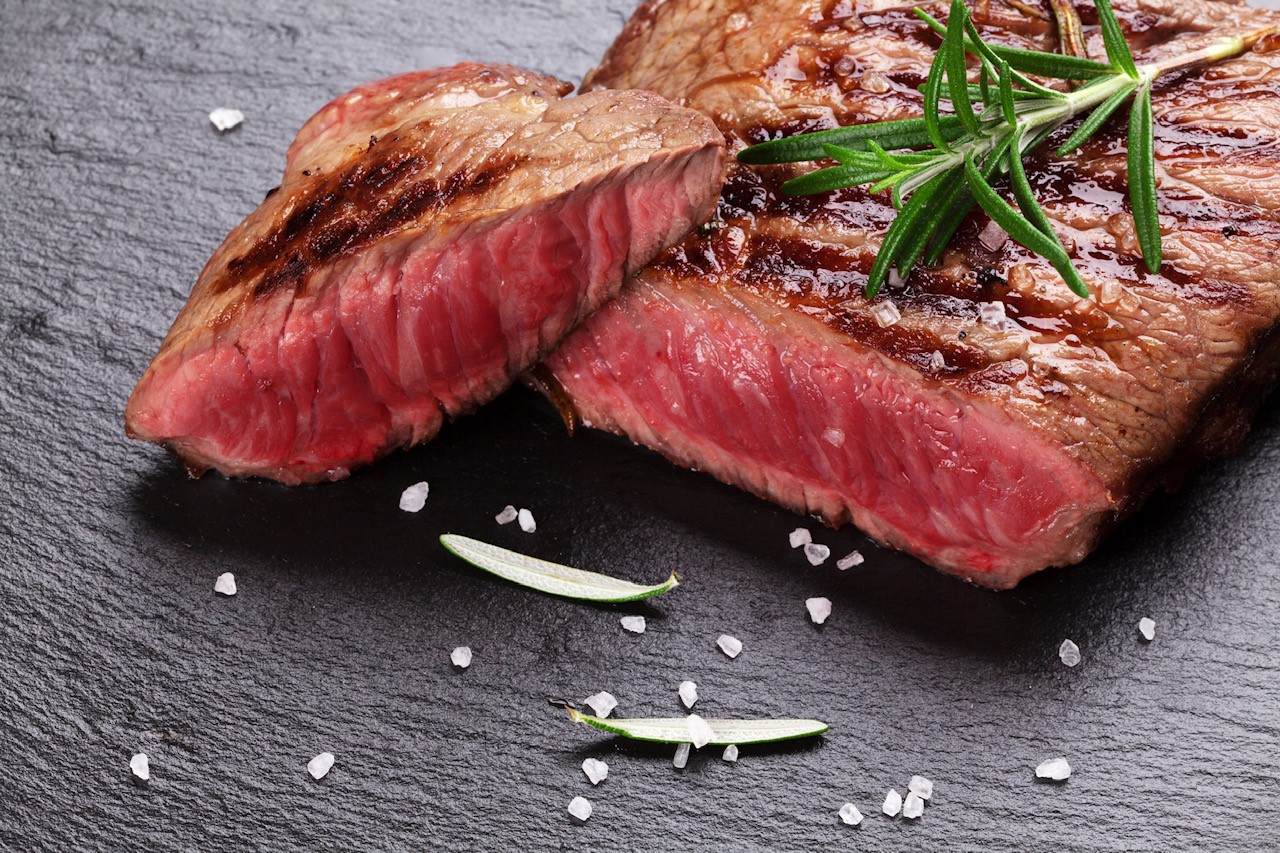
„Of course, besides the historicity, the uniqueness is also reflected in our menu," continues Tibor Jászai, "We try to source most of the ingredients from local producers and we prefer local products, but for steaks, high quality is of utmost importance, and the Matusz's South American maturation we haven't found a better one yet.”
Food for cardinals
For their latest project, the chef and his team are on a journey through time in the world of gastronomy, working on a Cardinal's cookbook. „This is one of the most exciting challenges in the kitchen right now,” says Tibor enthusiastically, "because in the Primate's Archives they have found documents dating back hundreds of years, from which the former heads of churches explain their eating habits and dishes. The document, originally written in Gothic, was first translated into German and then into Hungarian, and we have the privilege of preparing these dishes and presenting them in the form of a cookbook."
Those who are already curious about the favourite dishes of the former heads of churches don't have to wait for the cookbook to be published, as they also include an exciting dish in their weekly specials, such as smoked tok with horseradish sauce. Their favourite dishes were not just for former cardinals, but also for today's heads of churches, with Cardinal Péter Erdő, for example, having his own roast duck legs, with steamed cabbage. Fearfully, I ask the chef how they found out, and I can hear him explaining to me how many personal secretaries they had to go through to find out. But the answer is simpler than that: „We asked him.”
„The smile of the church!”
„It's no coincidence that this is our new slogan,” begins Viktória Kovács, Director of the Szent Adalbert Centre. - These institutions, with their long history and grandiose ecclesiastical and historical grandeur, do not at first remind us of the warmth of home. Rather, their monumentality inspires a sense of wonder and perhaps even a little detachment. We believe, however, that the content and values we seek to infuse our institutions with steal a warmth from within their cold walls."
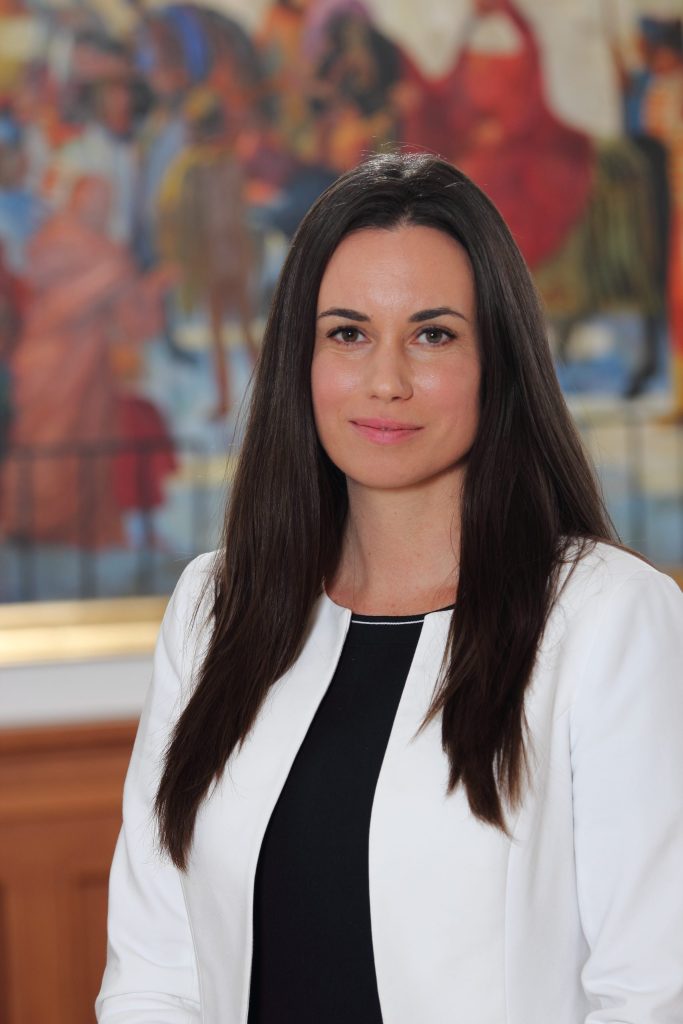
Viktória Kovács took over at St Adalbert two years before COVID. Her main vision was to unify, both in image and approach, the three institutions, namely the St. Adalbert Event Centre, the Adalbert Hotel and the Primate's Cellar.
„It sounds morbid, I know, but COVID accelerated this process,„ says Viktória Kovács, ”We soon realised that we can only survive if we join forces and do what we do, or sometimes what we would not normally do. This is how it has happened that more than once the manager of the Primate's Cellar has delivered lunch or the event organisers have acted as dispatchers. And of course, we also cleaned or gardened together, because we had to earn every penny. By experiencing each other's work first hand, we became more understanding of each other. This kind of empathy has forged us into a team, so that we know we can always count on each other.”
Author: by Pfliegel Dóra