





He started in Germany and lives in Hungary. He studied economics, hunted all his life and became a chef. An interesting life story wildlife attraction. Interview with Dávid Vári.
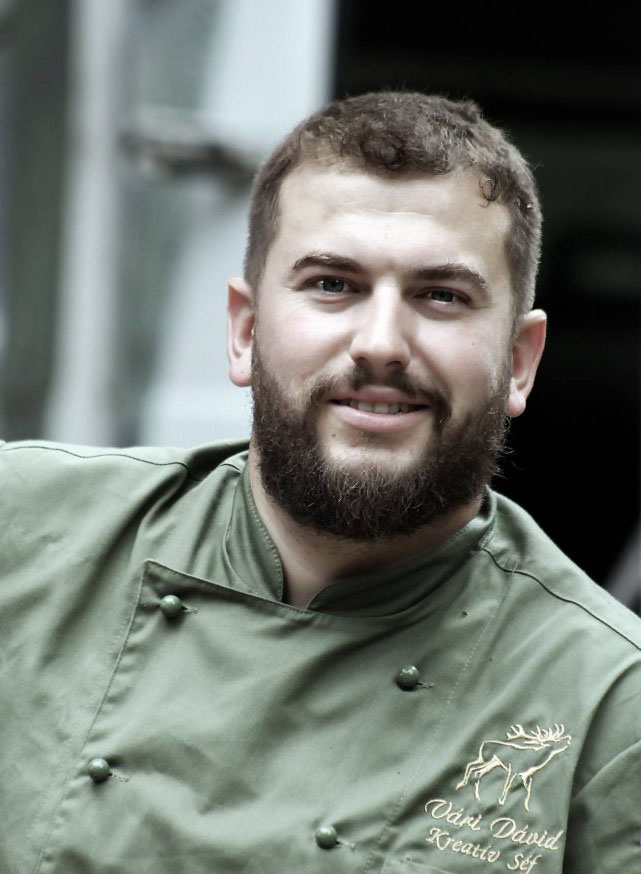
- You are the only chef in Hungary who has been involved with game and game food since childhood. How did it start?
-I grew up in Germany, near Frankfurt. It all started quite naturally for me. I was introduced to this world as a child through my best friend's uncle, who was a hunter. I started going hunting with him and, as a child, I was already fascinated by nature. I loved the whole atmosphere. I was there with him at dawn, participating in the wild drives and seeing the noble trophies at the end. I would also add: what more could a teenage boy need! A wildlife setting, the thrill of the hunt, rifles. There was no question in my mind that I would follow my godfather's example. It just so happened that I've been hunting since I was 18.
-Why did you come home?
-I lived and studied outside. In fact, I lived a very ordinary life and of course I was hunting. Basically, I started building my life in a completely different field because I graduated as an economist. I also took the hunting exam outside, which is much more serious and complex than the one here. You have to learn not only the rules, but how nature works. You have to know about forest management, about plants, of course about the different game species - everything. And there's a lot of technical stuff to go with it. In short, I grew up in Germany, but somehow I was always drawn back home. I just didn't feel comfortable out there. So, more than ten years ago now, I decided to move back home. I was busy with a lot of things, mainly because of my original profession - mostly in business - and because I had to support myself, I was always cooking at home.
- Where did cooking come from?
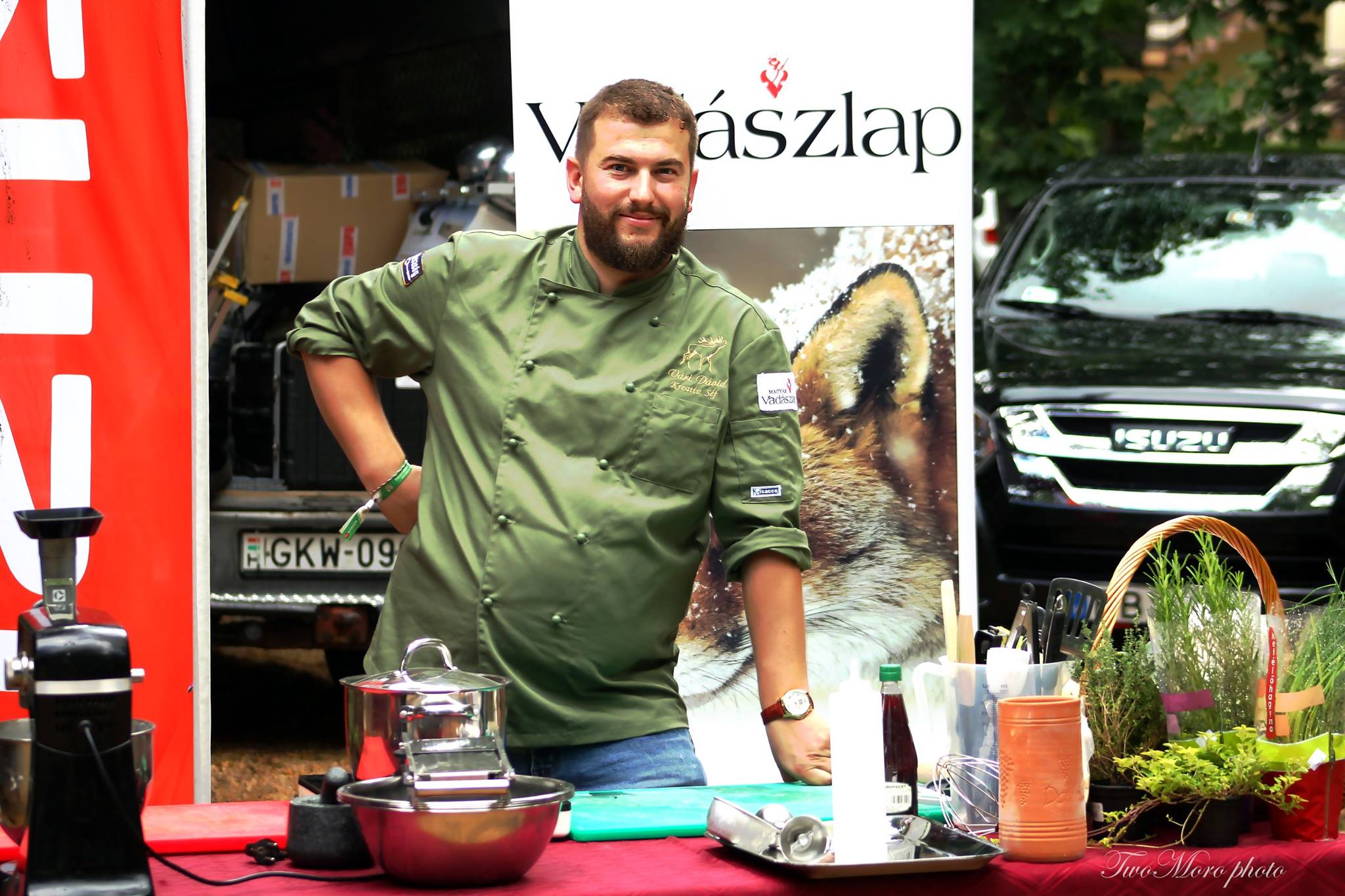
- It also started with hunting, when I was a kid. I just wasn't consciously involved in it then. I was always interested in how I could support myself. The proximity of nature meant that I was always interested in what ingredients could be used for a game dish. So I foraged, tasted and tried almost everything the forest had to offer. I didn't cook then, of course. But when I was forced to, I loved to cook. It became the rule that whatever gatherings I had with friends and acquaintances, I was always asked to cook at the end. You could say I became a hobby chef. Of course, I made a lot of game dishes, because I went into the woods and hunted the wild, I gathered some side dishes and prepared them. It is perhaps not an exaggeration to say that I am one of the most experienced experts in the field of wild and forest-based dishes in Hungary. This passion has continued ever since, and I have become a lover not only of hunting and hunting life itself, but also of the food associated with it.
- Many people cook as a hobby, but you've gone further by becoming a chef.
Of course! It came as naturally to me as hunting. As I said, it was always in me. In fact, I didn't know myself that I could cook - of course, I was always doing it - but that it would become my profession, I wouldn't have thought it would be originally. It became more serious for me when I really got into it. My girlfriend at the time kept telling me I was a good cook and I should do something with it. Without my knowledge, she entered me in a television cooking show, which is still on to this day. So there I was, entered as usual, doing a test cook, and eventually I just realised I was on the show, cooking for the world to see. That's when I found out that I was really good at it, because I was a renowned chefsI have received extremely inspiring positive reinforcements from. After that show, I somehow fell into this profession.
- Many people cook as a hobby, but you've gone further by becoming a chef.
-I had already cooked for a long time, and knowing the ingredients was natural for me. I can't say I knew everything right away, but I learned. Maybe I was lucky that I could absorb the knowledge quite quickly and it went fast. So after the show I continued to improve, I worked in kitchens, and I owe a lot to those who have stood by me. For example, I was able to learn an awful lot from Ákos Sárközi. So the requests kept coming and eventually I was running several kitchens. The economic part, the material management - as an economist - I didn't need to explain, and the food preparation came, let's say, from the gut.
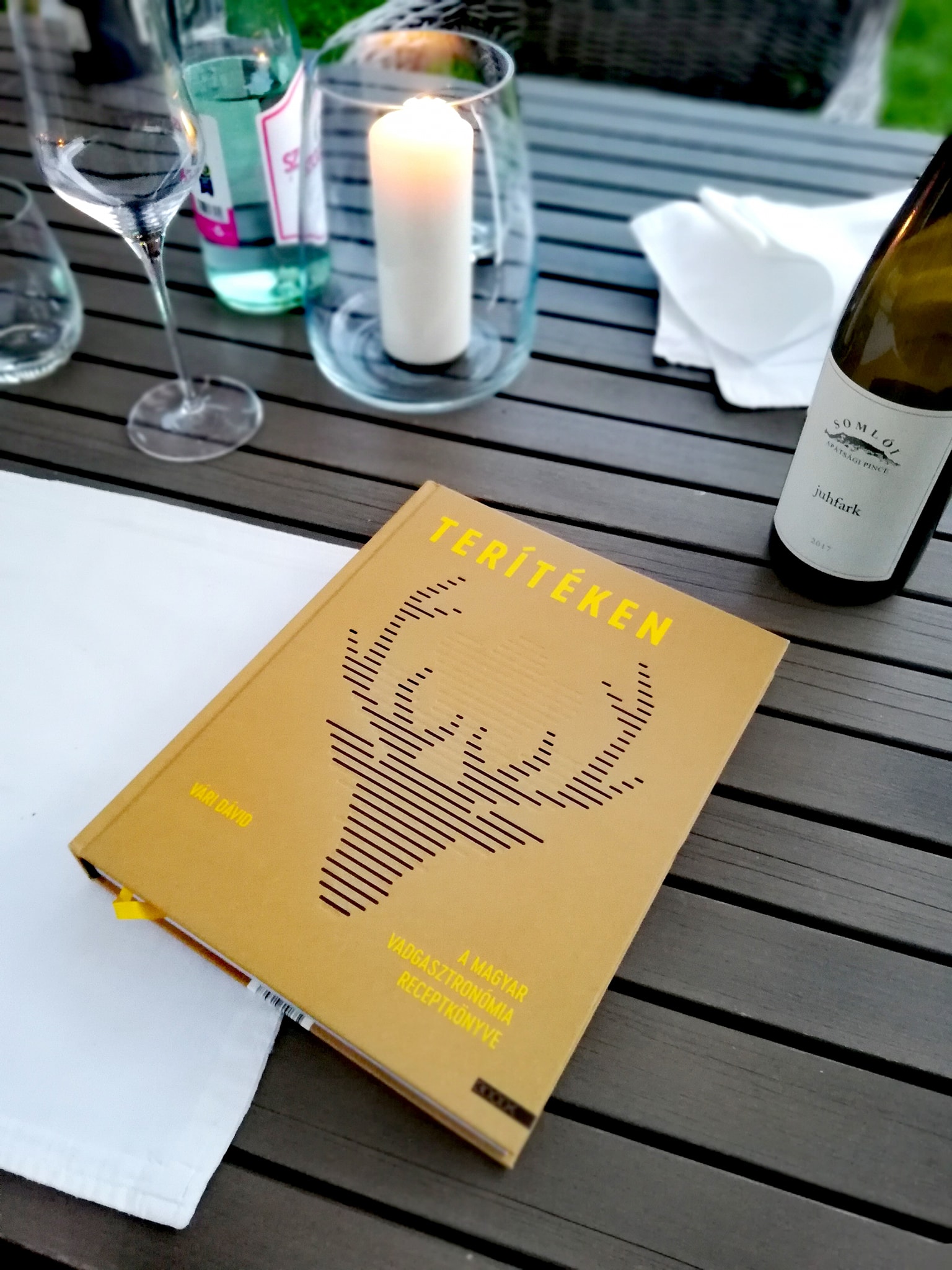
- You also have a book called „TERÍTÉKEN” (on wild gastronomy) to your name. How did this come about?
-After I had worked as a chef and was known in the trade, everyone knew that game dishes were my speciality. In fact, no one had ever done it in the depth that I did, and still don't. It started when a hunting magazine asked me to write recipes for them. It ended up being so good that we thought about doing a TV show on game gastronomy. Unfortunately that project fell through, but the idea has stayed with me.
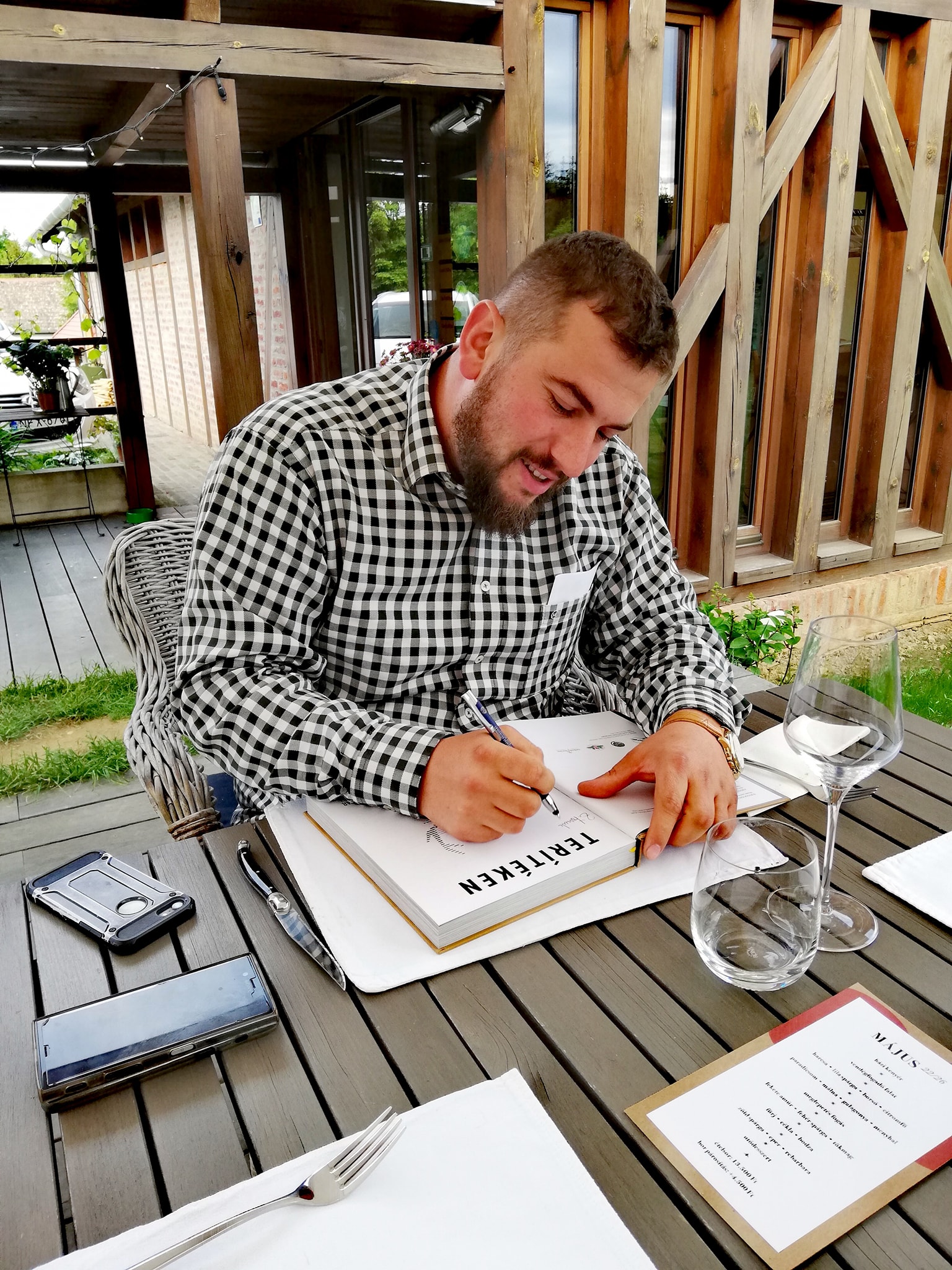
As luck would have it, I got a call from Péter Széplaki, the head of BOOOK Publishing. He said I was a sympathetic figure, he knew my career and he had a good idea. He found out that no one had ever done a hunting cookbook before and that this would be a niche recipe collection. He asked me if I would like to contribute. I didn't think for a moment about the answer. In fact, I have a head full of wild game dishes, I love to make them and I already had a little „my secret notebook”, in which I already described a recipe for a recipe on this subject.
- Does the book also talk about hunting?
- My aim was to make it not „just” a collection of recipes. Rather a guide to nature, to hunting traditions, while at the same time introducing the reader to the huntable and edible game species of our country. The book contains 16 wild species is consumable, and many counties and regions appear on its pages - so we have turned the pages of the Hungarian gastronomy map. We have included the great Hungarian specialities, of course for game. It was also important to make it experiential, so we packed it with all kinds of hunting and chef stories, because along with the ninety recipes, it is important to understand the why, not just the technique. Through many, many pictures and illustrations, you can follow the daily life of a hunter, the hunt, the characteristics of game and the dishes that can be made from them.
- Why would you recommend this book and to whom?
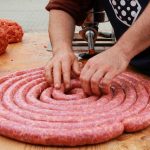
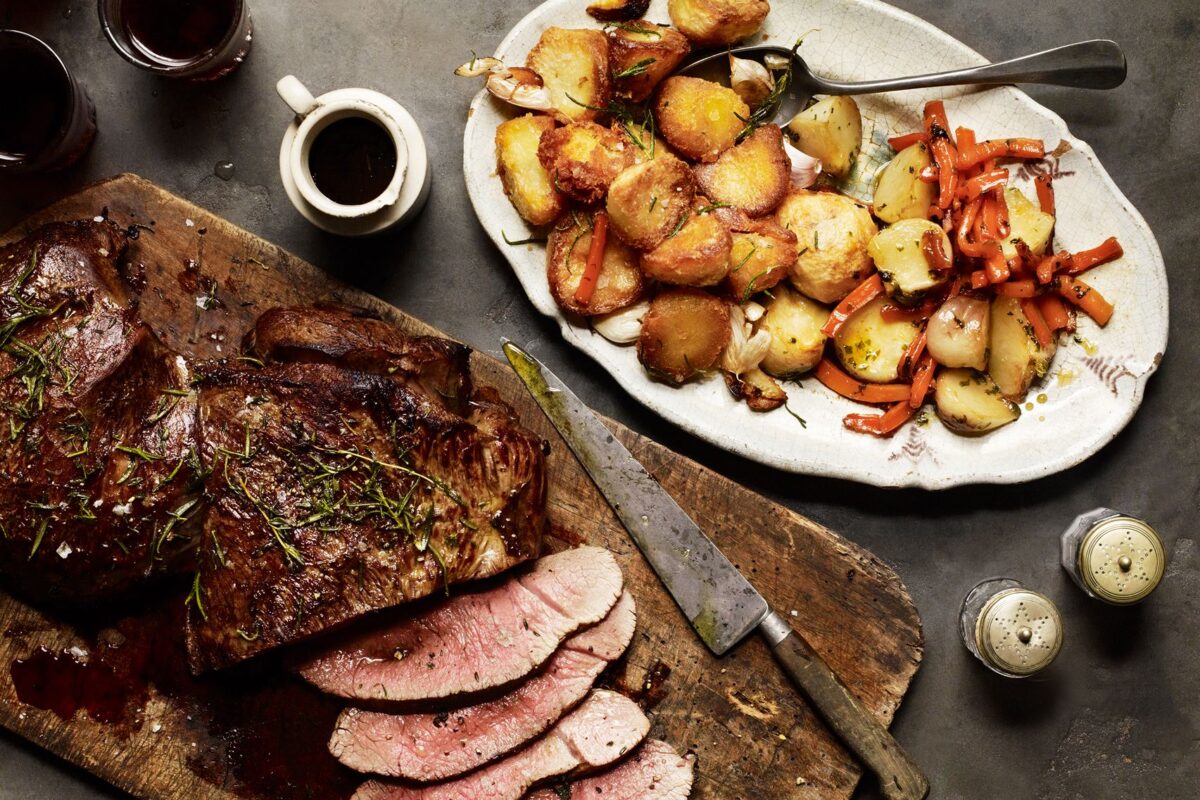
- For everyone! From the average person to the chef. There is traditional cuisine in it, but it is more of a guide to bring lost or forgotten ingredients back into gastronomy. This is my job, it seems, as a „wild ambassador”. Our country is one of the best hunting areas in Europe and we have a strong history in game food, and this needs to be made known, forgotten recipes should not disappear. The book is structured so that the preparation of the dishes starts with the easy ones and ends with the most difficult ones. It is full of of interest, for example, that the deer offal can be excellent for a good sausage, or a roast venison, pork paprika and so on... from wild animals dishes can be prepared in a untapped potential, which I want us to recognise the importance of. I am not saying this because I am a wild game fanatic, but simply because I live in it and I know the subject. #
Source: aircher