





“Looking for the game meat, although the market is small and it is difficult to stay afloat. We are a hunting nation, we have a lot of good hunting grounds, many hunting companies, and we also have a good number of foreigners hunting here. Nevertheless, Hungary does not have the same culture of eating game meat as, for example, Germany or Italy. There, game is an everyday dish, but here it is only served on special occasions, on special occasions, and then mostly only stewed.“
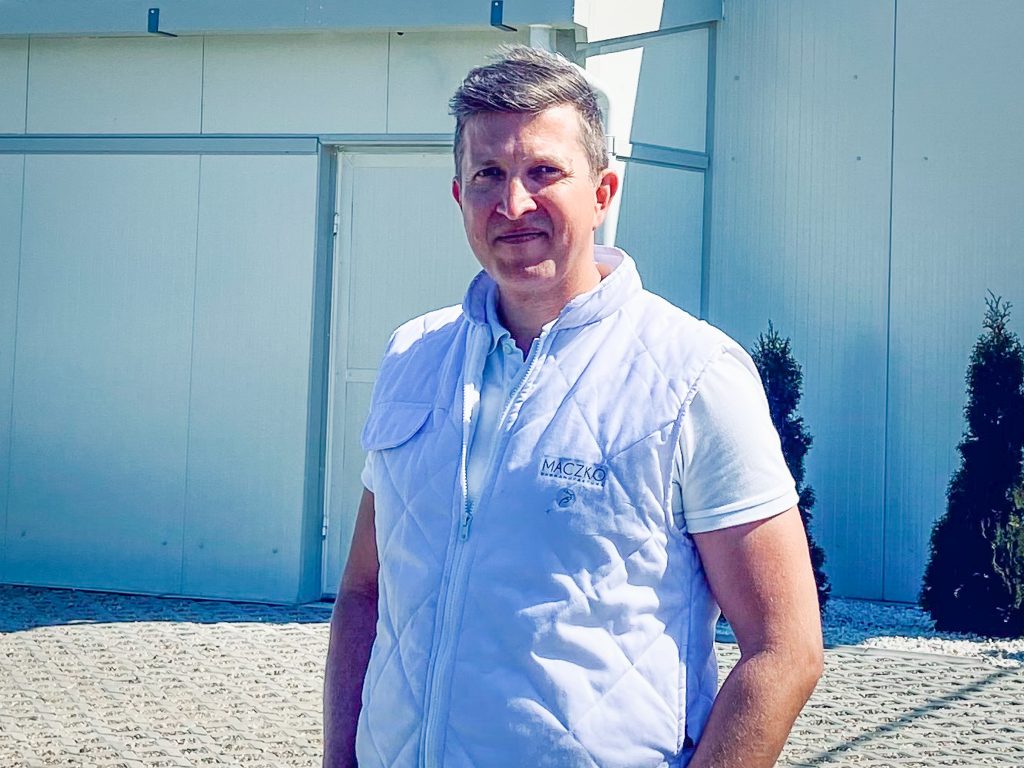
Róbert Maczkó, owner of the Maczkó Wild Game Manufactory, who was on his way to the Matusz-Vad site, described the “wild situation” deer with thigh, with feet and with minced meat, as well as venison thighs and loin.
- Many people choose venison mostly in restaurants, for special occasions, and you mentioned that venison is a festive dish in this country, so it is rarely on the table. Is this because of the price?
- If you look at how much chicken costs today and how much venison costs today, you'll see that there's not that much difference between the two. It's certainly not just the price, but also the fact that game is harder to prepare and requires more attention and skill. Often, even restaurants are afraid to serve game because they cannot prepare it well and tastefully.
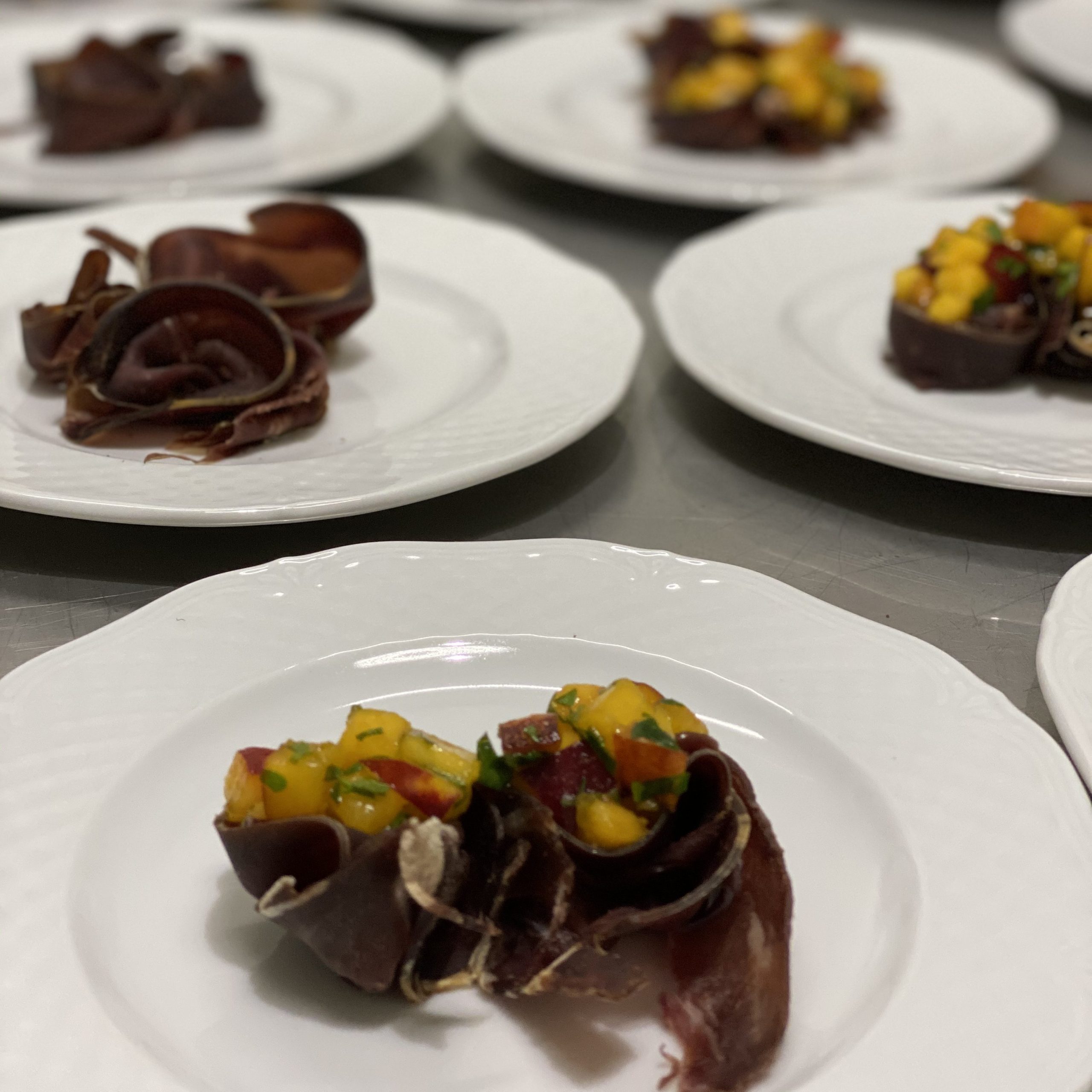
- In the case of beef, it's good to know where the animal lived and what it ate, because this affects the taste and quality of the meat. Does the same apply to game?
- A chef who knows game can tell not only whether the meat is from a fallow or a roe deer, but also from which part of the country it comes. It's good to know whether the animal was shot in the floodplain in Szabolcs County, or in the Mátra, or perhaps in the Baranyai Hills. The mineral content of their food is different everywhere, and this is reflected in the meat. For example, when we make a wild game stock, we use bones, meat, spices and vegetables, but no salt. The mineral content of the meat is a fundamental determinant of the flavour, which should not be overpowered by thoughtless seasoning.
- So the quality of domestic game meat is outstanding because of the abundance of grazing land?
- We have a wide variety of big game and they are present in large areas in Hungary. Perhaps this is not true only for deer, because there are relatively few of them in the Transdanubian region, but deer are found almost everywhere. I have to single out the world-class habitats in Eastern Hungary.
-The game that you offer comes from two sources, one from your farm and the other from animals taken by hunters.
Yes, at first wild boar and fallow deer, but the former herd had to be eradicated due to African swine fever. We farm in the middle of a forest where we had to create the right conditions to start a game processing plant. In addition to Matusz-Vad, we also supply other wholesalers, restaurants and hotels, and we are able to stay afloat by being very careful about quality.
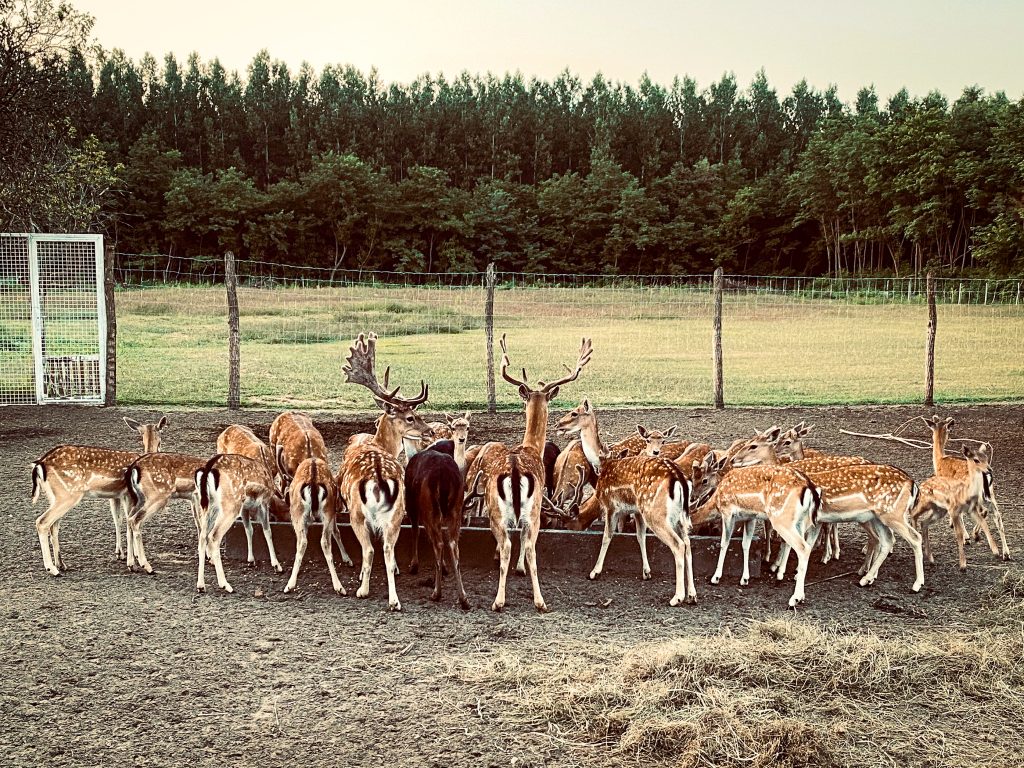
- Apart from the fact that game grown in a great place is delicious, why should we eat it more often?
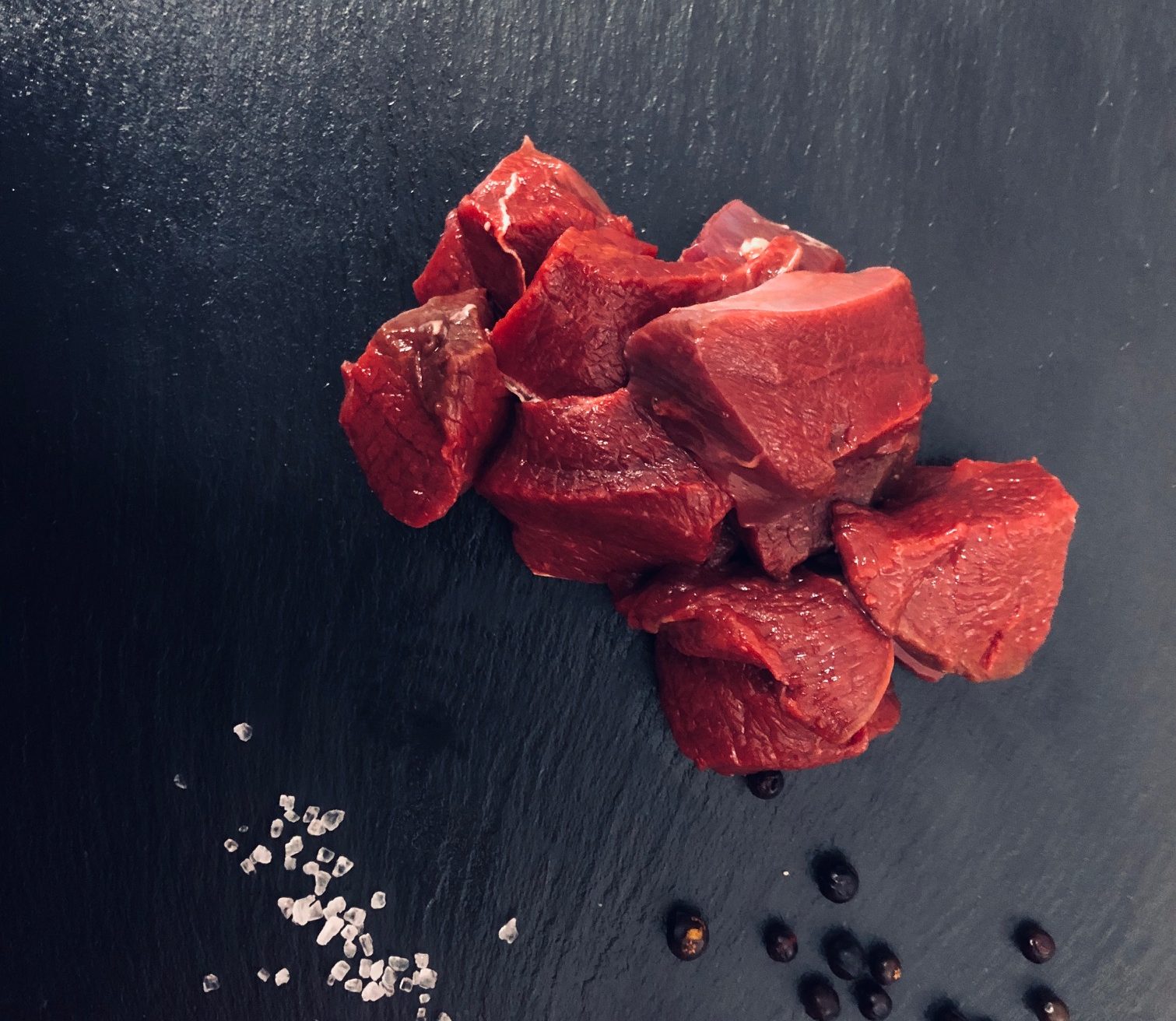
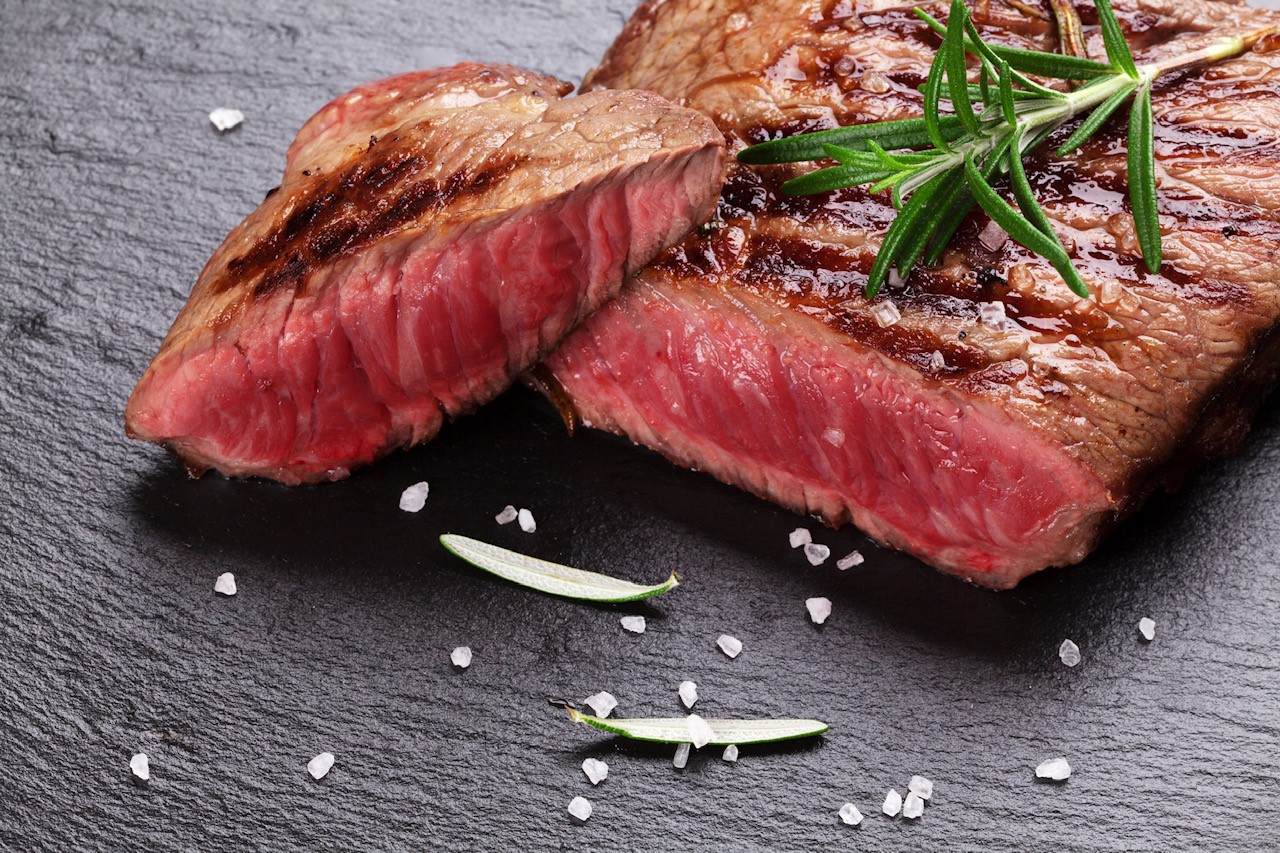
- As he says, in addition to its nutritional value, it also has an important nutritional role, mainly due to its protein and fat content. The protein content of meat from domestic animals is 18-20%, while for deer it is around 30%. At the same time, there are almost no carbohydrates or fats: between 1 and 4 percent, making it a very healthy food. As for the dark reddish-brown colour of the meat, this is because the animals are shot rather than slaughtered, which blocks the blood vessels and prevents the animals from bleeding. When packing, we take care to vacuum the meat more lightly than usual, trying not to break the fibres, so that bloody juices do not run out of the product when it is opened in the kitchen.
- What are the most valuable parts of wild animals?
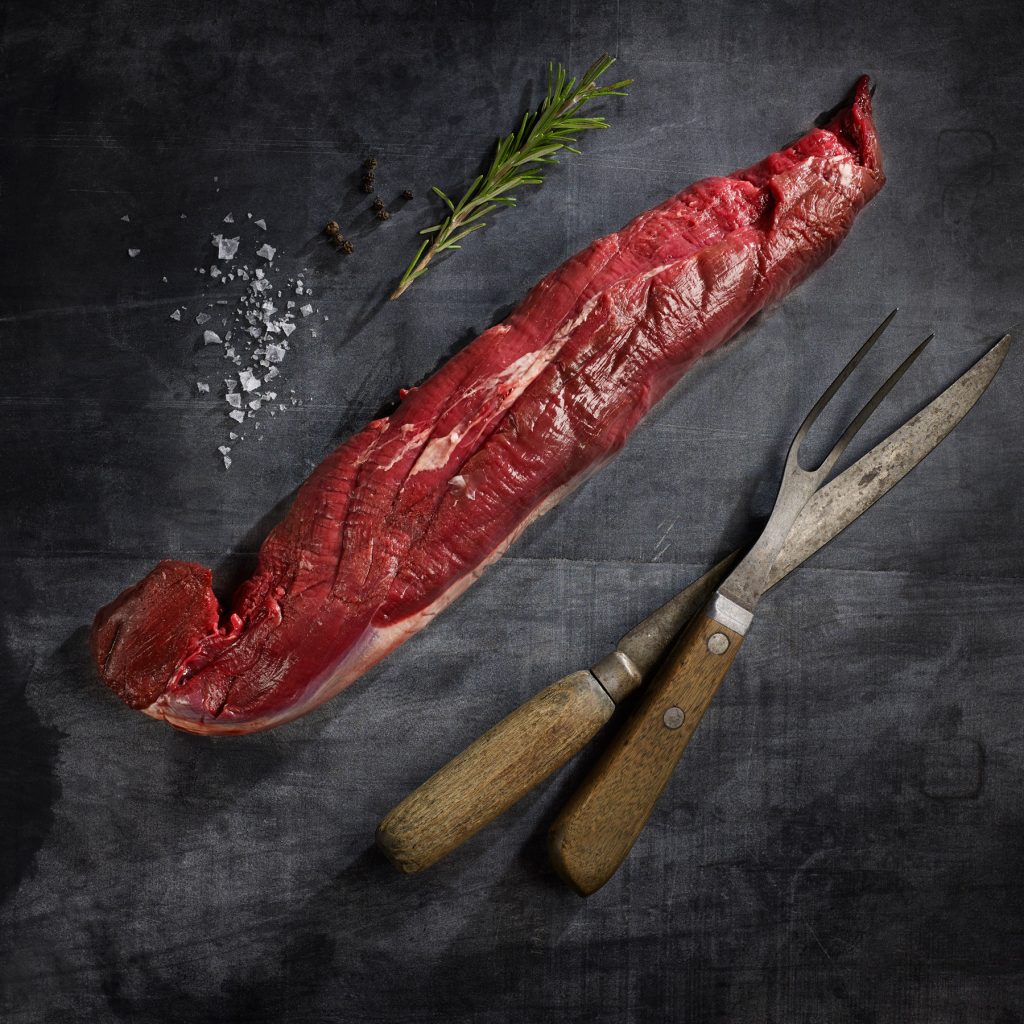
- The most valuable and expensive parts of deer, elk and wild boar are the backbone, the loin and the tenderloin. I should add that in the case of the deer, the tenderloin is so small that it is not usually dealt with separately. These parts are free of parasites. In the case of wild boar, there may be pathogens that pose a mortal danger to humans. That is why the rules are very strict here, and each boar is checked twice.
- What does a hunter do and what do they do in the food laboratory?
- The primary examination is carried out by a qualified hunter after the animal has been killed. It then arrives at the processing plant, where a veterinarian from the veterinary department carries out a second examination, and only then can processing begin. Game bought from the house does not go through this official process, so there may be lesions on the meat that the hunter does not notice or does not consider dangerous. It is true that pathogens can be destroyed by freezing or heating, but the meat is not only used for cooked food, but also for smoked or cured meat: sausages, salami, ham. This is why quality should be tested in a laboratory.
- But that's not the only thing that makes game processing special, it also means, for example, that the tough skin that covers the meat and makes it difficult to eat must be carefully removed.
- The structure of game meat is also special because it has a lot of skin. If it's not completely removed in the plant, it can take half a day to clean it in the kitchen, so it really does take a lot of skill and experience.
- What do you recommend for someone who has never made a game dish at home? Where to start?
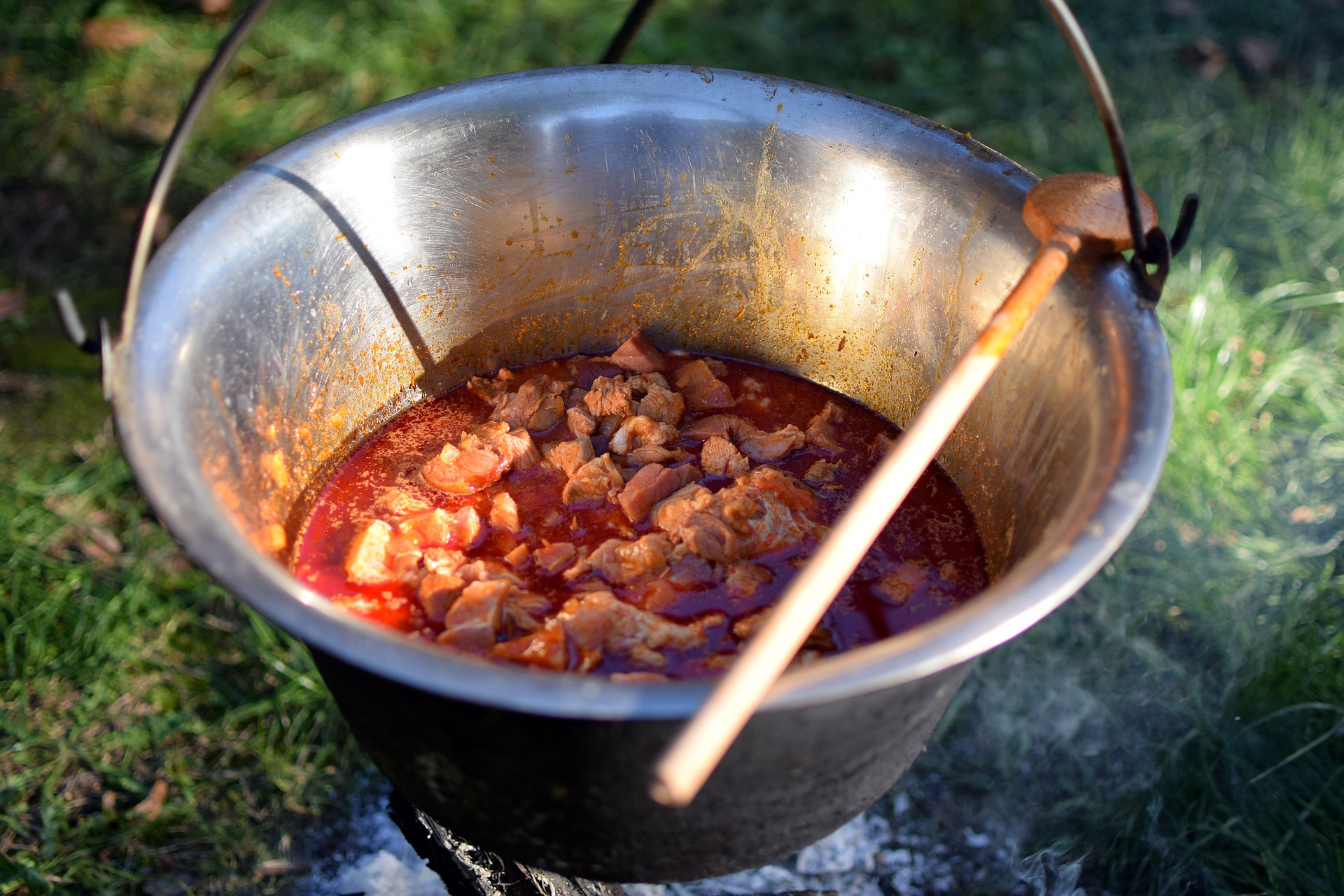
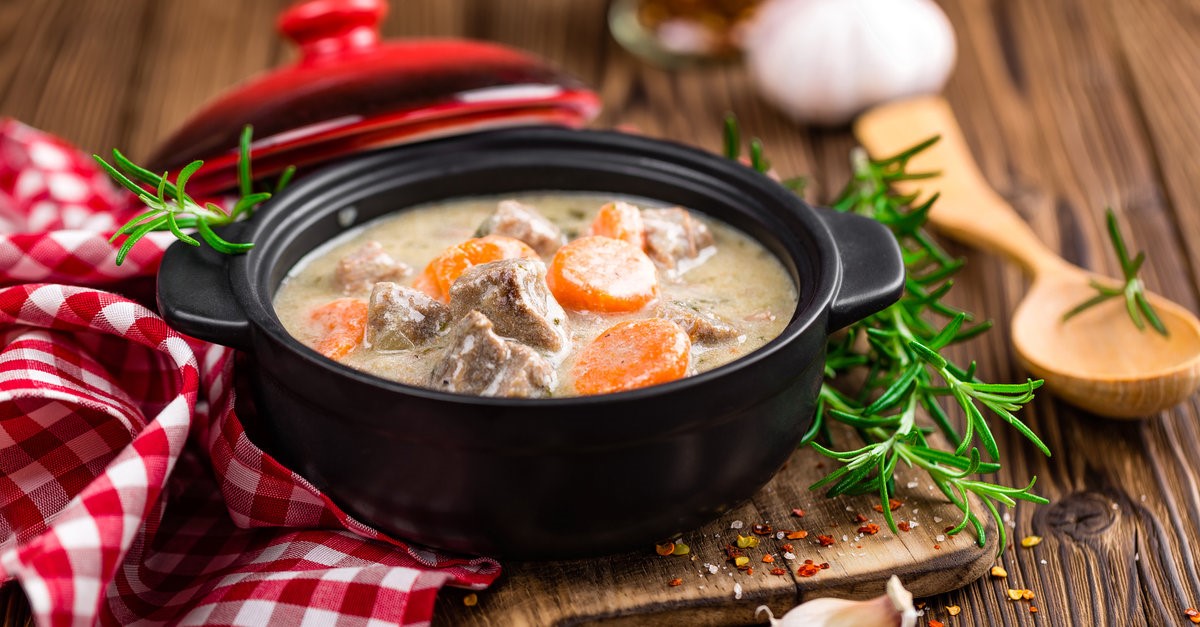
- Don't try to roast a deer spine right away! There's no getting around stew, everyone tries that, but I'd recommend a venison stew. You can get a good quality, diced up, colour-meat ingredient for this in the shop. It almost makes no difference whether you buy venison, deer, wild boar or perhaps mouflon, because any of these is sure to be a big hit.