





There is no shortage of guests and labour in the Small Tirol Inn, although it is nowhere near a prime location. In Budapest, in the garden area, in the XVI. district, in a quiet little street. The restaurant was briefly run into the ground by COVID, but nowadays they prefer to forgo major events just to serve their regulars. Interview with László Fáncsi Jr.
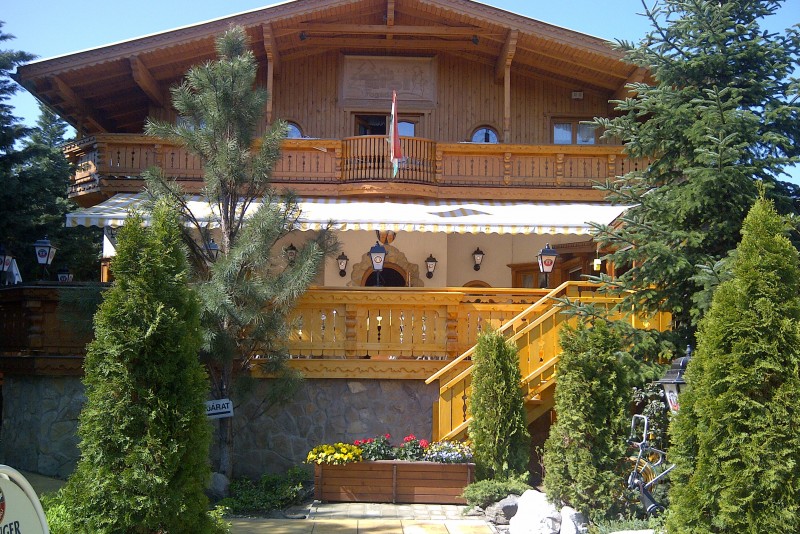
The Little Tyrol can't really be said to be in the best location and to live off tourists. So what is the secret of the restaurant's success?
- There are no secrets. We bring authentic Bavarian and Tyrolean cuisine, with a touch of Hungarian, because we are in Hungary and we have to pay attention to traditional recipes.
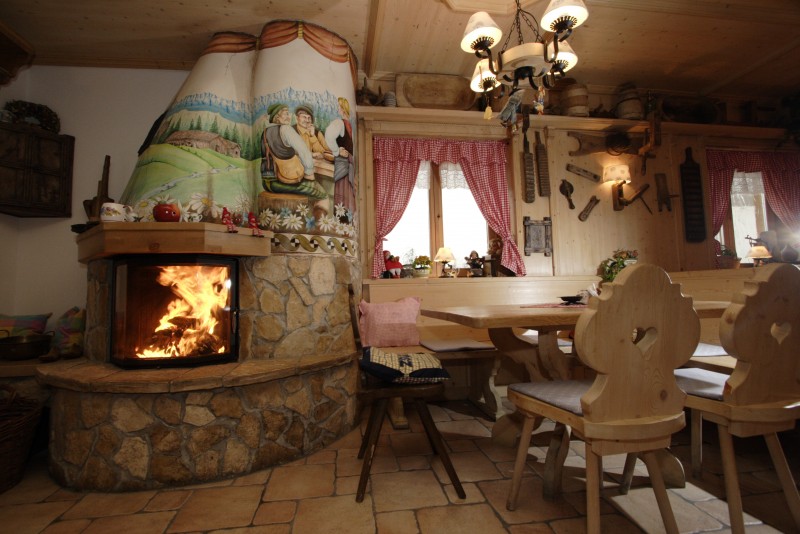
The atmosphere is indeed like being dropped into a Tyrolean restaurant, which is very unusual here. The layout of the restaurant is reminiscent of a hut in a ski resort, in a classic mountain setting. Whose idea was all this?
- It was a suggestion from my father, who used to go skiing abroad a lot, and that's where the idea came from. He had a carpentry workshop, which was a great help in designing the building, a restaurant with a Bavarian Alpine feel in Budapest.
Your Bavarian chicken dishes are very popular and in demand. Where did you get the traditional recipes?
- I get in the car, drive to Germany, look around and try to guess what's in the food, then look it up in the cookbooks outside. And when we choose our staff, it's important that they have experience abroad and an insight into Bavarian, Austrian cuisine. All you need is excellent raw materials you need.
How was the Little Tyrol received when it opened in 2004?
- It took six years or so for the restaurant to make a name for itself. But now we've managed to get a full house all the time.
“The Little Tyrol Inn was founded in 2003 by id. László Fáncsi built the Small Inn in 2003 based on his own plans and designs.
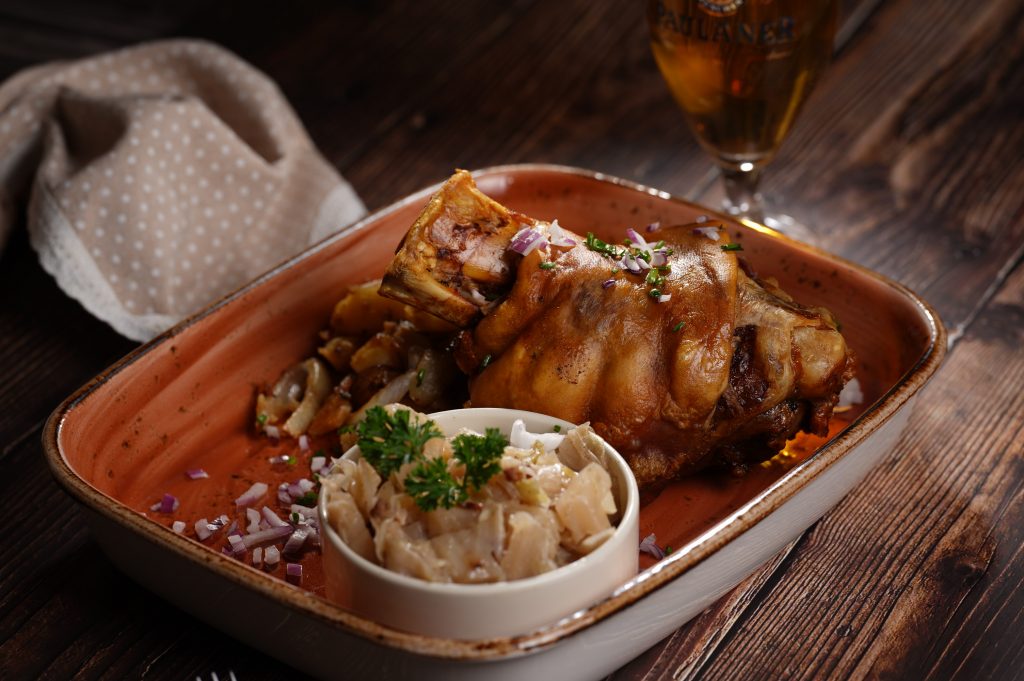
The restaurant and guesthouse started operating in 2005, and after many years, in 2013 the Fáncsi family finally took over the exclusive ownership of the place. The management of the inn was taken over by jr. László Fáncsi, and Dániel Fáncsi provides the marketing background. The restaurant and pension owes its authentic Tyrolean atmosphere to the fact that the family has long been obsessed with skiing, and the father is also a master of wood in his own interior design workshop. He combines family hospitality, a cosy and friendly environment, and home cooking to offer his guests and regulars alike. The kitchen specialities are: steamed dumplings, Kaiserschmarren, crispy shanks with bajor cabbage.”
It cannot be said that the restaurant is in the best location from a tourist point of view. Did you have to spend a lot on advertising?
- We didn't spend much on advertising, but rather spread the word about the restaurant by word of mouth. I think it's very important that we keep trying to provide a high quality of service that is attractive to people who come in.
Was there a dead end in the restaurant's history that made you change? Whether it was a meal or an event that didn't turn out to be the right direction.
- We haven't had many of those, but it's probably worth mentioning that we only have weddings until September, because after that we prefer to host our own guests rather than the wedding party. Regulars take it badly if their favourite restaurant is closed and they can't come at the weekend, for example. We run the risk that next time they won't come to our restaurant, but will go to another one.
What are the most popular foods?
- We sell a lot of Bavarian liver dumpling soup, which is made with a broth base and pork liver. A pork knuckle and spinach, and our virgin dishes are also very popular. In other words, they are mostly the same as in Germany.
Is there Hungarian food on the menu?
- There is no Hungarian dish based on paprika, but, of course, the Austrian flavours are reminiscent of Hungarian. Perhaps this goes back to our common history, the time of the Monarchy, the common cuisine, the cooperation. They are on the menu.
How did you survive the most difficult period with COVID?
- It was difficult, although we did not close. We took delivery, but we were still a shadow of our former self, which meant that we were down at least 90 percent from our usual turnover.
Did anyone have to give up?
- No, we didn't have to let anyone go, but we reduced salaries because we didn't have much income. There were some people who left to go and work in other sectors, and they never came back because, as far as I know, they left the hospitality industry for good.
Were they easy to replace?
- No, it was very difficult. It's almost impossible to find good professionals, and the people who are working in hospitality these days are beyond criticism.
In this environment, how do you get the people you want to work with?
- It's very simple: you have to pay them. In other words, you have to offer them at least one and a half times the current market salary, and then they will not go abroad, but stay here to work.
It is rare to hear from restaurant managers that they have to pay their colleagues because they can't afford it. So who can?
- Yes, but at the cost of not being a cheap restaurant. But we have to set a price somewhere, a level, so that we can work with the kind of people and deliver the quality we want.
Where do you want to be in five or ten years?
- Nowhere, that's the level we want to keep reaching, and it's getting harder because of the quality of the people working in the hospitality industry.