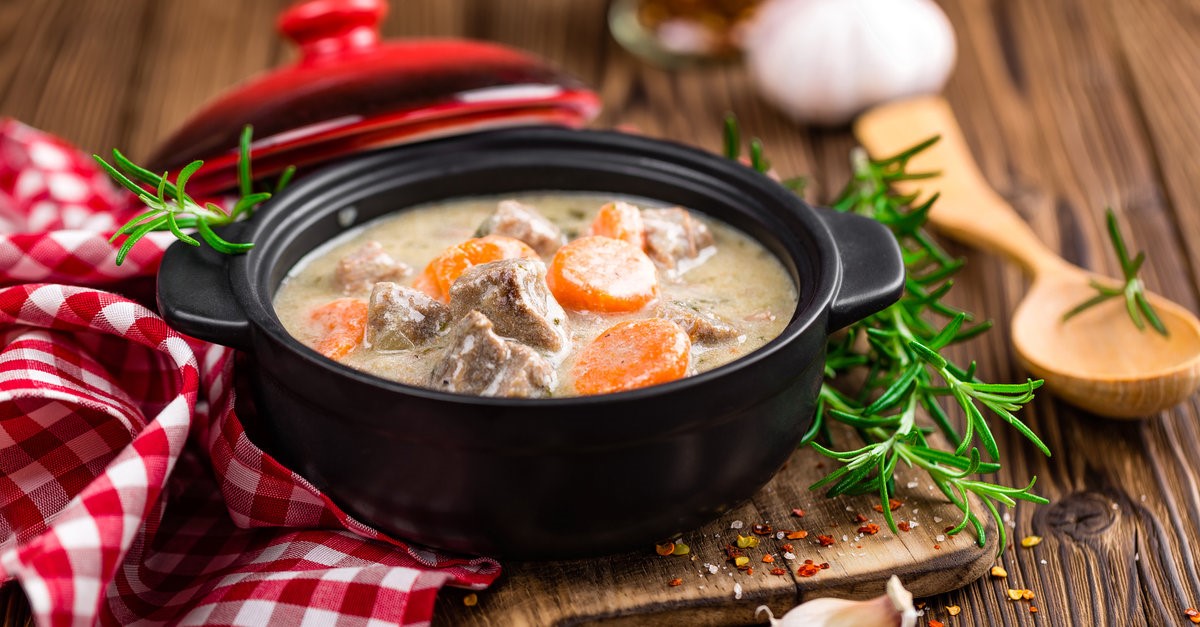







Beef cheeks have not been a hit in the past. Although it has become more and more popular recently, a decade ago most people didn't even know that it was a separate type of beef.
Housewives typically prefer leg meat, but somehow the cheek meat is always left out. Of course well known in the hospitality industry its benefits and also that it is not always possible to get enough of it.
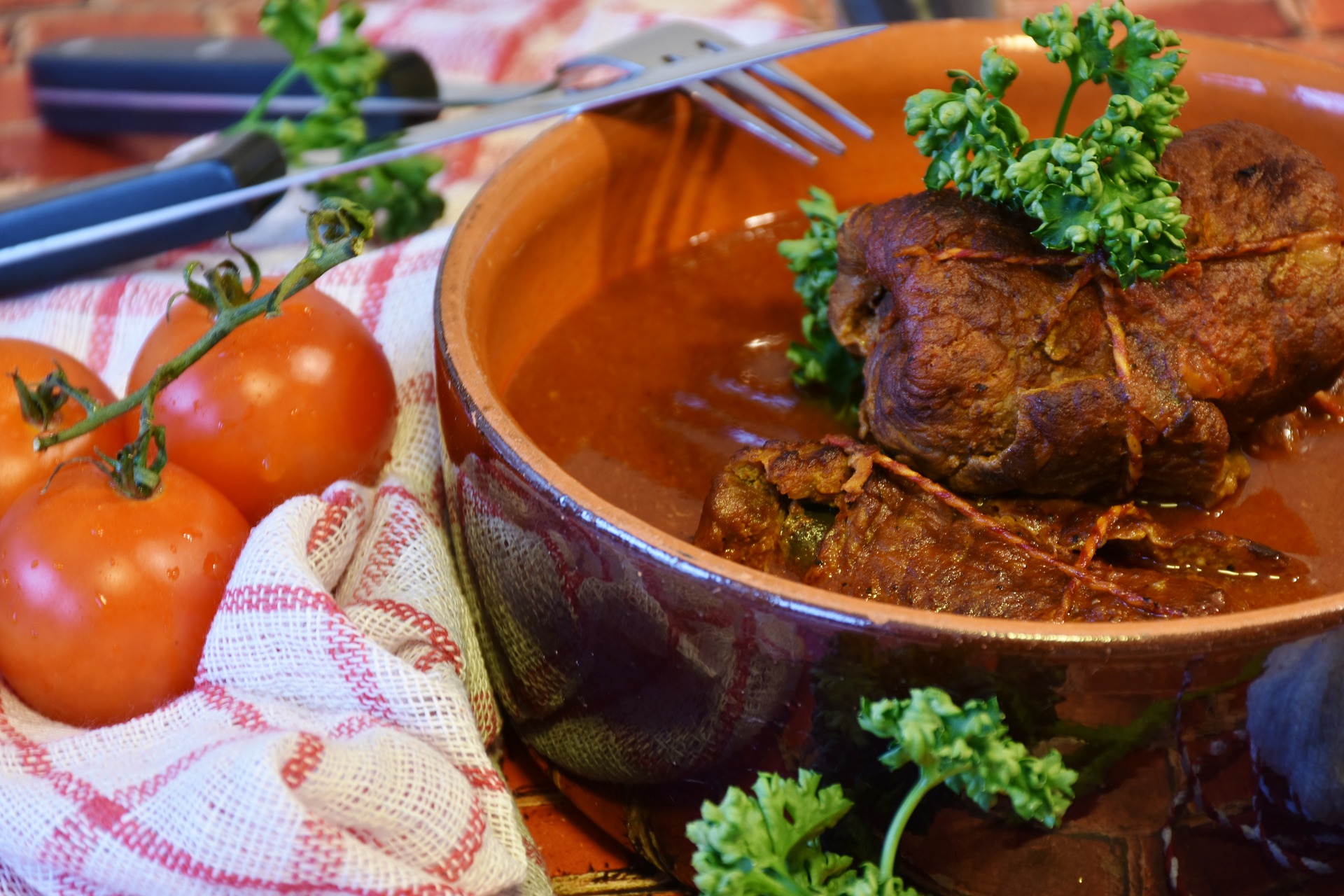
It is generally accepted that the “prettiest”, people choose the best looking meat. If it's not shank, loin, thigh or even chicken breast, they'll pass it by, even though it's on top of these that you'll find the Most valuable parts. It's also no coincidence that, in the case of the beef cheek, it's a little further back in the fridge, for two reasons. The first is that it doesn't look as good as the other parts, and the second is that experts and butchers are more careful with the more valuable cuts of meat. Nowadays, people are much more aware of what they are buying because of the increased interest in gastronomy. They are beginning to understand and discover the essence of the beef cheek.


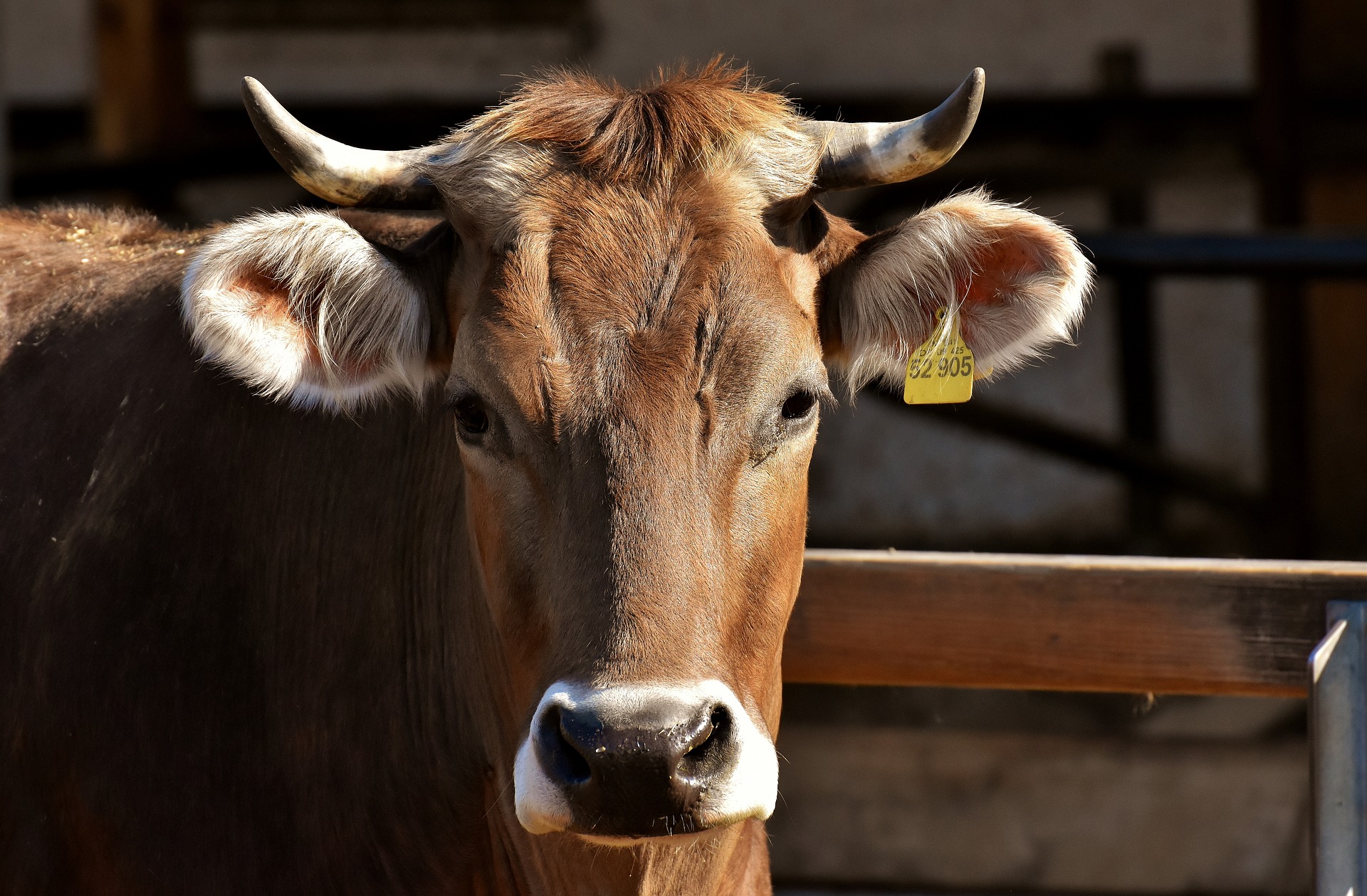
The cattle
The cattle (Bos taurus) is a species of mammal of the order Paired-toed ungulates, within the family of the horned ungulates. It was initially bred for its meat, but only later was its milk used. It was also used as a draught animal. In addition, the tusk and the skin are also used. Its manure can be used as fertiliser, but can also be used as fuel or building material. Hardy breeds are also used for landscape management, such as Scottish Highland cattle, Hungarian Grey cattle, Heck cattle, Galloway cattle or the ancestral breeds of southern Europe. Cattle are herbivores, but they can make better use of the energy content of their feed by ruminating. Cattle make 30,000 chewing movements a day, including rumination.
Because cattle are ruminants and chew a lot throughout their lives, they have a very strong chewing muscle. Just like the leg, it is heavily used. This makes it a pretty big piece of muscle, full of fibre and collagen. That's why it's best used in dishes that take a long time to cook, but that's exactly why it's so delicious. Cooking it slowly leaches out these substances and produces a crunchy, clean, slightly sticky delicacy.
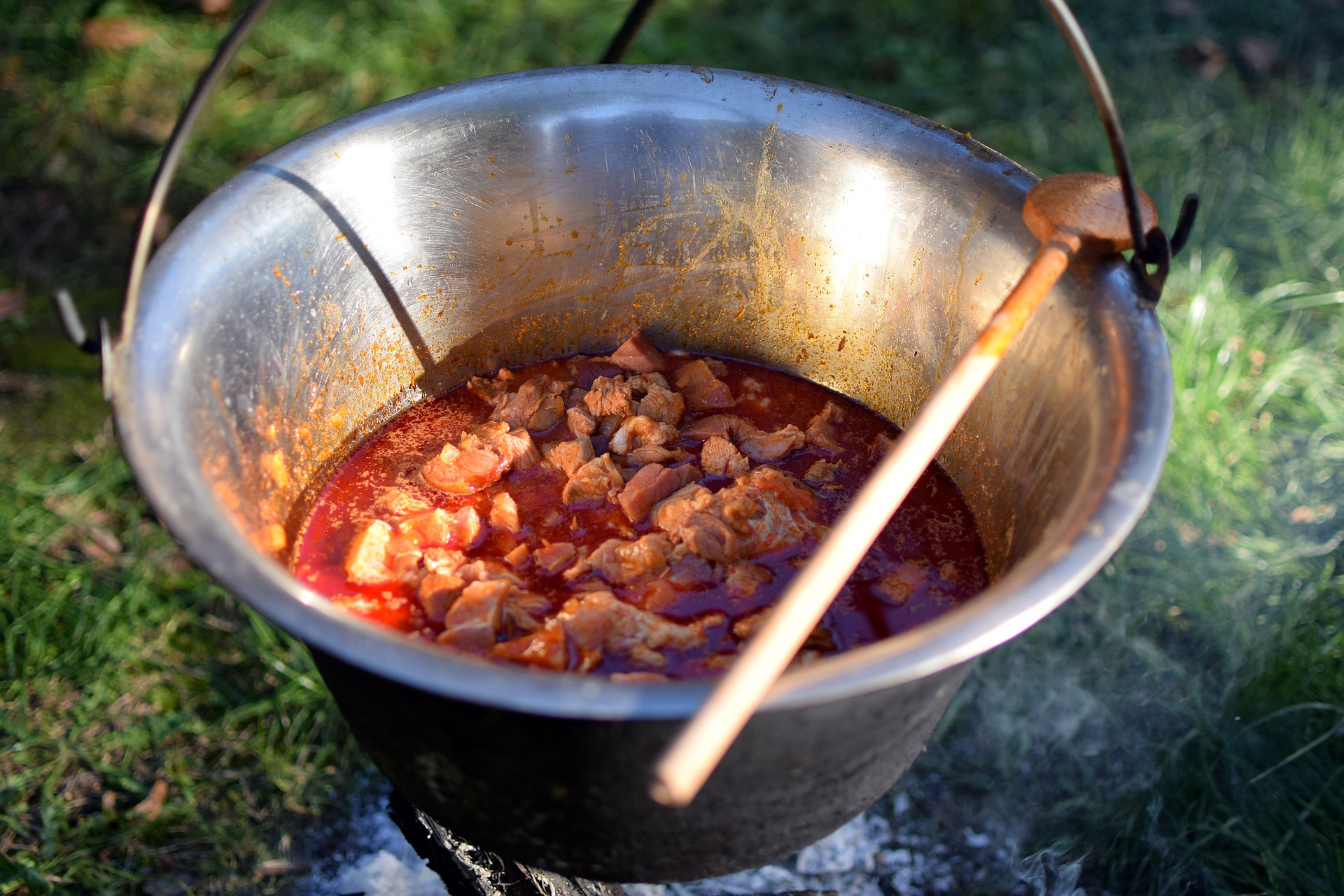
It is one of the most popular ingredients in folk cuisine. The gizzard muscle must be removed from the beef cheek and the membrane peeled off. It is worth removing the tendons to get a fantastic, fat-free meat. It is advantageous to prepare the cheek meat and soak it in a brine solution of up to 6 % for 5-6 hours, which will give it a uniform flavour and prevent it from drying out for longer. In peasant kitchens it is cooked for a long time over a slow fire.
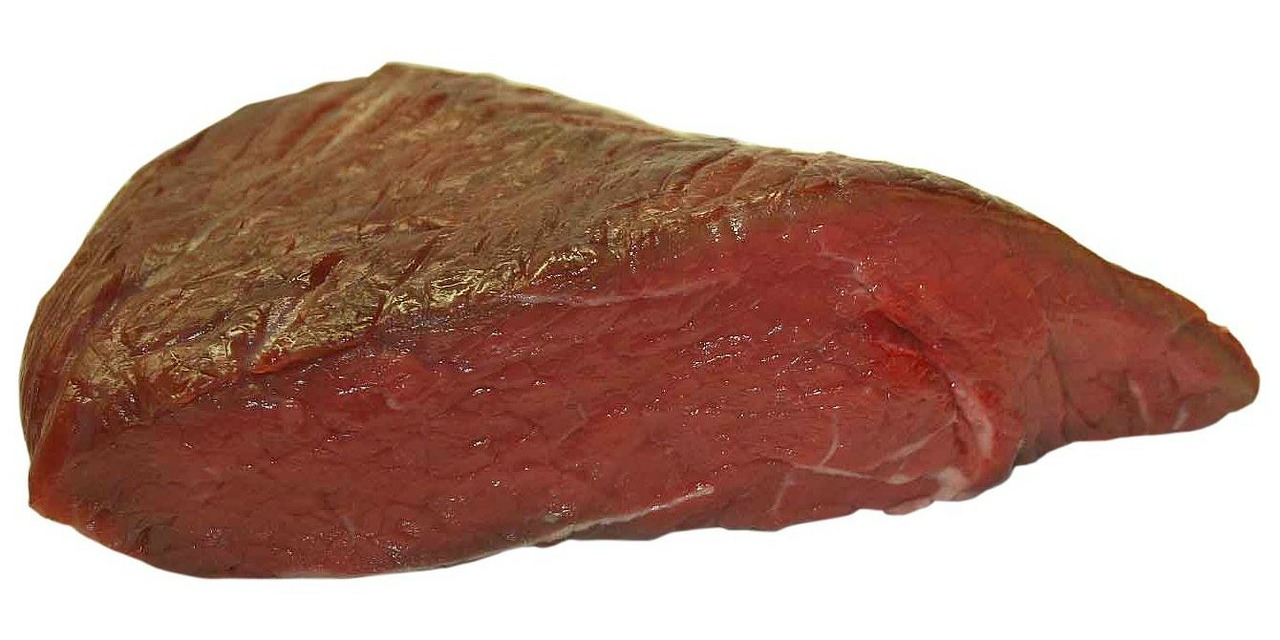
How to make it?
It's worth confit- practically putting it in fat- which is a kind of preservation method. The fat cuts off the raw material from oxygen, so the bacteria in the fat cannot multiply and the meat does not ripen. And confit meat is also much tastier.
And the latest technologies - sous vide - offer the possibility of high-quality cheek meat.
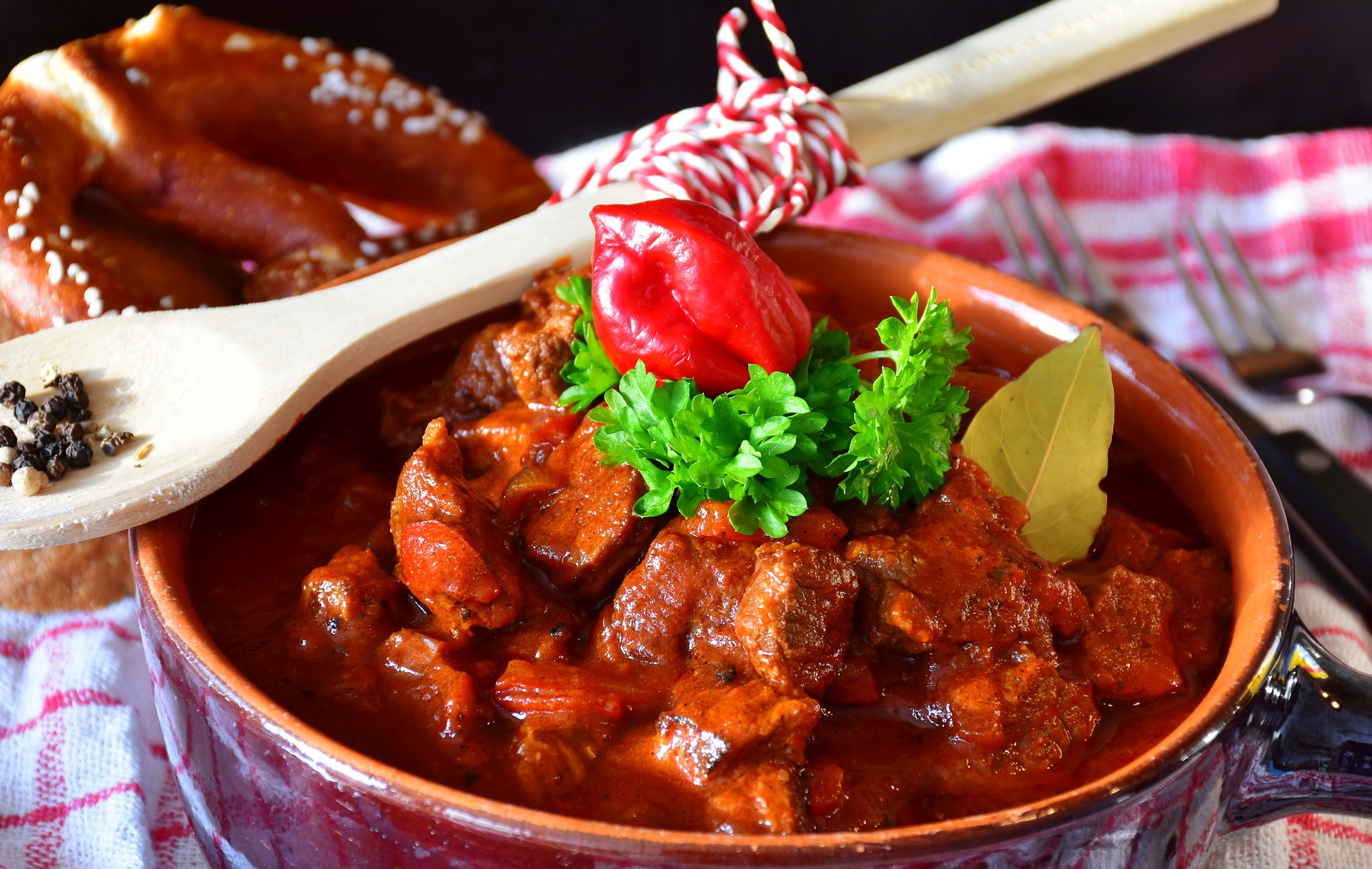
Beef stew Sous Vide
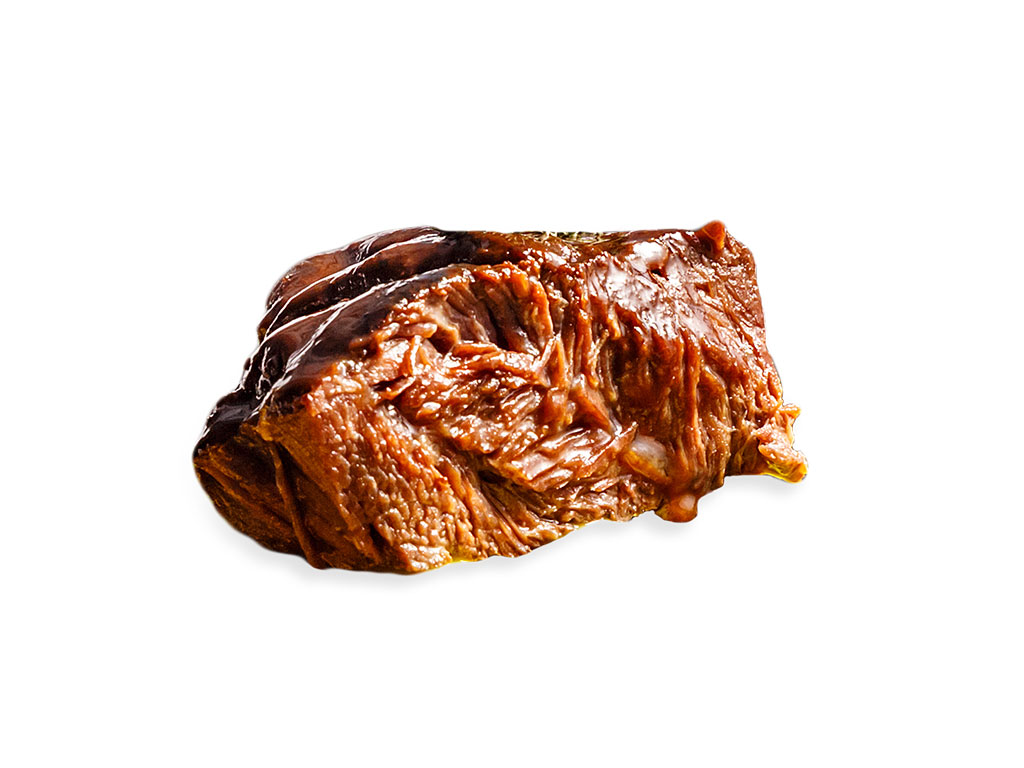
The beef cheek is the juiciest and most delicious part of the beef. When prepared slowly and gently, the result is fantastic. We season it lightly and heat it for over ten hours.
Author: Tamás Budafoki