





We've known for years what Pho soup, sushi or even Ramen is. We would never have imagined at the time that these dishes would become a gastronomic delight that we would also enjoy. Yet these specialities are accepted, popular and trendy nowadays. There are few restaurants that can authentically bring Asia to life - Japanika is one of them.
Its popularity is also due to its location near the Basilica, a popular meeting place for young people and a popular tourist area. The popularity of sushi, how they have weathered the difficulties of the past year and what they are experiencing on the market Somogyi Kingfrom the Japanika I asked the manager of.
- Since you are representing an Asian line, what is the composition of the guests? I'm thinking about the ratio of domestic to foreign guests and the age groups that like this cuisine.
- Fortunately, we were not, and are not, a place built on tourists. This was very evident during the covid. Japanika is a very direct, likeable brand and everyone can identify with it. Families, young people, party people and anyone from everyday life. All this despite the location being a priority zone. We have created an environment that is completely fuss-free and has a wide range of audiences. Of course it is a location frequented by tourists, and they do come, but that is not the case at the moment.
- Where is the awareness of Asian food and sushi compared to the beginning? Is it still considered a curiosity, a one-off unique meal or is it now a commonly consumed cuisine?
- A generation has grown up whose children now love sushi. A lot of people have become open to the flavours of the Orient in recent years. The attitude one has towards this cuisine determines the first experience. Most of the restaurants in Budapest don't have people who work in this field, it's limited to a few suppliers. We are fortunately very good at this and can really work with traditional, high quality ingredients on a consistent basis. No compromises - sushi can only be high quality from fresh ingredients!
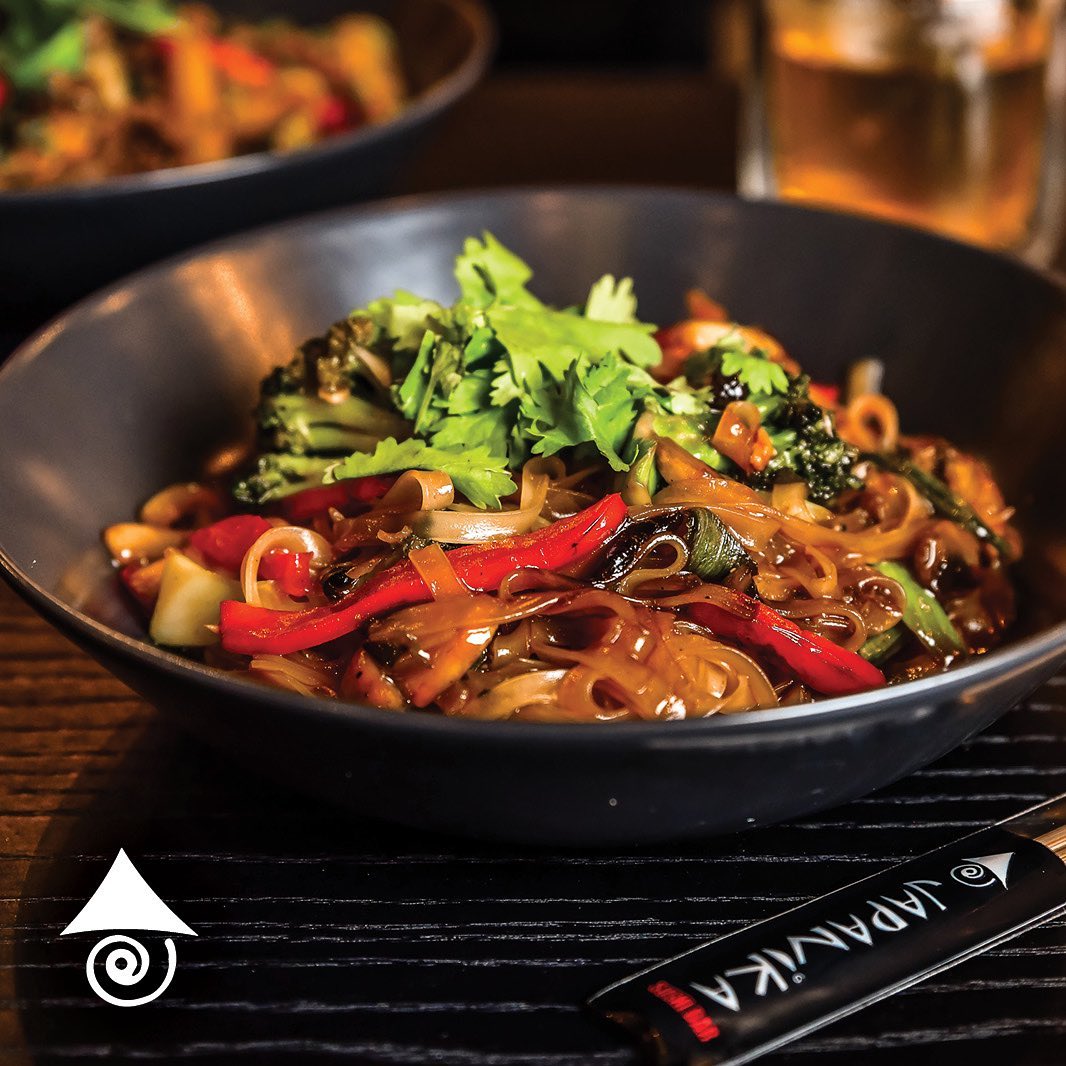
- Is it important for guests to have an authentic interior and atmosphere?
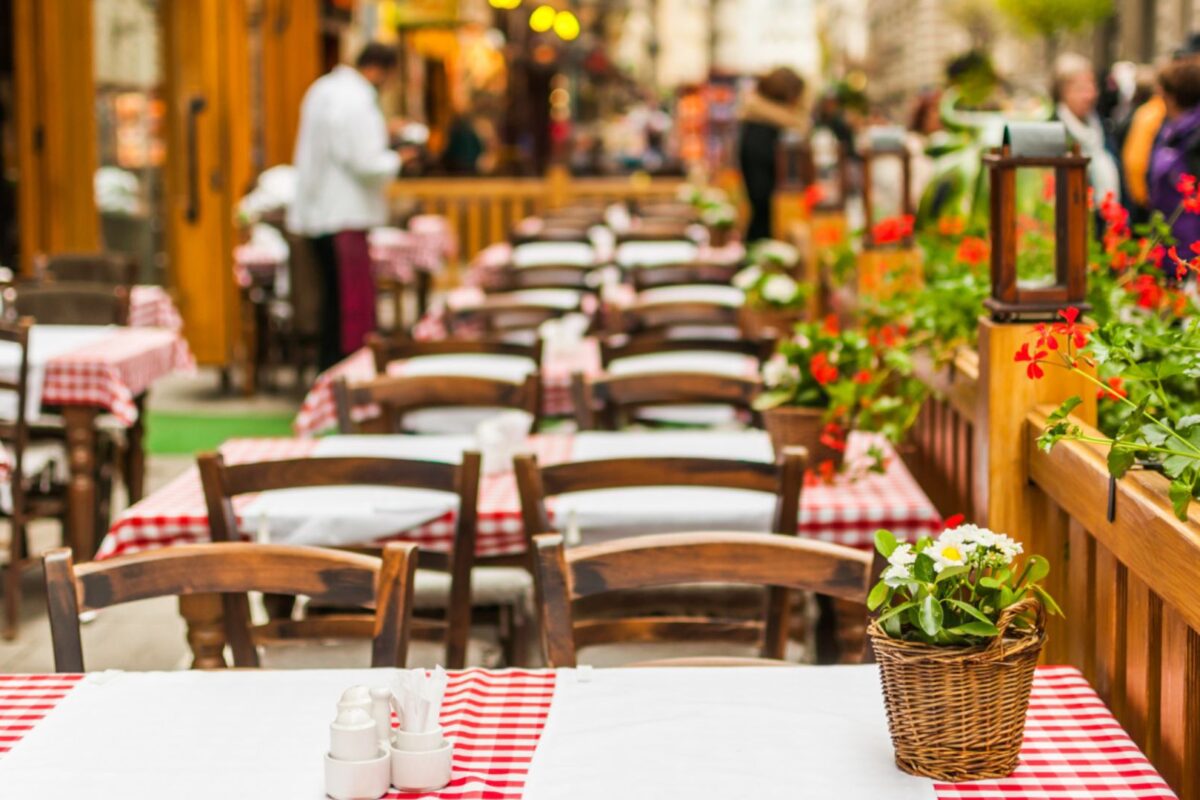
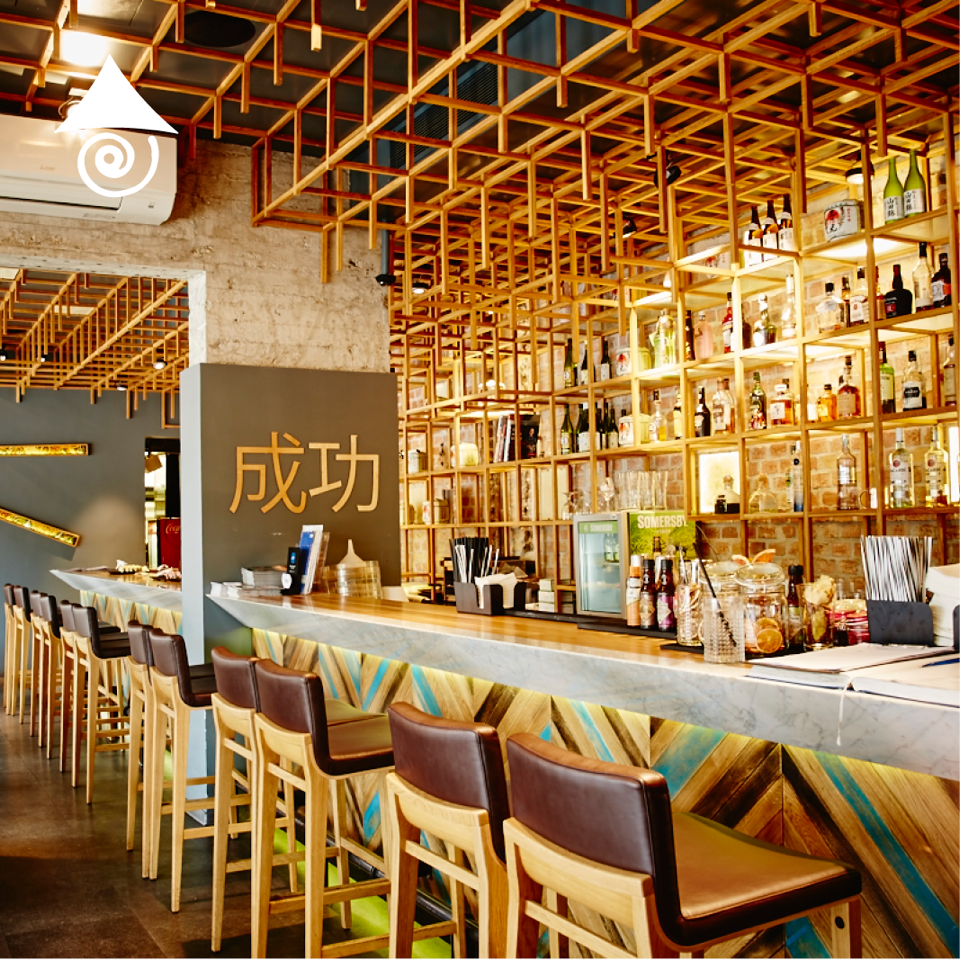
- There is an Asian influence in the design of the restaurant, but it is not so overpowering as to be distracting. The ceiling, for example, was designed by a Japanese designer, with sake (an ancient Japanese alcoholic drink made by fermenting rice) barrels and Japanese inscriptions on the walls. But it's not so distracting at all, if you want to come in for a panko crumb chicken breast, you can have a good time too. Japanika's cuisine is just half of what is specifically oriental, so we can cater to any taste.
- Are there any trends in sushi, and if so, what are they??
- There are many varieties of sushi nowadays. There are fried, crumbled, Hungarian, mozzarella, and even chicken. So, apart from the traditional combinations of raw fish and cold rice, there is something to suit almost everyone's taste. What most people can accept is a sushi with vegetables and cucumber. Then we go towards a salmon line, and then people open up to more raw items. The really authentic raw sushi is working with the raw fishy flavours that are so clean and raw that it's not necessarily shaped to the palate of the European. But that's not surprising, as an island cosmopolitan is used to eating whatever the sea or ocean has to offer. In Hungary, where we grew up on pork and beef, it may not be easy to get to grips with the culinary Kama-suite of the East, but if you are open to the infinite harmony of flavours, you can find everything in sushi.
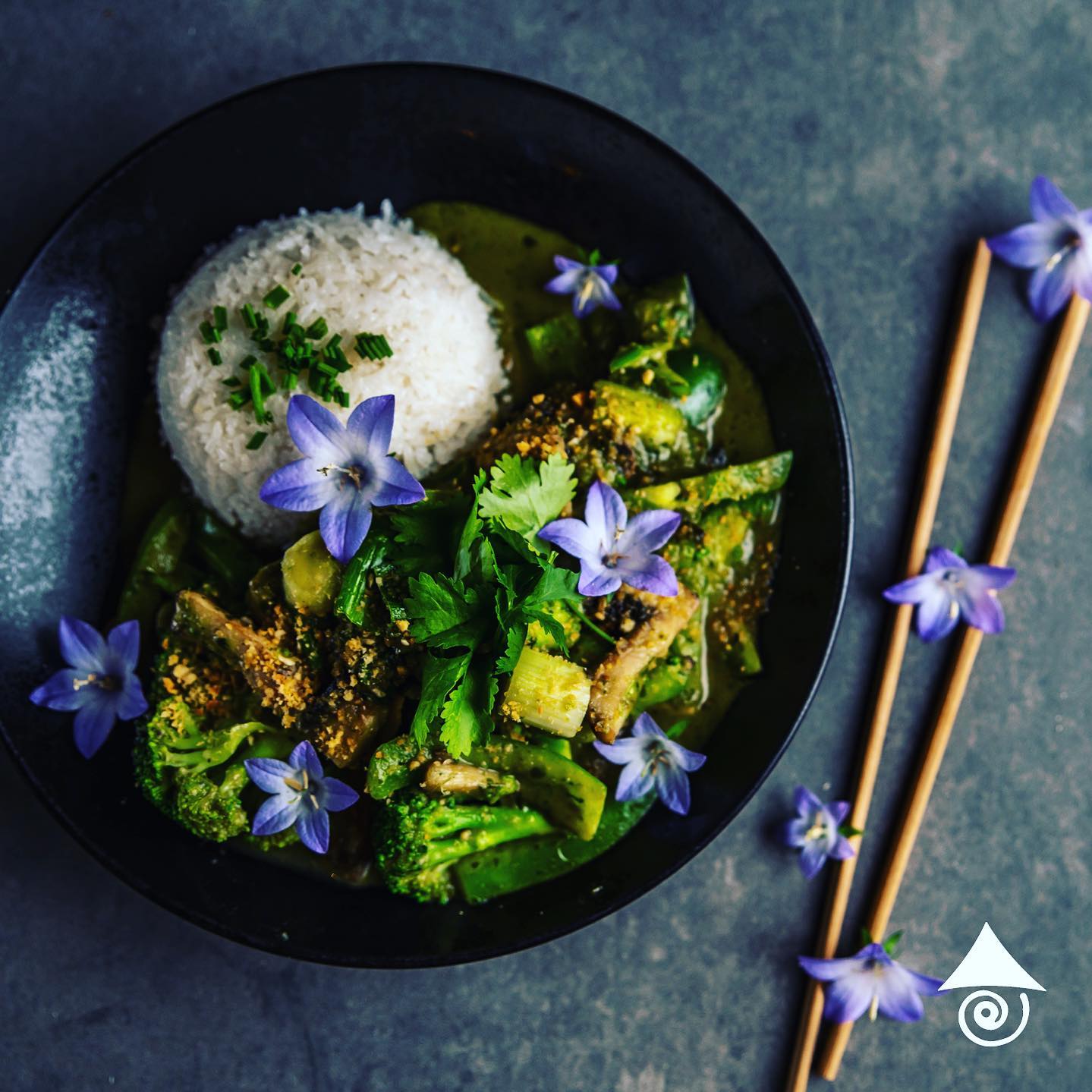
- Is there such a thing as Hungarian sushi?
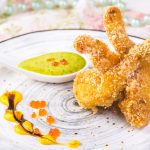
- We are talking about things that are Magyarised. But it's mainly sushi rolled in panko breadcrumbs. Although few people may know that panko is an Asian invention, it is similar to our cuisine. It reminds us of the breaded meat that is so popular for Sunday lunch, and sushi rolled in this crumb reminds us of it - it is closer to people's hearts. It's no coincidence that in the colder weather, we're including this kind of sushi in our winter offerings.
- How much has hospitality picked up since the reopening?
- My view is that those who have survived are those who are either unique in something or have a very high standard that people want. What we experienced when we opened in May was that people started to flock in. They were really looking forward to the gastronomic experience, the feeling of the terraces. We were able to bring a very good summer season. The autumn-winter season, however, has absolutely gone viral! On the one hand, the omicron has discouraged our guests, and on the other hand we have a lot of staff problems because of the illnesses. Many companies have postponed their Christmas events and parties, or postponed them until Carnival. Typically, much smaller events could be done.
- Apart from the slow season in January, what are you planning for the rest of the year?
- Obviously the winter has slowed down the momentum, but I see that everyone is already preparing for the season, for the summer. As soon as a little sunshine caresses people's faces, they throw themselves into the experience with a happy smile. We are looking to the future with confidence, as we want to give people experiences. Japanika does just that, and offers a pulse of something special.#
Photo: Japanika