






A Strudel A pasta dish known in Hungary, Austria and Serbia, made from very soft kneaded dough.
It probably spread to Europe during the Turkish expansion in the 16th century. Its ancestors may have been savoury and sweet pastries made of filo pastry from the Balkans, which still exist today. Initially they had no filling, and it was only from the 17th century that filled versions became popular. A strudel recipe dating from 1696 can be found in the Vienna City Library.
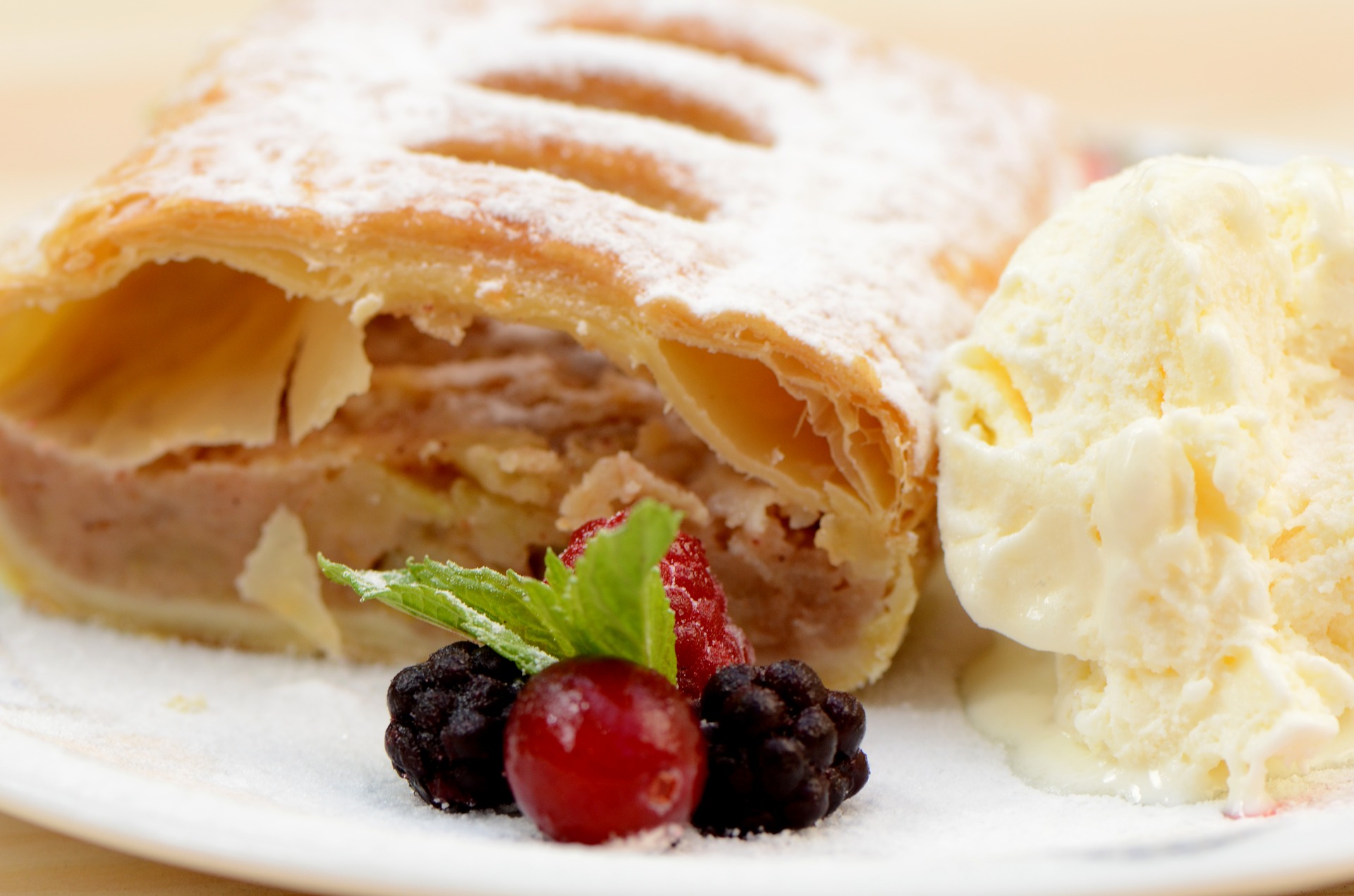
It reached its present form at the turn of the 18th and 19th centuries, mostly in the Austro-Hungarian Empire. At first, it was made in many different ways, but eventually the rolled-up, stuffed strudel evolved, which is still followed in recipes today. Kristóf Simai, a Piarist monk from Selmecbánya, recorded several varieties in his cookbook between 1795 and 1799, including strudel with sour cream, cottage cheese, rice, poppy seeds, apples and cabbage.
Domain name a noun formed from the adjective „layered”. Originally it was oddly enough without filling and consisted of many layers of dough. From the 18th century onwards, the pastry was stretched out on the table by hand until it was as thin as a sheet. Then fillings were added, typically everything at first. From fruit to vegetables and even meat. Once the thin dough was filled so it wouldn't tear, the tablecloth was heated to warm it up and the dough was rolled around the filling. It was baked in an oven, usually in a baking pan, usually shaped into a spiral to fit.
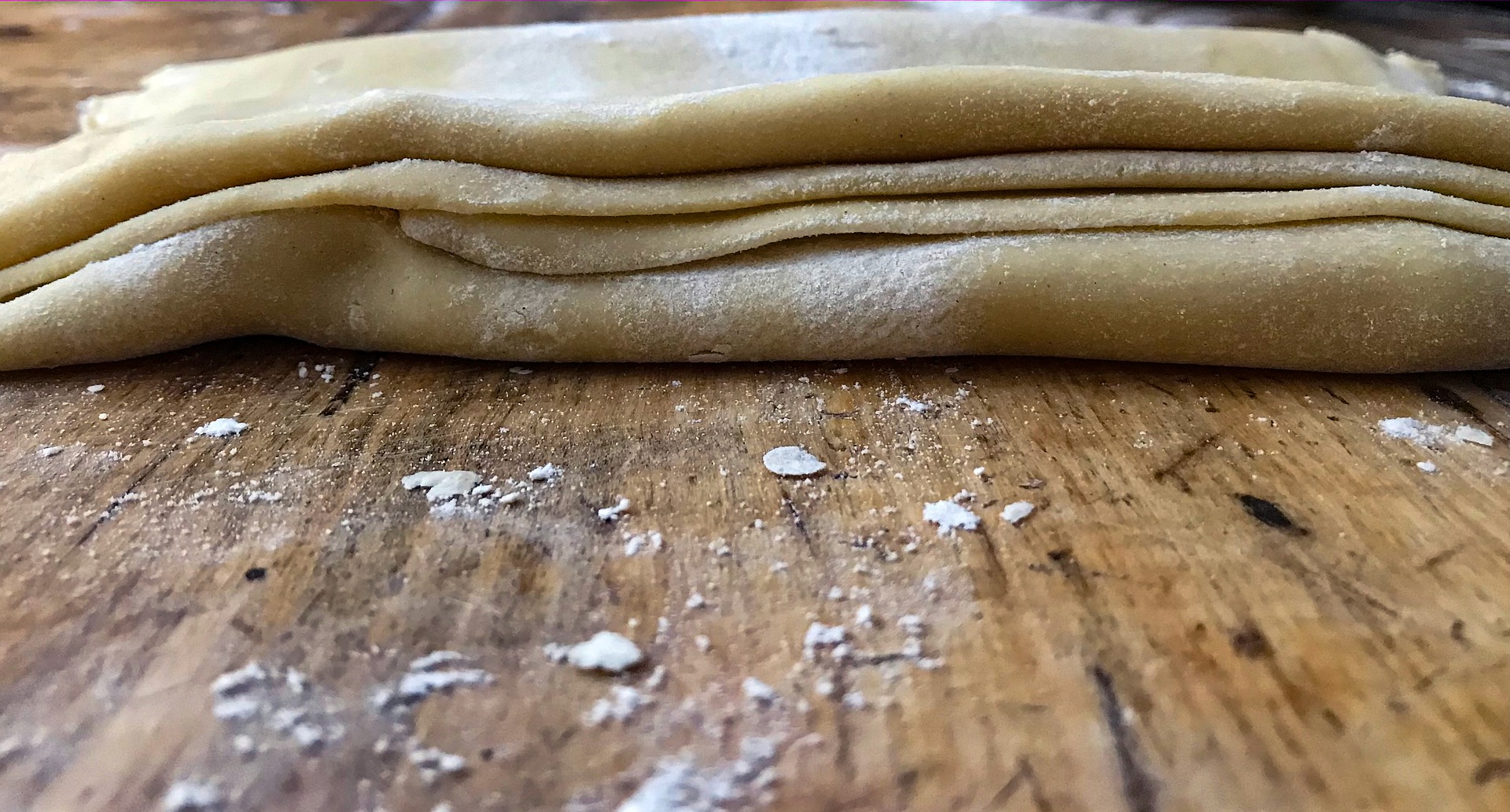
The uniqueness of strudel
It owes its uniqueness to a layer of crispy dough, stretched to a hair-thin crust with a neutral flavour, and seasoned with a variety of sweet or savoury fillings. It is typically a richly packed, filling-centred delicacy. Usually a cake with a surface dusted with icing sugar. Since the 19th century, it has been a traditional sweet at festive feasts and banquets in Hungary. Its taste and smell depend on the filling, it is typically intense, easily slippery and quite filling.
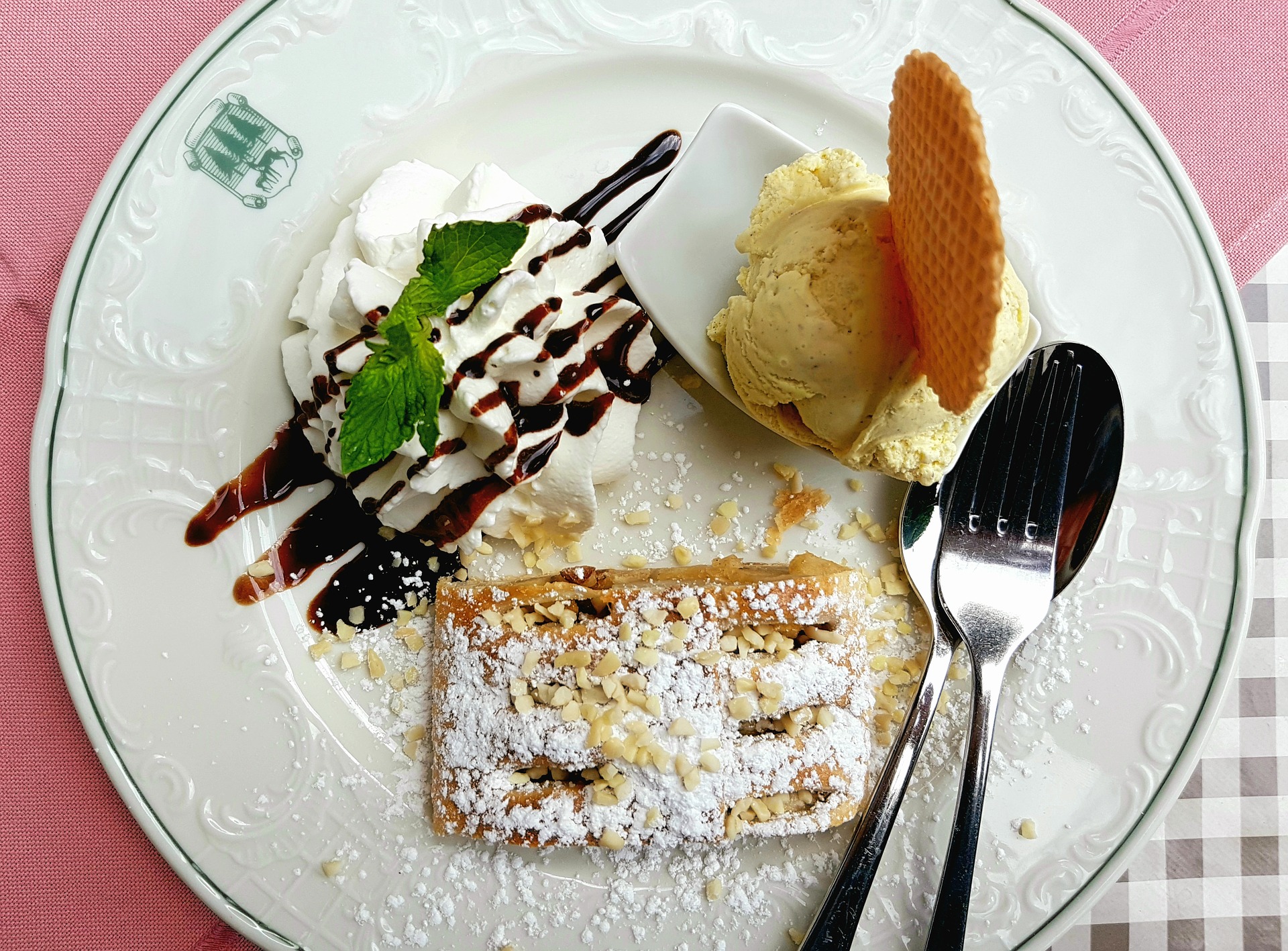
A traditional cake in our country
It has been made for various festive occasions since the 18th century. It has become an indispensable part of folk cuisine and peasant meals. It was regularly prepared at weddings, carnivals, christenings and even at children's blessings. By the beginning of the 20th century, it had spread nationwide. Today it is commonly eaten. It can be served as a dessert after a main meal or as a second course on its own. The dough for a real strudel is made by hand, which is increasingly rare these days. Once it is cooked, it is best eaten straight away, as the flavours are at their most intense, whatever the filling.
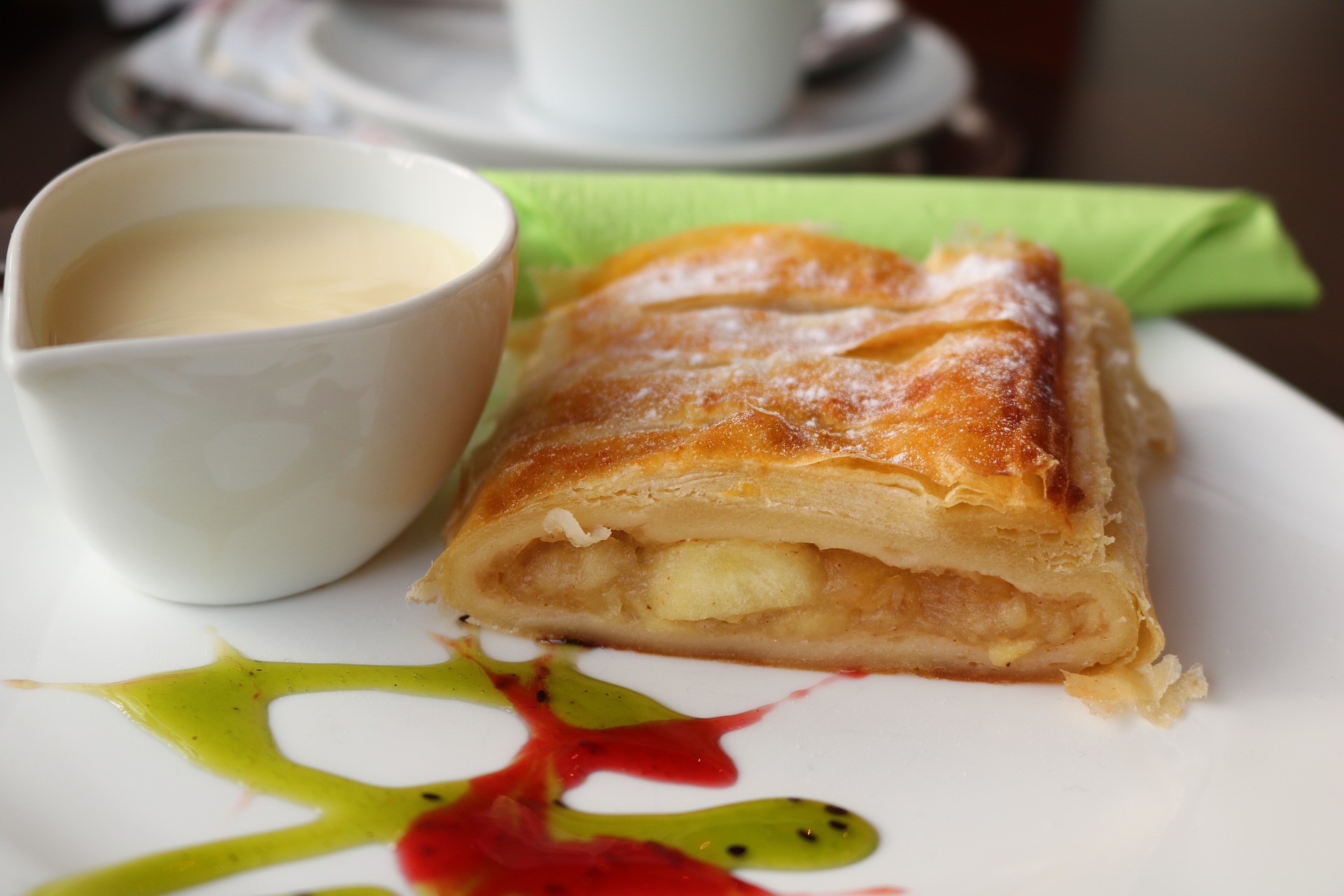
What to fill the strudel with
Variety is a delight! - and it really is. The filling for strudel can be almost anything, it's up to individual ideas and taste to decide what to make it with. The most common fillings, or ingredients of the traditional strudel, are cottage cheese, poppy seed, apple, sour cherry and cabbage. When filled with juicy fruit, sweet crumbs are sprinkled on the dough to absorb the moisture. If dry crumbs, such as walnuts or poppy seeds, are added, they should be evenly distributed and patted down a little, taking care not to tear the dough. The filled, rolled-up dough is usually prepared for baking to prevent it from drying out. There are various methods of doing this, some using sour cream, others using egg yolks or even sweetened milk.
The filling of the strudel also varies from country to country. In Turkey, it is blessed with salt, fish, vegetables and meat fillings, while in Greece it is made with honey, walnuts, almonds and pistachios. In Slovenia - where it is called štrudelj or zavitek - the cottage cheese version is typically preferred, while in Serbia it is filled with cottage cheese and cheese.
Interesting facts
In the early 19th century, the menu at the Ritz Hotel in Paris featured the „Rétes Hongrois”, for which the strudel flour was ordered from Hungary and the confectioners were sent to Pest to learn.
For the preparation of strudel, you should always use a flour with a high sulphur content, strudel flour. This makes it easier to work the strudel dough and to draw it out to the desired thinness. When rolling, a few drops of vinegar or lemon juice can help to work the dough.
In the 17th and 18th centuries, the pastry was often packaged as a travel present. Because it was filling, it was taken along as an essential travel companion when setting off on a long journey.
Stretches like a pastry: used when someone delays an activity or communication for longer than necessary. He talks a lot, says little, just drags on. #