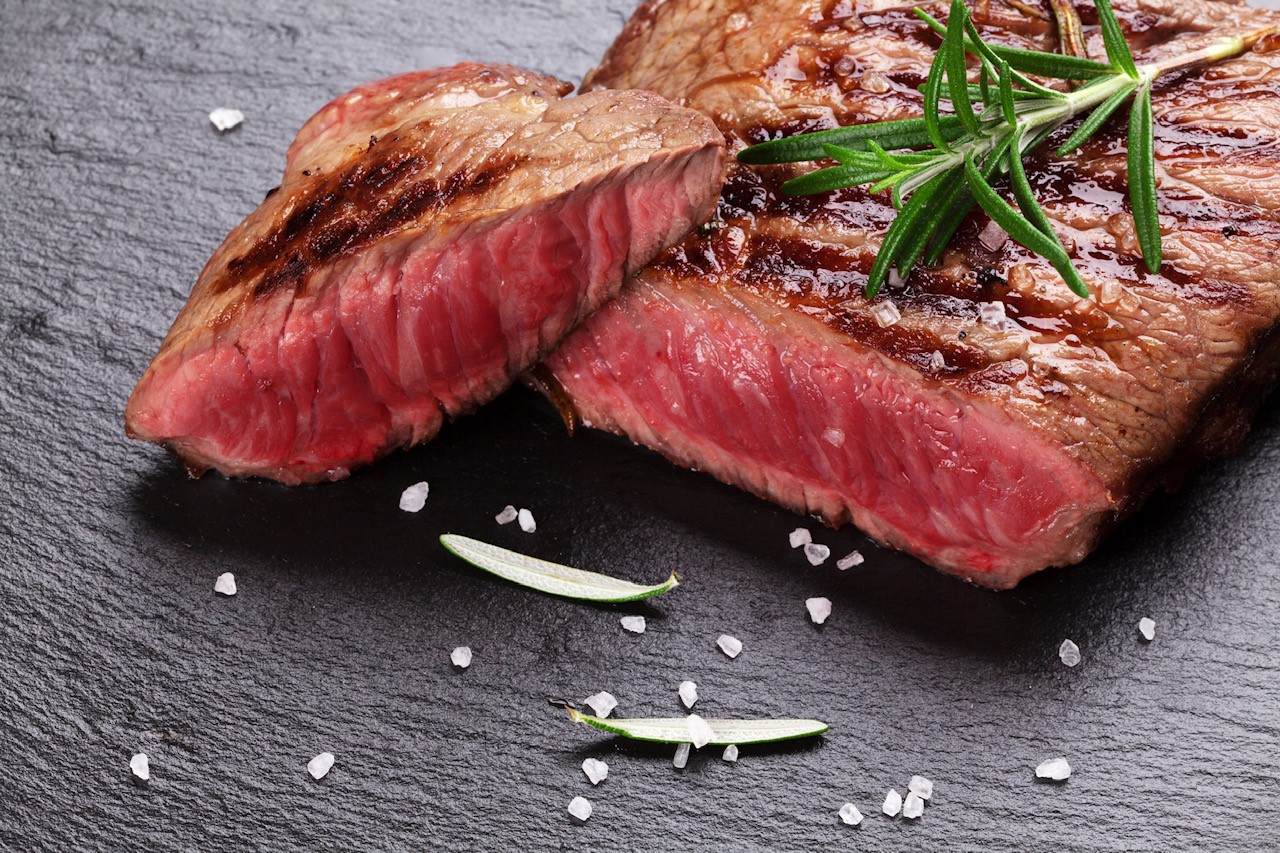







Nowadays, lobster is not just a seafood delicacy on menus, it has become the king of them all. It is a true delicacy, the pinnacle of culinary delights, but its price still means that only certain classes can afford it.
If you browse any menu and find it, you can be sure that you will get a delicious, surprising and decorative meal, but you can also be sure that it will not be cheap. Lobster is at the height of its career at the moment, and consumption in the past in fact, it has not been as much of a curiosity as it has been recently.
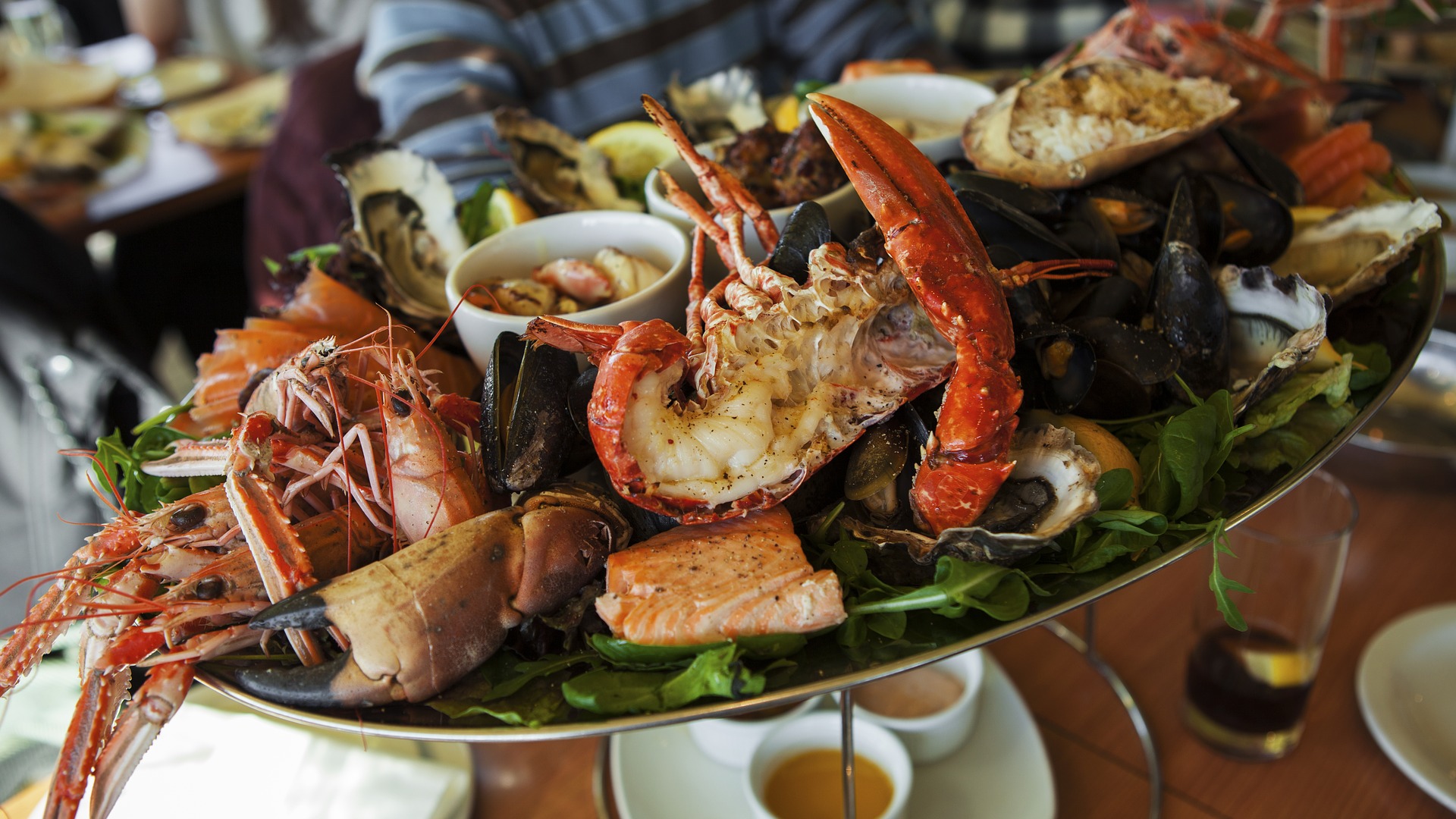
The lobster is a sea crab with huge claws, a living creature with tasty flesh, prefers colder waters. It is native from the north-east Atlantic coast to Morocco and is found throughout the Mediterranean. It is a major fishing target in the North Sea, as well as in English waters off the French, Spanish and Italian coasts. There are also farms in France and Spain, but they are of no economic importance. To date, no significant farms have been established. For this reason, most of the commercial lobsters are supplied by wild fisheries.
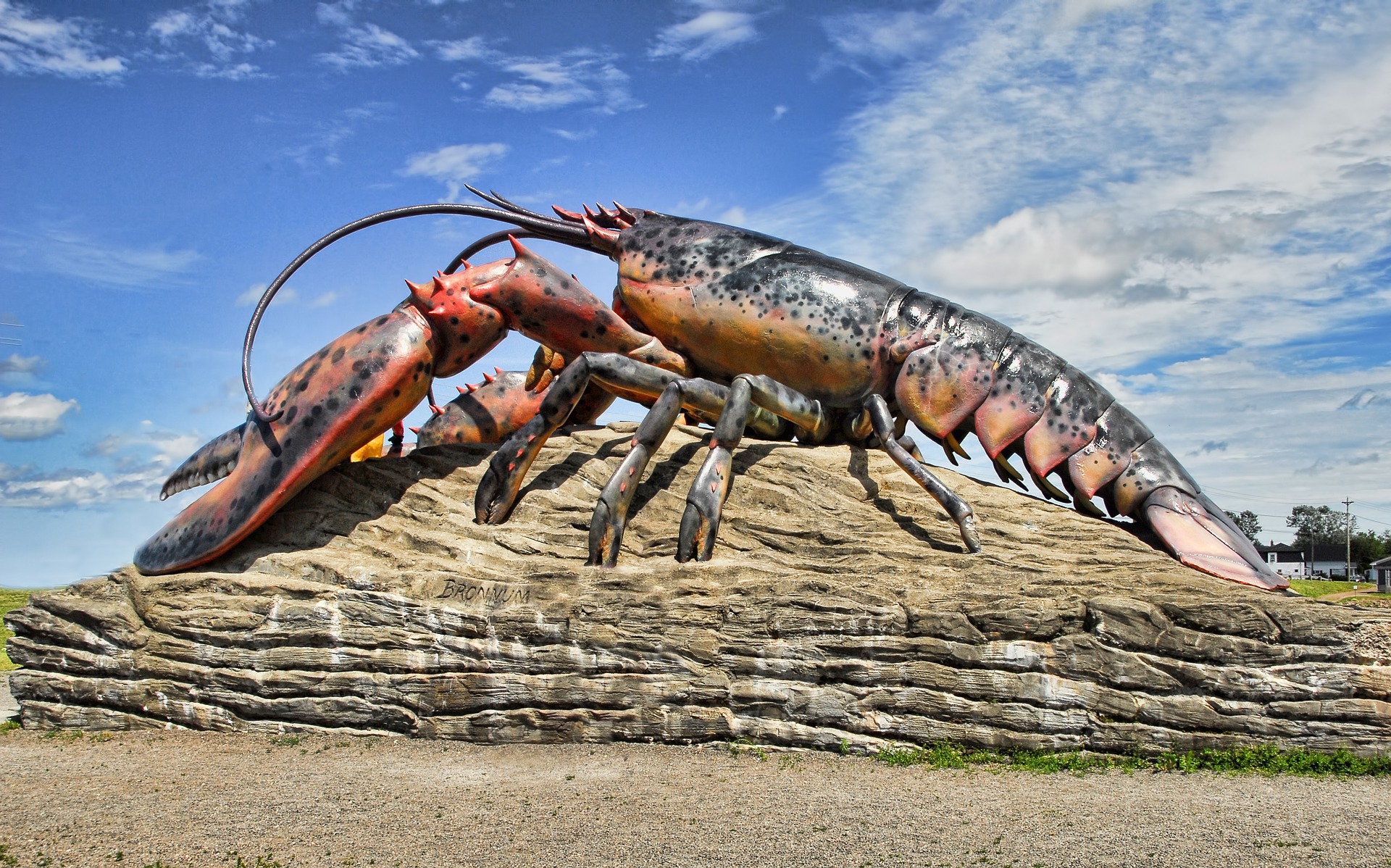
Lobster as a food
In the 17th century it was mostly considered a „mass food”. Simply because the people living by the seas did not cost the people any effort to obtain. They simply walked ashore and collected the lobster that the sea washed up. They picked and ate it in large numbers, mostly for the poor. It was a completely worthless food source. Because it was easy to get hold of - but with its ten legs, claws and strange appearance, it was not then a heart-warming sight - it was often thrown to slaves, and even fed to prisoners in dungeons.


The canning industry started using it in the early 1900s. Canned lobster was also bought and consumed by the poor. The wealthy were disgusted and preferred to feed it to their pets. Obviously, lobster was a very cheap food at the time. The Great Depression further encouraged the canneries to process the lobster, which was considered cheap, so it was distributed to soldiers in the US military.

Making the lobster unique
As the rail networks expanded and tourists began to use this means of transport en masse, the career of the canned lobster began to take off. Since many people were not familiar with it, it began to be served and sold as a delicacy through a simple marketing ploy. By the early 20th century it had become a popular dish. It was also discovered by the culinary world, and it was then that chefs realised the trick that cooking it alive made the meat more flavoursome. America discovered it for itself, and the status of lobster in gastronomy rose. It was served on festive tables, became a main course at weddings and was served as a speciality in restaurants.

Dispute about cooking lobster alive
As with seafood in general, lobster tends to lose its flavour. Therefore, care must be taken when preparing it. When overcooked, their shells turn orange, deep yellow and then brown, and their flesh turns white. Many people are against cooking lobster alive, even if there is a reason for doing so. If cooked fresh, or not alive, there is a chance that it could cause illness. The simple reason for this is that, like the human body, there are bacteria and micro-organisms in lobster - or lobster meat. When the lobster dies, they start to multiply even more in the body, and cooking can no longer fully remove the toxins. So we cook lobster alive not only to make the meat tastier and more flavoursome, but simply to make it healthier from a food safety point of view.
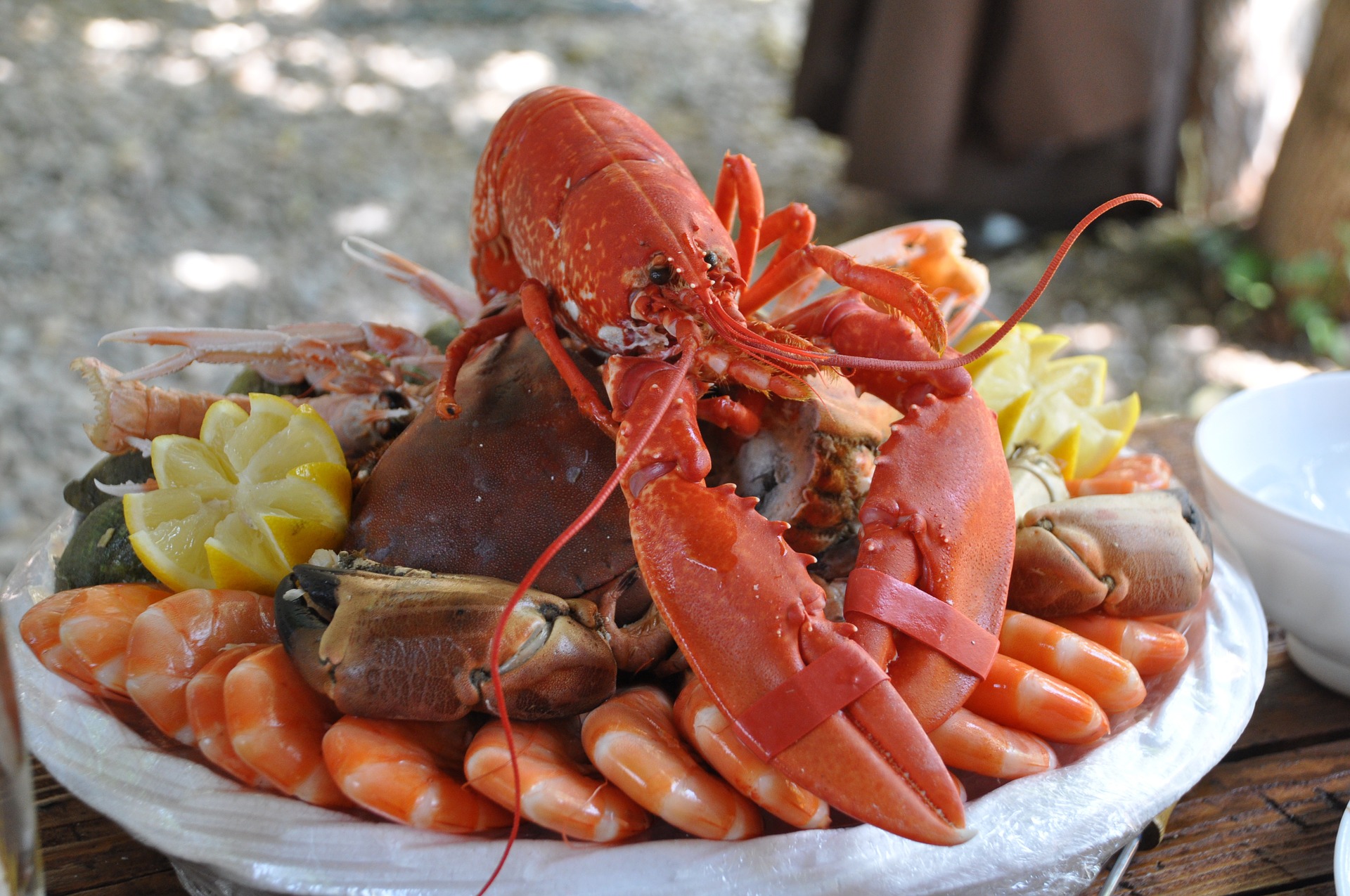
From a gastronomic point of view, there are two types
There are two types of lobster, which are both commercially and for kitchen use. Canadian/American lobster and European lobster. According to regular lobster consumers, who are experts on the subject, there is no huge, substantive difference between the two. They are similar in flavour, similar in meat texture and the food prepared from them is almost identical. The only significant difference is in their appearance. While the American lobster has a darker, brownish shell, the European lobster has a bluish hue and pattern.
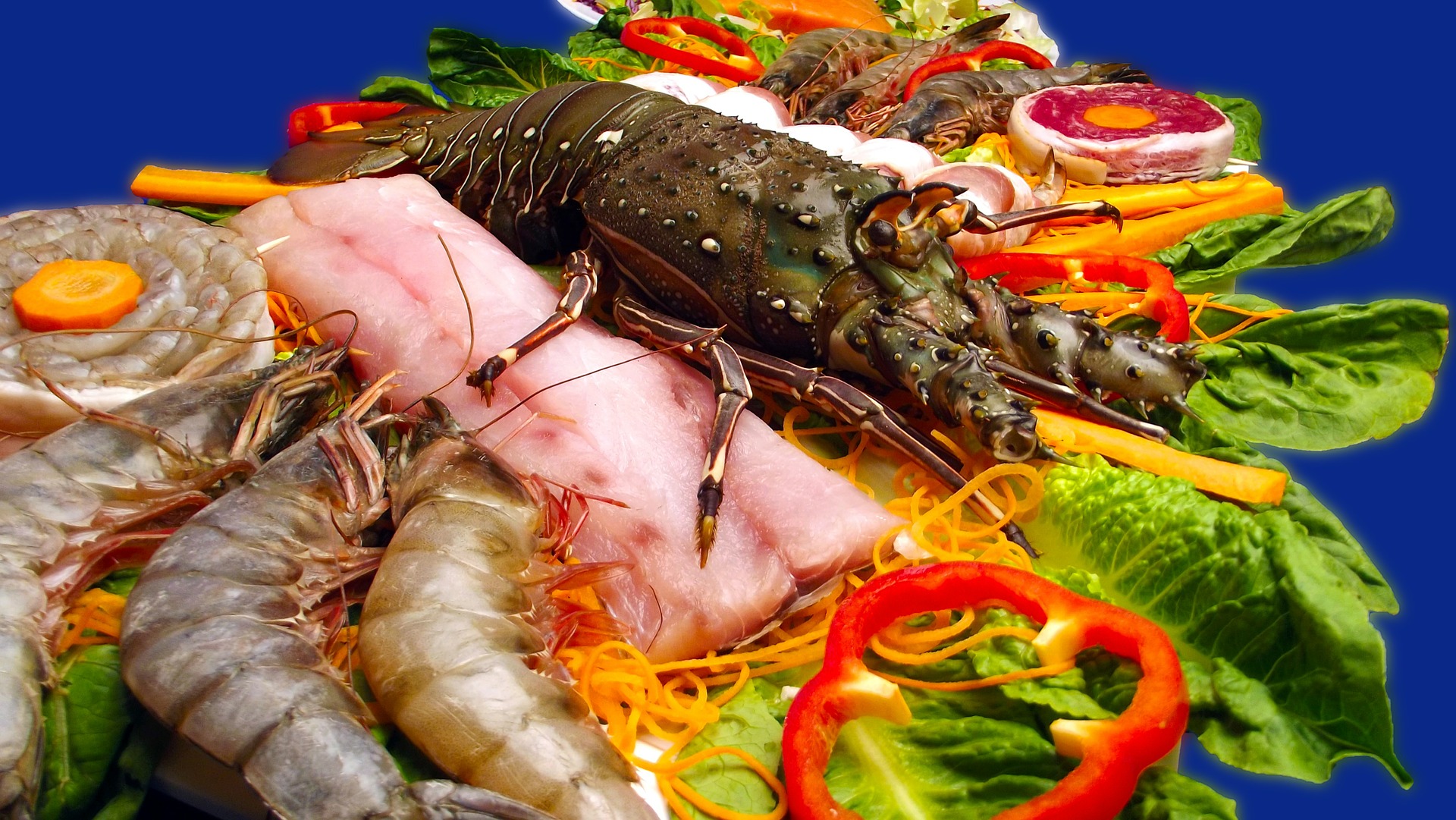
Canadian/US lobster fished from the north-west Atlantic, from Canada to Cape Hatteras. Large quantities are imported into Europe, and the quality is not compromised by professional transport. #