





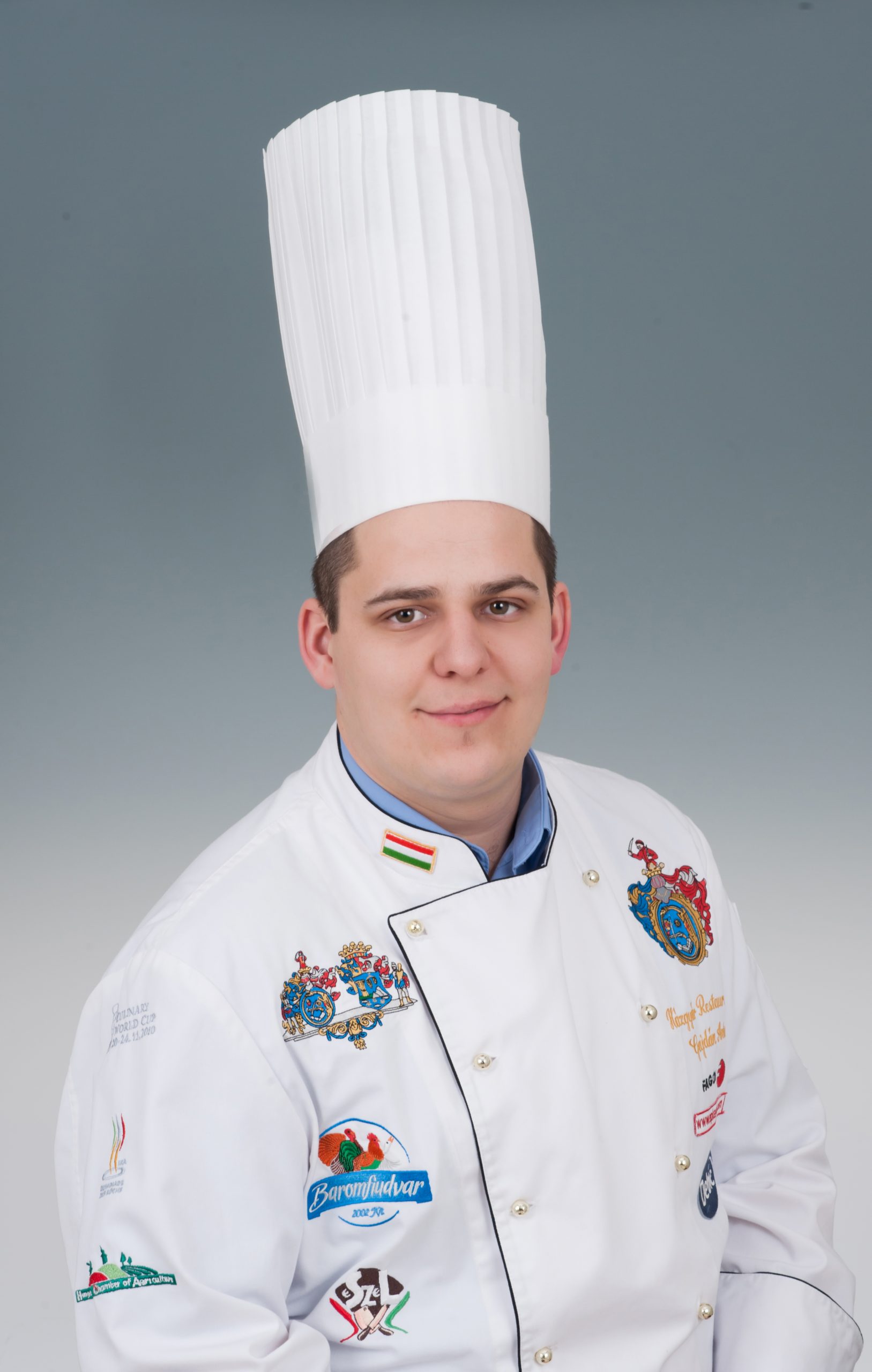
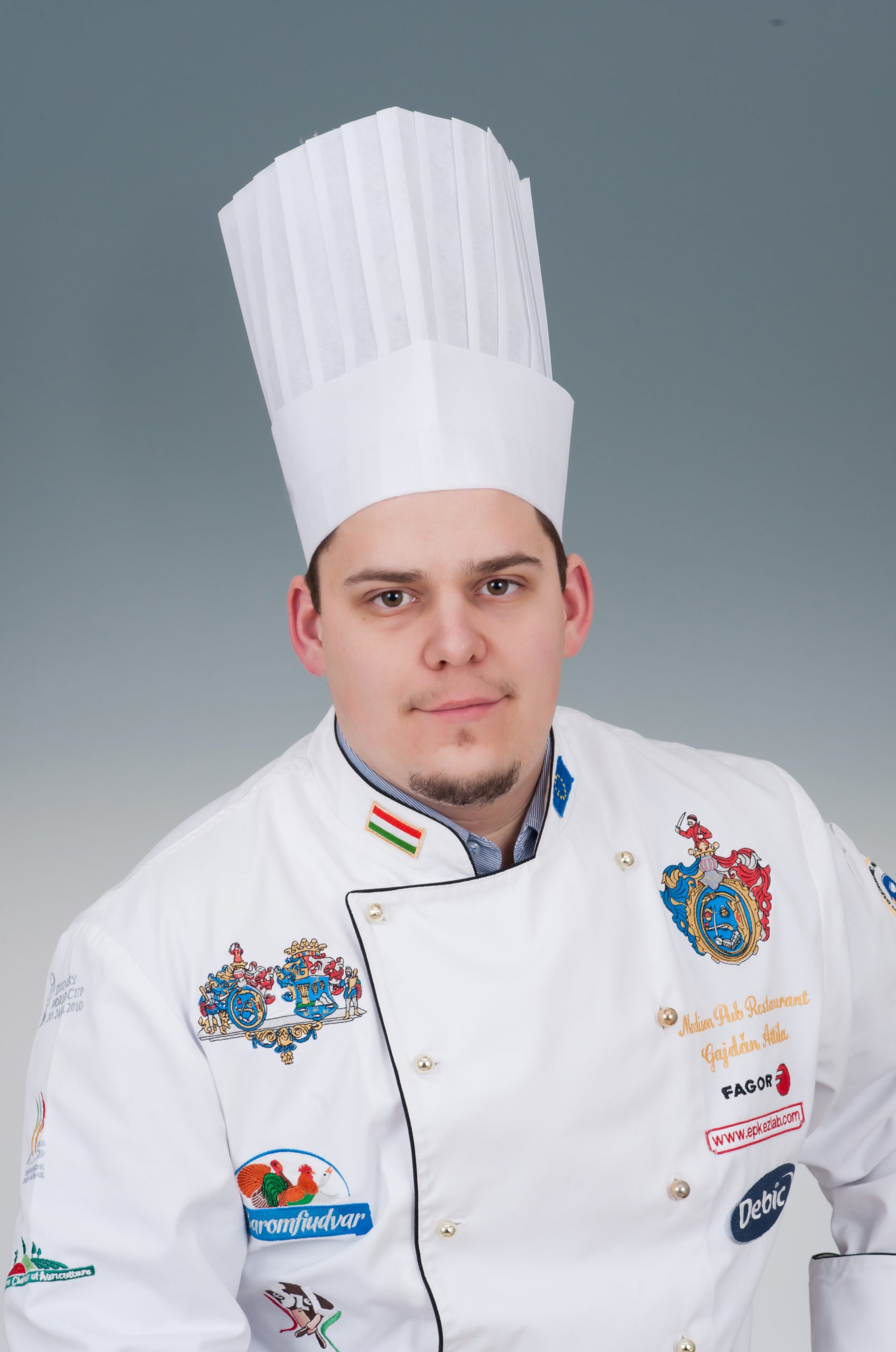
A hospitality gives us so many surprises and so many experiences, but it can always be enhanced. In the case of the Gajdán brothers, the surprise is not that they are twins, but that they both look good in chef's coats.
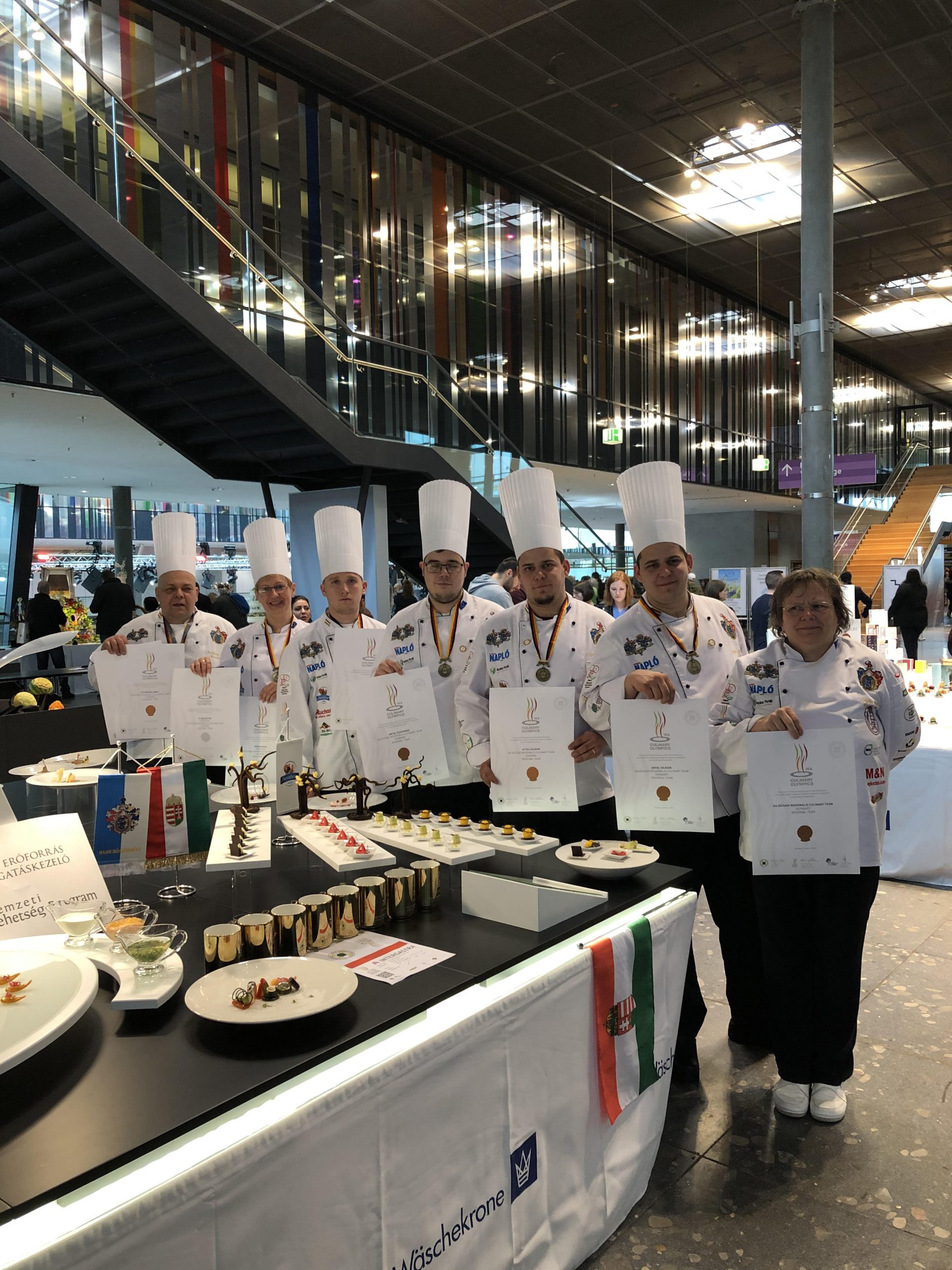
We've seen examples of someone becoming a chef and then a dedicated chef, but less often of a pair of brothers - who are like two eggs - doing the same thing. choose the profession their vocation. Even though they are known outside their region, as they have been winning medals at the cooking Olympics and world championships for years, and proudly representing our country, we hear little about them. Attila Gajdán and Antal Gajdán Dedicated represent the profession and teach the new generations is. We talked to Antal Gajdán about their career and plans.
- How did you start your career?
- We learned the trade when we were still in a five-year-old cooking school. That in itself is important! From the very beginning, Attila Rédai, our chef and mentor, gave us tasks to do, and we had plenty of work in Hungarian while we were at school. When he would write a menu for someone, he would send us to cook it and teach us, because he trusted us. Sounds funny, but that's exactly why I worked and we worked at a lot of jobs. So let's just say we were thrown in at the deep end from the beginning.
- When did you start competing?
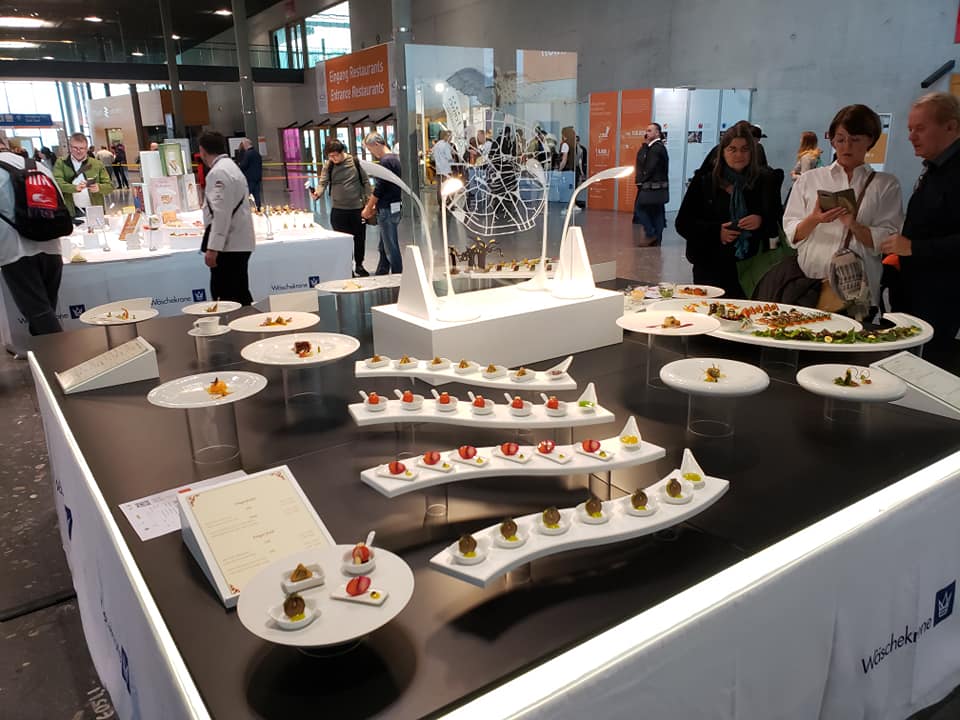
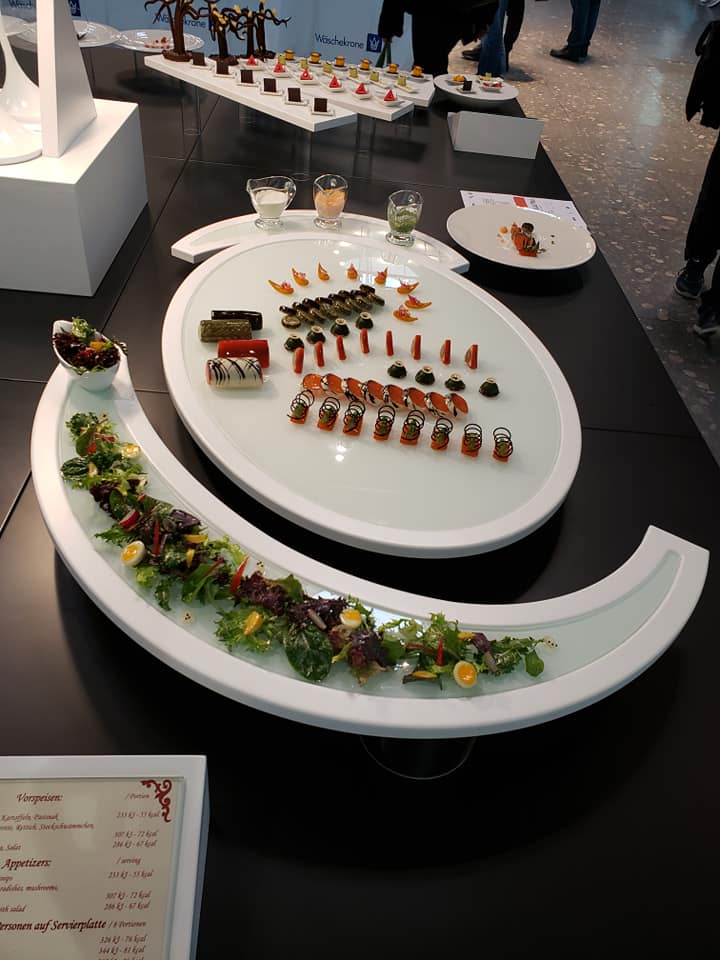
- From the very beginning. In 2010 we already did the cold cooking competition. In fact, as soon as we started school, we were doing professional competitions almost every weekend. There were the Hungexpo Hoventas at that time, we were constantly going up to Budapest. In a word, we took part in a lot of national competitions, sometimes me, sometimes my brother. We prepared each other, pushed each other to achieve better and better results. In 2012, we were in Germany - Erfurt - at our first world competition, the Cooking Olympics, in the youth category. We just missed out, bringing home a silver and a bronze medal. In 2014, in Luxembourg, the result was the same, where I took the bronze medal and Attila the silver. In 2016 in Erfurt, in 2018 again in Luxembourg, and in 2020 in Stuttgart - where I led the team as team captain. In the last three competitions we also competed as a team with the Hajdúsági Regional Culinary Team.
- There is no way around the question. How did you finance all this?
- I admit it's not easy. We were already consciously preparing for this in 2009, and we set aside the entire amount of the proceeds from the smaller competitions. In 2010 we founded the Hajdúböszörmény Gastronomic Association, precisely so that we could go to world competitions. We saved up for two years and even added to our own income. Then we also set up a gastronomic event, which we also set aside all the proceeds from, and a charity event. From these two we were able to pay the travel expenses.
- If I understand correctly, you have put everything on this? Did you work to be able to compete?
- Strange as it may sound, yes! As I said, you have to be a fanatic to do it! Many people don't believe it. In fact, all our family and friends have supported us. Those who believed in us. I might add, we managed to get some sponsors, but we didn't get much from them in the first years. We have had a main sponsor for 20 years now, but also local entrepreneurs, grocers, butchers have stood by us. Somehow it was a case of a lot of little goes a long way. We agreed with everyone that we would do something for something, so those who helped us, we would go to events and cook for them. That's fair! The MNGSZ, the county council and the city also helped, and we also won a grant. I admit it was a lot of work, organisation and research to put it all together. Technically, the first competition cost 4.5 million and we only had half of that. It was just a lot of work with my brother and I to raise it!
Before the last competition, we were initially of the opinion that we were ready for the task, and our teacher and master told us to prepare for the competition on our own, and he stopped giving us the competition. Then we just kept pushing ourselves until we could do it again. We put together a whole new team, started thinking again, started doing things to get the funding. It also involved missing two years in between, and not knowing the current trends. We finally got it back together and finished with a bronze medal as a team again! And the next day we won silver and bronze in the individual event. I must add that in a cooking Olympics like this, there are two hundred competitors a day, so you can imagine how many chefs and pastry chefs are competing. When we parade in a sports hall, the atmosphere is incredible. You have to imagine 5,000 chefs in snow-white chef's coats marching under their own flag, it's an incredible feeling! We are very proud to have finished on the podium again.
When is the next tournament, and will you even be competing again?
The next international competition will be held in Luxembourg this year. Unfortunately we will miss this year's competition, due to the virus situation we can't go. Not to mention the fact that we Hungarians are forced to do the preparation while working, which requires a lot of time and money. We have not been able to hold events that would have generated income. We have to decide by August. Until then we hope to find help so that we don't have to miss competitions.
Not only do you cultivate, you cultivate the profession, but you also teach it. What about that?
- I started teaching the profession four years ago. The new generation, the next generation, has always been important in this profession, but now more than ever. Unfortunately, the conditions are very difficult, as there are hardly any basic materials for teaching. Because of the love of the profession, we have had to make up for it in many cases from our own funds, because you can only cook from raw materials, and we have trained chefs. Unfortunately, I no longer do this, but my brother and I are keen to set up a canteen kitchen where we can pass on our knowledge to the younger generation.
- Nevertheless, you have not given up, as you are still producing training materials. How do we envisage this?
- Of course, if you love what you do, you try to do more than just go to work. We made an educational film about healthy eating. We also go to events and schools to give professional advice. On the one hand, we try to teach people how to choose ingredients, how to cook, and on the other hand, we try to make children aware of the beauty of our profession before they choose a career. The truth is that we always have new ideas that we try to put into practice.
- How much influence do you have within your professional circles? After all, you have brought quite a lot to the table.
- In many cases it is difficult. We're in our early thirties and, regardless of our medals and achievements at the cooking Olympics, we're still young. They tend to look up to a much older chef in the workplace, but knowledge should be a yardstick, not just age.
- What did you really like to cook?
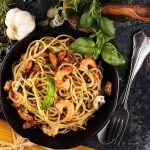
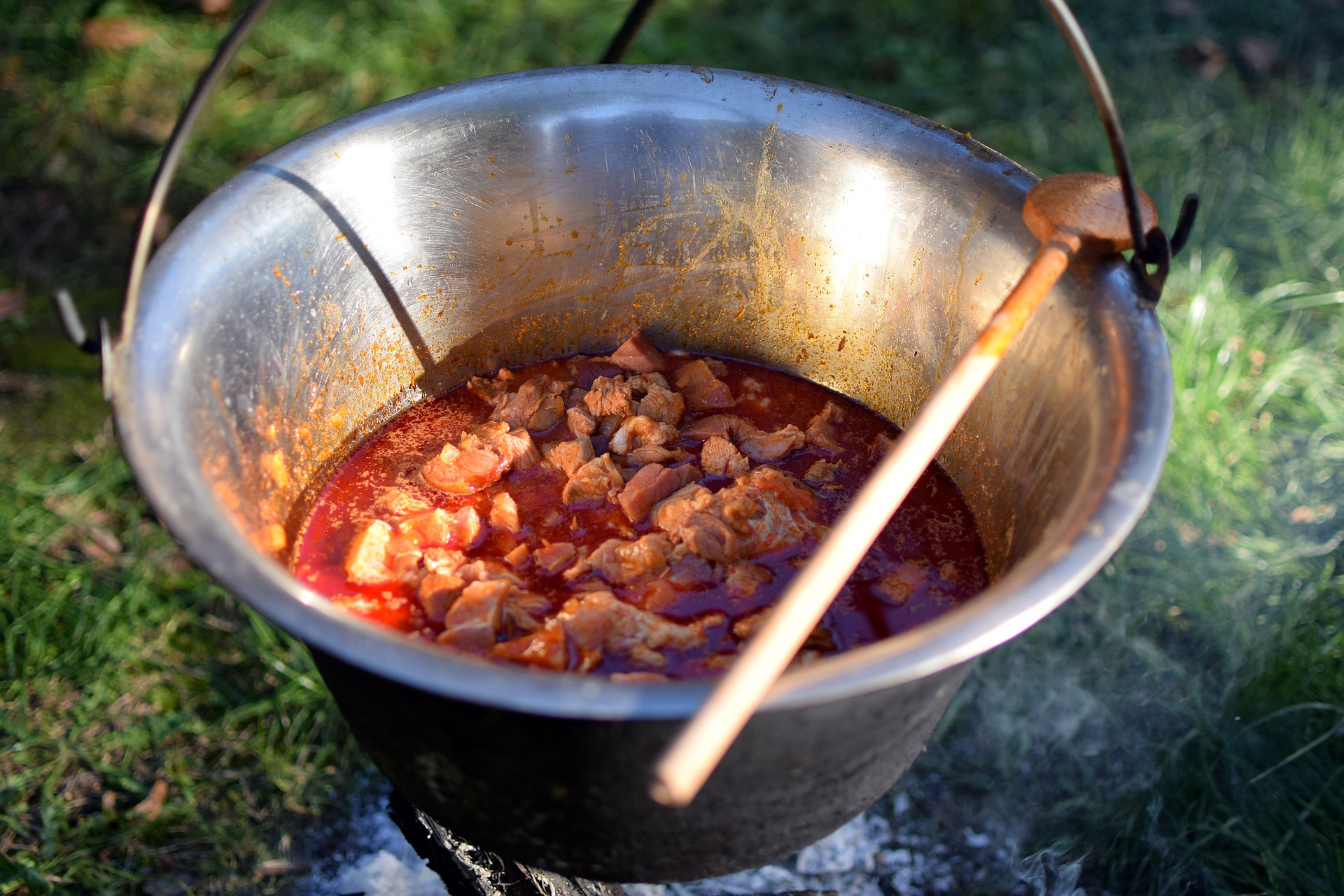
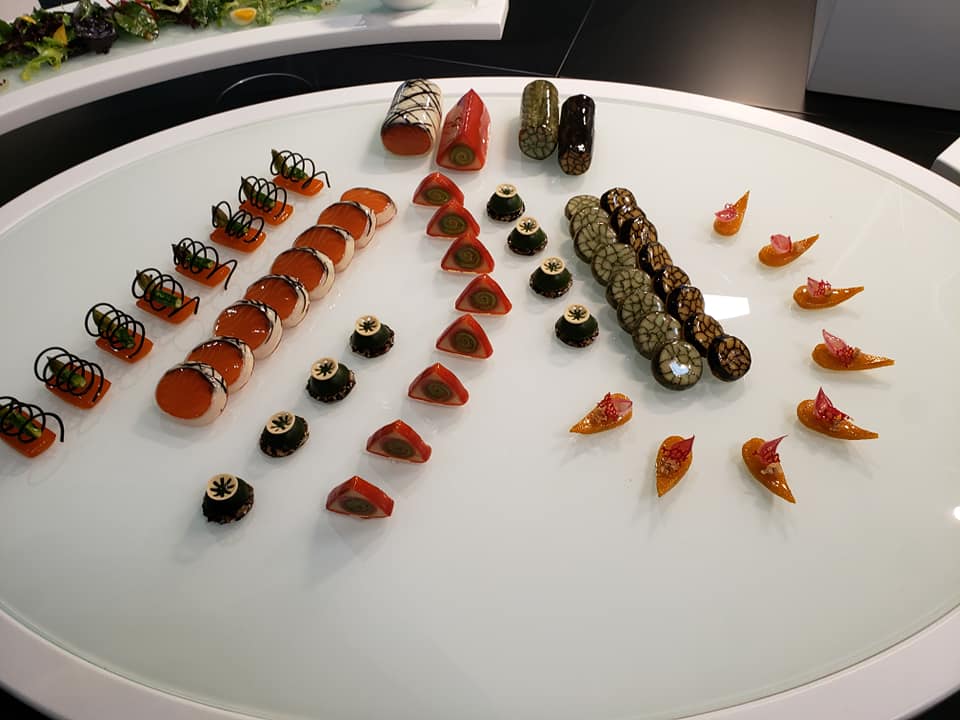
- I believe that we are Hungarian cooks, and that we must prepare Hungarian food. Of course, apart from that, we have also done molecular gastronomy, and we cook what the trends demand, both technologically and in terms of expectations. But what we really love is good, tasty home cooking.#