






We can love cheese, and some of them are world-beaters. Cheese itself is a staple food, but there are some special which has achieved incredible success.
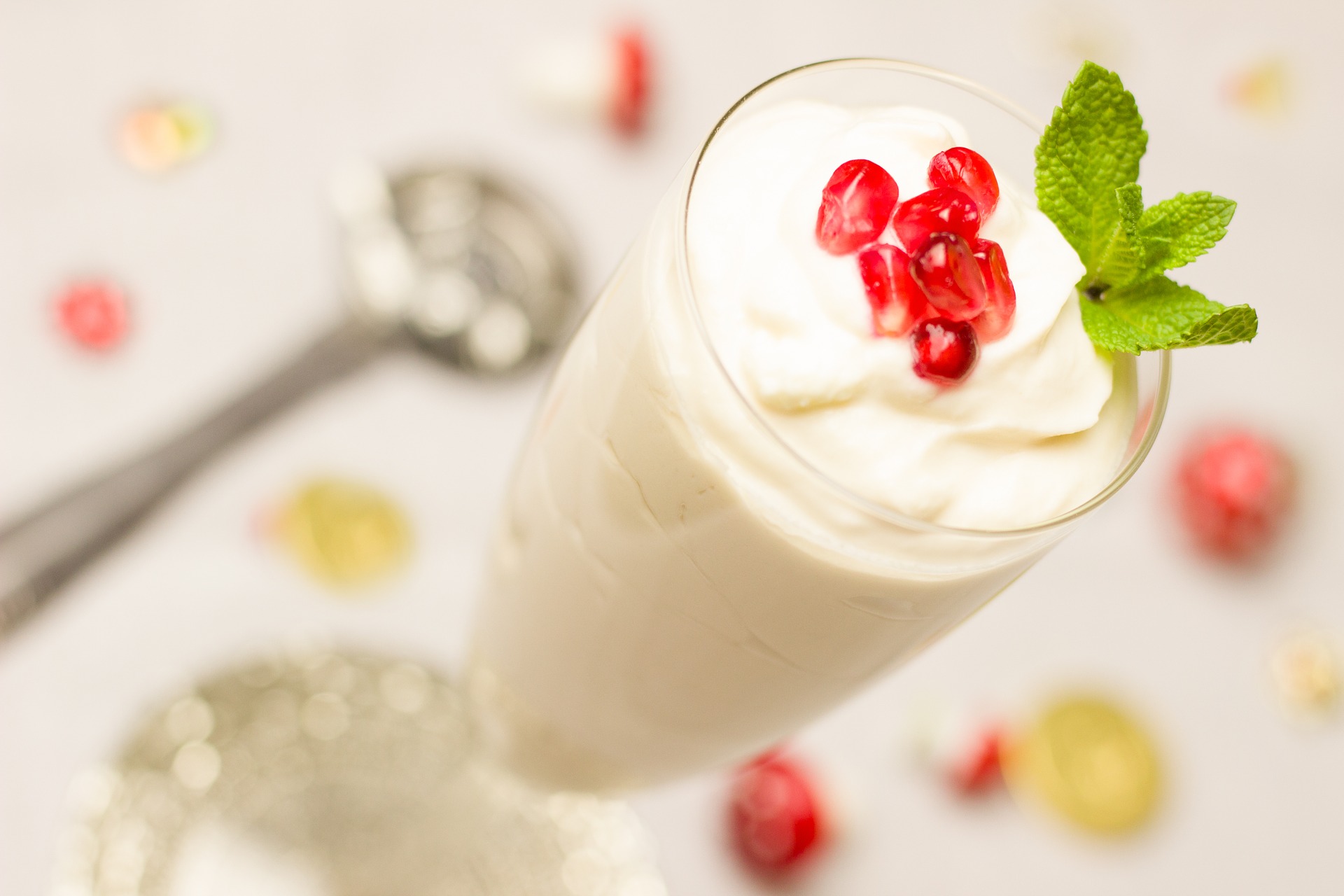
Photo by Pixabay
What is mascarpone
Mascarpone is a cottage cheese of bovine origin, made from cream without pressing, with a curd consistency, unsalted, raw, fresh Italian cheese. White in colour, creamy, without rind. It is not usually eaten on its own for its flavour, but mixed with other sweet or salty additives with a penetrating taste. As a raw material world-renowned, which adds unique flavours to your dishes. It is mainly used as a base for desserts, but its most important asset is tiramisu. Its fat content is 50-55% of dry matter. Its soft consistency means that it can only be marketed in plastic cups like sour cream or buttercream. It comes from Lombardy and was originally made from home-creamed milk. It is currently mascarpone It is produced in different regions of Italy and, unlike other cheeses, is made from cream rather than milk.
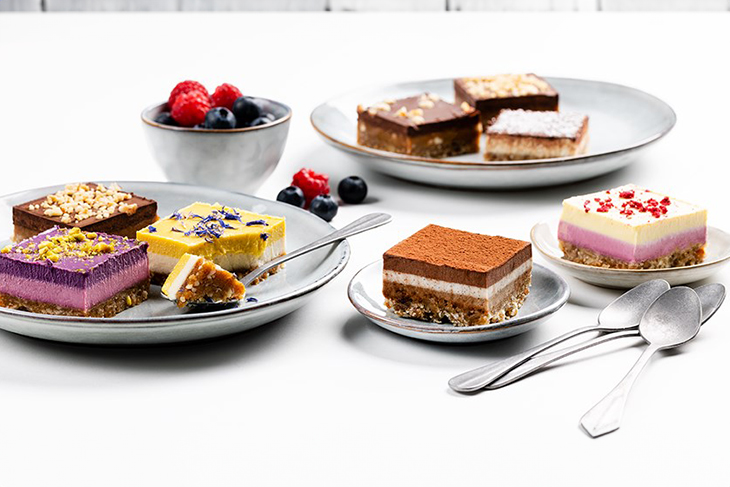
One of the most famous desserts made with mascarpone is the tiramisu, perhaps it is thanks to this sweetness that it has achieved such explosive popularity!
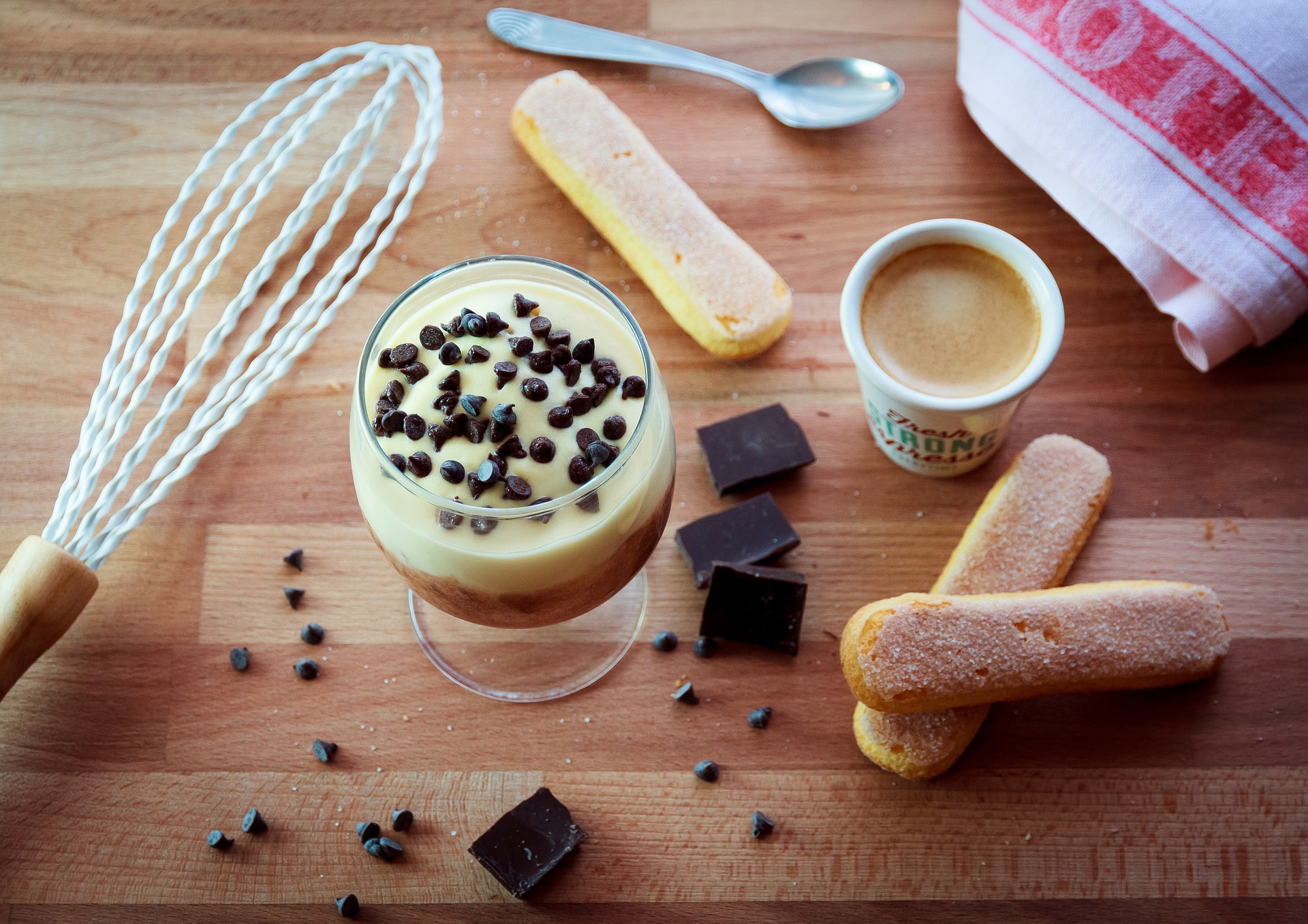
Photo by Pixabay
A mascarpone, as a staple food
Everyone knows that it is used as a base for countless cakes. It has a texture most reminiscent of butter, with a less pronounced taste, but that's exactly why it's loved. This makes it for use for both sweet and savoury cakes. Italian cuisine is one of the the main raw material.
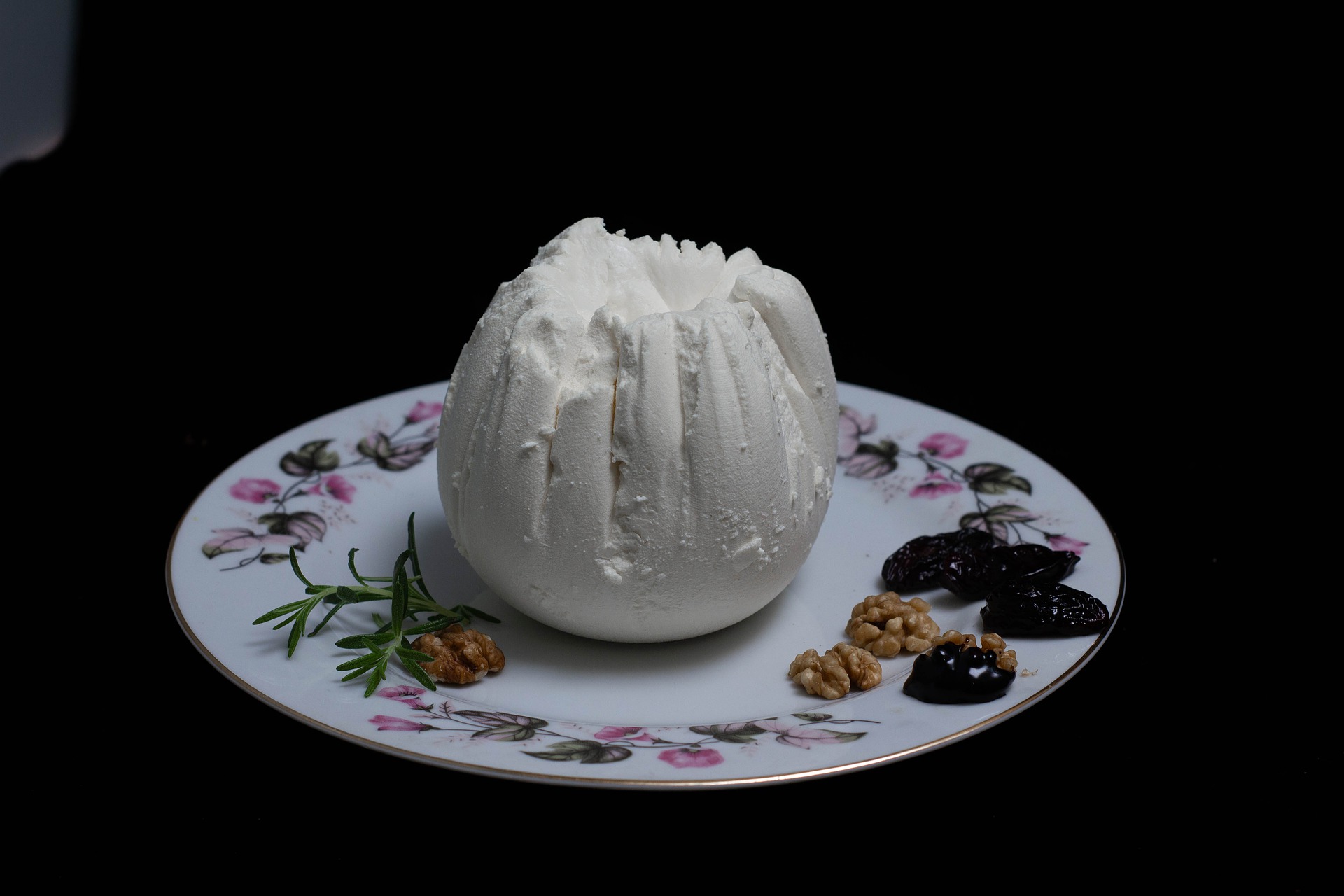
Photo by Pixabay
The mascarpone
The main ingredients in mascarpone are cream and milk. This is not too complicated, since we are talking about a type of cheese. These ingredients can be supplemented by other ingredients and even by other milk-derived ingredients. Examples include milk powder, butter and milk protein concentrate. Of course, the real, original mascarpone is special! Mascarpone is, after all, a type of cream made by curdling lactic acid, but in its native Italy, in and around Milan, it is called cheese. That's how we know it!
To make it, the cream is heated to about 100 degrees. Citric acid is usually added to the mixture to thicken it. The finished, thick liquid is strained through sieves, the duration of which varies but is usually 6-10 hours. The resulting mass is then packaged.
Being so „simple”, it contains no additives and is not aged. The flavour of the product comes from the milk and cream used. Being all natural, it has a very high fat content, up to 40-45%. This makes it suitable for a vegetarian diet.
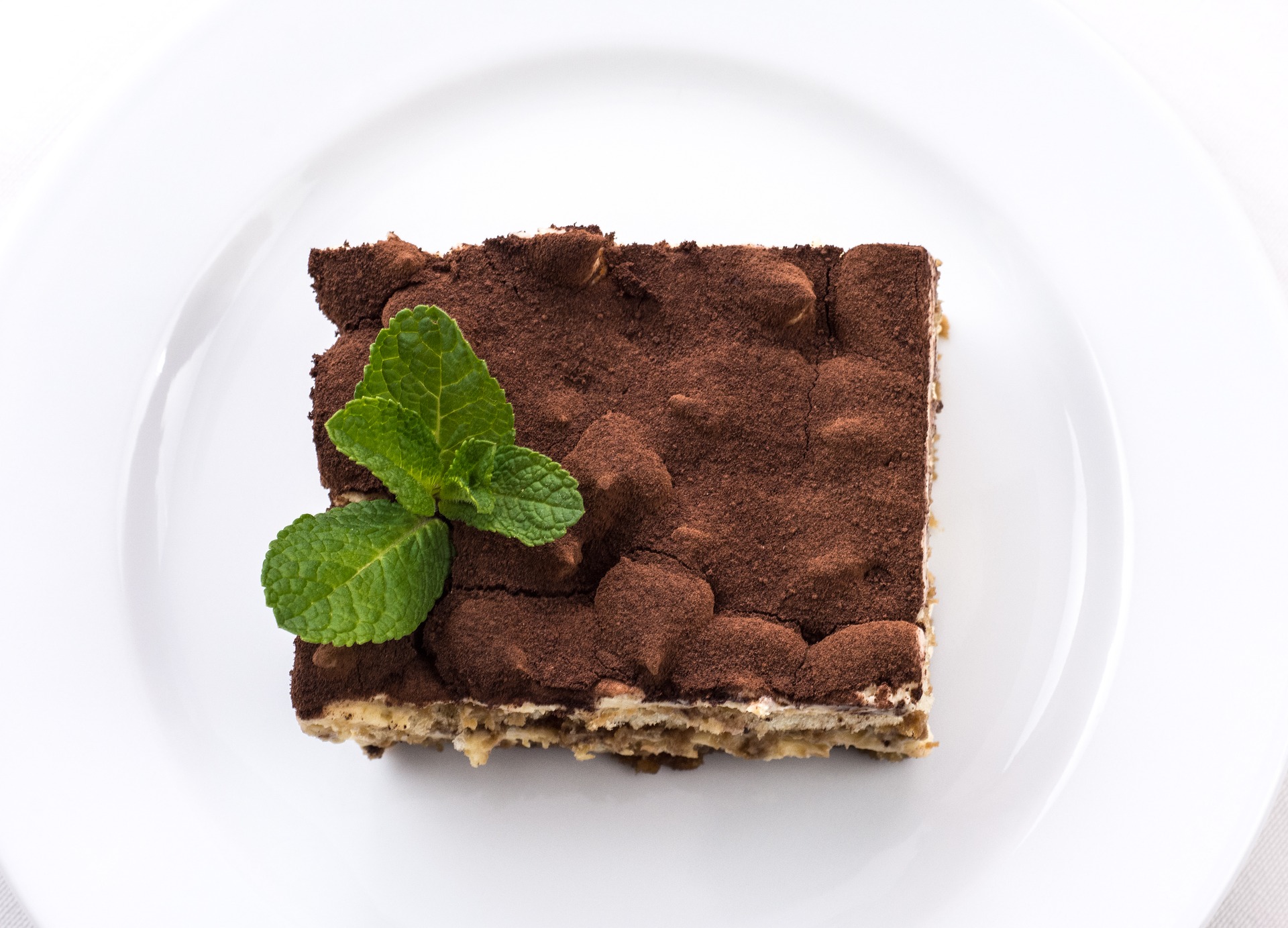
Photo by Pixabay
The history of mascarpone
Its date of origin is not fully known. What is certain is that it is much younger than the cheeses we know today. There are traces of it being made from around the end of the 17th century. It is clear that it originated in Italy, in the northern part of the country, in Lombardy. The name mascarpone gives rise to much speculation. There are various myths about its origins, but none of them are generally accepted.
The first: According to a local story, it was first made on a farm near Milan. The name of the farm is Cascina Mascherpa, from which the name comes.
The second: A Spanish nobleman, after tasting the cheese, exclaimed „Mas que bueno!”, which literally translates as „more than good”. This expression gave the name to mascarpone.
Third: A grammatical possibility is that the word mascarpone comes from a Lombard dialect. It comes from Mascarpia.
The fourth: A dairy product made from whey obtained from stracchino cheese. It was originally known as mascherpa.
The fifth: A young man called Mascarinóyo first made it with the aim of winning the favour of his sweetheart. After tasting it, he married her. From then on, they made it continuously and became rich from it.
Interesting fact: Napoleon was a huge fan of mascarpone. The story goes that he first tasted it in Lodi in 1796. He liked it so much that he kept eating it during his stay there. When he returned home to France, the first thing he did was to order it from Italy.
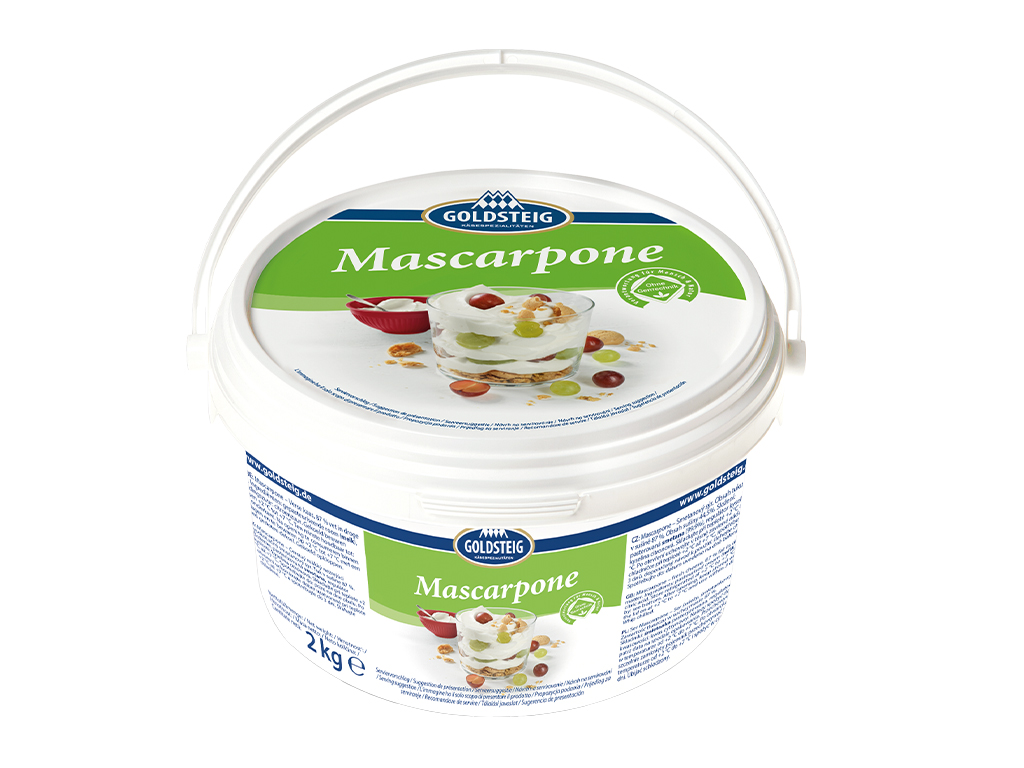
Photo: MATUSZ-VAD
Mascarpone is even healthy
Because it's made entirely naturally, mascarpone is rich in vitamins and minerals. It has a very high antioxidant content, which helps cell regeneration and resistance, while supporting the immune system and helping with haematopoiesis. Since mascarpone is rich in essential amino acids, which are essential and used by the human body, it stabilises brain function. Stress, insomnia, nervous strain and fatigue can be overcome by regular consumption. Its high calcium content strengthens bones and its vitamin A and B content helps metabolic processes.#