





The eternal favourite, that knows no boundaries. Bacon - whether in a large factory or home kitchen - is a must-have in every household. Having a packet of bacon at home will undoubtedly spice up any meal, be it breakfast, lunch or dinner.
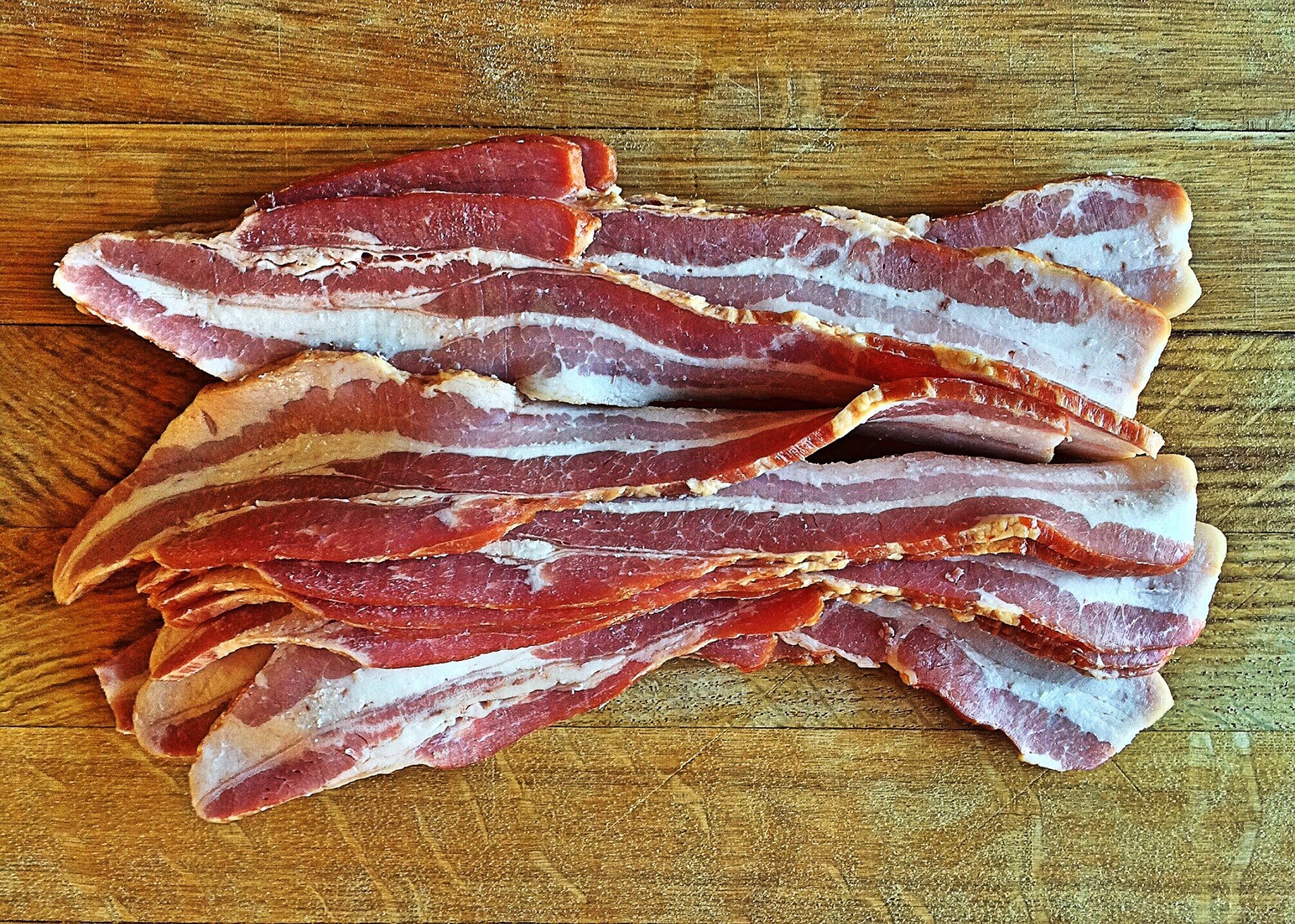
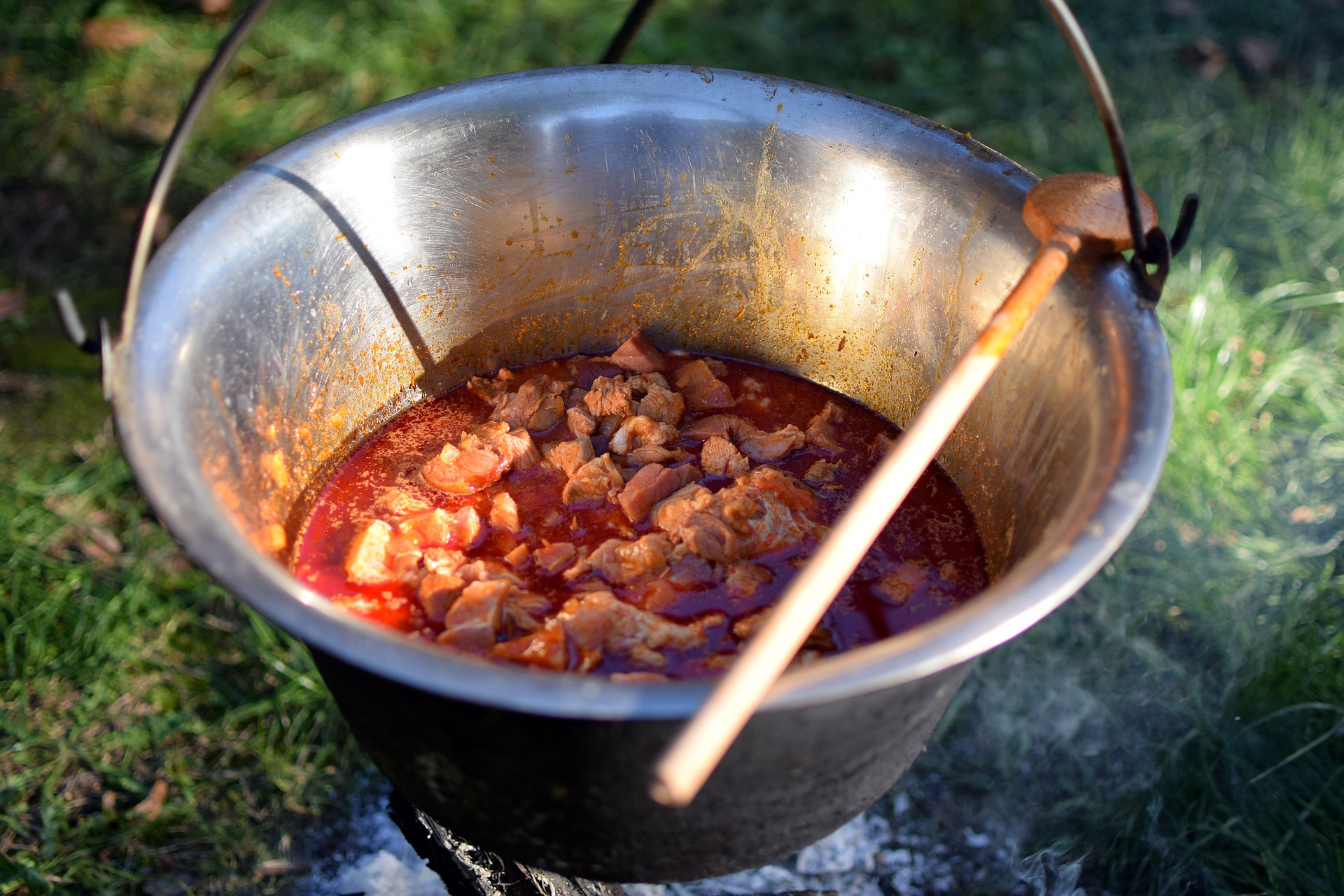
Photo by Pixabay
What is bacon
A bacon English word, Hungarian for bacon. A cured, fried, smoked meaty bacon made from the flank fat of pork. It's no coincidence that it's a popular favourite, as a few slices of bacon can make a great base for a number of dishes. The unique flavour of bacon complements meat dishes and makes it a can add a plus, which can give a dish a more authentic, deeper experience. Its uses are so wide-ranging that it is almost impossible to list them all, so completeness without mentioning some of them. From hamburgers to casseroles, from rolled meats to pasta, but also for risotto or soup.
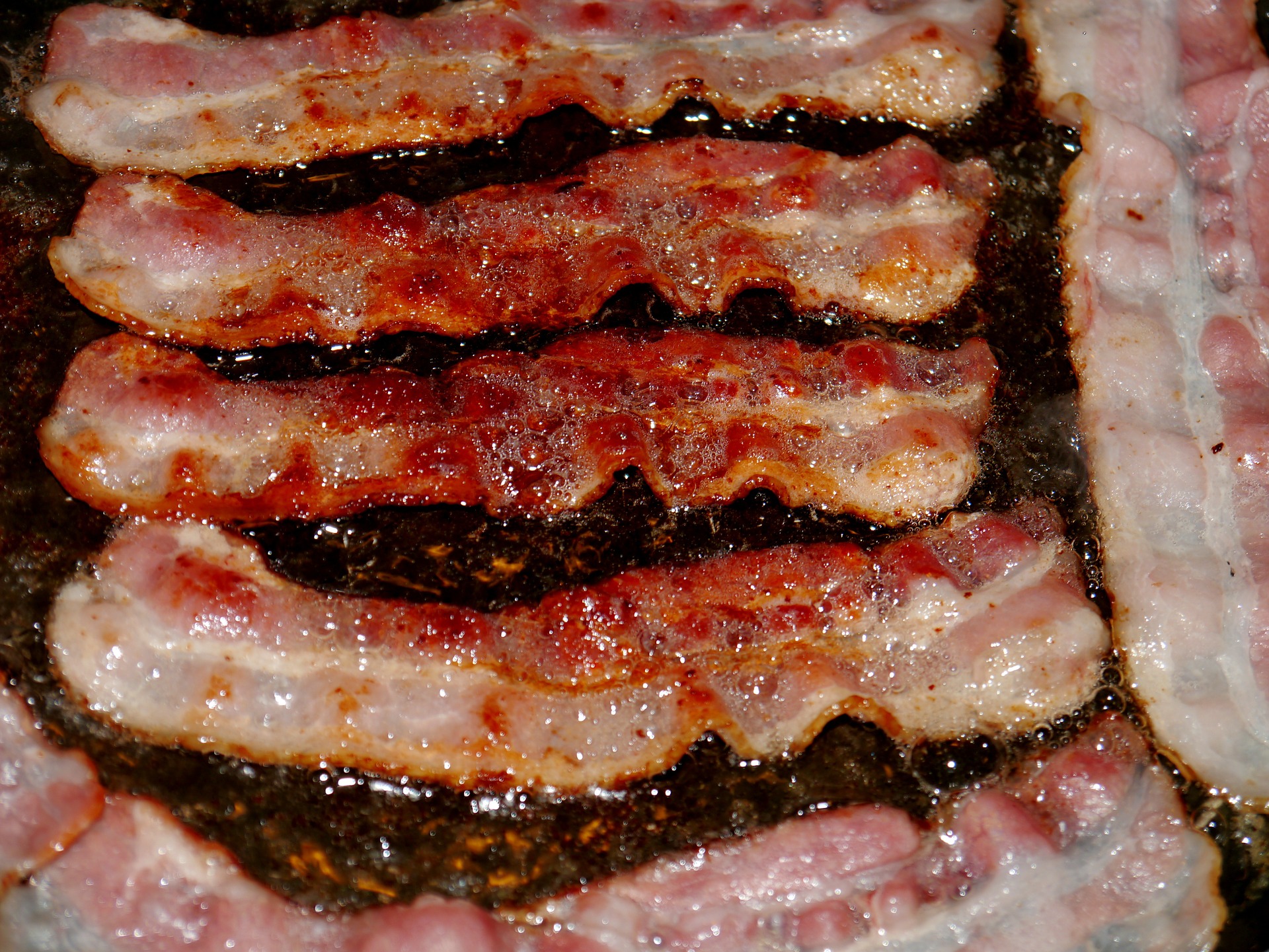
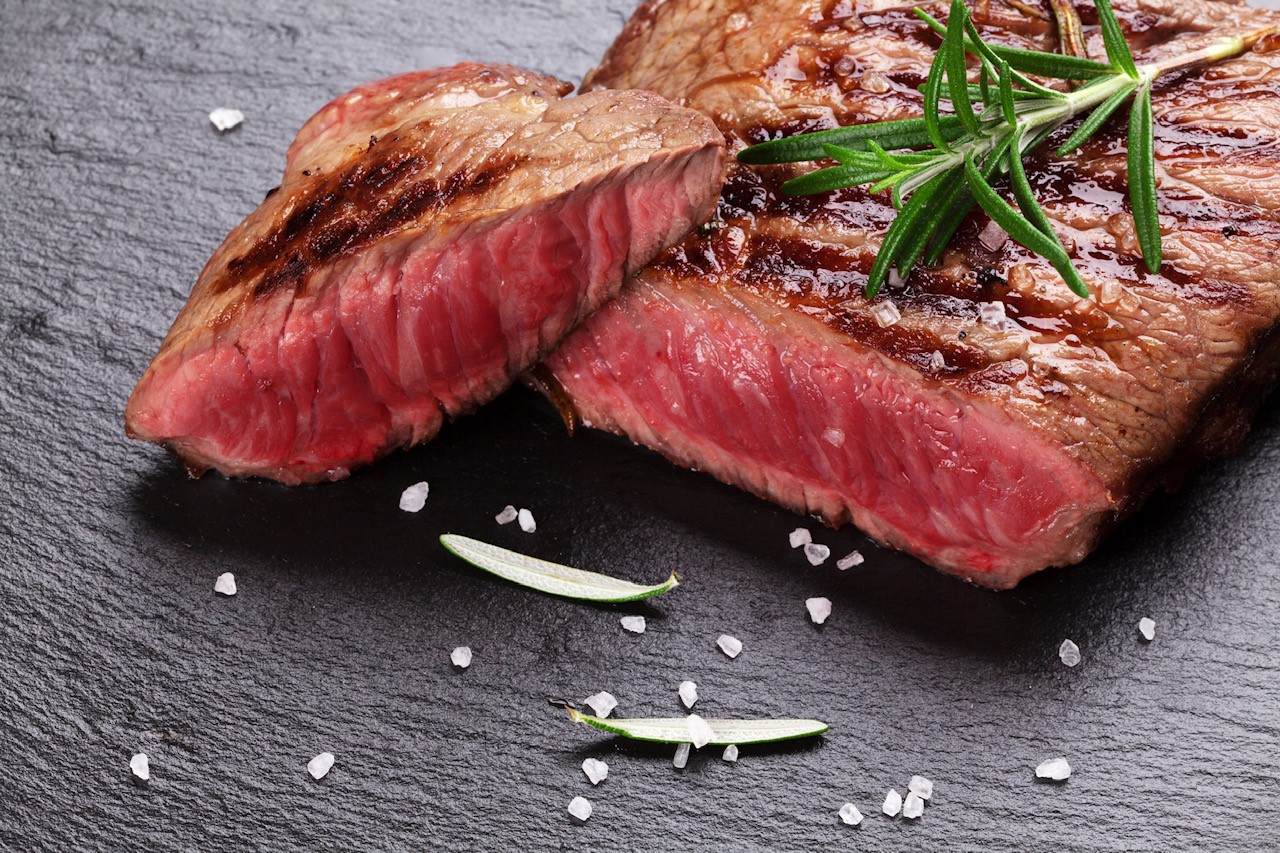
Photo by Pixabay
Why bacon is good
To put it simply: because very tasty! The point is that you can take the meats and dishes that you are used to, but have grown tired of, and give them a whole new dimension with bacon. Bacon not only adds flavour, but is also a great element when serving. Whether rolled up or placed neatly alongside meat or a side dish, it can add a desirable visual appeal to dishes. As a flavouring ingredient, bacon is an excellent addition to vegetable and casserole dishes. You can wrap almost any material with it and we can spend it. You can be sure that if you add bacon to a dish you have just prepared, you will add an extra flavour to the other ingredients that will only be an advantage.
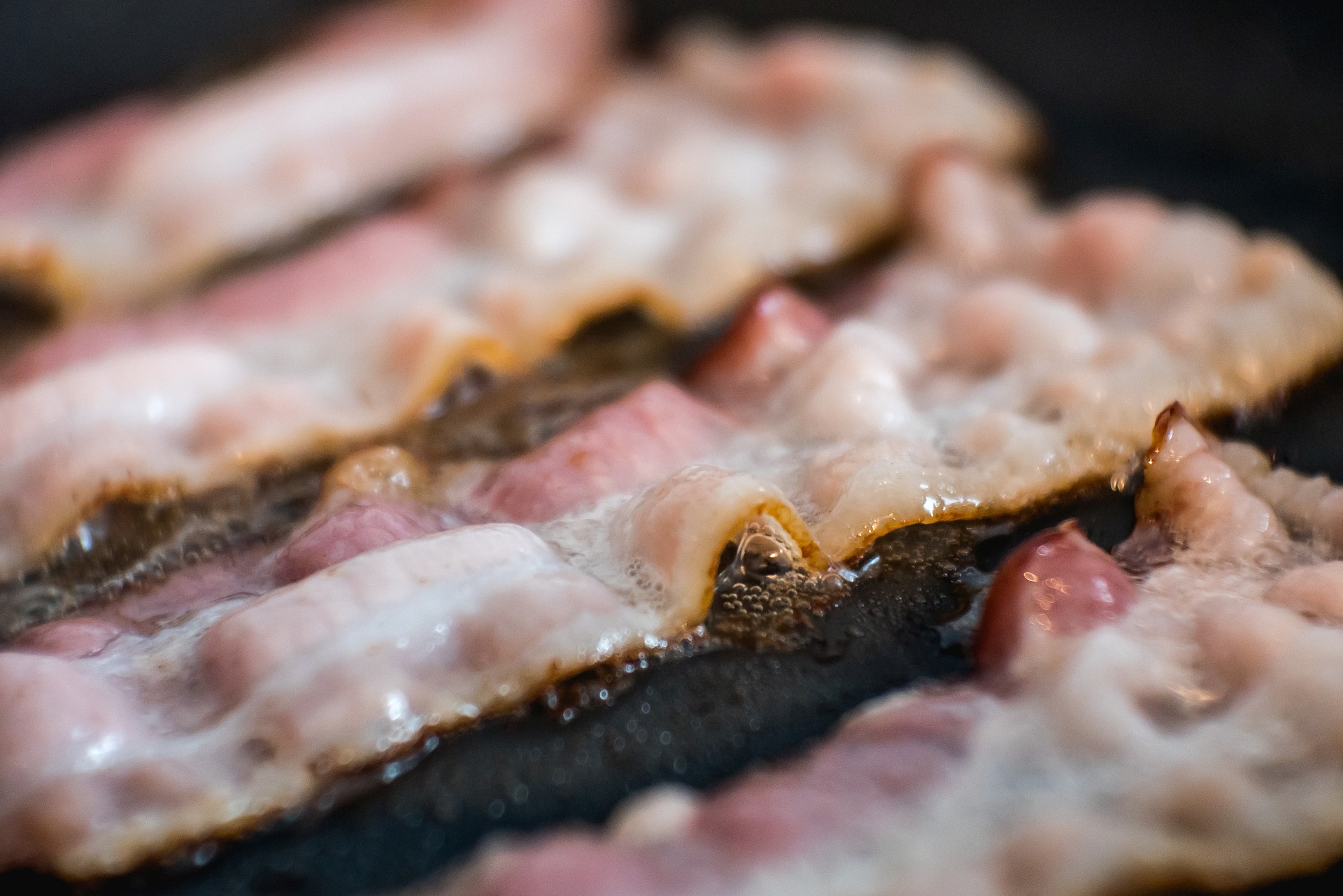
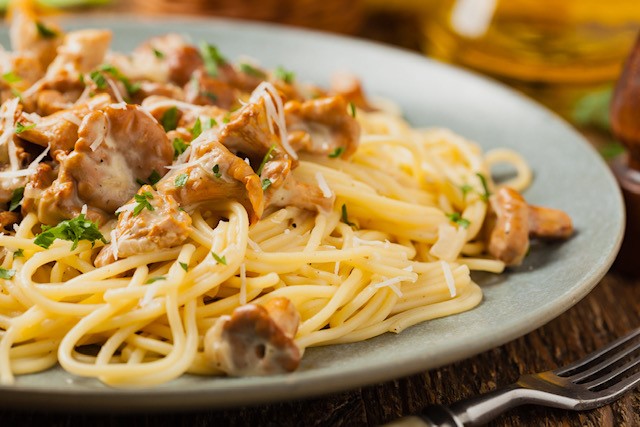
Photo by Pixabay
How not to spoil the bacon
Some tips on how to make bacon. Bacon is an excellent ingredient in almost any form. But sometimes, instead of getting the crispy but meaty bacon you want, you may end up with burnt or raw, oily bacon. Of course, this for all may be discouraged and “enriched” with unpleasant culinary experiences.
Microwaved bacon is the easiest way to cook your bacon quickly. Place the bacon on the microwaveable tray so that they do not touch, if possible. Basically, it's fine to flip it up, as the microwaves will do the job either way. However, it is essential to catch the fat by placing a paper towel under and over the bacon. Of course, this will lose valuable fat, unlike frying it in a pan or baking pan. When cooking in the microwave, set it on the highest possible setting. The time depends on the ingredients, but usually 2-3 minutes.
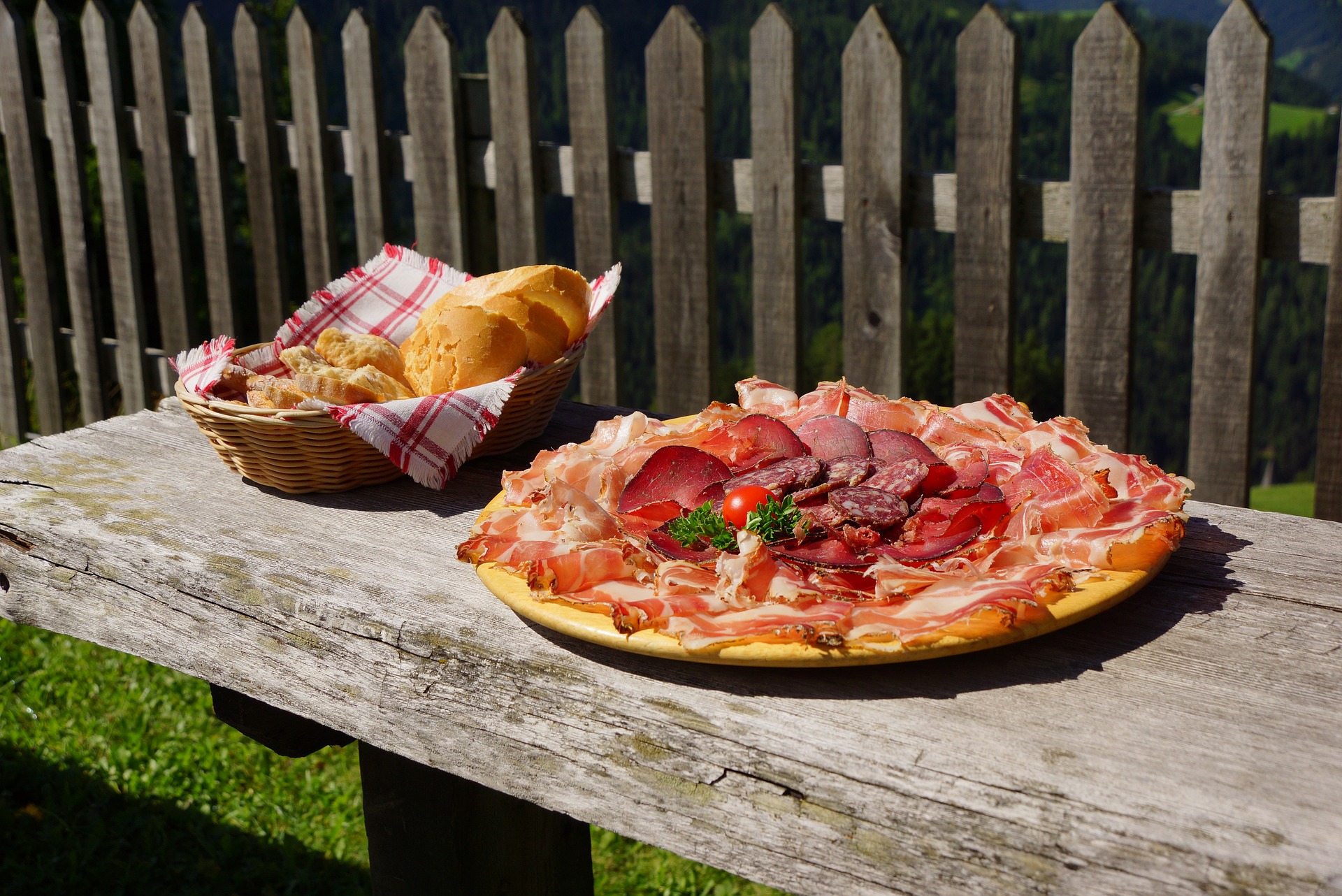
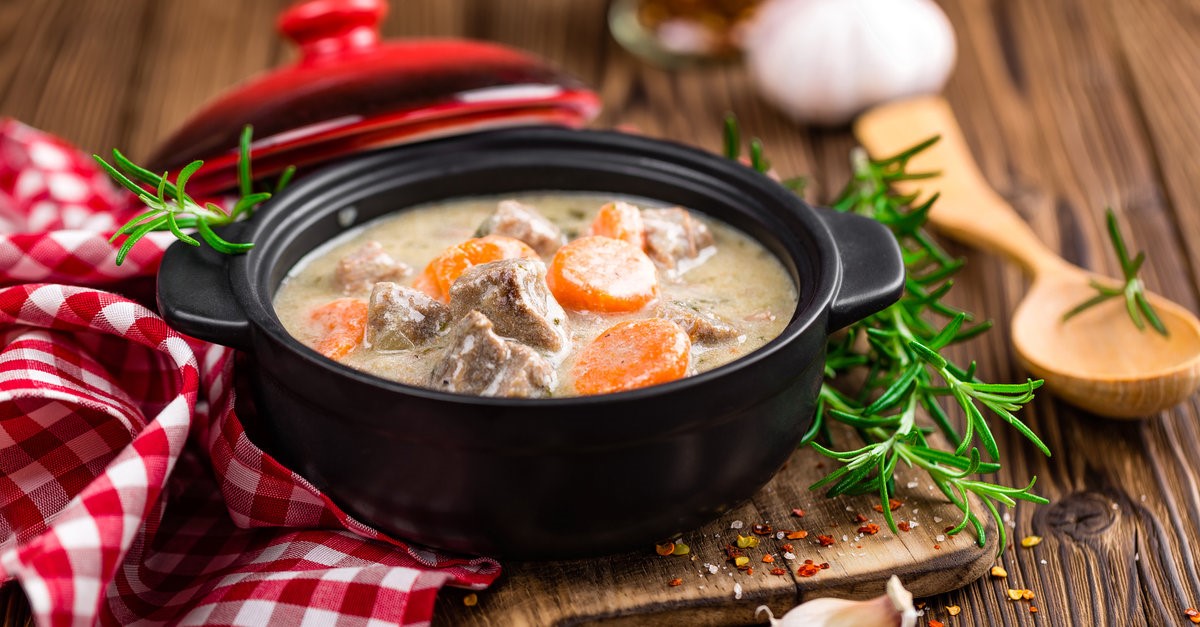
Photo by Pixabay
Pan frying: if you're going to use a pan, preferably a professional cast iron pan! It is definitely worth reheating it a little before putting the bacon in. Once it is in, it should not be left there in a slendry manner, it needs constant supervision. Fat - oil, lard or butter - should not necessarily be added, but if it is, it should be a little. This is important because the first stage of cooking is when the bacon starts to release its own fat, thus providing the basis for its own cooking. Don't be alarmed if it starts to crackle or crackle, but turn it expertly (without burning yourself).
What is the point
It is essential that both sides are cooked evenly, without taking your eyes off it for a moment. When they are crispy and nicely browned, remove them immediately. If you overcook it, it will dry out, get too crispy, and can get burnt pretty quickly!
Baking in the oven: a big advantage of pan frying is the quantity. Obviously you can make more bacon this way. In this case, it's a good idea to put some fat underneath and arrange the bacon strips so that they don't touch. An important factor is to preheat your oven to 180 degrees. Cover the baking pan with foil and bake it, then remove it when the bacon is halfway done. You can season to taste, but only very thinly! After that, the baking time is 10-15 minutes, and it doesn't hurt to flip it occasionally in between. When the baking is done, put it on a paper towel! Do not spill any of the fat in the pan, but keep it, as it can be put to good use later on, possibly in other dishes!
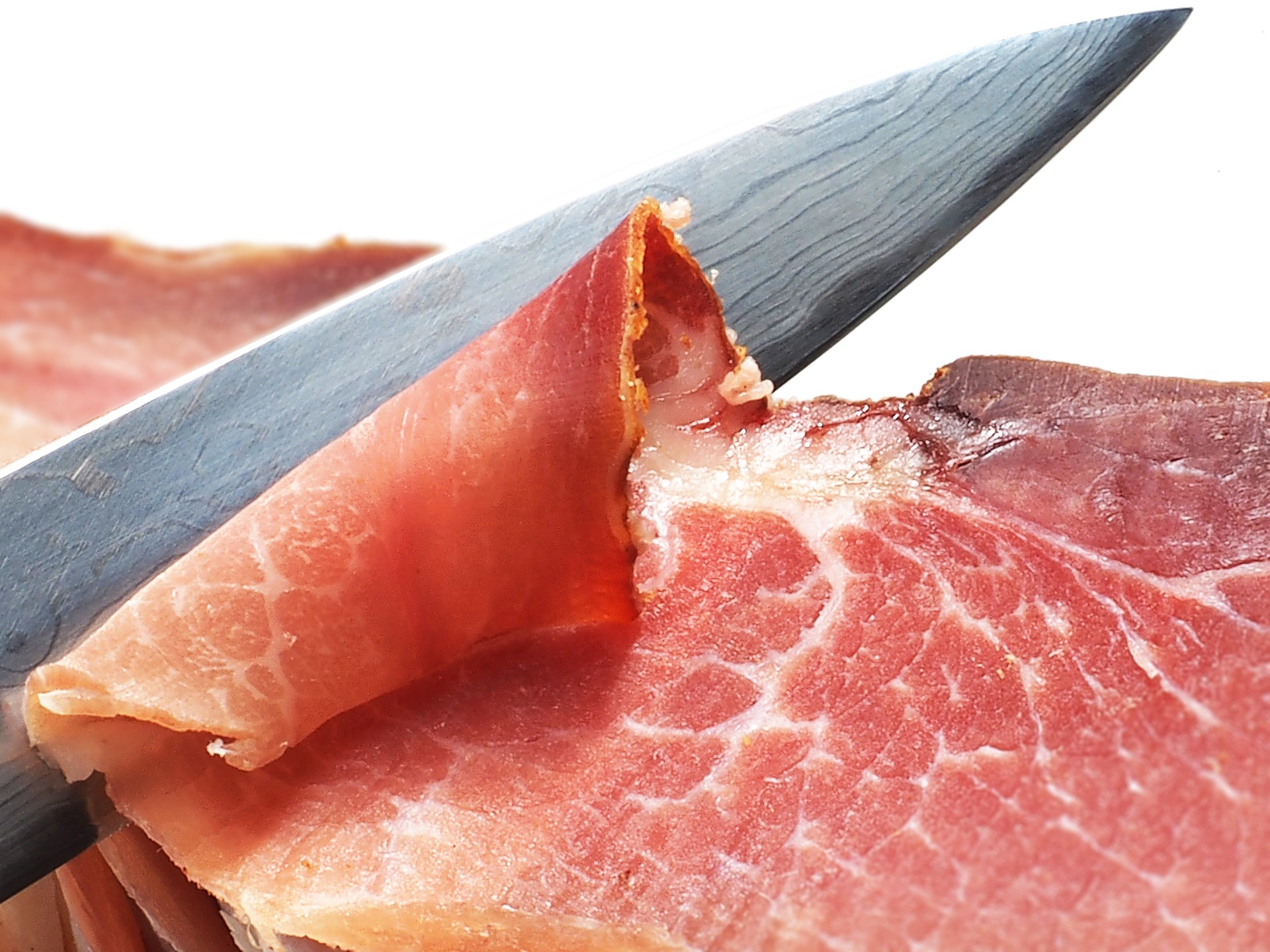
Photo by Pixabay
Interesting facts
Francis Bacon Born in London, into a distinguished family. His father, Sir Nicholas Bacon, was the chief sealer to Elizabeth I, and his maternal grandfather, a linguist and theologian, was tutor to Edward VI. He was thoroughly educated, studying at Trinity College, Cambridge, at the age of twelve. From 1577 he was employed by the English ambassador in Paris, but was forced to return after his father's death in 1579, and it was only with the financial support of his relatives that he was able to complete his legal studies. He became a member of parliament in 1584, was knighted, became attorney-general, chief sealer, lord chancellor, and in 1618 was made an earl. But Bacon had nothing to do with Bacon, except that he liked to eat it.
„A man who serves and explains nature can do and understand as much as he can observe of the order of nature in relation to things or his mind: he cannot know or do more than this.“
Translated into the language of bacon, use bacon and don't wonder why. Simply great!#