






Salad is one of the most versatile dishes, and has been prepared since ancient times. From in its simplicity lies in its success. In fact, it can be made from any kind of fruit or vegetable, despite the fact that there are many varieties - and newer and newer solutions and varieties are still being developed. This is due to the fact that for salad we have an almost endless range of raw materials at our disposal.

Photo by Flickr
What is a salad and why it's good
Already the „Nagyszombati Cookbook” published in 1742 more saladdescribes the plant and recipe. He mentions that our ancestors also made salads of cabbage, potatoes, onions, but also of turboy, chicory, large lettuce and martilapu. If salads are prepared in such a way that the raw ingredients, apart from being chopped, remain raw, the vitamins are preserved and the addition of oils not only preserves the vitamins, but also the flavour of the salad. tastier, more flavoursome, but also improve the absorption of important substances for our body - vitamins we facilitate. Salad ingredients lose most of their vitamin C content during cooking, so cook or steam for only as long as necessary. Relatively their high nutritional value and their high vitamin content make them an indispensable part of a healthy diet, as well as for enriching and dietary meals.
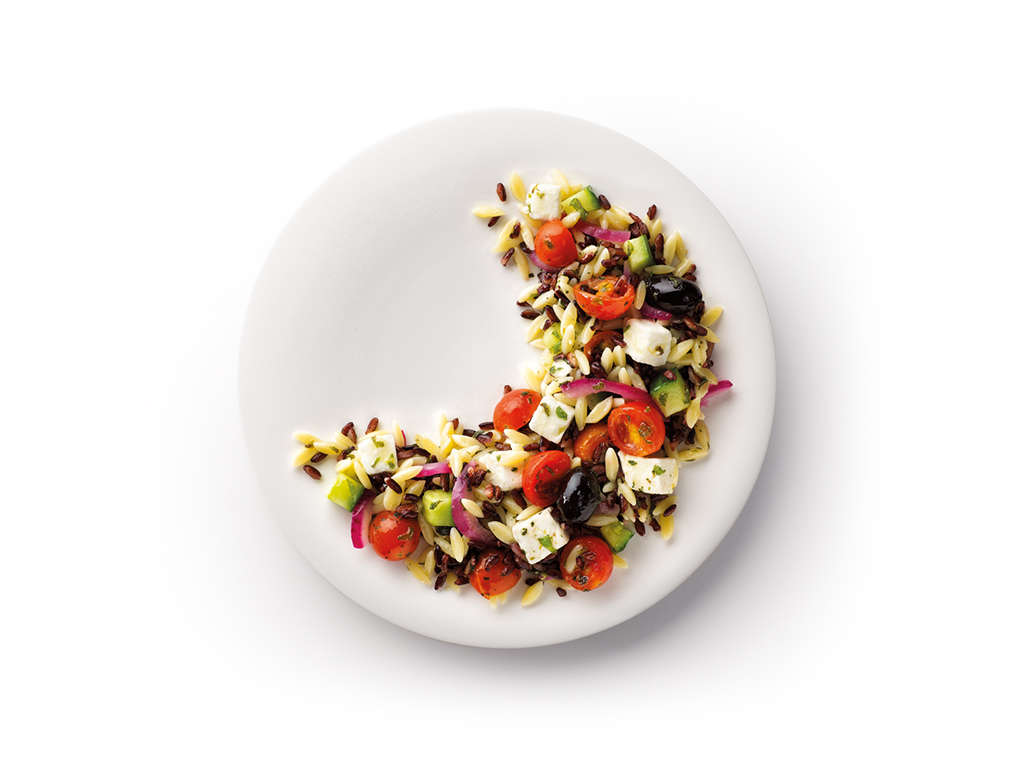
Photo by MATUSZVAD
Spartacus DARTA
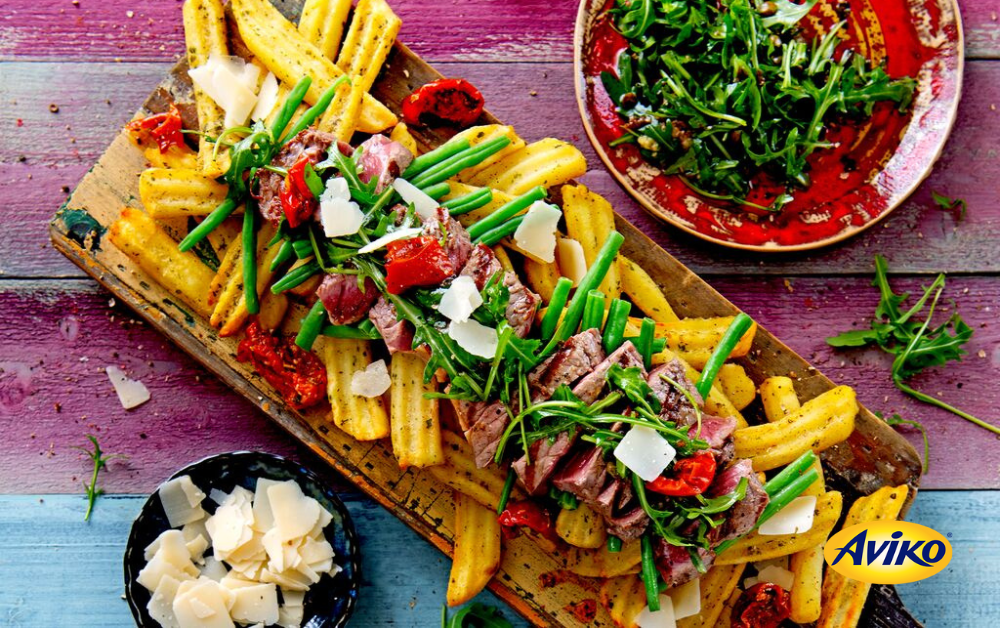
Premium quality salad speciality with feta cheese. Be energetic with a salad. Nowadays, salad is a way of life: be it salad, lettuce, insalata or lettuce, its purpose is clear: it can be either an appetizer or the main attraction of a given occasion (reception, party, dinner, lunch, etc.). It can be prepared in a few minutes to accompany a variety of dishes, but it can also be a great meal on its own, eaten from morning till night. It is also perfect as a starter or as a main course on its own.
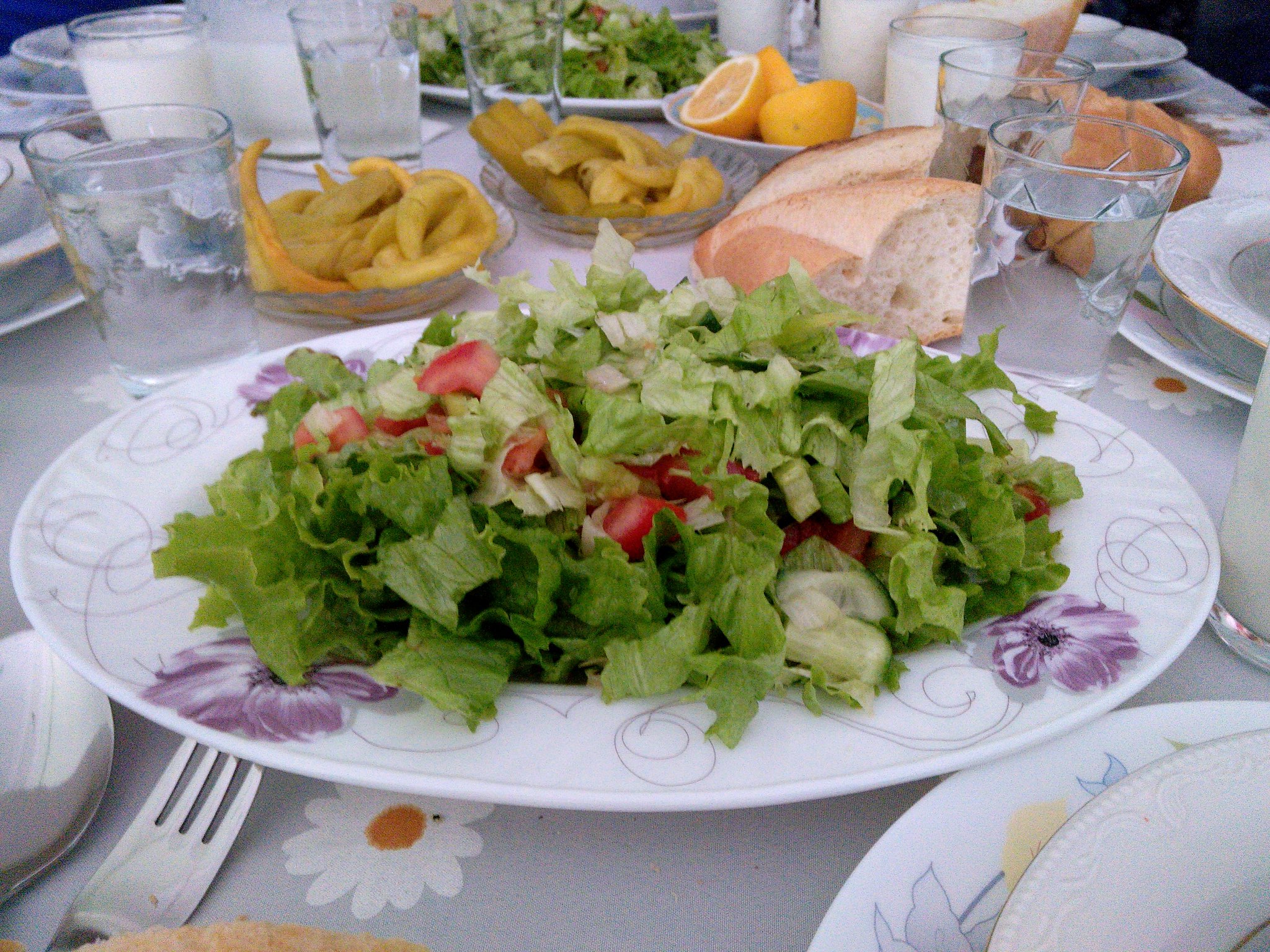
Photo by Flickr
The best-known salad ingredients
Nowadays, you can buy almost anything, but it is undeniably true that a good salad can only be made with fresh ingredients. Seasonality dictates the timetable, but there are some ingredients that guarantee a salad's success.
Cabbages are the ones that we use almost obligatory almost every season. Thanks to their high vitamin C content, they really are unmissable. Another important feature is that they make the salad filling.
Onions - the unmissable. They are the vegetables that really give our salads their character. Red onions are the base, purple onions are the sweet, shallots (shallots) are less intense but an important accessory, garlic is the piquancy, leeks are available all year round. And the really unmissable is the ham onion.
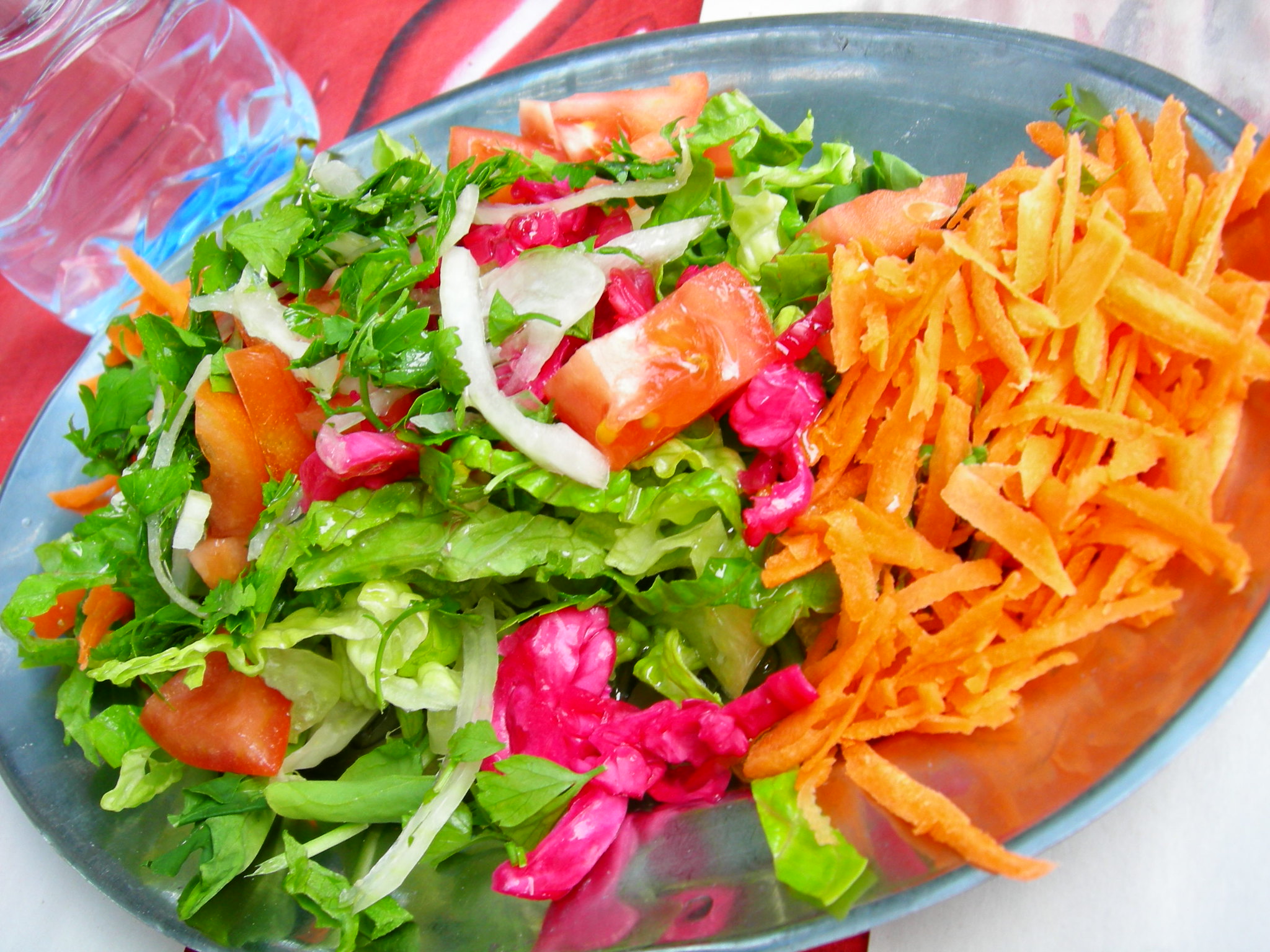
Photo by Flickr
Root vegetables beetroot, beetroot and fresh radish are essential ingredients. You can't go wrong with any of them if you use them in the right way in salads. They can be used to achieve a distinctive flavour effect. They boost your body with vitamins A, C, E and valuable minerals.
Spinach, as a salad ingredient, is somehow less widely known, but it is a great ingredient. It's a great source of antioxidants, and also provides vitamins A, B2, B3 and E. It is also rich in folic acid, calcium, iron, magnesium and manganese.
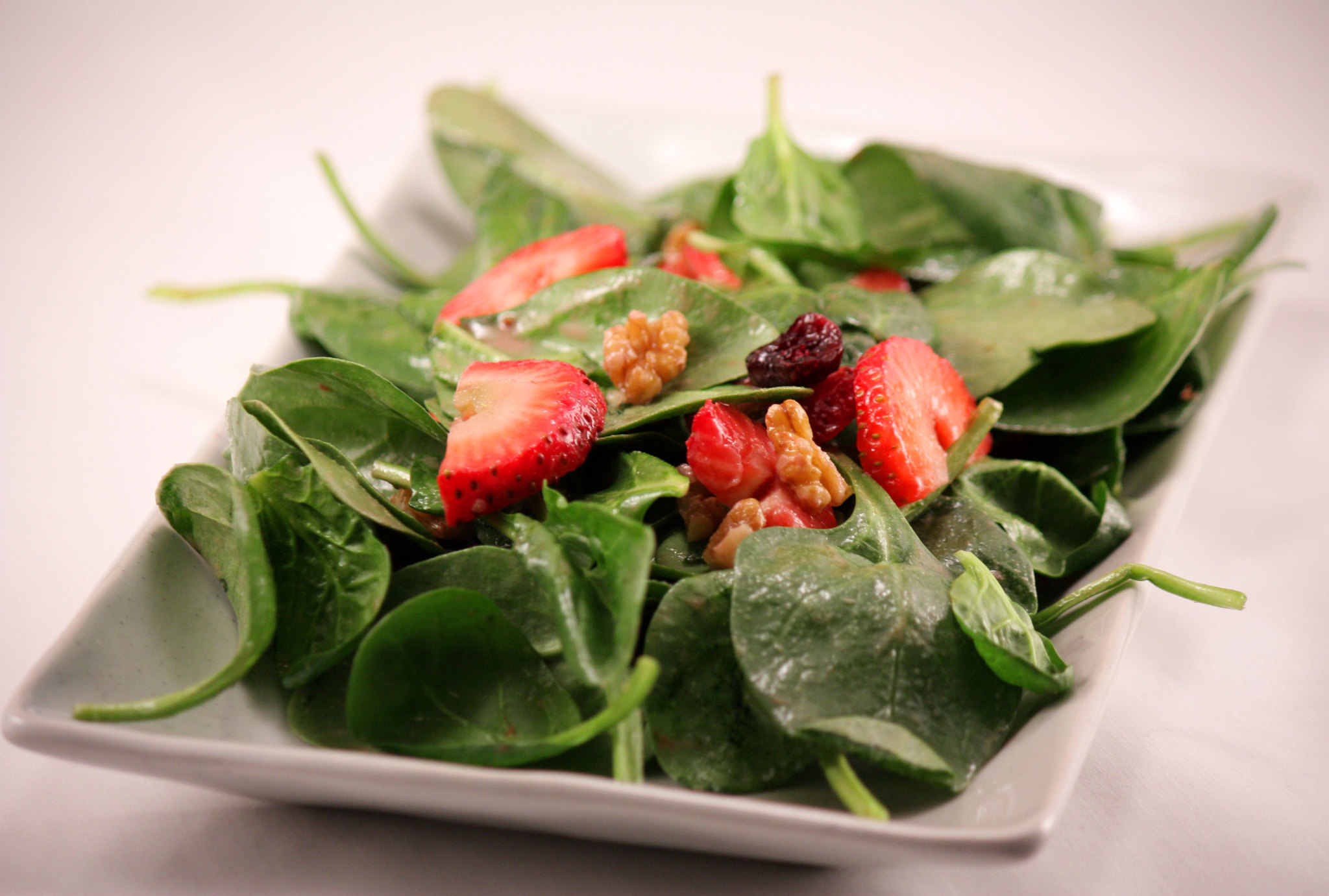
Photo by Flickr
Tomatoes the net result of soupiness, juiciness. Tomatoes taste good in almost all salads - so they're an essential ingredient.
Paprika - is not a question of using it, as it can make the salad much more substantial and rich. It is rich in vitamins A, B6 and C, but also in fibre and carotenoids.
Uborka - this component is also important as it is rich in water. You can use any cucumber you like, it will only benefit your salad. Its pickled form is a good addition to the acidity of your salad.
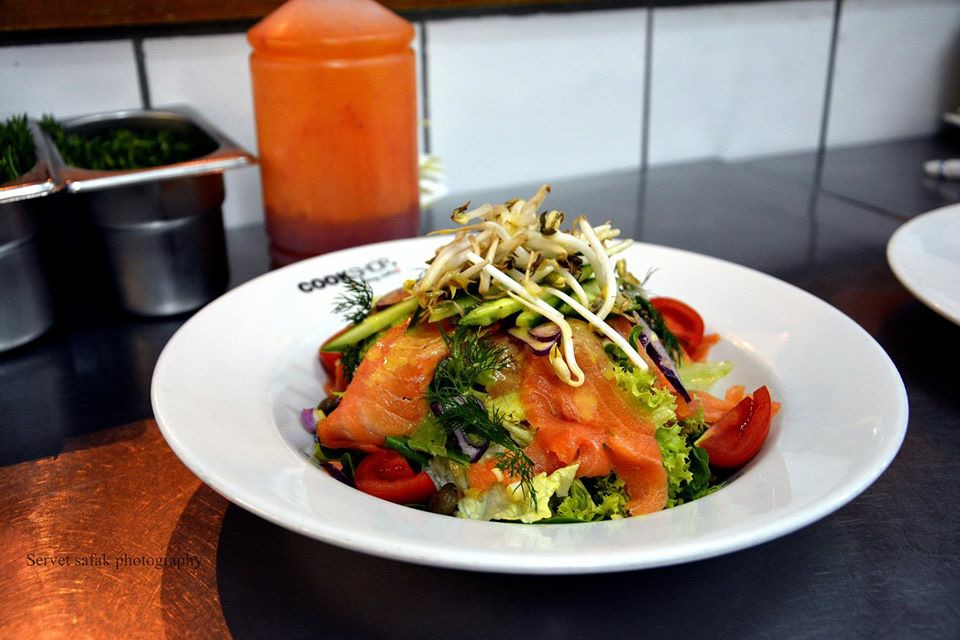
Photo by Flickr
Why Spartacus?
Spartacus (109 BC - 71 BC) was a Thracian-born gladiator and slave in ancient Rome during the Empire. He was the main leader, or most famous leader, of the greatest slave revolt. His army of runaway gladiators and slaves defeated numerous Roman legions in several battles. This battle was the Third Slave War - one of the three great ancient Roman slave revolts - or the Gladiatorial War. Little is known about Spartacus himself: records of the events of the uprising are often sketchy or contradictory about this thread of history. According to several sources, Spartacus was originally a captured Thracian soldier or a soldier of the Roman army who rebelled in Macedonia. At the time, gladiators were trained in two styles of fighting: Gallic and Thracian. Why was a salad named Spartacus? It's very simple. It's rebellious, energetic, healthy, explosive, and without a doubt, it can be made everyday.
Photo by Pixabay