






The Moonfish, known as Moonfish or Sunfish, but rather little known, is finally on its way to conquer the Hungarian gastronomic world. This huge, disc-shaped shimmering fish has perhaps been neglected until now, but it is a great staple.

A moonfish commonly known as the opah, a large tropical warm-blooded fish, which is primarily
is found in the deep waters surrounding Hawaii and can weigh up to 100 kg. The moonfish's body is silvery grey with white spots and red tints. Its fins are red and its large eyes are framed in gold, flat on the front and round on the sides, like a large red moon.
The flesh is also reddish salmon-coloured, and structurally very similar to that of tuna or
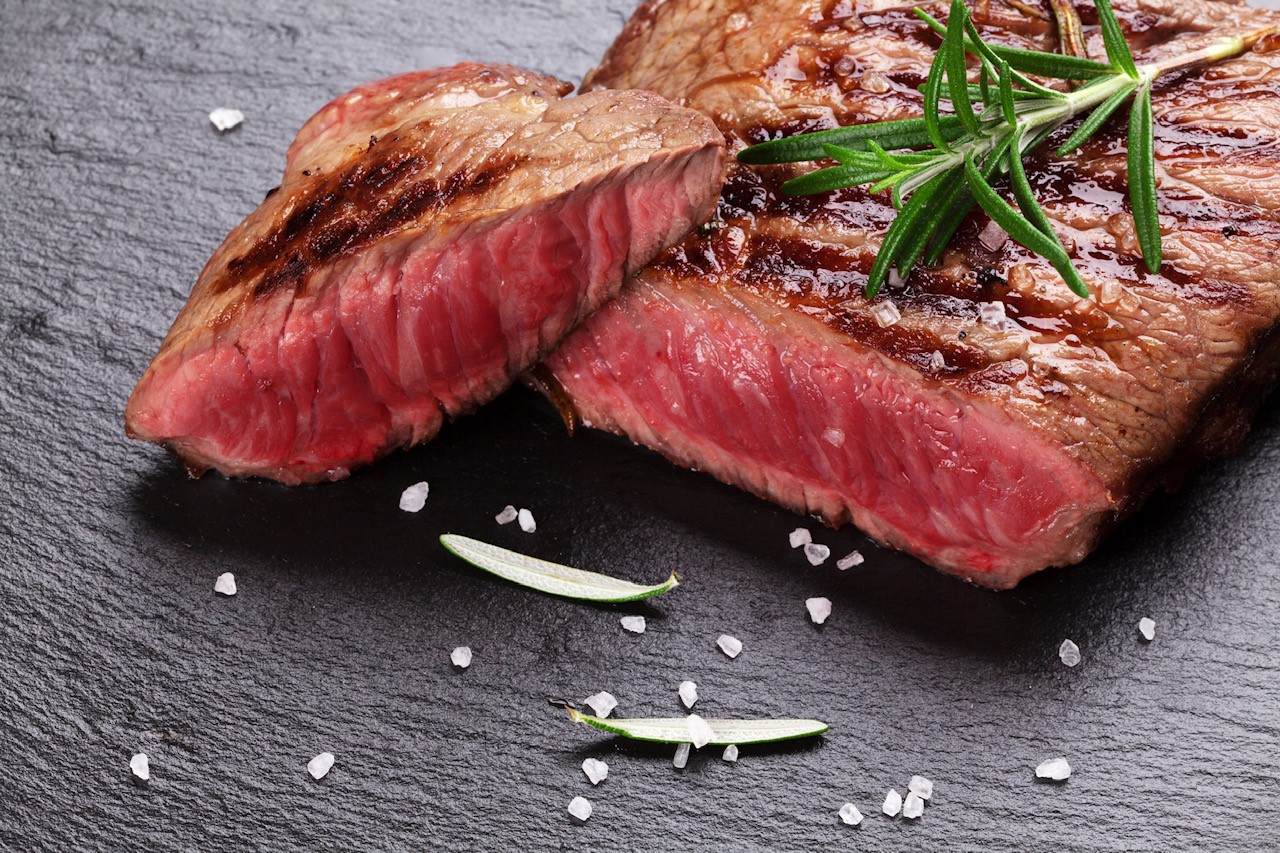
the swordfish, but the taste is much softer, not too strong. Like tuna and swordfish, it is usually sliced as steak. Its oil-rich flesh is perfect pan-fried or grilled. It's very easy to work with, you just need to fry a thin crust to achieve the optimum texture and condition you want to present on the plate.

Although fish consumption in Hungary has been increasing over the last ten years, it is still far below the EU average. There could be several reasons for this, but the arrival of moonfish on the market will hopefully encourage many people to tempt themselves with it. Moonfish is a brand new commodity
on the fish pallet available in Hungary, and such a special fish deserves to be served in a special form, which is why we asked the Monk's Bistrot chef Piróth Zoltán Piróth has prepared an exciting dish for us. Zoltán has always wanted to be a chef since he was a little boy, and his dream of becoming a chef has come true. The Monk's Bistrot offers Hungarian fusion dishes in general, including a few reimagined dishes in Zoltán's style. But let's go back.
to the moonfish, and let's go around this base rabbit a bit.

Where did you first meet this moonfish, what was your first food experience with it?
I didn't have any experience with it, it was new to me too, but having worked with fish with a similar texture before, it was easy to create a new dish with it. In addition, the Matusz-Vad sends the ingredients ready to cook, packaged. All we really need to do is slice it and make an exciting meal out of it.
What dishes do you recommend using it for?
We've made an appetizer, a steak, but I'd love to try it raw, as
the Japanese use similar fish. Either as shashimi, diced with a little vinegar or lime, or even sliced as carpiacco. But I might smoke it, sometime, definitely on cold smoke.
Tell us about this dish you dreamed up!
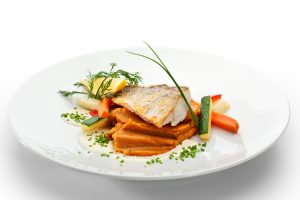
I didn't really introduce any completely new ideas, I concentrated on harmony. I think an exciting element on the plate is the celery confit in butter. It's so soft you can cut it with a spoon.
The base of the plate is this celery, topped with a citrus dressed fennel salad, dots of celery and juicy apple tapioca pearls, crisp apple elements, a little fennel greens and a few drops of buttermilk green oil. Finally, I sprinkled a little spirulina powder, the flavour of which goes extremely well with the seafood. And of course there was the moulded moonfish steak, which is the other characteristic element of this starter.


How sympathetic do you think the public will be to this ingredient and this dish?
I believe that we must educate our guests in our country, we must try new things! If you just
we would eat what we eat at home, then the restaurant would lose its character, as the chef would not be able to show us the cooking technique or flavour pairings he has dreamed up for each ingredient.
Are there any rules about this fish that must be followed when preparing it?
After slicing the desired amount, be sure to leave the fish at room temperature for about 10-13 minutes to allow the fish to temper and the core temperature to approach lukewarm, so that
in the end you just have to bake the crust on it.
You said you had worked with fish with a similar structure. But why would a guest or chef choose moon fish instead of the more common tuna?
I think the moonfish the situation is much better. It has a better purchase price, for example, and is a perfectly good alternative. Very easy to pair flavours with it. It's soft, easy to handle and actually works like a flavour carrier.
Are you basically a fisherman? Do you like to eat and work with it?
I really like fish, but in this country it's not easy to go to a restaurant or work in a place where you see a lot of fish, but here in Monk's Bistrot-It's really exciting to work in the fish farm, because I can work with live fish, for example.

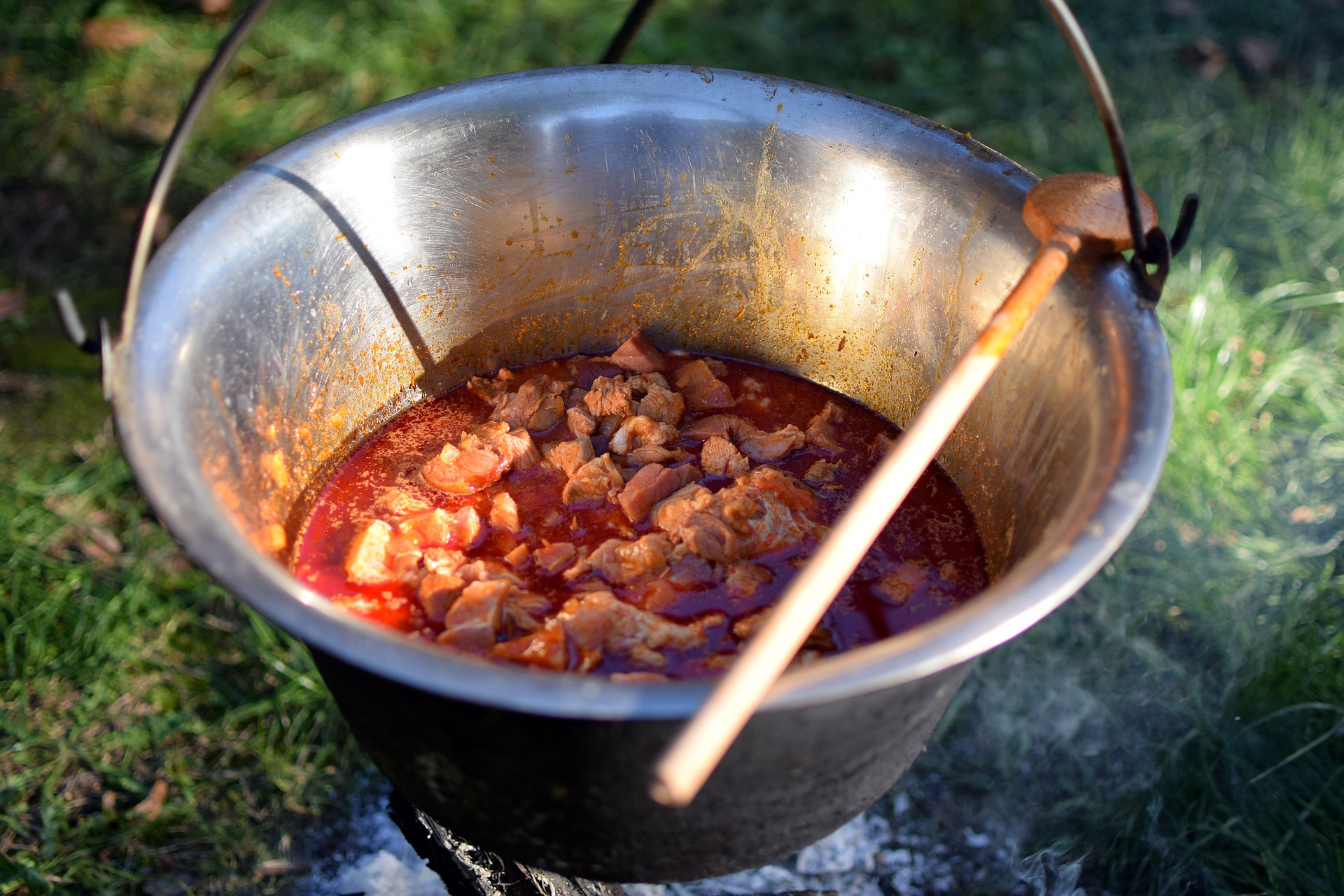
Ever since you were little, you wanted to be a chef. There's one dish from your childhood - specifically fish - that you really wanted to make, and here was a way to do it. How about an exciting chowder?
You've just shot me in the face, because I've made a chowder here, with a little reinterpretation. Anyway, I think it's important to learn about fish from an early age and incorporate it
fish into your everyday life, so that later you will feel confident to ask for a dish from a menu that uses even one of these special fish.