




If waste from food and raw materials were a country, it would be bronze medallist in the World Greenhouse Gas Emissions Championship behind China and the United States. It's high time we sat down and thought about what to do with waste. Below we look at two initiatives.
Too good
After being confronted with the staggering amount of food wasted (a third of the world's food goes in the trash), the creators of Too Good To Go decided to turn to modern technology to find a solution to this global problem.
An app has been used to connect shop owners who want to do something about unsold goods with consumers who are open to a more creative solution. The result? The amount of food and ingredients thrown out has been drastically reduced.
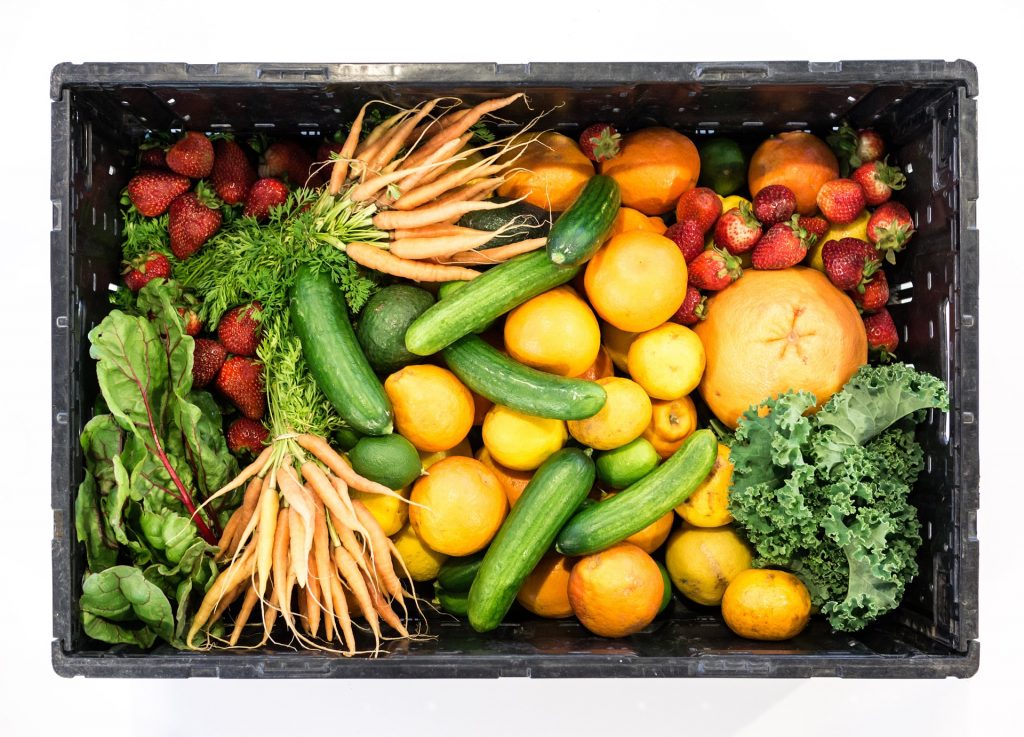
The basic concept behind Too Good To Go is a mysterious box whose exact contents are unknown to the customer. A box contains €12 worth of goods and the buyer pays just €3.99. The company receives a commission of €1 for each transaction.
One of the keys to combating food waste is good communication and a willingness to help, according to Sarah Choraqui, the company's director. „We believe that people want to do something about waste but feel they have little or no idea what they can do. This is where we can really help, by encouraging them to take action,” he explains.
Luxury articles from fisherman
In France, around 50,000 tonnes of fishmeal are thrown away every year, in Europe the figure is 500,000 tonnes, and this fishmeal releases carbon dioxide into the Earth's atmosphere as it decomposes.
The Ictyos team consists of three engineers who graduated in 2016. In Lyon, they collect discarded fish leather from restaurants and use it in their tannery to produce leather that can be used to make luxury items such as clothes, shoes, watch straps, but also to decorate cars and yachts.
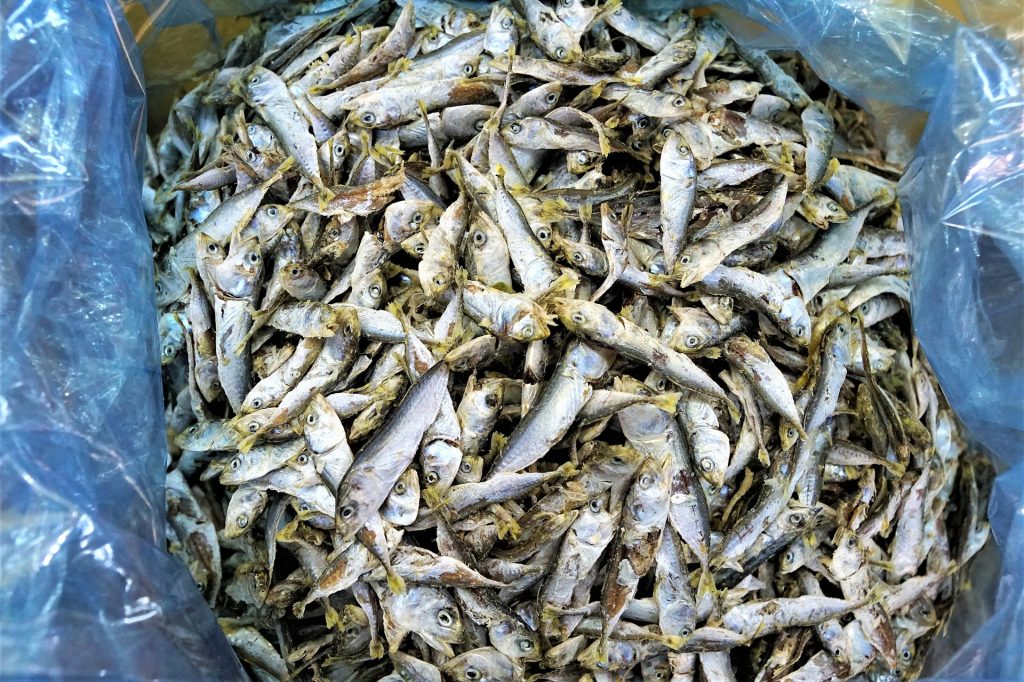
The complex process involves first freezing the fishmeal and then using a centrifuge to remove the fat and scales. The tannic acid is then added to make the skin, followed by the dyeing process.
Does it smell of fish? „Everybody asks me that, but no, there isn't. That's one of the things we do. We process the raw material so that it has a smell of its own, but it doesn't smell of fish at all,” assures co-founder Benjamin Malatrait.
The startup has already partnered with Michelin-starred restaurant Tetedoie. Signed by chef Christian Tetedoie, it is committed to minimising waste.
„We have learned from the mistakes of the past,” says Tetedoie. „Before we committed ourselves to reducing waste, we produced a lot of waste because we often only used the best bits and pieces and didn't touch the rest”.
Take for example the chicken. The best part, the uppercomb Tetedoie sets aside for restaurant guests, the bottom buttons and the breast goes into beer halls and sandwiches, and the bones are used to make broth or gravy.
Until recently, the fish keeper ended up in the bin at Tetedoie, but now, thanks to Ictyos, he's getting a second life.
(source: www.france24.com, photos: pixabay.com)