




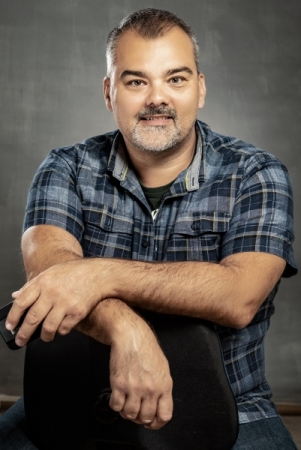
The importance of details cannot be overstated. Whether it's a beautiful plate, a perfectly placed tea towel, a nicely served slice of tomato, they all play an important role when you're capturing a meal. It may sound easy to photograph a bowl of spaghetti, but many people don't realise how much potential there is in preparing and photographing a dish. We talked about cooking, the love of ingredients and the difficulties of photography Ferenc Kiss with a chef and food photographer.
Ferenc has been travelling the world for nearly 20 years, cooking in Switzerland, Germany and now Austria. He never wanted to own a restaurant, but his childhood dream was to knit an apron.
Why did you become a chef?
In 1988 - when I started school - my uncle was the Gundel restaurant was a buyer, so I went there a lot and I really liked what went on there. The big hats, the hustle and bustle, I said I wanted to be a chef! At that time I was living in Székesfehérvár. In the socialist times there was a cookery school, and I went there. We made sandwiches and cold dishes, and I graduated from there, worked for a year or two in Fehérvár in various restaurants and hotels, and then in 2000 I went to Switzerland. The conditions, the work ethic, the ingredients were different. The kitchen technologies were different, there was order, discipline, cleanliness, and I liked it terribly. At home at the time. about fish was not really mentioned, everything was there, fresh, delicious.
What is your favourite thing about this job? If someone asks you why you should be a chef, what do you tell them?
It's the ambience, there's nowhere else like it! This profession requires determination to put up with a working pace that is not eight hours a day. When others are on holiday, you work, when others are resting, you work. But on top of that, the atmosphere in the kitchen has an atmosphere that no one understands except the cooks.
It's interesting that you say the hustle and bustle that permeates this work, but you also do photography, which is a much more relaxed genre, how do the two come together?
I don't know... This photo shoot came about because I woke up one day and said, “I want to take a photo!”
And in general, or specifically, “I want to photograph food”?
No. Photographing food, anyway. And the hotel where I worked for 8 years before that was a place with a high gastronomy. In Austria they measure these places in caps, and this was two out of four. Now, I loved everything there: the plates, the techniques, the equipment, not to mention the serving and of course the food. Then one day I started taking pictures of them with my phone. Then I bought my first lamp, my first camera, my first flash, then I bought a better lens, took courses in Vienna and in Pest. I set up a small studio, first at home, and now I rent a room. It took me 4-5 years to put it all together, and for 2 years I have been working officially as a photographer in Austria.
Some people take beautiful pictures, but they don't sell them or can't sell them. How does someone become a food photographer in practice?
You see, that's the difficulty of this job. I've sent a million emails to a million places, and very few of them were people I could actually talk to about anything. It's a luxury a lot of times for restaurants. Many times I've gotten the response, “No thanks, we'll do it over the phone.” And there's nothing to say to that, because of course it can be done. Today's phones take very nice pictures, but it's not going to be the same as a picture taken with a serious camera, serious lights and a competent eye. For those of you who are just starting out, I wish you a lot of perseverance and determination. There are a lot of people taking pictures, a lot of people with very serious equipment, if you want to do this you have to keep up with them!
There are so many beautiful pictures on your site and on your instagram with your photos. What percentage of the food in the pictures did you make?
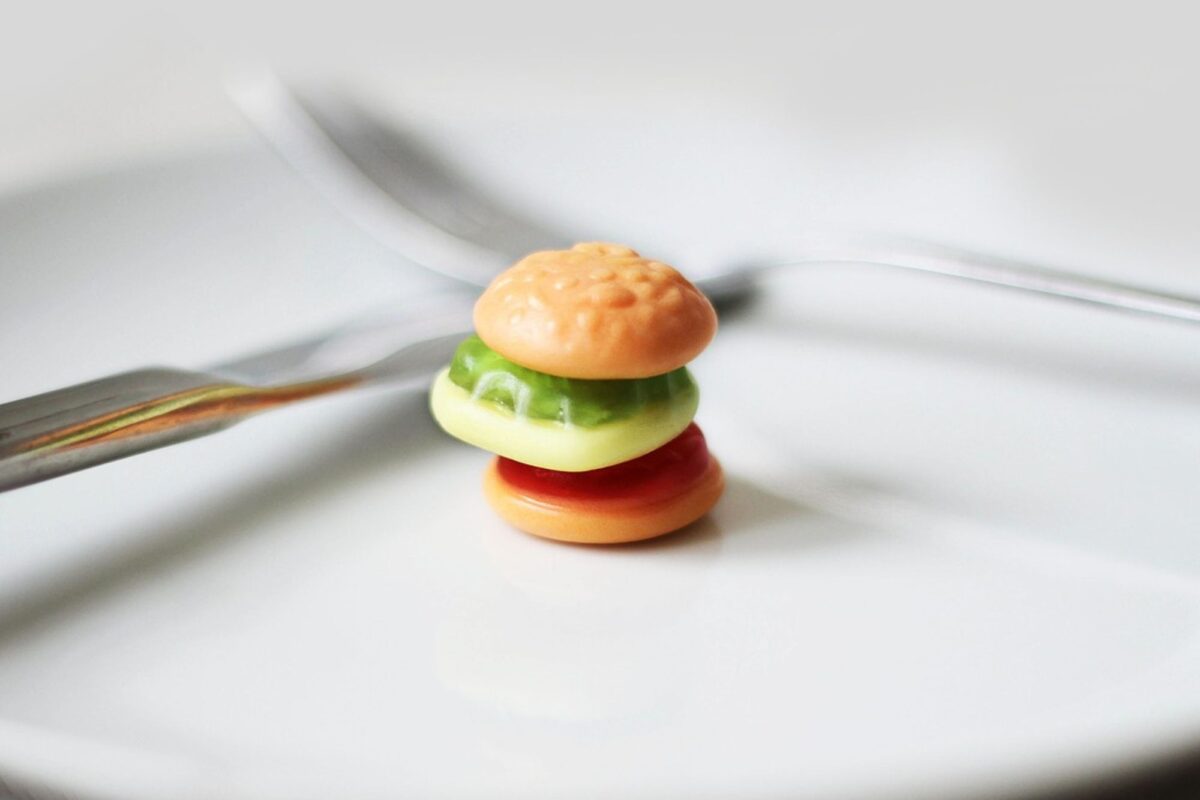
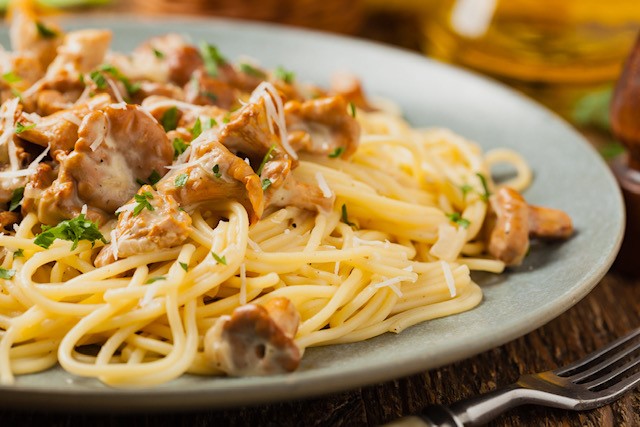
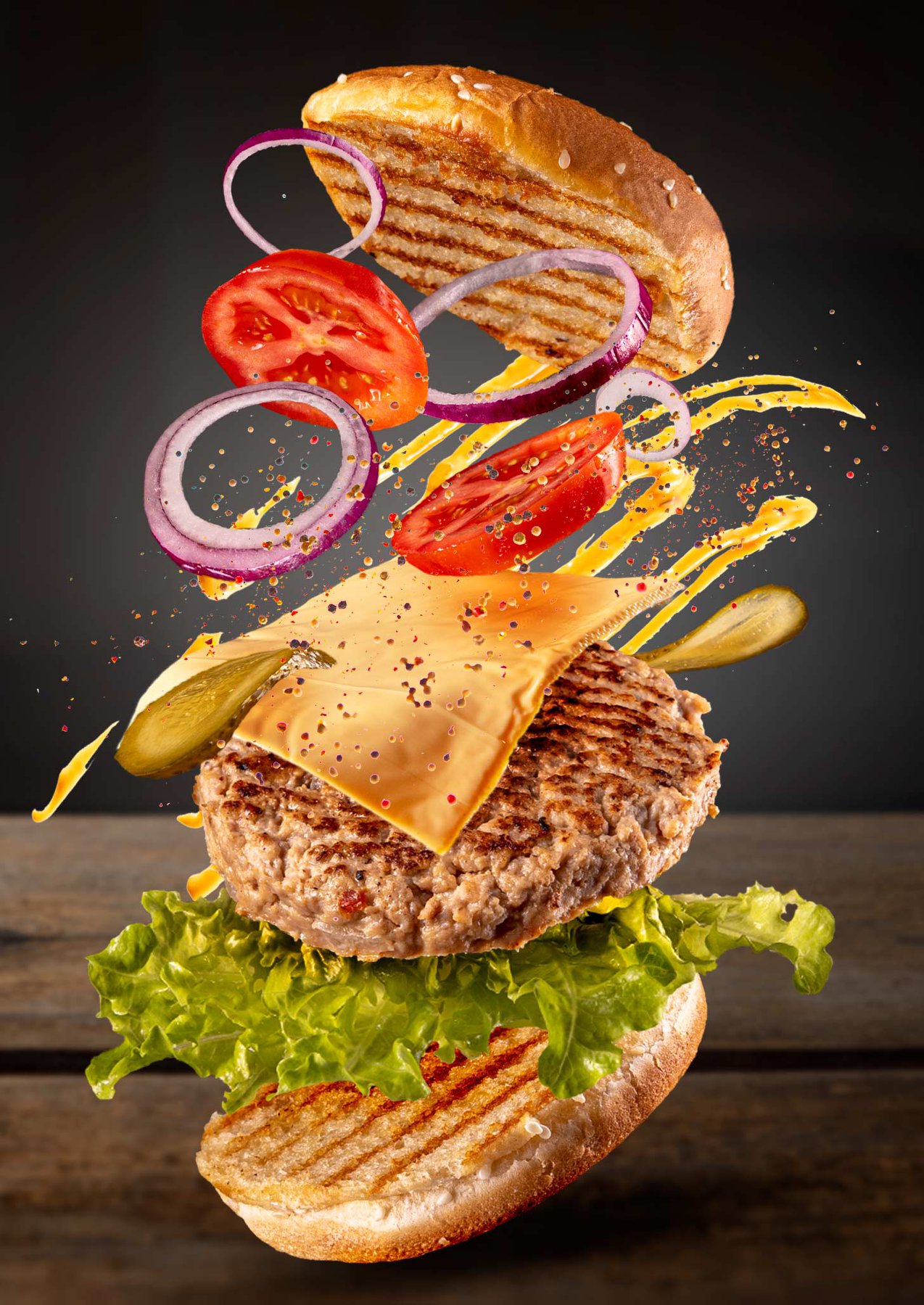
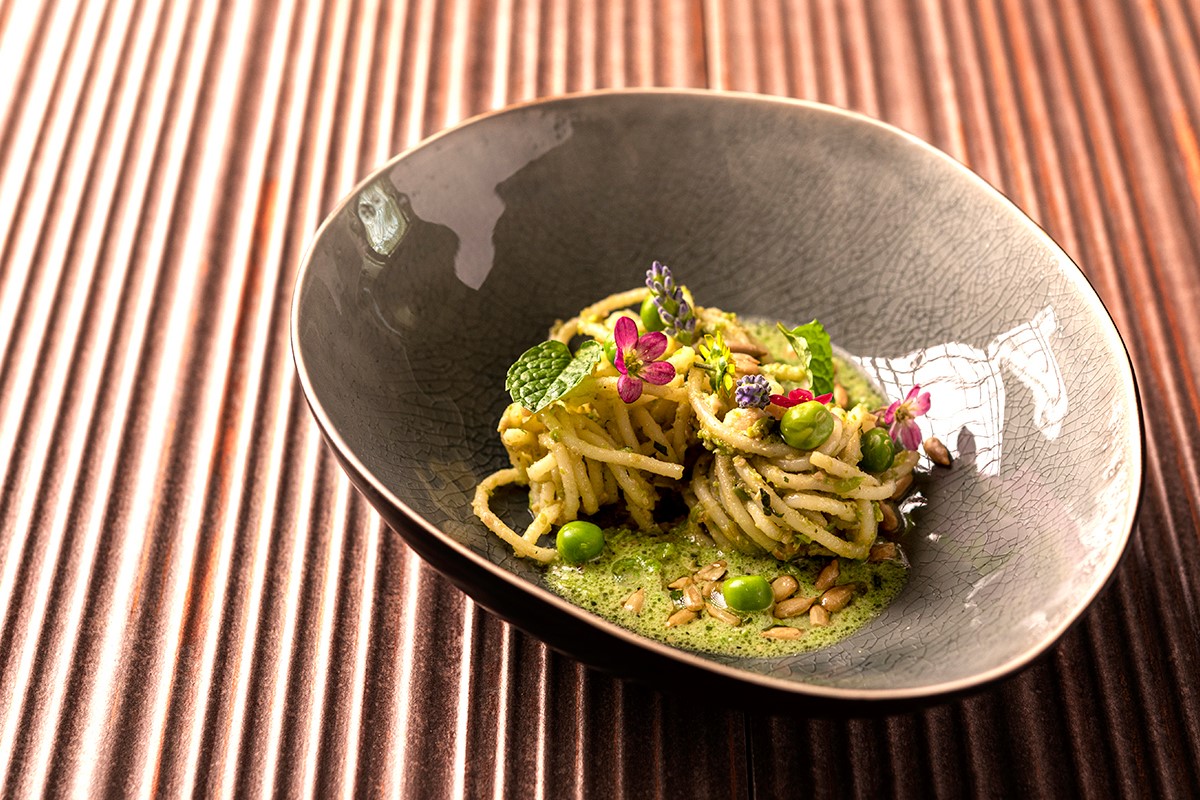
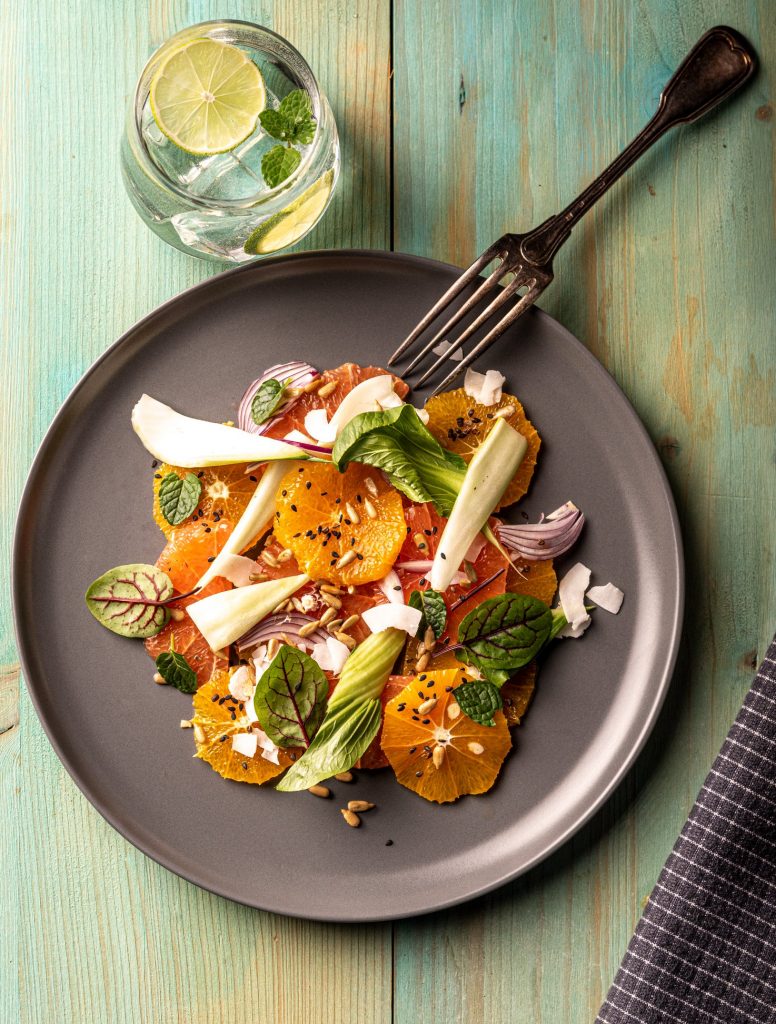
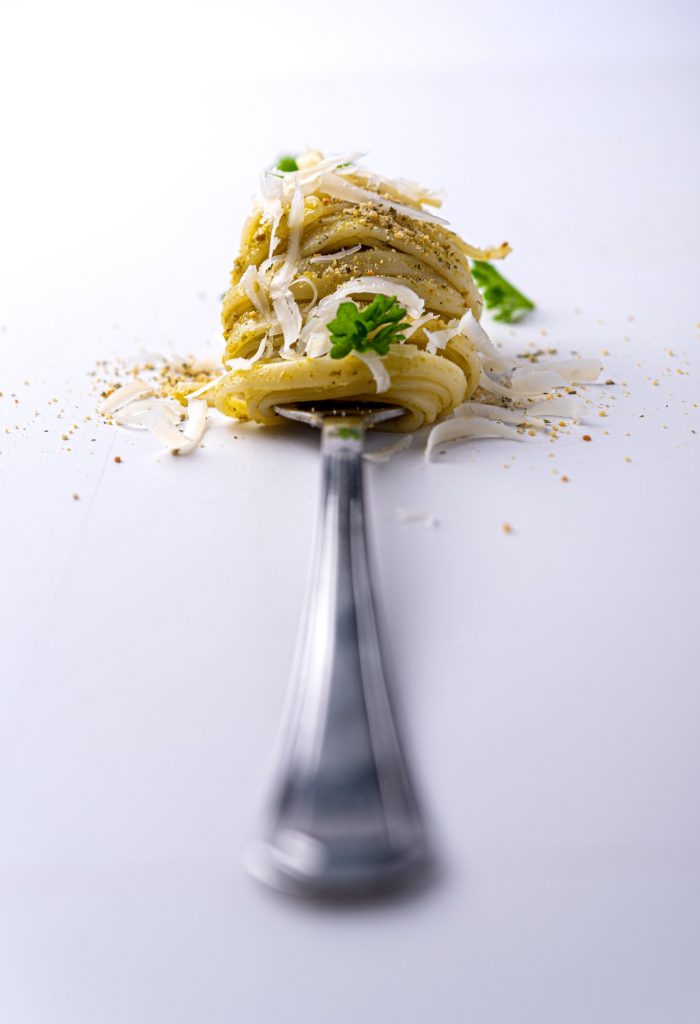
80% of them were taken by others and I took the photos, but at the beginning of the quarantine, in the spring of 2020, there were quarantine cages that I took and photographed. Photo 1 Photo A hamburgert for example, I did. There, each element is done one by one, and photographed by pinning them on a loop stick, then photoshoping them away and assembling the layers of the burger. photo 2 But there's an oval plate on a striped background, that's a pasta patty I made at home. Photo 5 Meg the orange salad and the fork-tossed pasta is.
I also found portrait photos and pictures of watches on your site.
Sometimes I do some challenging object shots, I like those too, but the food is the focus. I also put my equipment together to fit this and to be practical, to be able to take it with me when I need it. And with my mobile studio, I can show up at any restaurant or wine bar, I can work. But for example, I also have a lot of plates and cutlery, accessories, tablecloths. I can also make them available for photo shoots.
So you also do food styling?
Absolutely, yes. It's not the taste of the food that grabs you first, it's the sight. A beautifully presented dish, photographed with beautiful lights, is a much better sell than something that is thrown in. The food styling is also important because my photos are taken with a macro lens, so if you zoom in you can see the poppy seeds, the folds of the poppy seeds. You wouldn't believe how much you can see in the photo that you don't notice with the naked eye.
I think it's a good thing that I'm a chef, because I can help my colleagues how to serve something in a way that makes it look good to photograph. I'm not the kind of photographer who goes in, takes 15-20 pictures and leaves. I'm there to help you decide if, for example, this or that plate is more appropriate for a dish. And that's what I love to do, I love to do it, especially if you need my advice and my vision.
Is there a food or ingredient that you love to photograph?
Somehow I really like raw vegetables. Asparagus, artichokes, the special ones.
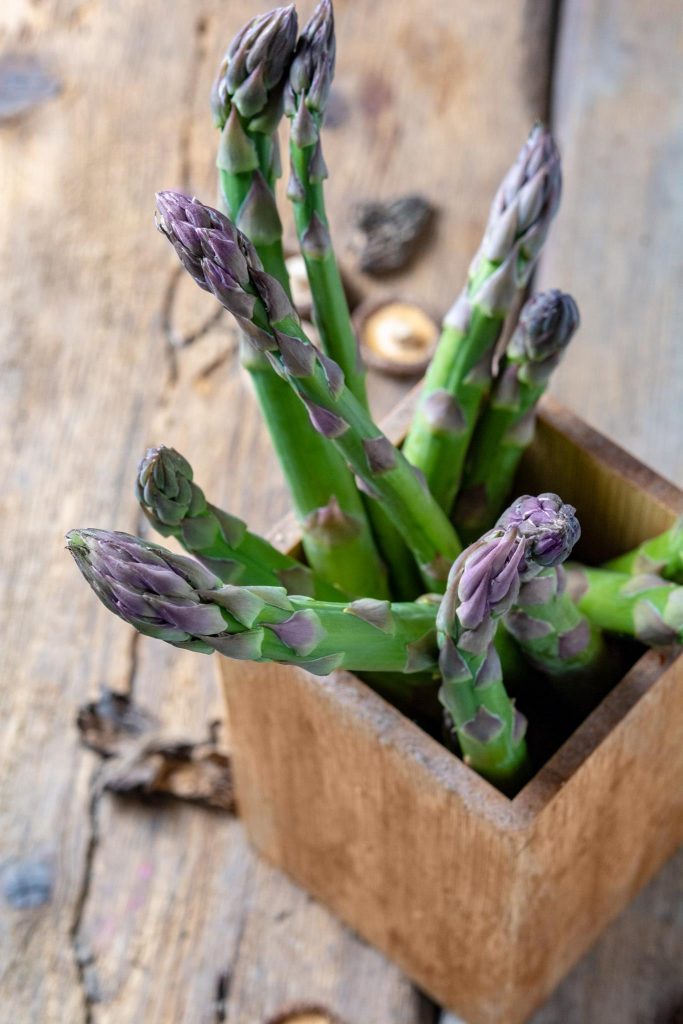
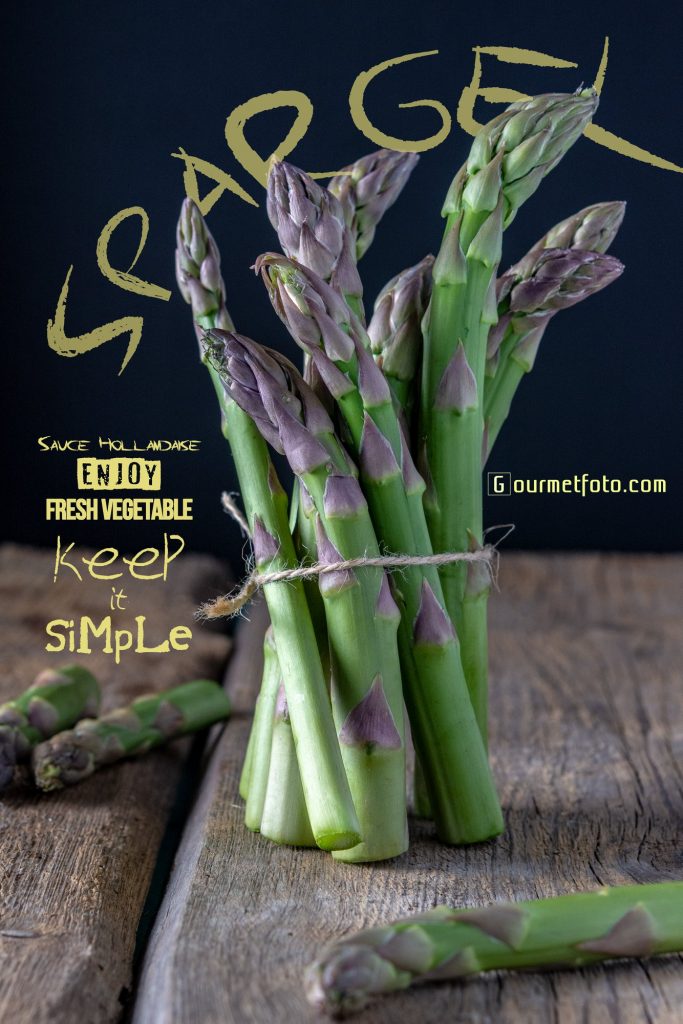
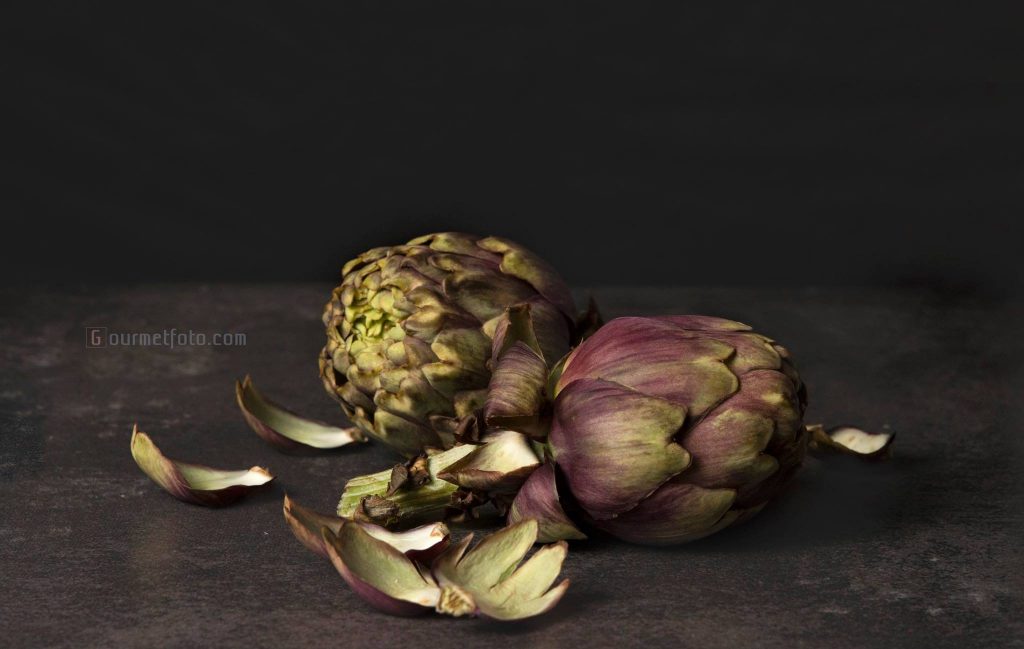
We know that in beer commercials, beer is replaced with artificial liquid to keep the foam from disappearing. Do you manipulate food?
Some of the artificial objects, like the ice in my pictures, are made of plastic.
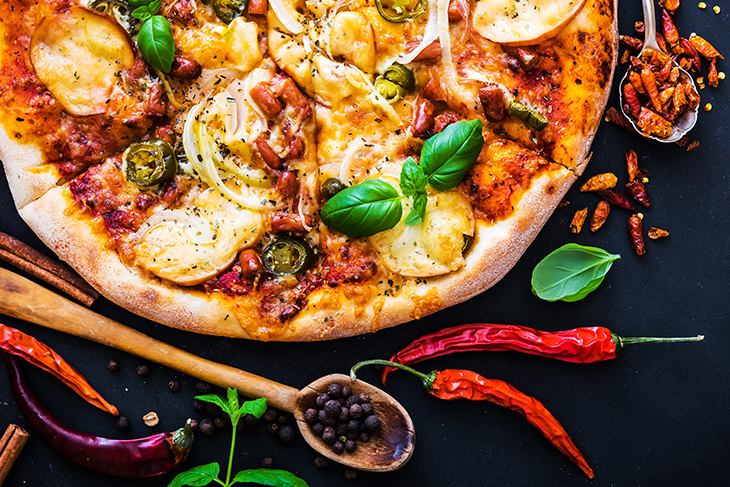
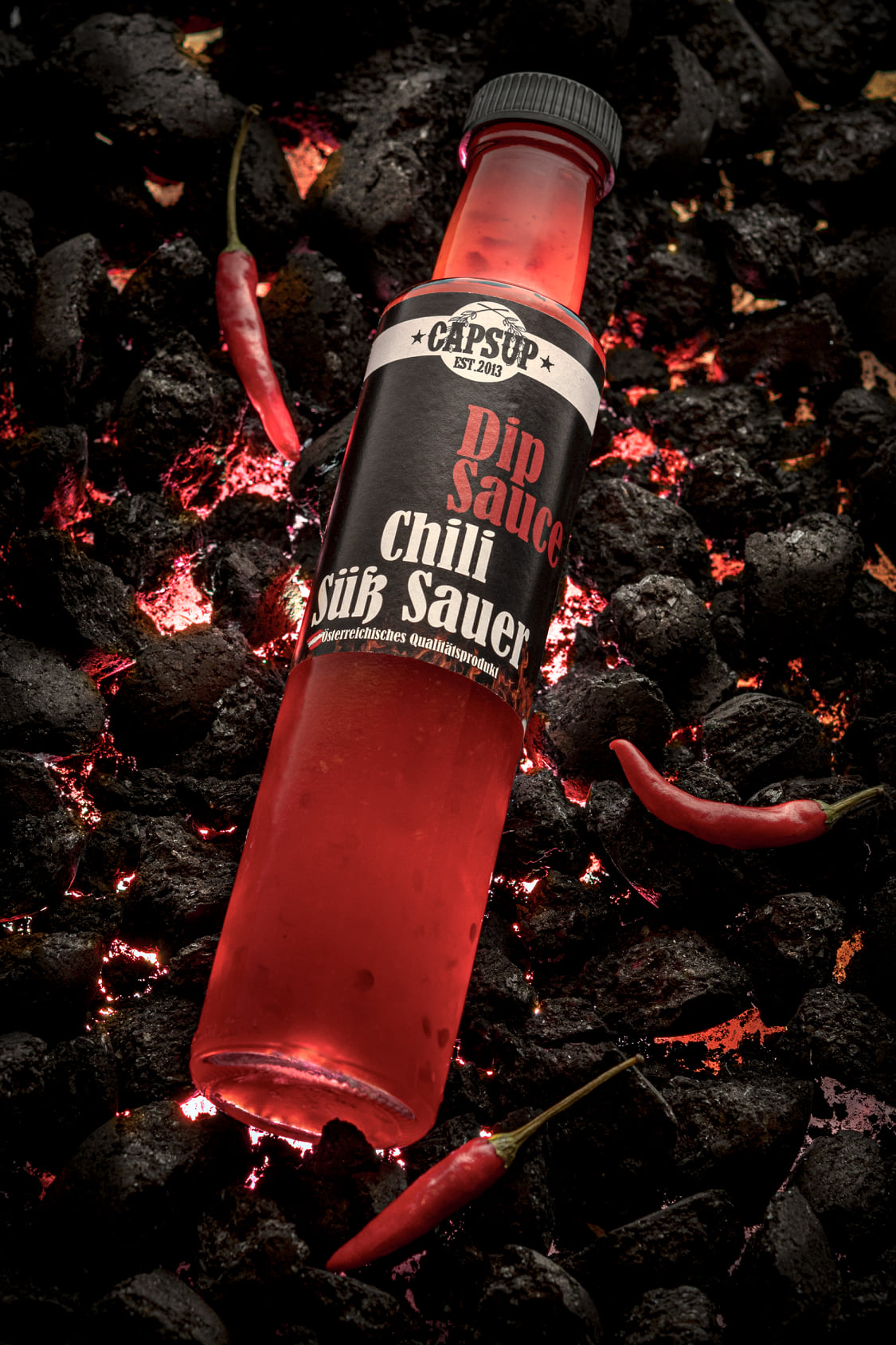
Or, for example, I use make-up sponges to prop up food. The embers in my chilli picture are not really embers, of course. I'm constantly educating myself and learning, being inspired, about trends and techniques.
Name a photographer whose work inspires you!
Francesco Tonelli and Black Antonio. They were all chefs and then became photographers, I love their work.
What is your goal with photography? Is there something you really want to achieve, a dream?
I just want to take as many photos as possible. To go to as many restaurants as possible, to meet as many colleagues as possible.
More photos of Ferenc Kiss can be seen here: