




No one needs to be introduced to the Vienna slice. It's such an original and universally eaten dish that our grandparents and parents used to put on the table regularly. It has always been a fixture on restaurant menus, and is still an indispensable item on menus today. We ate it in the canteen, mash it up at Grandma's, eat it with a side of courgette between two loaves of bread. We eat it on holidays and anniversaries, for breakfast, lunch and dinner. For some reason, the Wiener schnitzel has become the perfect meal that defines our lives.
Also discovered by contemporary gastronomy
Since a must-have for restaurants, everyone tries to make something different from the same thing. It is quite difficult to Wiener schnitzel because there's not really much you can do about it. Or is there? First of all, it's the meat used as a raw material that determines, therefore many pioneering ideas and solutions have already been developed. They have been panelled in countless variations, and have been punched to all existing sizes. They've used all kinds of oil to fry it, and they've tried flavoured in different ways. Yet, of the countless variations (variations on a theme), none stood out. Of course the restaurants, the chefs I always want to to outdo themselves, to outdo the trends, and that's fine, but somehow, when it comes to Wiener schnitzel, it always ends up that the best is the original Wiener schnitzel.
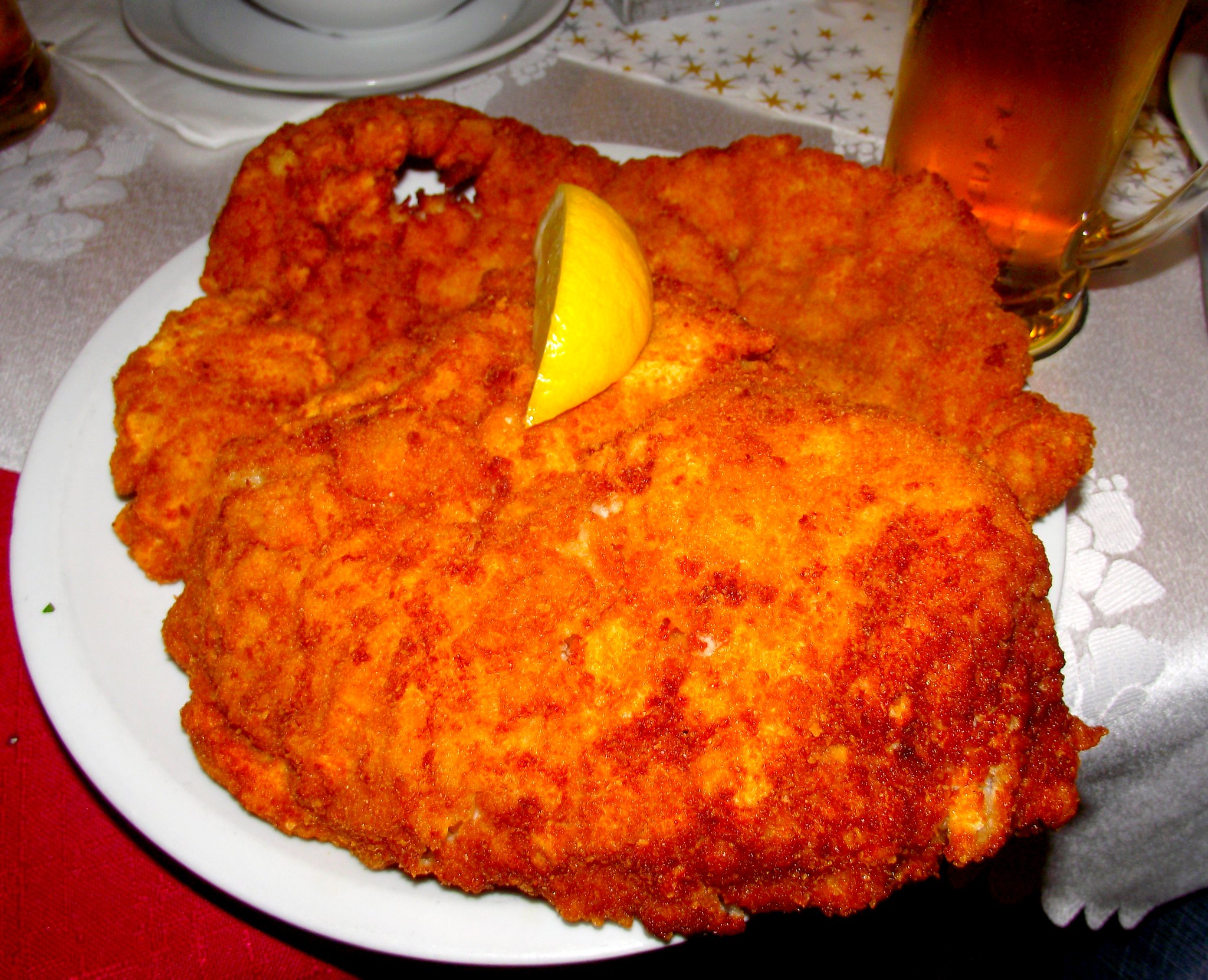
Photo by Flickr
So the Wiener schnitzel is good as it is
Primary and so the loin is inescapable. The traditional Wiener Schnitzel is a well-known dish of Viennese cuisine. It is made from veal minced to a thickness of about 3-4 millimetres. It is typically a veal nut, shoulder or shoulder blade, which is breaded and fried. There have, of course, been many variations over time. If the dish pork it's officially called Schnitzel nach Wiener Art, or Viennese-style schnitzel, and if it's from turkey breast fillets is made with Putenschnitzel, but in the end they are also called Wiener schnitzel.
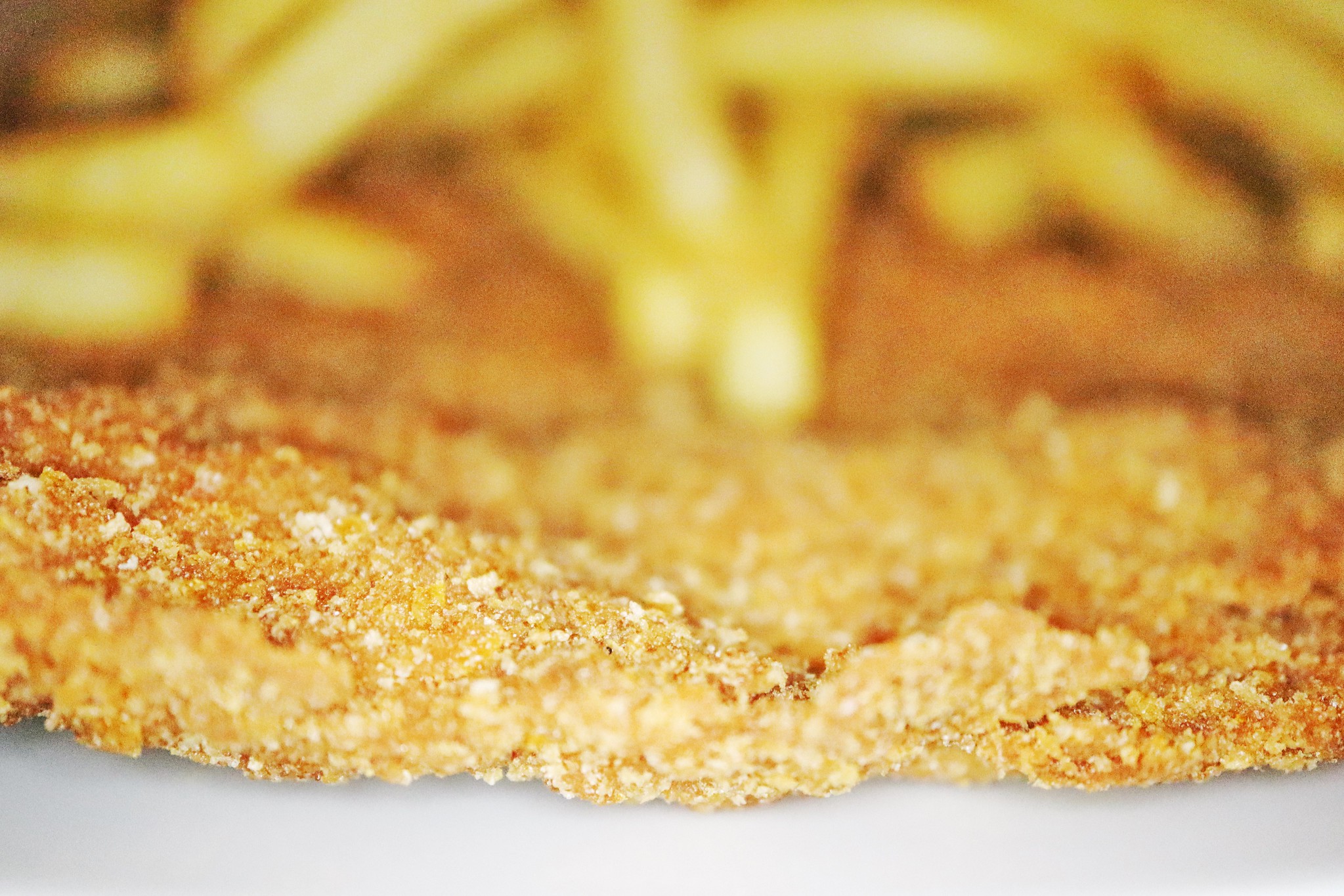
Photo by Flickr
The history of the Wiener schnitzel
Spanish origin
Of course, like everything, the Wiener schnitzel has a story. Which one is true, no one really knows. Research shows that the bundt pan-fried meat was already mentioned in medieval Spanish cookbooks. After the expulsion of the Moors in 1491, the local cuisine in Christianised Andalusia stuck to the traditional Arab way of preparing mutton, which was to fry the meat until golden brown, turning it in flour, beaten egg yolks and breadcrumbs. The „gilding” of meat was long in fashion at the Byzantine court. The mania for frying was also a well-known factor in the upper caste world at the time, which is how the custom of breading came to Milan. From there, it was an almost direct route to the Viennese court. The famous Southern German cookbook by Katharina Prato, published in 1907, already included a veal cutlet with breadcrumbs.
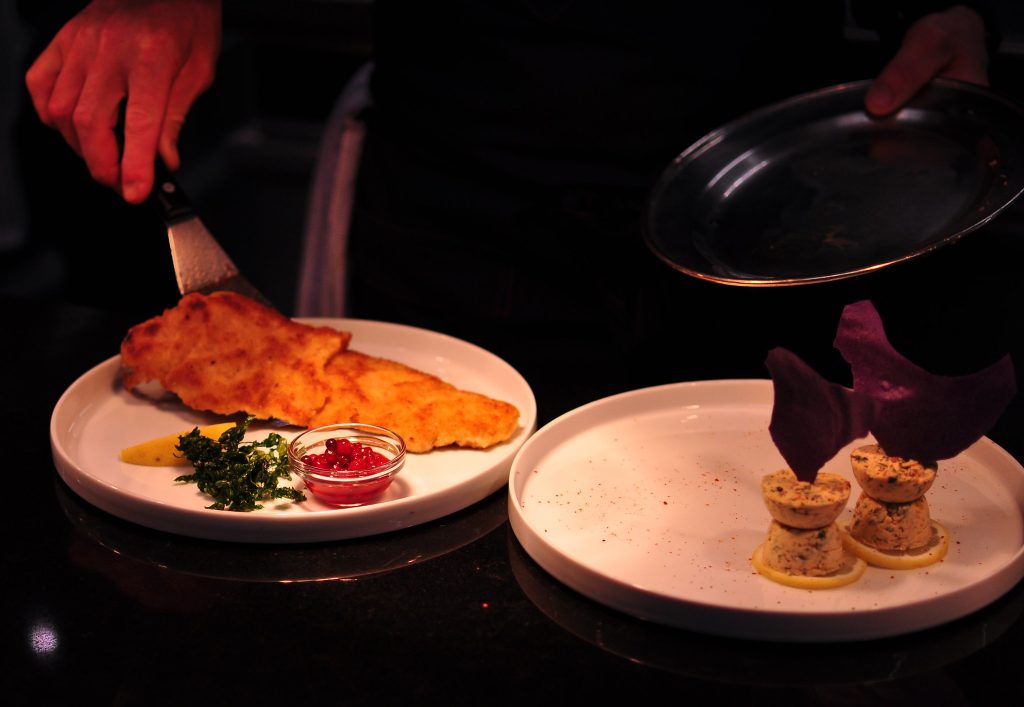
Photo by Flickr
Milan Theory
Another theory. It was brought from Lombardy to Vienna in 1857 by General Radetzky. In his report on the situation in Lombardy to Franz Joseph, he mentioned the delicious veal cutlet, costoletta. He said that Milanese cuisine had a real speciality: veal cutlets rolled in eggs, breaded and fried in butter. On Radetzky's return home, he personally gave the recipe to the Emperor.
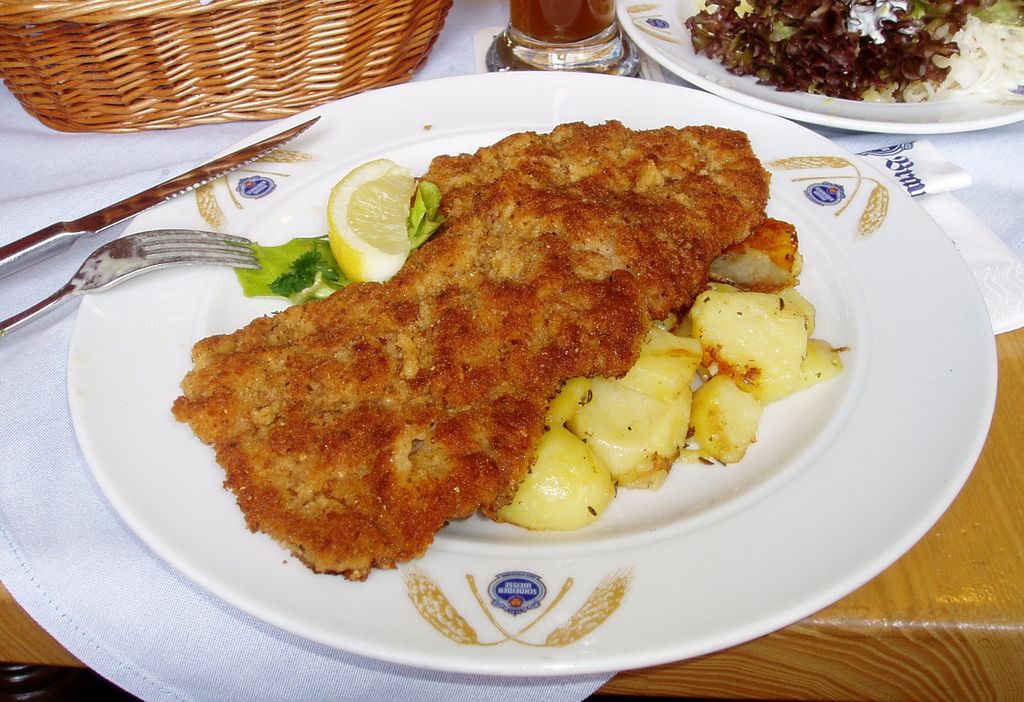
Photo by Flickr
Domestic version
The wandering Hungarians, who were constantly changing their homeland, always took their animals with them. Slaughtered meat was their daily food during their wanderings. When they settled in the Carpathian Basin, they fattened their herds and fattened their cattle in beautiful pastures. They no longer put the slaughtered meat under saddles or buried it in pits, but kept it next to their yurts. They no longer just hunted and kept livestock, but also began to farm the abundant fields. So it was that the meat they produced was rolled in „flour”, cornmeal, alfalfa (one of the oldest cereals, relatively close to wheat) and fried in fat. The prepared meat was much loved by all and was eaten especially at feasts. There is no significant explanation for the spread of the meat, but it certainly reached what is now Austria, inhabited by Germanic and Slavic peoples, quite quickly. From there it was relatively easy to spread, since the 10th century saw the creation of the Austrian Margraviate, where meat in breadcrumbs was an almost everyday dish.
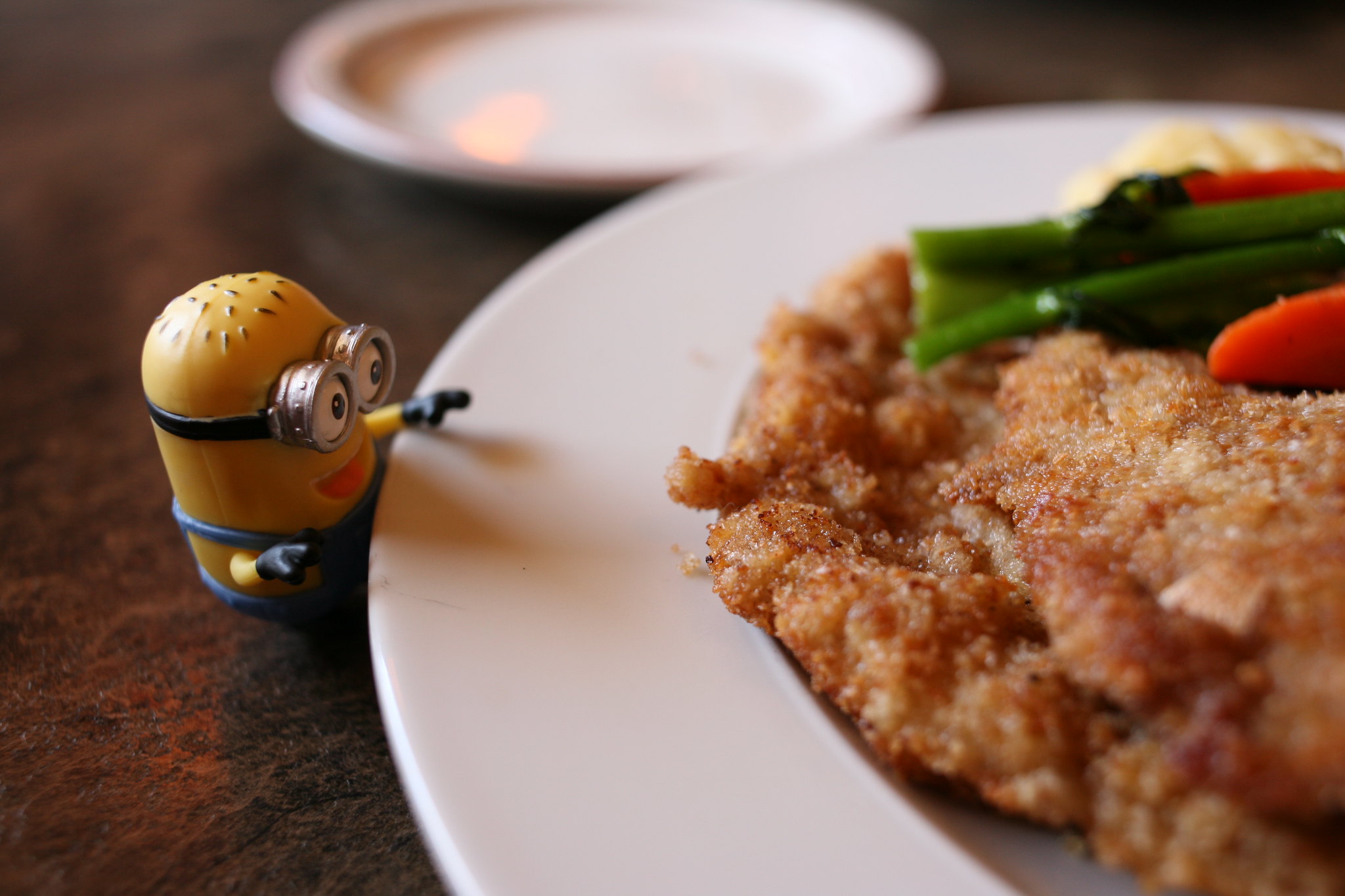
Photo by Flickr
We Hungarians are partial to the pork tenderloin version
Wiener schnitzel is made from the tender meat of veal. It is usually sliced to a thickness of 1 to 1,5 cm. The size is often obtained by a process known as butterfly cutting, where the meat is not cut all the way through, but is cut open and then pounded to the right thickness. Pounding is a lot of work, but as the cut of meat looks bigger, is quicker to prepare and has a much better texture, it is worth it. Season both sides with salt and pepper, then add the breadcrumbs. There are several ways to do this, but the main thing is that once it's done, you have to pat off the excess, pat the meat a little. It can be fried in oil, fat or even butter! Of course, the cooking time depends on the thickness of the cutlet, the size, but a proper Vienna cutlet should be good for 2-3 minutes of cooking. Once done, drain off the fat and you're ready to serve. Again, the garnishes that can be used are as varied as the roots of an oak tree.