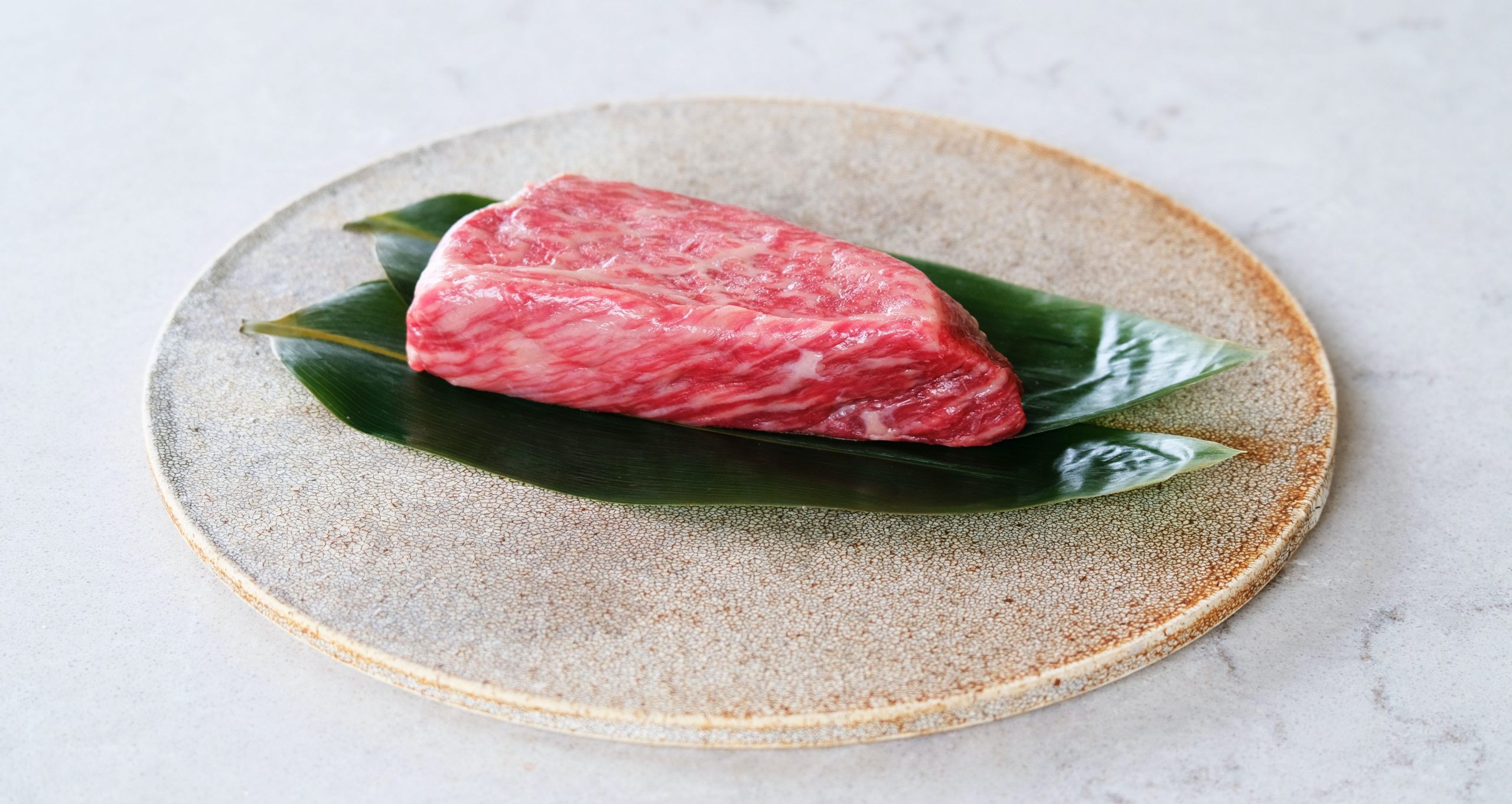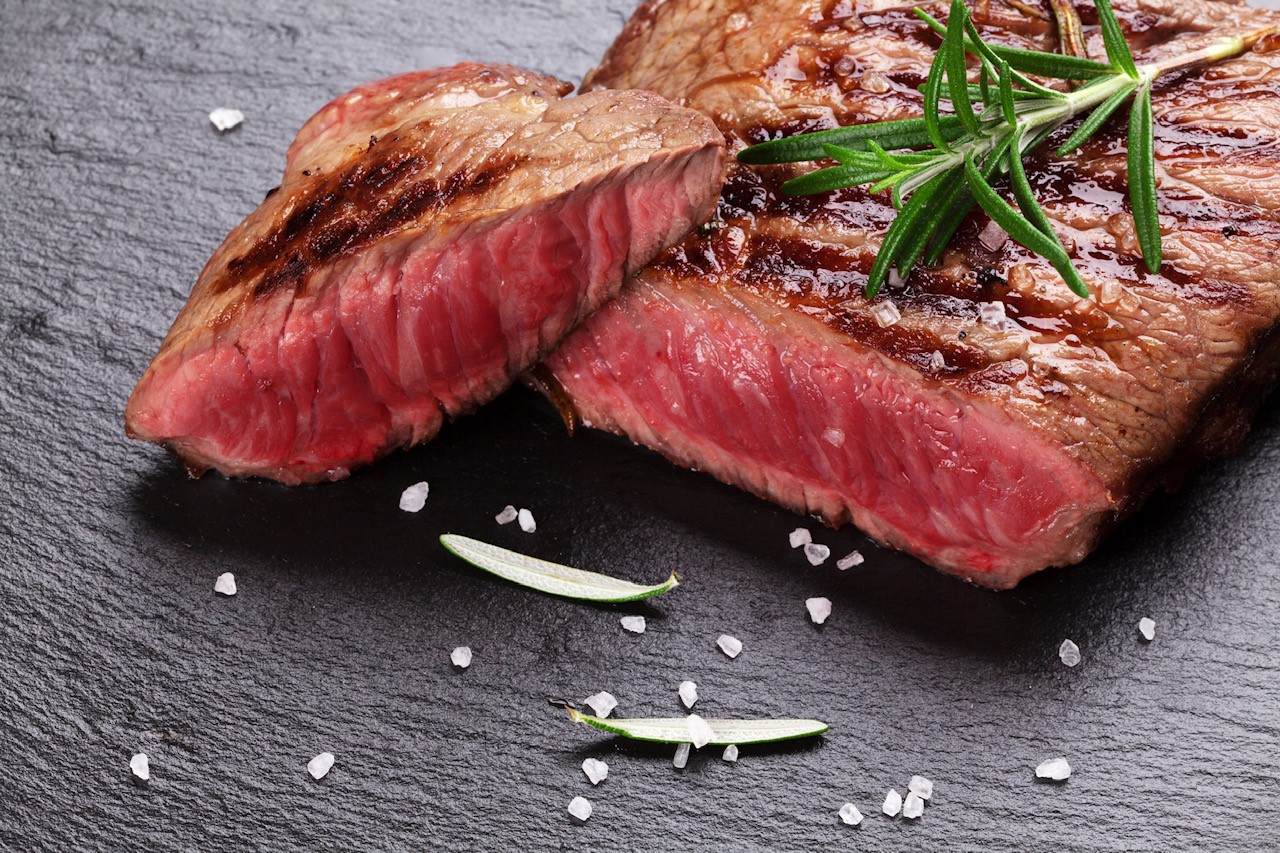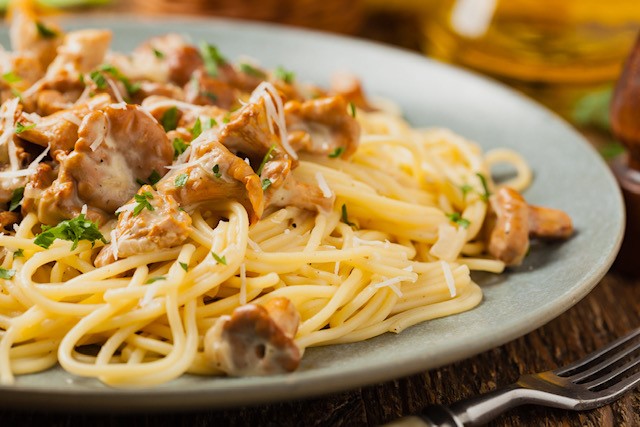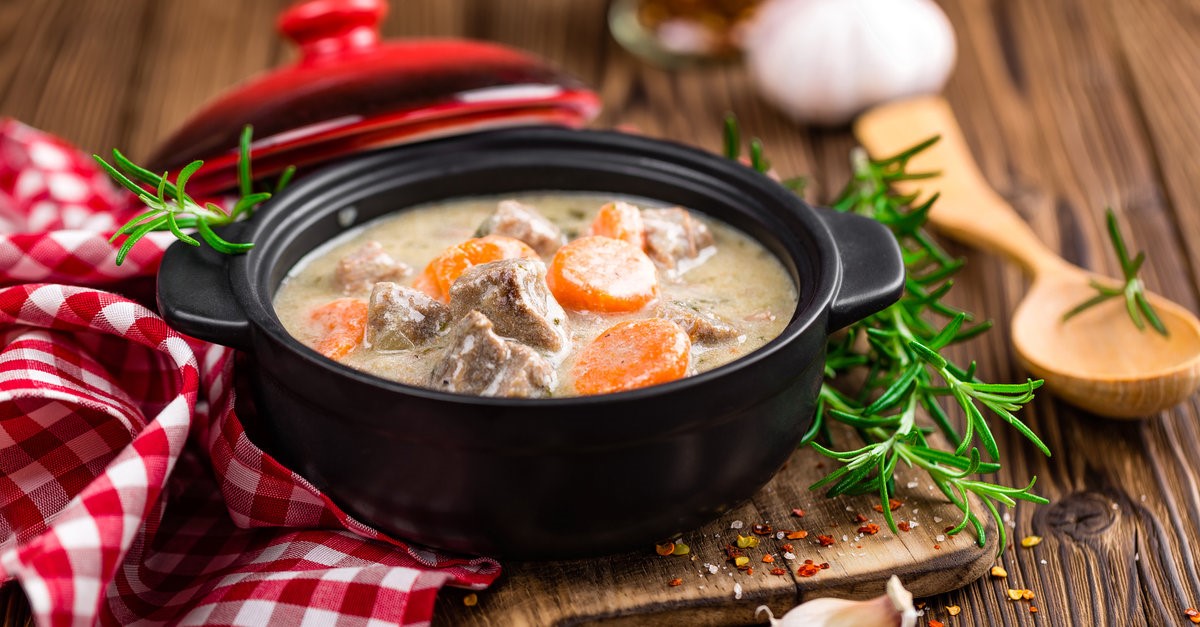







Mangalitza is native to Europe, a typical fatty pig, but has nevertheless gained world fame. Find out its brief history and why it is considered a healthier option than traditional Pork.
The origin of Mangalitza
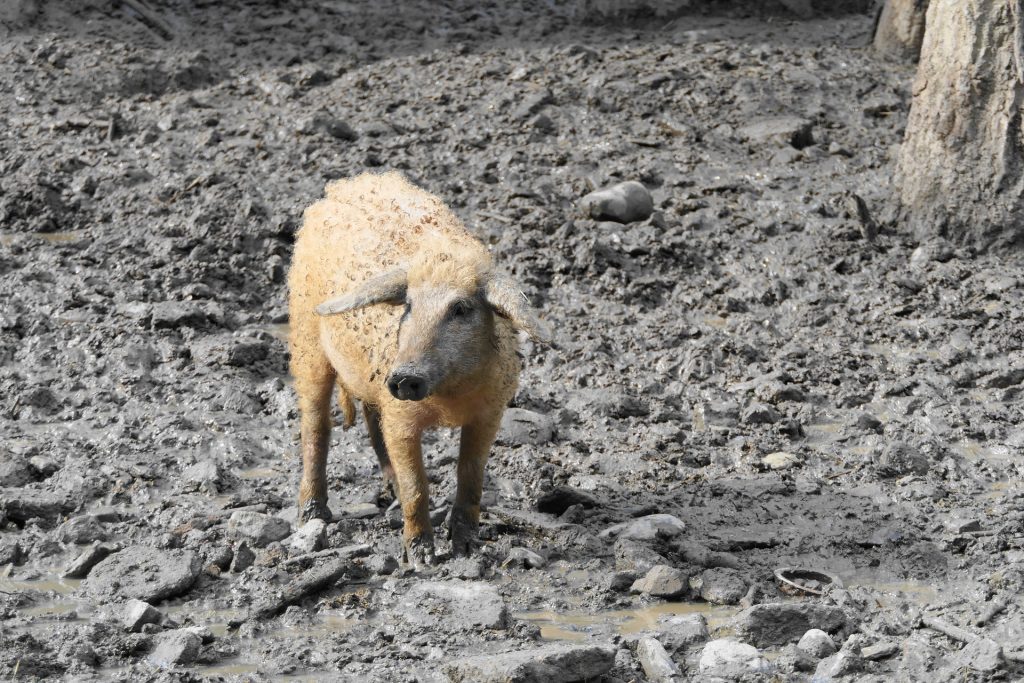
The Mangalitza pig is one of the oldest pig breeds in Europe, born in the 1830s by crossing the Sumadija pig and the Bakonyi and Salonta pigs.
The „Curly Pig“ thus created was initially reserved exclusively for the Habsburg imperial family. Thanks to its taste, however, it quickly outgrew this framework and by the end of the 19th century had become the most important variety in Europe.
Most of the specimens lived between 1850 and 1950, at which time the fat of Mangalitza pigs proved to be more valuable than their meat, and was used for cooking, for making candles and soaps as well as cosmetics, and was even used in the manufacture of lubricants and explosives.
Since 1950, the scientific facts about the unhealthy effects of saturated fats have been spreading, so the breeding of Mangalitza, as well as the breeding of typical fattening pigs, has declined. At that time, it was not yet known that Mangalitza meat is healthier, more digestible and lower in cholesterol than the meat of other fattening pigs. Moreover, Mangalitza fat contains less saturated and more unsaturated fatty acids than relatively the same amount of butter.
Challenges of Mangalitza breeding
The above statements, namely that the fat of Mangalitza more unsaturated fatty acids and its meat is healthier than that of an average pig are only valid if the animal is kept under certain conditions.
The most important thing is to allow the animals to grow up in their original, harsh acorn-fed environment and to grow at their own pace. In properly bred animals, the fat melts at a much lower temperature compared to other breeds.
However, not all breeders meet these criteria. The new farming techniques require an intensive pace and the correct husbandry of Mangalitza can therefore not be respected. Finally, they are characterised by slow growth and require a lot of space. Thus, the Mangalitza pig has been characterised by fast growing and thinner Pigs out of agriculture.
Use of Mangalitza
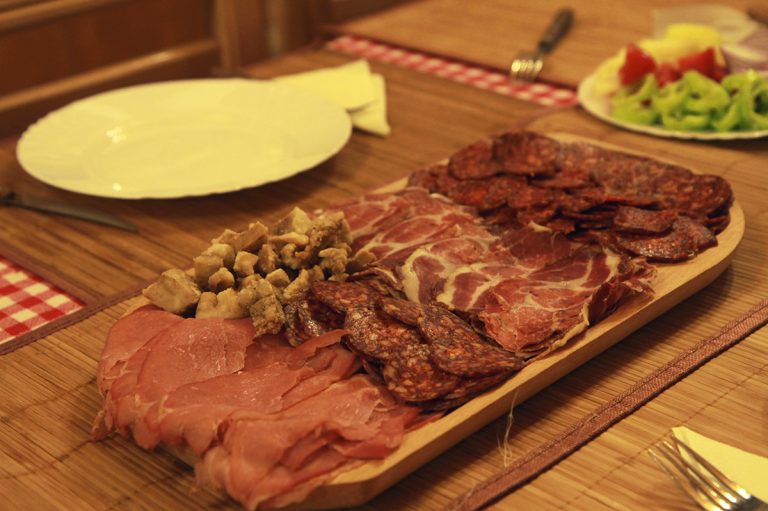
High quality meat always gets in the way, especially when it is as tasty as that from the Mangalitza pig. Spanish ham producers also struck a blow, as alongside Ibérico- and Serrano ham the Mangalitza pig is just as much an internationally popular variety that many are looking for on the market.
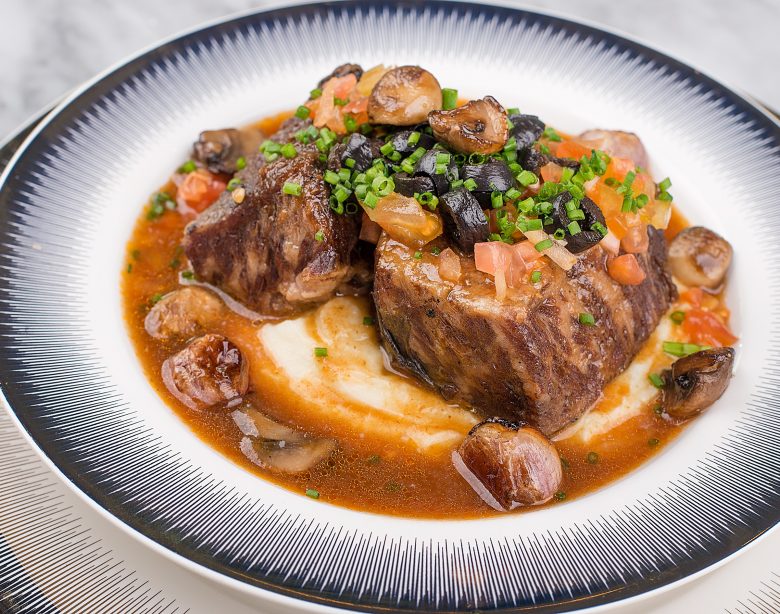
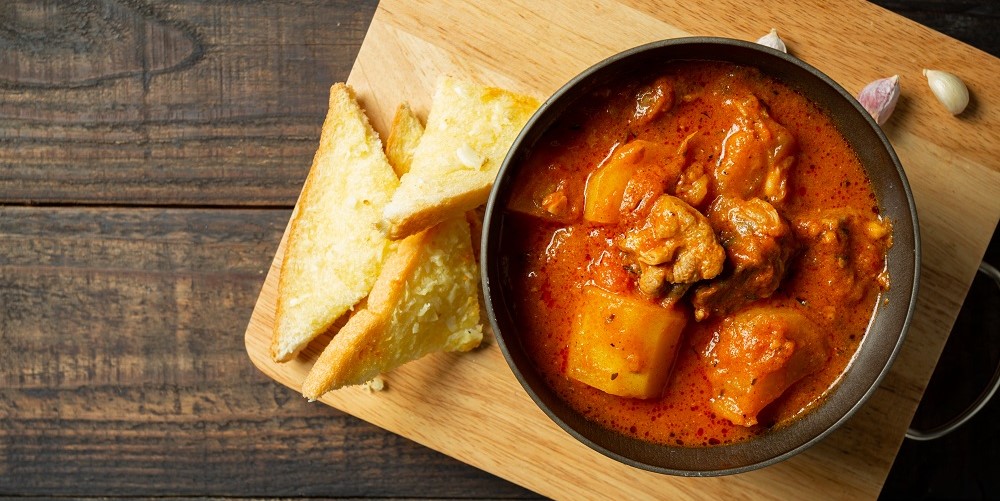
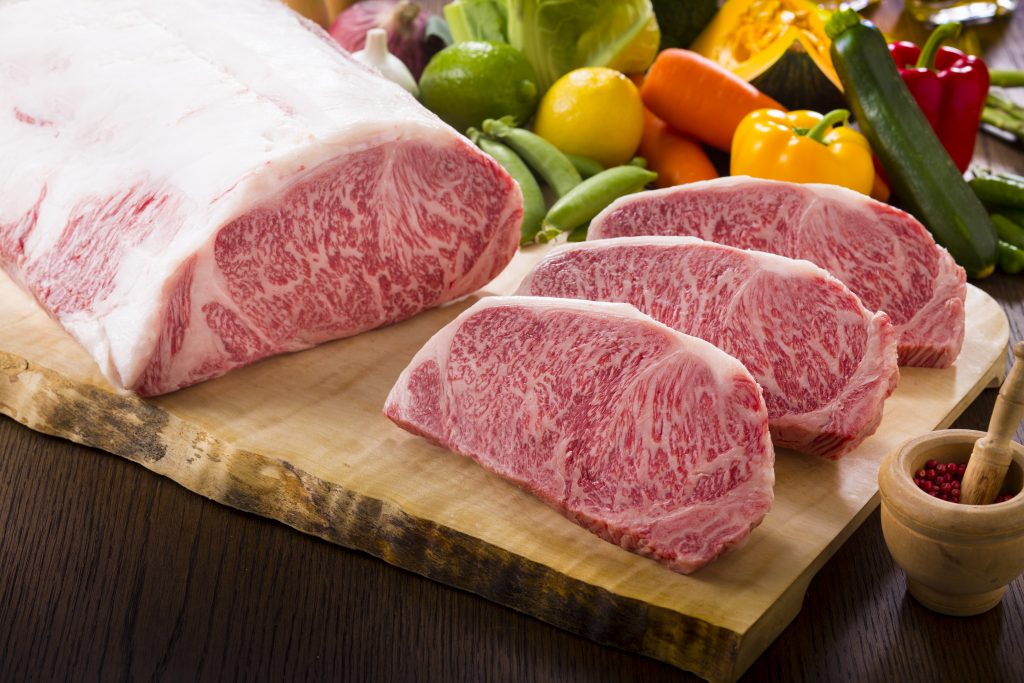
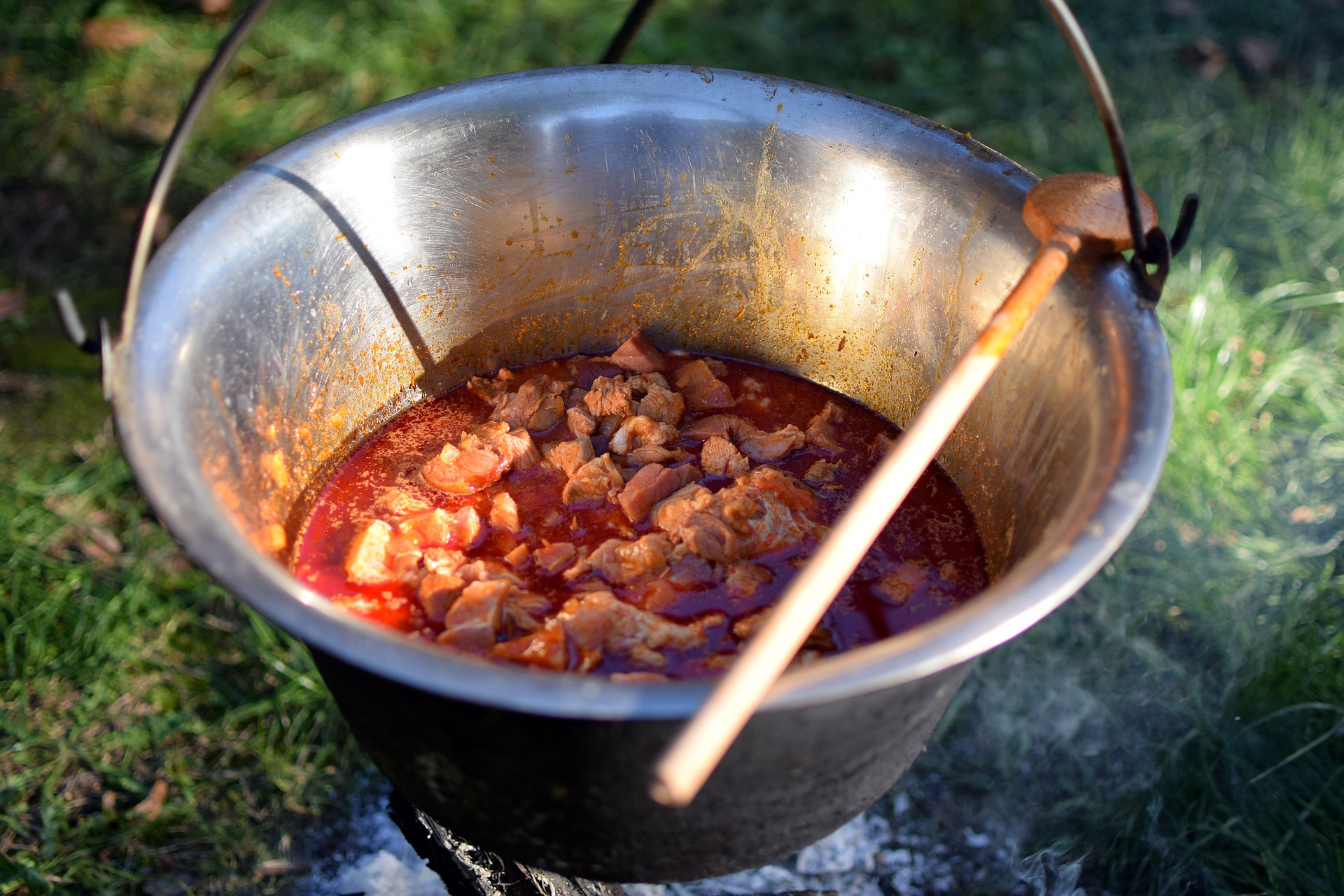
It can be used in many ways, tastes delicious roasted and is also very tasty as a stew. It is a fact that the meat is much juicier and tastier than that of traditional pork. It is rich in fat in various varieties of bacon, but is also excellent for making high-quality salami and sausage.
The recipe for a perfect mangalitza curry
Ingredients for 4 people:
- 1 kg Mangalitza cart
- Salt
- Ground black pepper
- 10 dkg 82 % Belgian butter
- 1 dl oil
Preparation:
The recipe is made using the sous-vide method, for which we need a vacuum processor and a sous-vide stick.
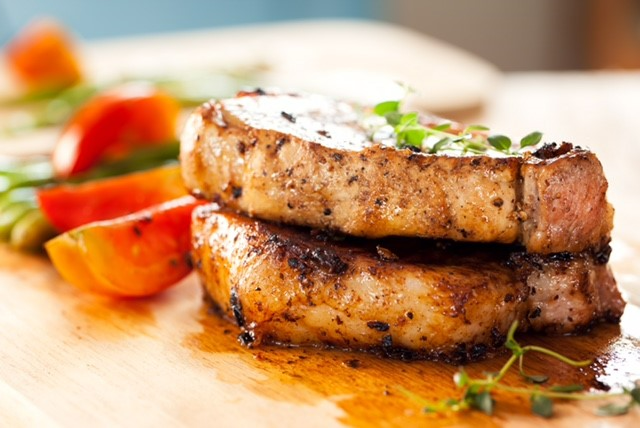
Cut the mangalitza steak into slices at least finger-thick. Season with salt and black pepper, then place in a bag with a small knob of butter and vacuum pack.
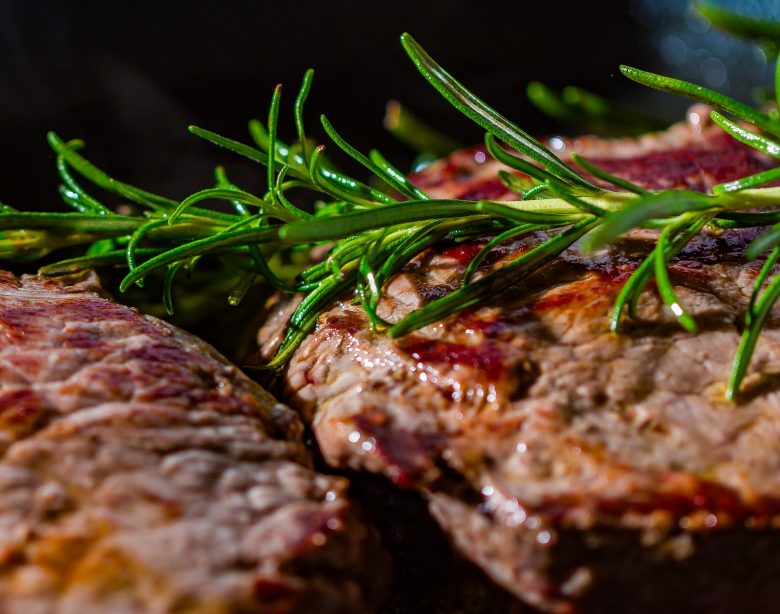
First we put it in a 65 °C water bath for 35 minutes, after the cooking time we rinse it in cold water. Heat the oil in a pan and take the meat out of the bag. In the pan we fry the mangalitza slices to a crust, after a few minutes resting the meat is ready to serve.
Want to read more about other topics? Click here simply click here and you will know more about the perfect kettle meal.