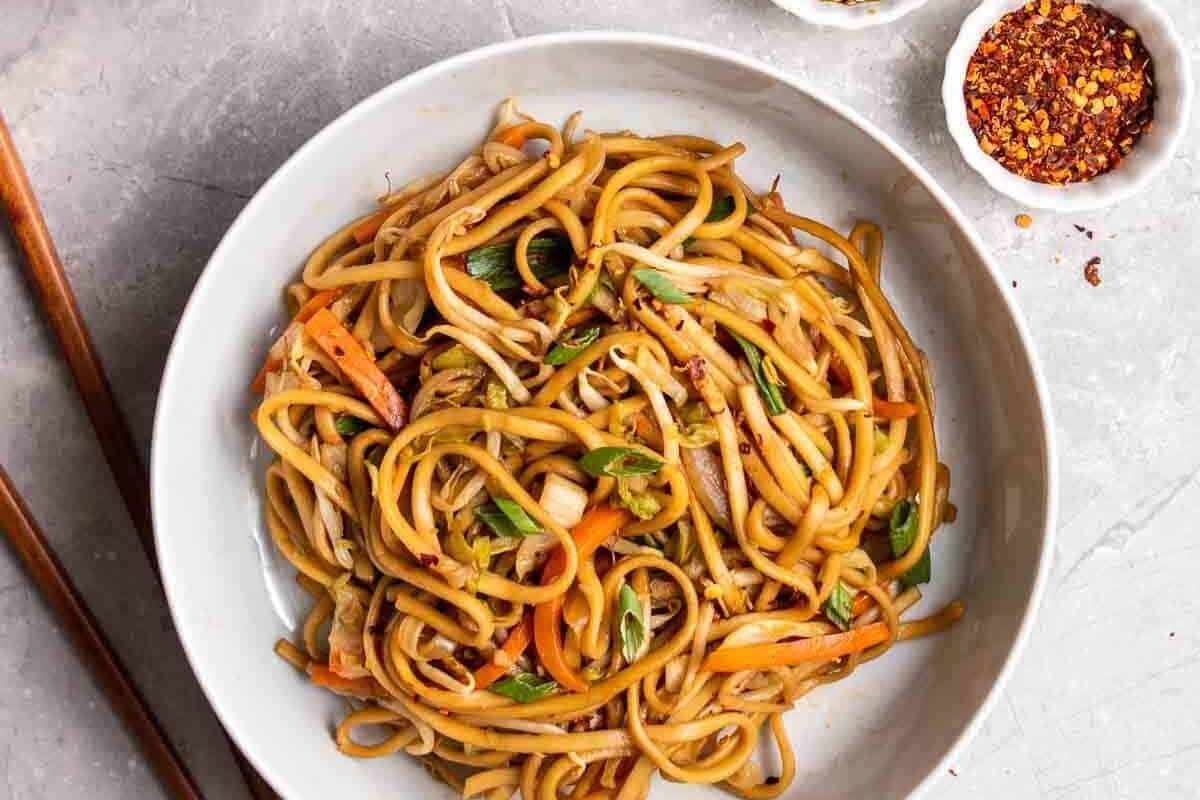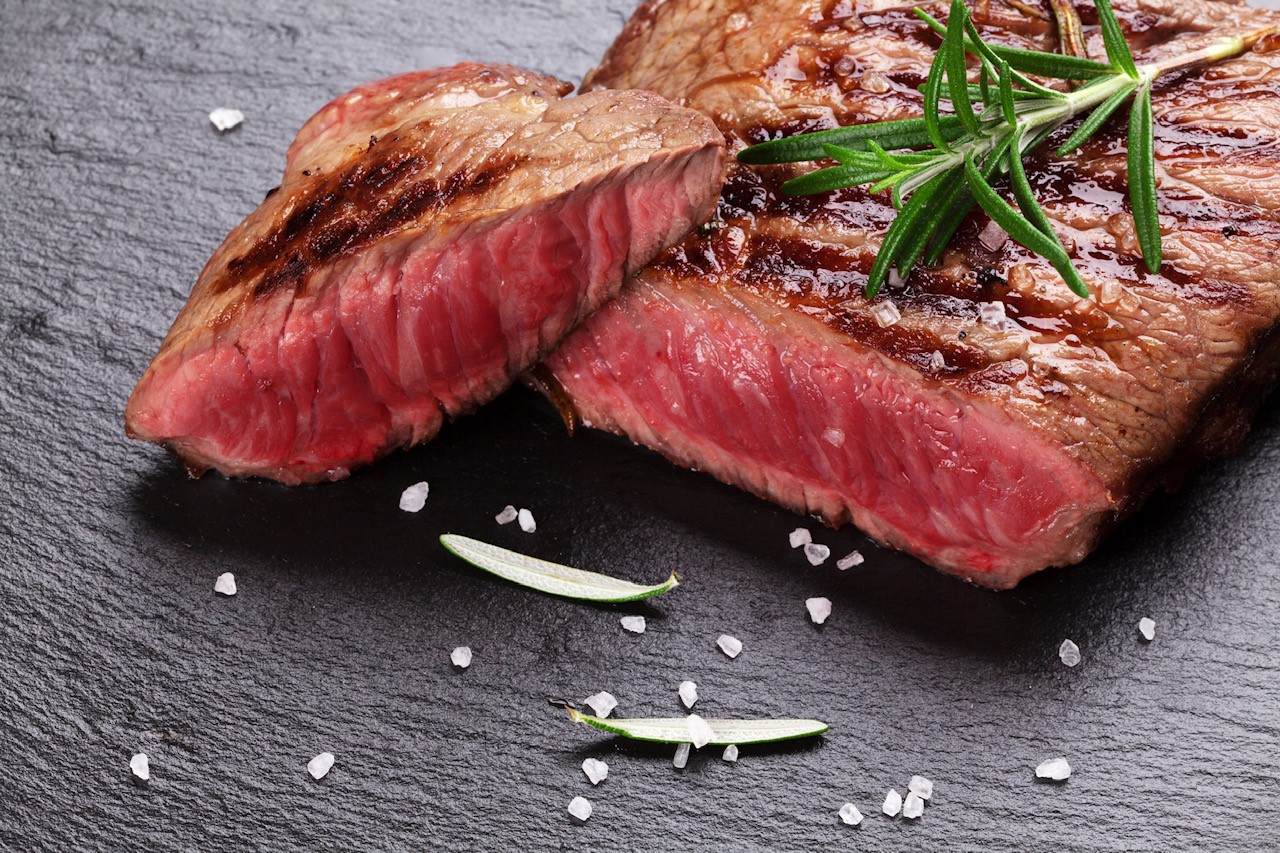







A few decades ago, it was a special treat to taste seafood. Most of the time we could only get it when we travelled abroad, but nowadays it has become second nature to us and even fashionable.
Our eating habits have changed
Domestic eating habits have adapted to local ingredients and easily available food. For this reason, we Hungarians, as a specifically carnivorous nation, have long been a nation of pork and beef. Since then, however, borders have opened up, trade has boomed, and we now have special raw materials from all over the world. And our habits have changed accordingly, and we now know and love seafood.

Photo by Pixabay
Cancer consumption is intergenerational
The consumption of seafood typically depends on age and generations. Older people still shy away from it, preferring the familiar Hungarian cuisine. They seldom think of eating such things, as the familiar flavours are the pleasure of eating for them. The situation is completely different for younger generations who are used to seafood. Seafood is a collective name for a wide variety of creatures. Various types of shellfish, crustaceans, octopus and squid, and even a mixture of these, are now available under the cover name „seafood”. They are real delicacies, which are also incredibly healthy.
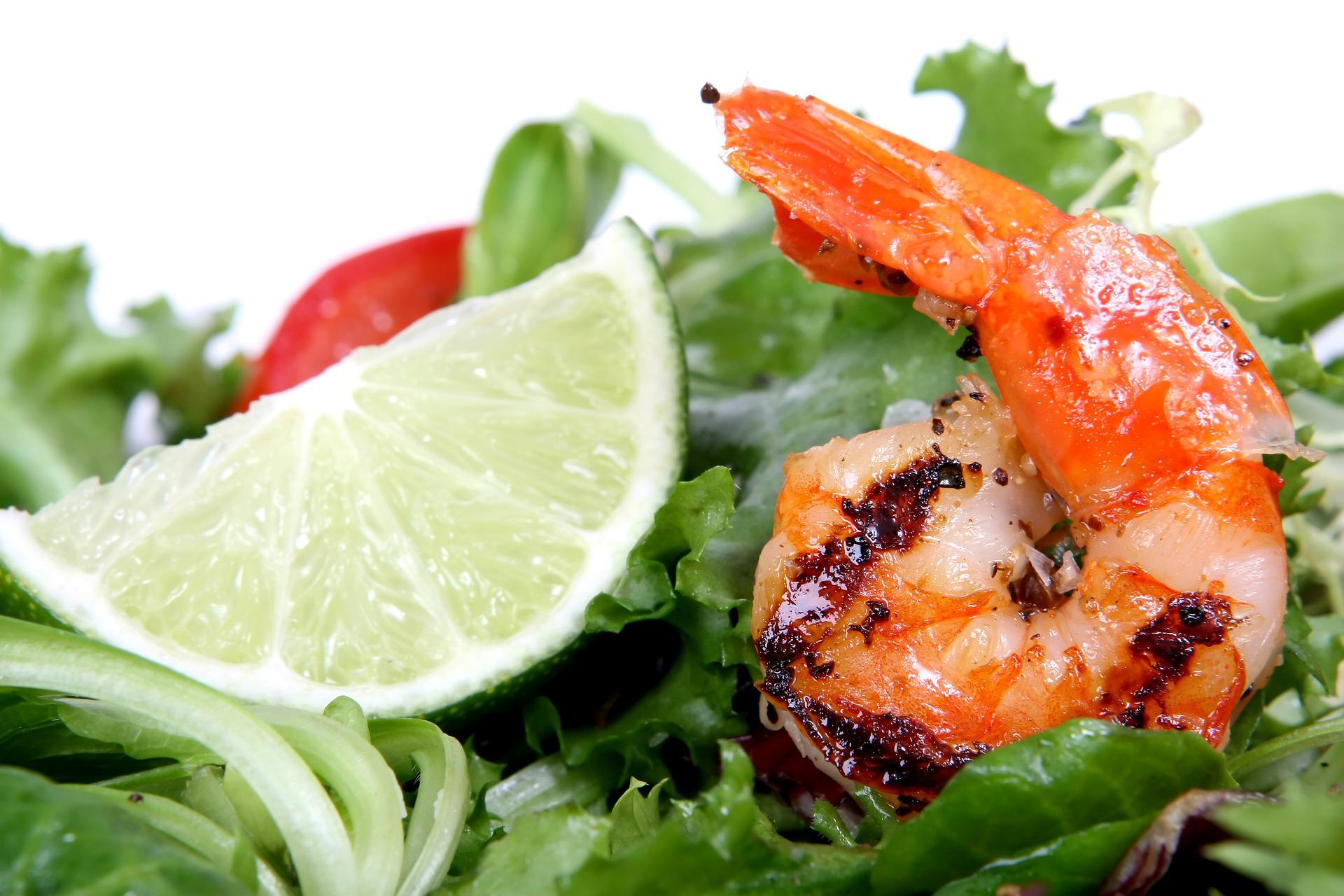
Photo by Pixabay
Crispy crab on the plate in moments
The needs of guests and catering establishments have changed dramatically. The changing economic environment has necessitated the presence of semi-prepared and prepared products. They are more economical because they require fewer human resources to prepare, they are reliable and of consistent quality. These include furred crabs, which have only advantages. They are simple and quick to prepare, easy to handle and can be presented to guests at any time. Not only is it a seasonal dish, but it can definitely serve you well in season.

Photo by Pixabay
Why is it important to eat seafood?
Seafood - as a primary source of nutrients - provides food for millions of people around the world. It has the advantage of containing far less fat than other protein sources. Another benefit is clearly linked to sustainability, so it is worth considering regular consumption in this sense.
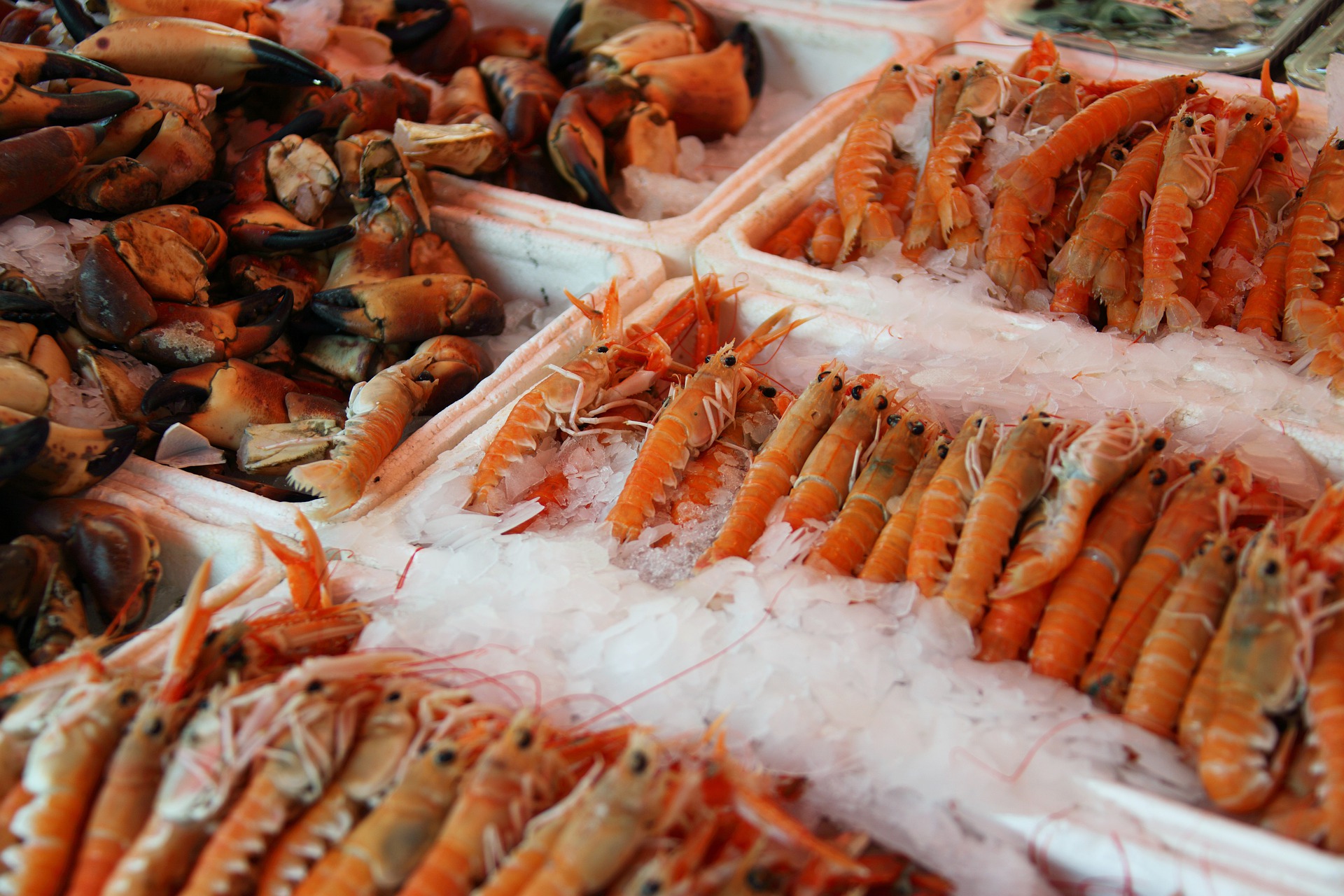
Photo by Pixabay
Various shellfish, crabs, octopus and squid are very healthy, and one of their most important health benefits is that they contain a lot of omega-3 fatty acids. In terms of minerals, sea creatures offer us plenty of calcium, magnesium, iron, copper, selenium, zinc and iodine. But they also contain a variety of vitamins, including vitamins D and E, as well as B6, B12 and niacin.#