





If summer, then Lake Balaton. And if it's Balaton, it's lángos! And since the classic cheese and sour cream, it has been expanded with sophisticated versions and toppings that fit into the repertoire of a bistro kitchen.
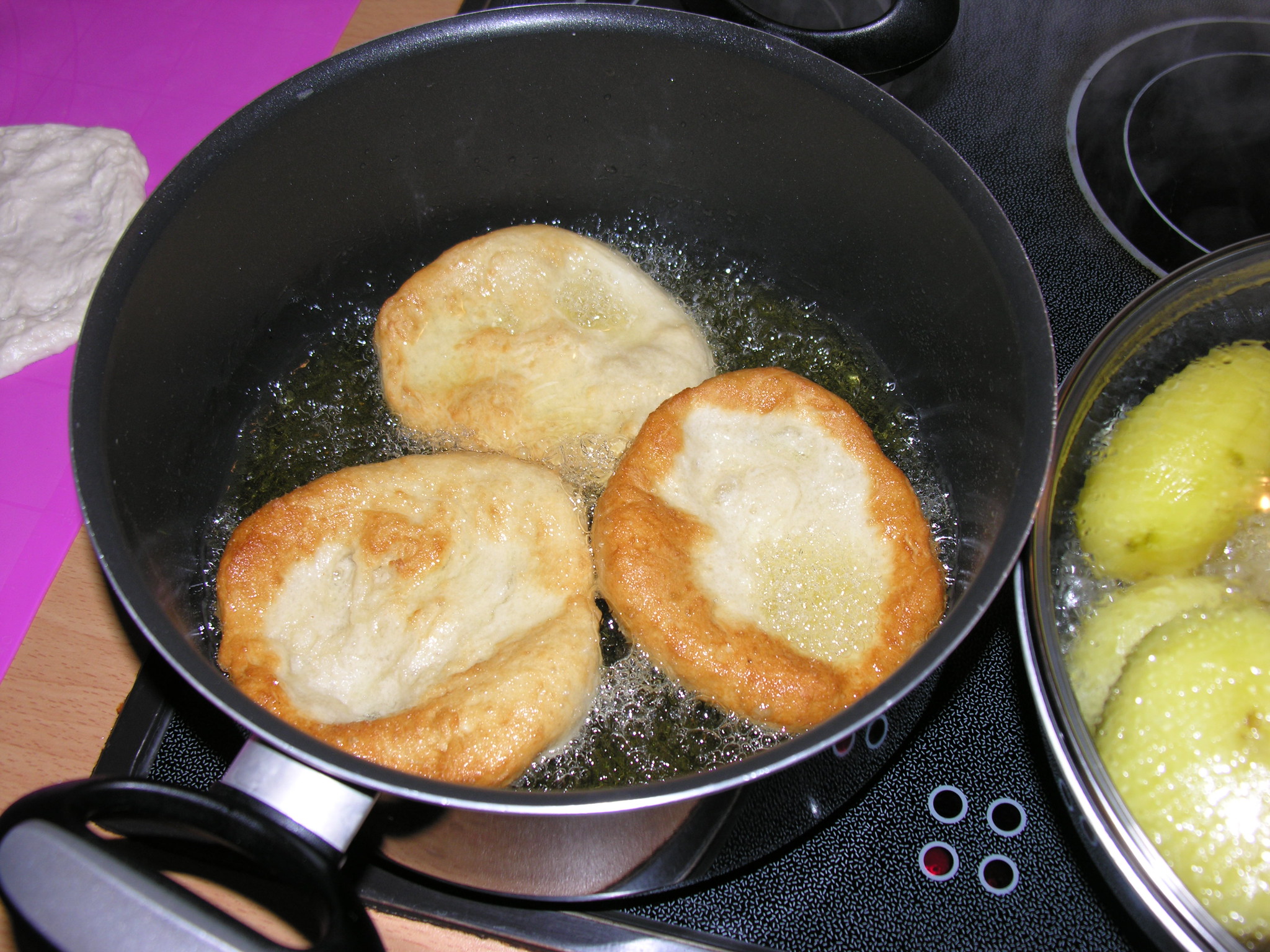
Photo by Flickr
What is a scones?
A flame the Hungarian cuisine traditional, a fried flatbread made from soft dough. You don't need much, but it's good if it's made with quality ingredients. Flour, salt, yeast, a little sugar, some water and oil. Who doesn't remember the summers when we used to run around in the garden at our grandparents' house in blissful happiness. We would chase the ball and climb into the canopy of the trees. To the splashes of the inflatable pool, the bicycle, the garden tap. In the smell of oil wafting from the kitchen, Grandma was busy cooking golden brown casseroles, which we happily munched on the next day. This is the the food, which left a mark on everyone, as it reminds us of the for carefree holidays, the queues outside beach bars, the smell of summer. Scones are the food that everyone loves, one way or another, but they have become a necessity in our lives.
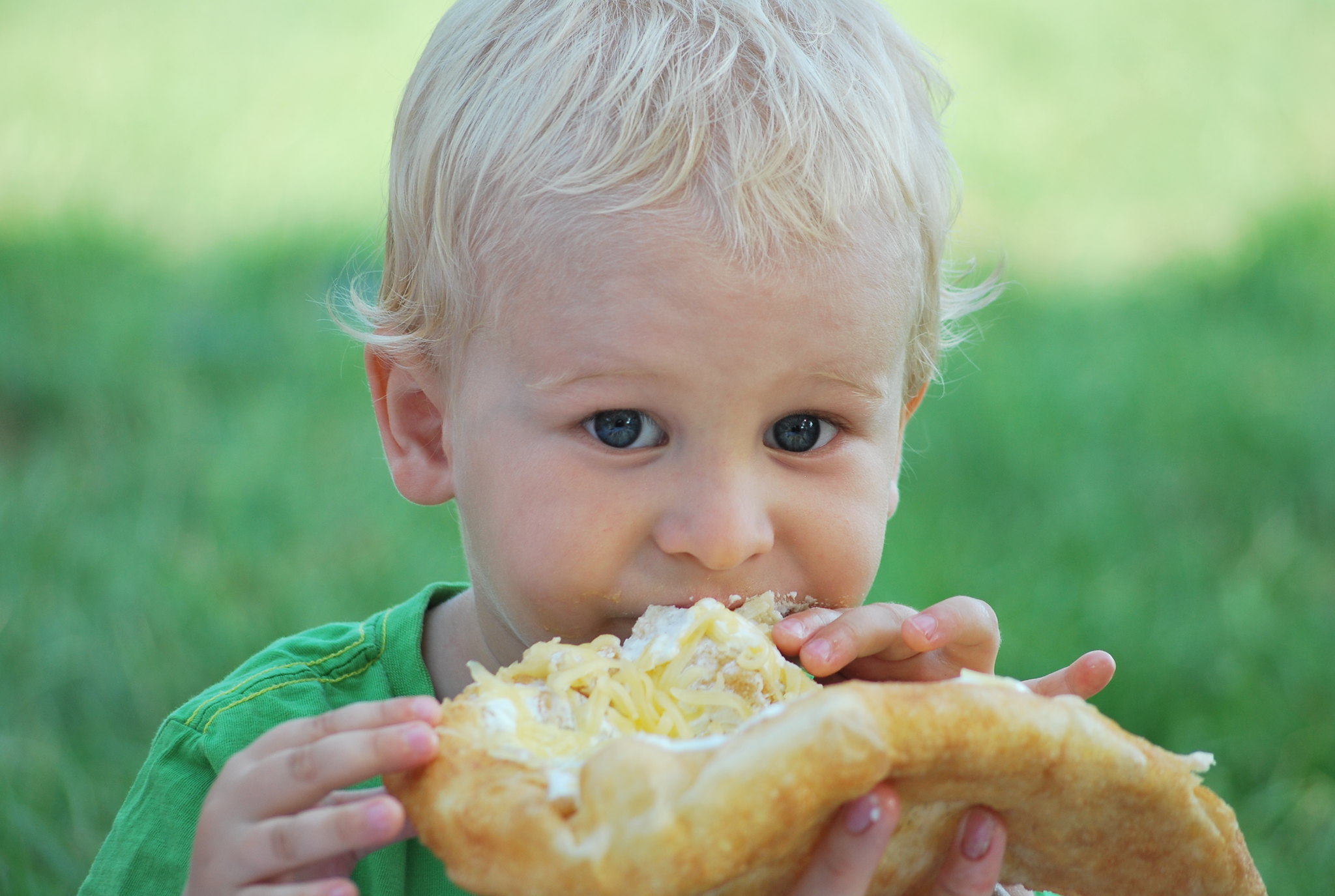
Photo by Flickr
Anytime, anywhere
The secret to the success of the scones is simplicity. In fact, it appeared with the bread, sometimes just baked without rising. Suitable for satisfying the hunger of many people, it was a staple of the Roman legions. It was baked sparingly, since the leftover dough was not thrown away and the excess, or scrap, accumulated during kneading was also baked. The leftover dough was flavoured with spices, meatballs, onions and almost anything else that was left over. It was breakfast, lunch and dinner all at once, and evolved over time.
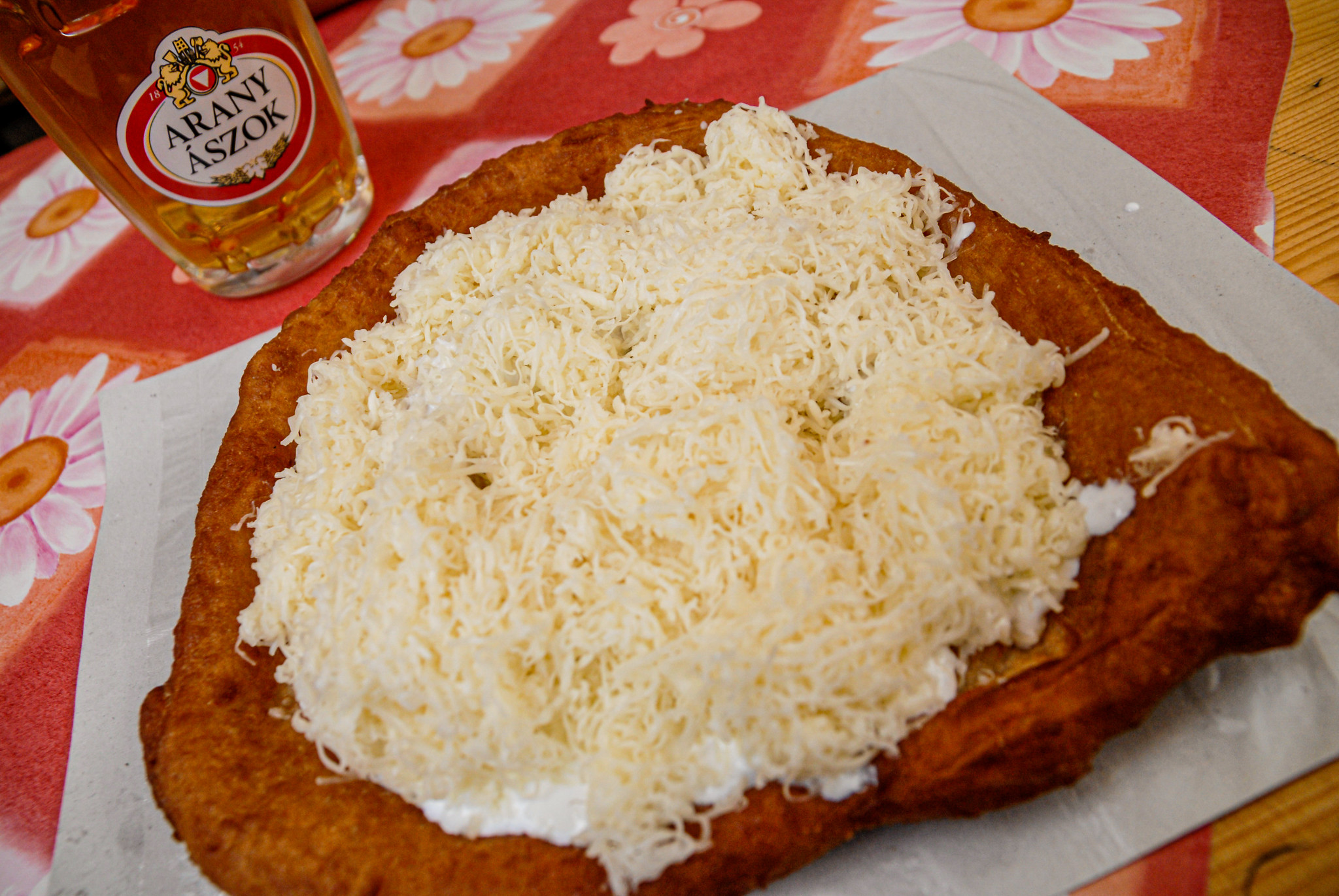
Photo by Flickr
The „bread of the Carpathian Basin”
In the Carpathian Basin and in the Hungarian regions, lángos was already made in the Middle Ages. Then, of course, they gave it the nickname "lepénykenyér". It was a typical product of both popular households and street vendors. Fairs, events indispensable and has retained its street character to this day. Nevertheless, it was also present in the offerings of the courts of the nobility and on festive occasions. The only differences were in the flavouring and toppings, as they still are today. Especially in the south-west of the country, it was also baked with onions and bacon, the inspiration for today's breadsticks. In the east, it was eaten on its own with sour cream or jam, and later, after the advent of industrial sugar, it was also eaten sweet. After a while, the tradition of baking bread at home disappeared, replaced by the baking industry and industrial bread, which is slowly making a comeback in today's world.
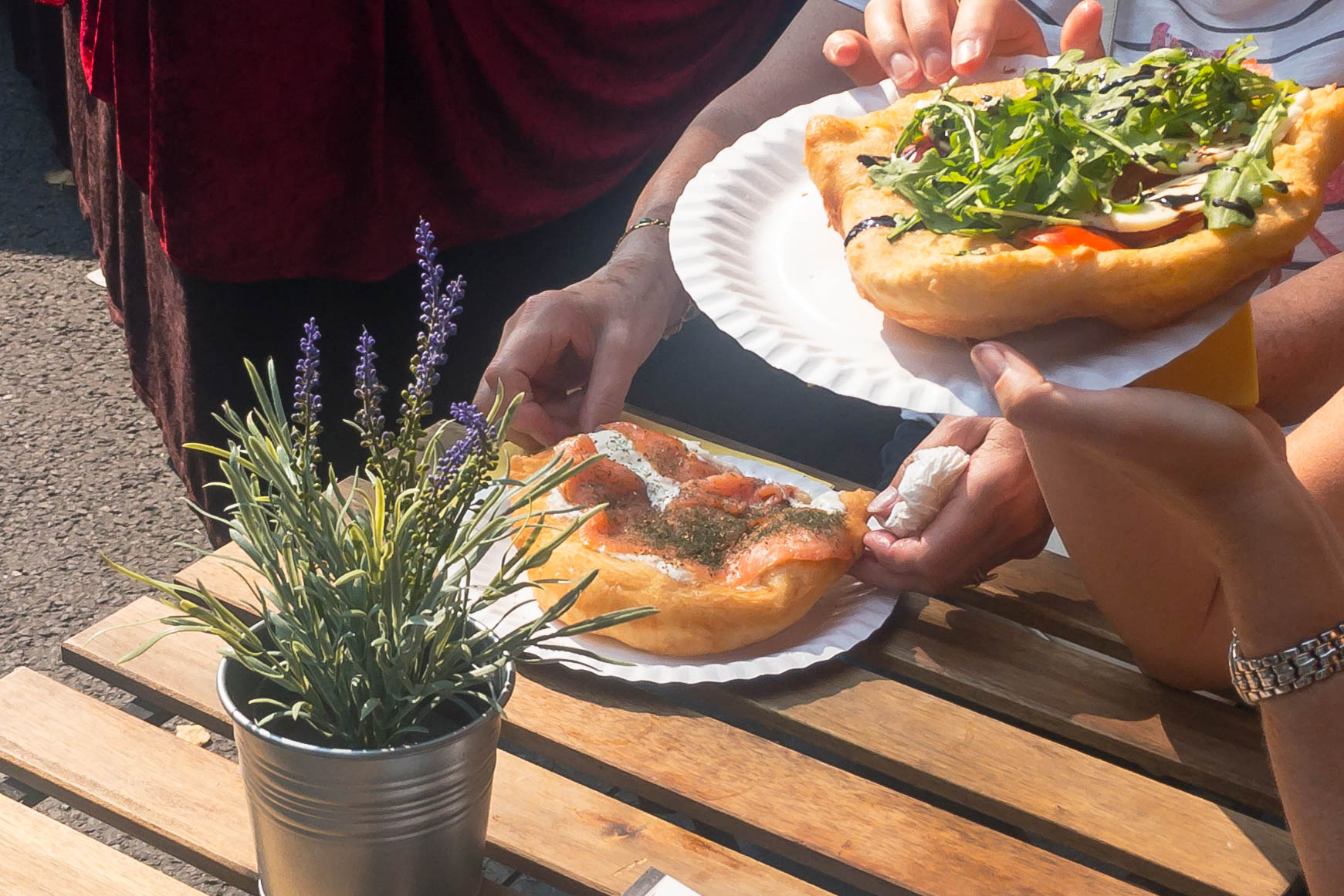
Photo by Flickr
Flame era, and more
Deep-fried pancakes appeared at the end of the 1950s and continued to be a big hit until the 1980s. It was mainly served by artisans and masques as a typical beach dish. The development of gastronomy has of course had an impact on lángos, which is now also known as a rather subtle hungarian dish, but it has nothing to do with it, as it can be found in some form all over the world. This is due to the development of cooking technologies and the expansion of raw materials. It is no longer just the basic version with garlic and sour cream, but also the sophisticated specialities of bistro kitchens. There are as many toppings and solutions as there are chefs, the imagination of professionals.
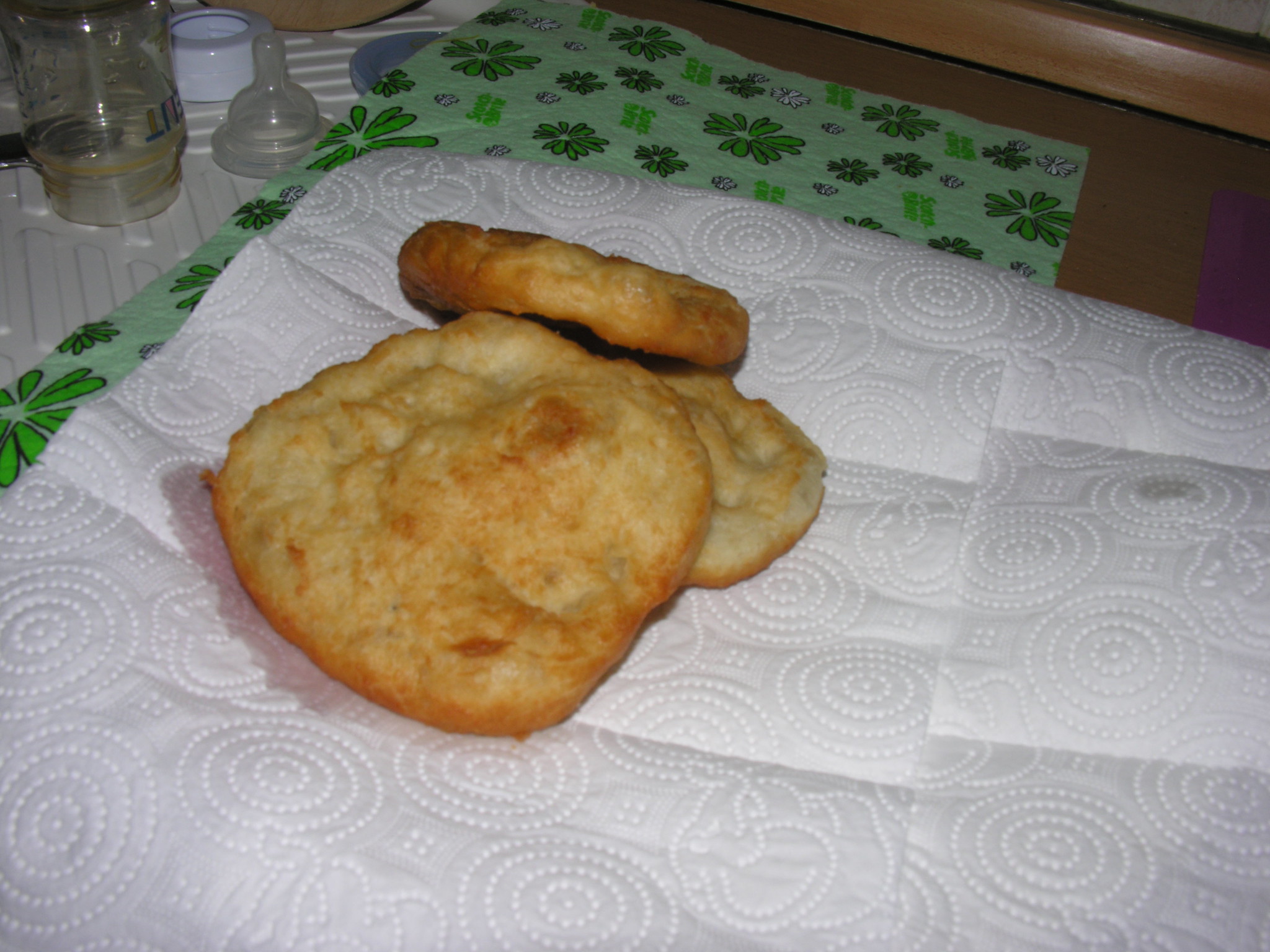
Photo by Flickre
All the variations - also - can be found
In addition to the traditional bread pancakes, potato pancakes can also be made with raw, grated potatoes or boiled potatoes mashed in a potato masher. More recently, it has spread worldwide and is now known and sold in Australia and New Zealand. It is made sweet, savoury, with meat and vegetables, with fish and on its own. It can be served rolled, casseroled, sandwiched, served as a main course with seafood, or even with cottage cheese or maple syrup. The variations are almost endless. It can be considered as one of the basics of catering.#