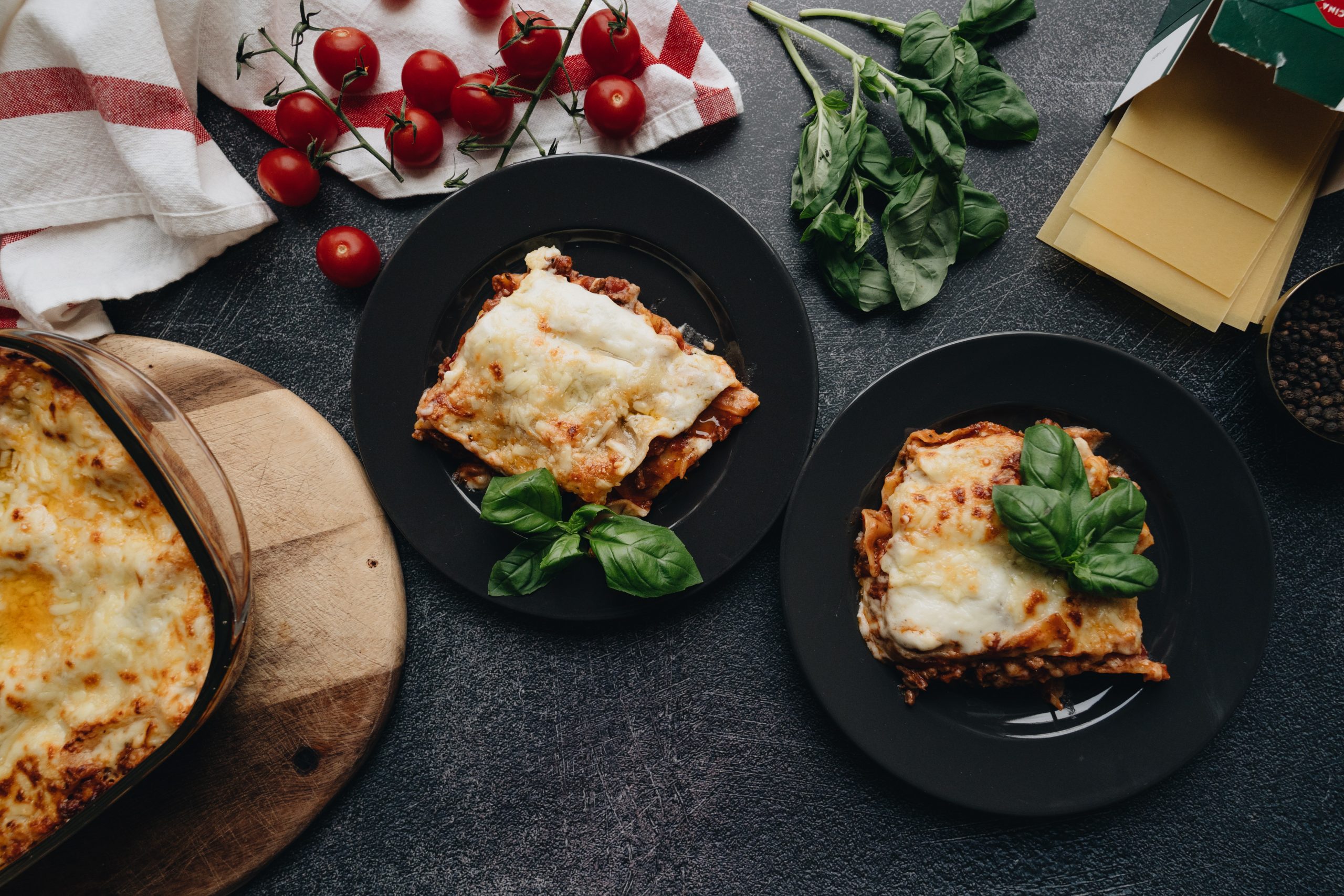







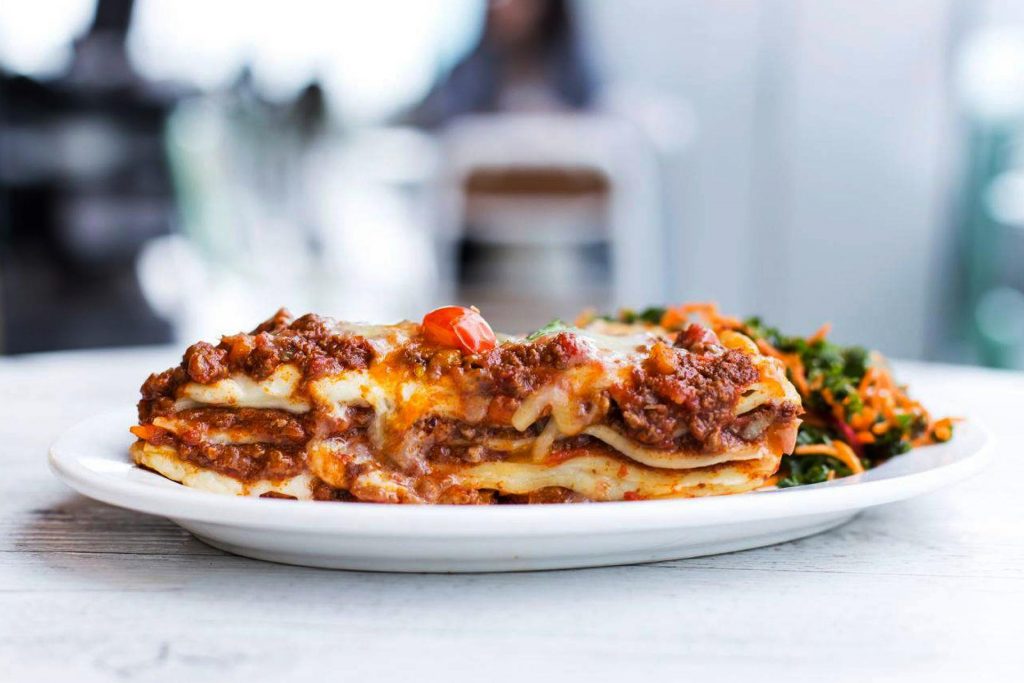
There are as many lasagnes as there are Italian cuisines, but there are still some award-winners. I bring you the secret of a famous chef's lasagna and the Italian mamma's recipe, along with her story.
The Italians' lightness of touch and their iron-clad approach to gastronomy always impress foreigners. They can cook anything in a jiffy, and they stick to their own and perfect ingredients and recipes tooth and nail. Lasagne is just such a dish for them. They take their time, they are convinced that it is less good at the other house, and they don't hide the recipe. They say they'd rather let others learn from the best. But it is safe to say that the perfect Italian lasagne secret is in the details. The stew should be vegetable-based, the pasta should be homemade and made with good flour, and the flavouring is up to you.
How do you sell lasagne?
It's important to have a story, not just “a dish” on the menu, but a little taste of Italian life, whatever country you're in. Some of the menus have a description of the dish, so it's easier to find your way around. Sometimes, the waiters themselves will tell you about their dishes of the day, to help you make a choice or just to whet your appetite for a bigger feast. Both are effective, especially when it's a traditional and old dish like lasagne is about the creation of.
The original lasagne made with blood
Depending on where you are in the Italian boot, the nature of the lasagne will vary. The first such dish was recorded in the 14th century, where it was made without tomatoes, with thin sheets of pasta and in a particular baking dish called lasanum. By the 19th century, peeled, juicy tomatoes were an essential ingredient in the casserole. In Naples, Lasagna de Carnevale is made with sausage, hard-boiled eggs and ricotta. From the Emilia Romagna region, Lasagna il Forno is the most popular version, layered with wine, lots of onions, besamel and mozzarella. In the Piedmont region, however, they swear by the blood of the slaughtered pig to make the casserole, the only thing that makes Lasagna al Sange real. for pasta the food should be thin as a hair and succulent.
Recipe for the Italian mamma
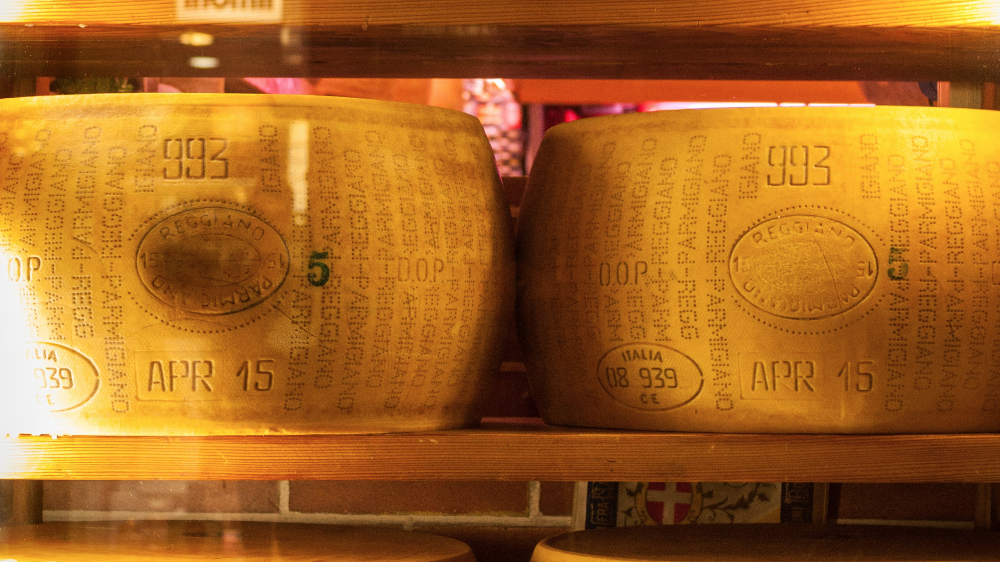
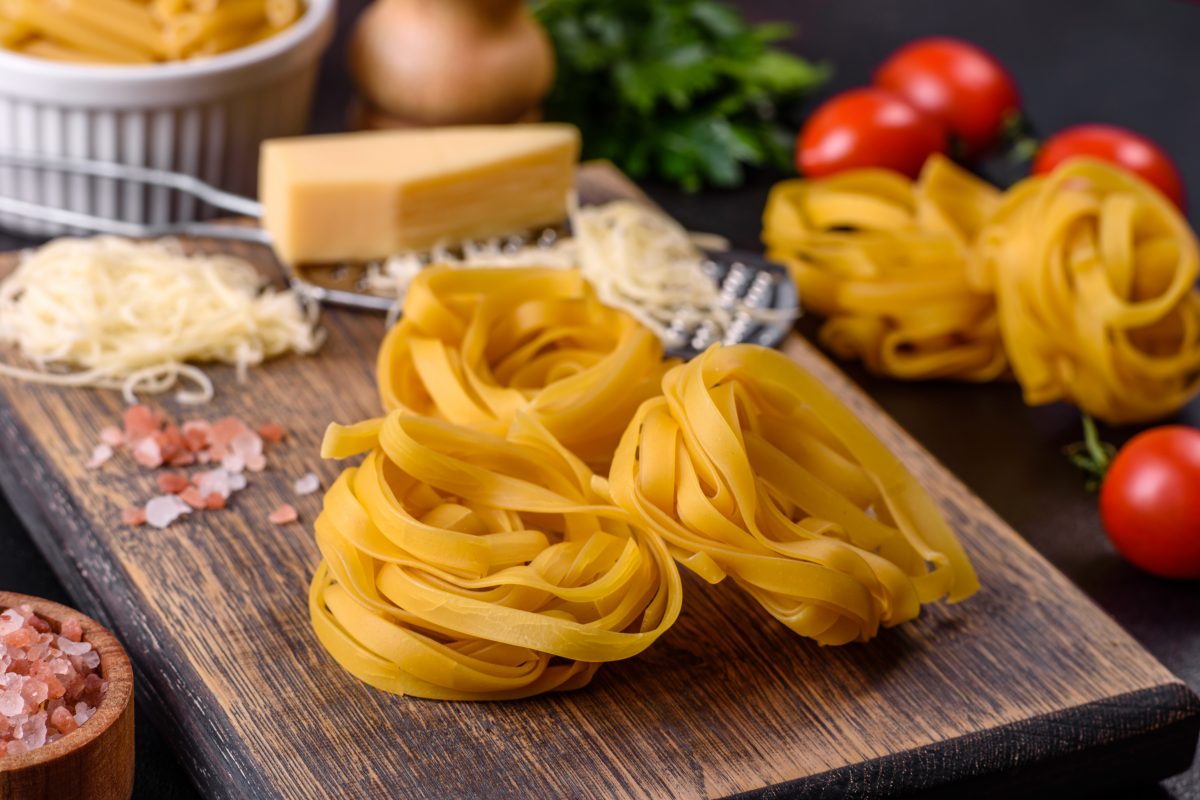
Most Italians also despise ricotta and mozzarella in lasagne. They say ricotta is for cakes and mozzarella for pizza. Lasagne should only be made with real grated Parmesan. My desire to learn from my grandmothers does not only apply to Hungarian cuisine, but also to Italian. I was lucky enough to see 91-year-old Maria's lasagne recipe, which is a wonder to people in the area. The secret is that she makes the pasta with 00 flour and kneads in a little spinach puree, so it turns pale green. The stew cooks for 3-4 hours with lots of thick tomato sauce, lots of olive oil and more spices. He cooks the pasta sheets in advance, layers them with the besamel and the finished casserole, and sprinkles lots of Parmesan in between. Not the traditional lasagne pasta, but rather the creamier, spicy kind that Maria has been making the same way for decades.
Massimo Spigaroli's recipes
The chef who runs the Michelin-starred restaurant swears by the very old recipes. No tomatoes in the lasagne, but plenty of vegetables. Celery, carrots, onions, garlic. And the stew is made with fresh beef minced fresh with the vegetables, Italian sausage and pancetta, the Italian bacon. It is cooked slowly and nicely, first the vegetables and then the meat. It is important that it cooks for 4-5 hours, so that the flavours come together but the meat does not dry out. The besamell is made with very fatty butter and milk, which is not regretted in the casserole. The noodles are also homemade, but made from durum flour, and they also boil the noodle sheets in boiling water beforehand. The lasagne here is also very creamy, but not too soft, rather unforgettable - or so they say.#