




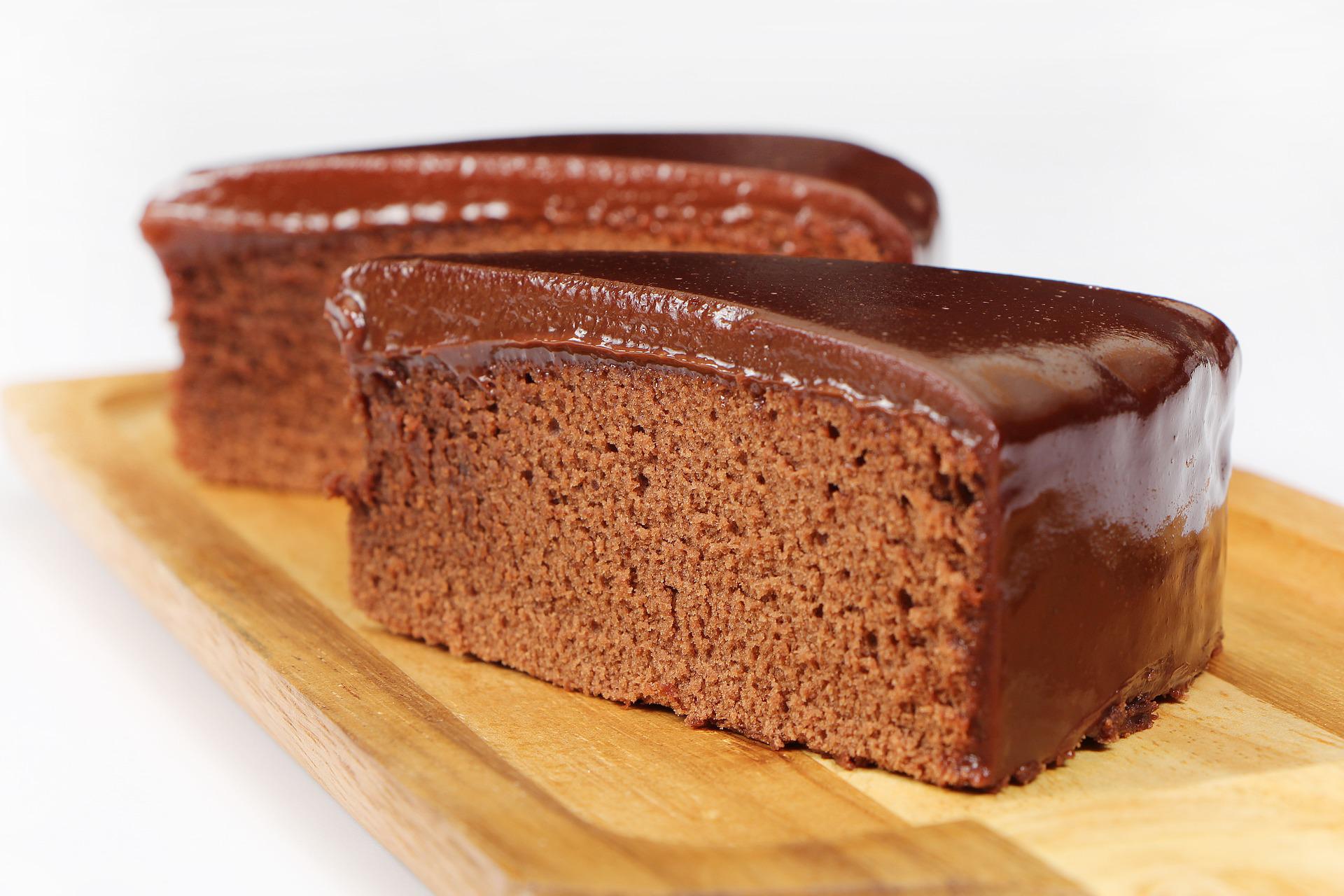
Now that's not sponge cake! Undoubtedly the best known favourite, and ubiquitous. It is an essential ingredient in cakes and pastries. Who doesn't remember when Grandma would pull out the pan and the smell of hot sponge cake would waft through the kitchen. Or when she'd greet us with it on the way back from the playground, and the only question was whether we wanted peach or plum jam. We can see the school canteen, and even nowadays we can see it covered in chocolate.
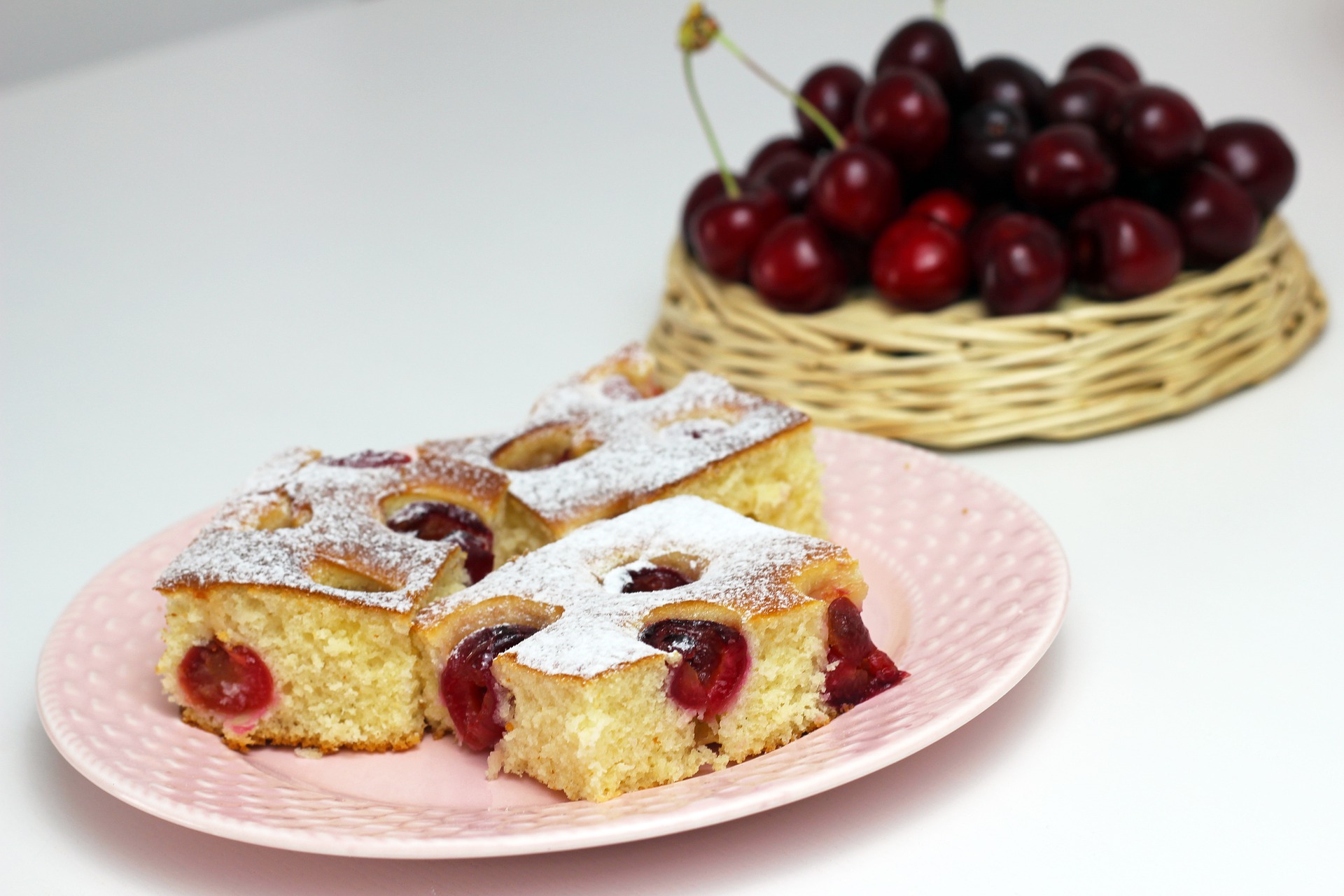
If someone doesn't remember, make it!
You're guaranteed to be a hit with everyone with this simple treat! You don't need to know a lot if you follow the recipe. Maybe just make sure you don't burn the sponge cake! Perfect for all ages, there really are no exceptions.
Sponge cake: 5 eggs, 30 dkg sugar, 30 dkg fine flour, 1 tsp baking powder, 1 dl water, into the oven!
Chocolate sauce: 1 sachet of chocolate pudding powder (boiling), 2 tsp unsweetened cocoa powder, 5 teaspoons of sugar, 8 dl milk.
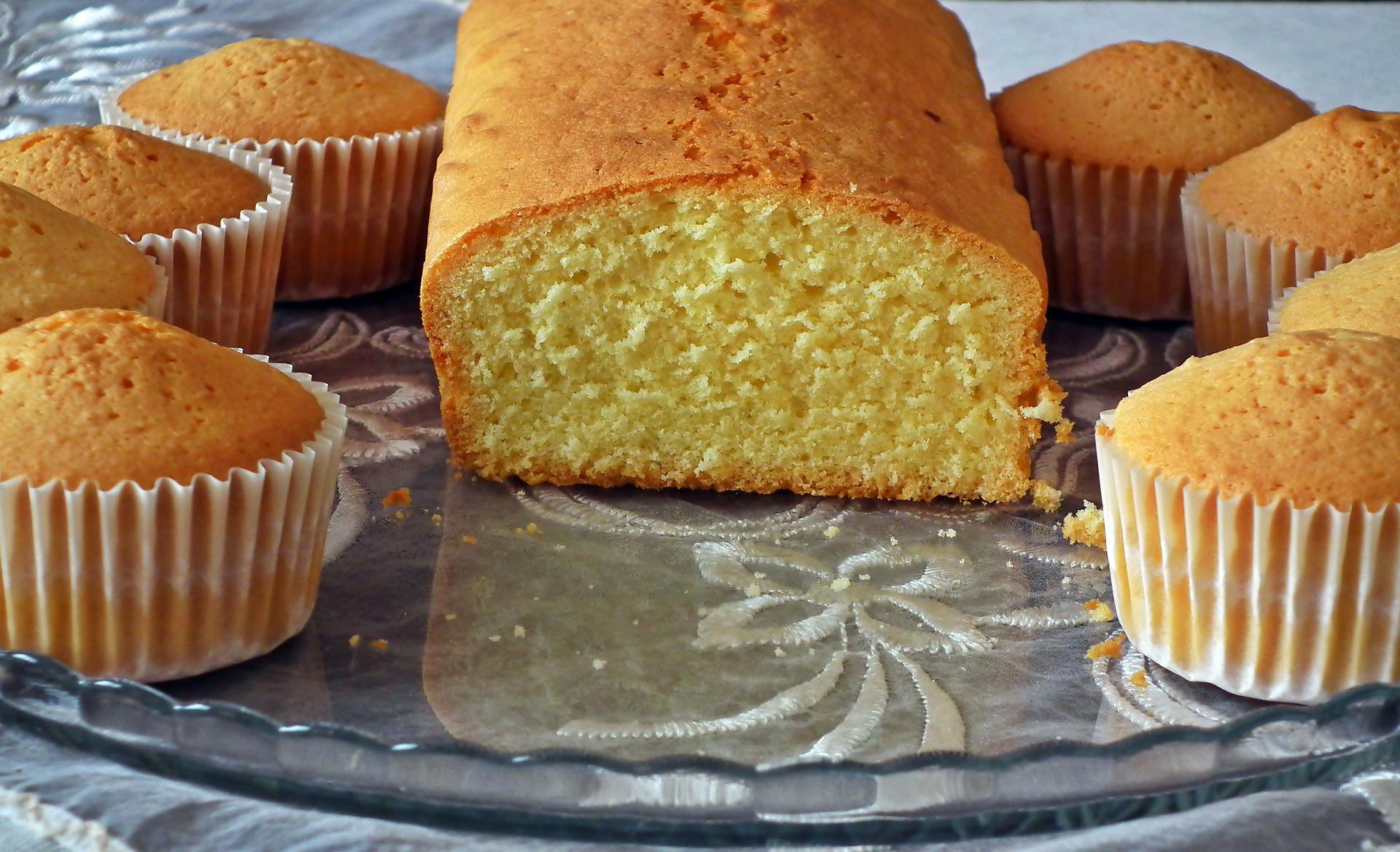
The sponge cake
Worldwide commonly known, from Europe cake, a light dough made from eggs, flour and sugar. The whipped egg white gives it a springy, light texture. Although it is originally made from wheat flour, food-sensitive people can make it with alternative flours, such as oatmeal. The sponge cake has been internationally gastronomy Savoie pasta (Gâteau de Savoie).

The first sponge cake
According to legend and surviving information, it was first made by the confectioner Count Amadé VI of Savoy (1334 - 1383). Some sources say it was invented in Spain, others in Portugal. The first written record of it dates from 1615 and is found in Gervase Markham's cookery book The English Huswife. After the French Revolution, the Parisian confectioners Benaud and Tavot replaced part of the flour with starch making it easier the dough, but this has not remained the generally accepted method. The Hungarian name for piskóta is derived from the Italian biscotto (biscotto), but it is taken from the Bavarian-Austrian version of the German Biskotte.
In fact, as with most basic foods and desserts, we can't be sure when, where or even who first made sponge cake.
Around the world with sponge cake
In Portugal the Pao de Lo dates back to the Middle Ages, the 15th century. At that time, nuns prepared it for Catholic religious holidays, such as Easter or Christmas. Portuguese sponge cake is eaten with tea and rhubarb or raspberry jam. Italian and Spanish Its origins can be traced back to the baker Giovan Battista Cabona, who worked first in Madrid and later at the Spanish court. He spoiled the royalty with a fantastically soft cake that quickly caught on. It was, of course, made on a sponge cake base. A British sponge cake, the “sponge cake” and the Victoria cake were also made according to her basic recipe. The lemon-flavoured sponge cake, with its buttery, sugary base, was even more successful when Alfred Bird invented baking powder in 1843. This made the dough even lighter and changed the colour to golden yellow. Japan the sponge cake arrived by commercial shipping. The recipe for kasutera, the sponge cake, spread the fastest, of course the bakers and confectioners there shaped it to their own tastes. Nowadays it is made with honey, sugar and corn syrup.
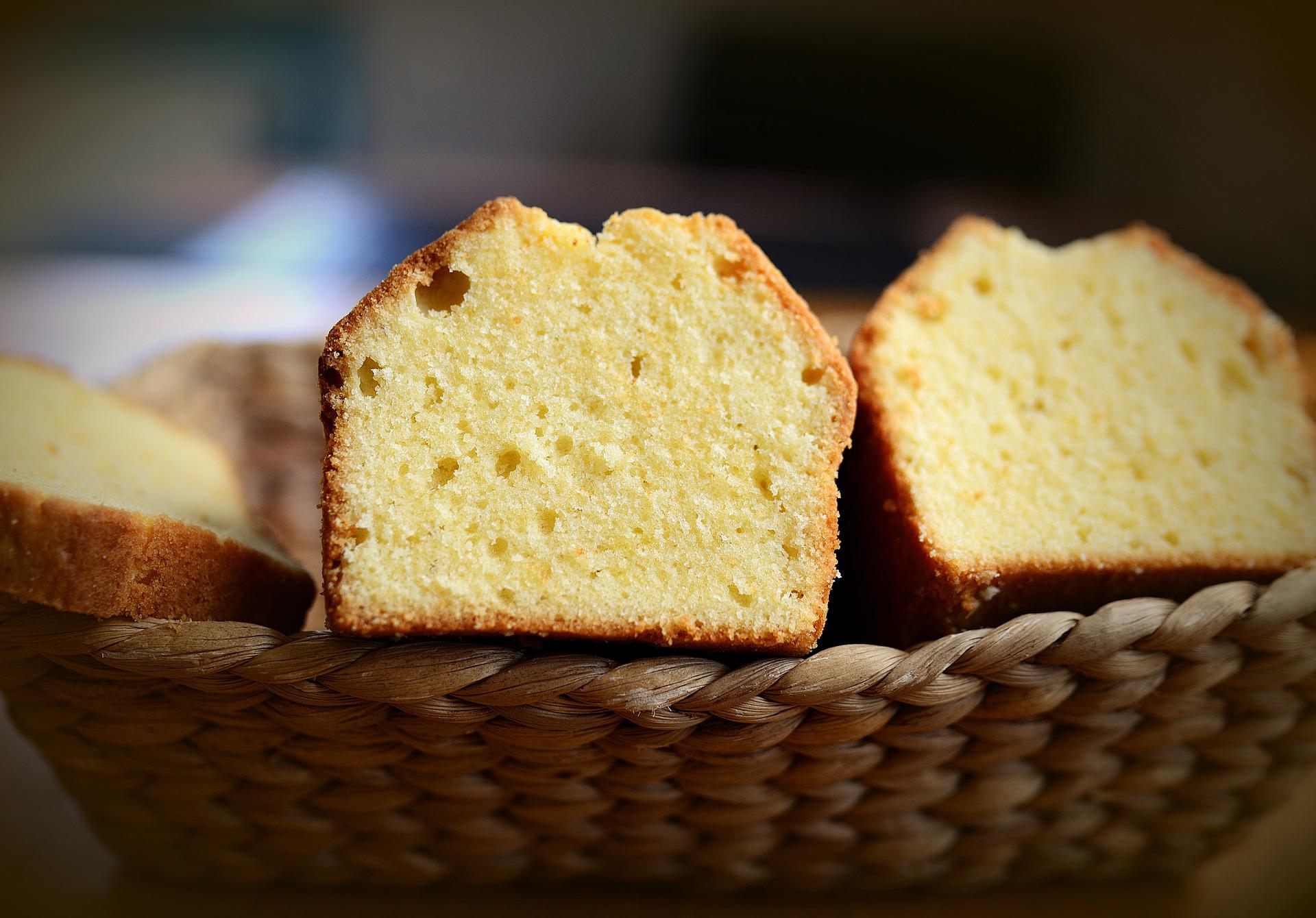
Every housewife can make it
As it's one of the simplest cakes in the world, you don't need much kitchen experience to make it. It's quite hard to go wrong and there are so many ways to vary it. That's why it's still so successful today, because you can serve it with jam, chocolate or vanilla sauce, fruit, and really countless other ways. The more experienced can use it to make sponge cake rolls, as a base for cakes, as a filling, and as almost anything, even vegetables or meat.

Loved by the best chefs in the world
Alain Ducasse is an emblematic figure in French and international gastronomy. Today he is a true reference! He is famous for his Michelin-starred top restaurants, his books, his new concepts or his innovations in kitchen technology. He even has a recipe for sponge cake.
Ingredients: 20 g butter, 80 g brown sugar, 60 g BL 45 flour, 60 g starch, 165 g granulated sugar, 100 g egg yolks, 150 g egg whites, 1 g salt
Preparation: grease the pre-chilled cake tin with butter and cover with brown sugar. Gently pour the remaining brown sugar out of the tin, then return the greased tin to the fridge. Sift the flour over the starch. Beat the egg whites with the salt until stiff peaks form. Meanwhile, whisk the sugar and egg yolks until fluffy, then work in the flour mixture until smooth. Using a spatula, gradually beat in the egg whites, without breaking them, always mixing in one direction only, just until the whites are no longer separable. Transfer to the baking tin, which should be no more than 2/3 of the way full of raw dough. Bake at 170°C for 20 minutes, then at 150°C for a further 10 minutes. Remove from the oven and leave to rest for 2 minutes, then turn out of the tin onto a wire rack and leave to cool. Sprinkle with icing sugar before cutting.