



The barista is an expert in one of the most important segments of the hospitality industry: coffee. How one actually becomes one, and what they do, is revealed. Máté Nezvál, master roaster, barista and professional trainer, also shared his valuable thoughts with us.
Facts
Slowly but surely, a new quality approach In Hungary, for coffee. Despite the current economic situation, the number of quality coffee shops with a unique offer is on the rise. At the same time, more and more people are starting to discover the fruity flavours of fine coffees at home and are trying to enjoy their coffee drinking time. Thanks to these trends, the number of baristas is also increasing, and compared to the self-taught or foreign to gain knowledge, there are now many courses available.
Máté Nezvál is a master roaster, barista and professional instructor: There is still plenty of room for improvement in the domestic speciality coffee sector. Currently, these places account for perhaps 3-4% of the market. There is still a need to continue to focus on training baristas, as the majority of catering establishments still have non-professionals behind the coffee machines. This is quite naturally reflected in the range and quality of the products on offer.
A coffee loving, coffee loving catering professional
The original meaning of barista was all the activities that a barista at they ended up behind the counter. So they were dealing with the drinks. Tapping, preparing and filling refreshments, alcoholic drinks, serving the guests. It used to be called a coffee waiter. In Hungary, the term has existed for hundreds of years, and it is no coincidence that in the 18th century Budapest was known as the „city of cafés”. Even in those days its prominent role and it took years of practice to become a regular waiter, a coffee waiter. Just as our coffee culture today is dominated by the Italian lineage, and much of it is still followed to this day, the term barista comes from them, correctly pronounced “barista”. It means bartender, barman, barman waitress, barman.
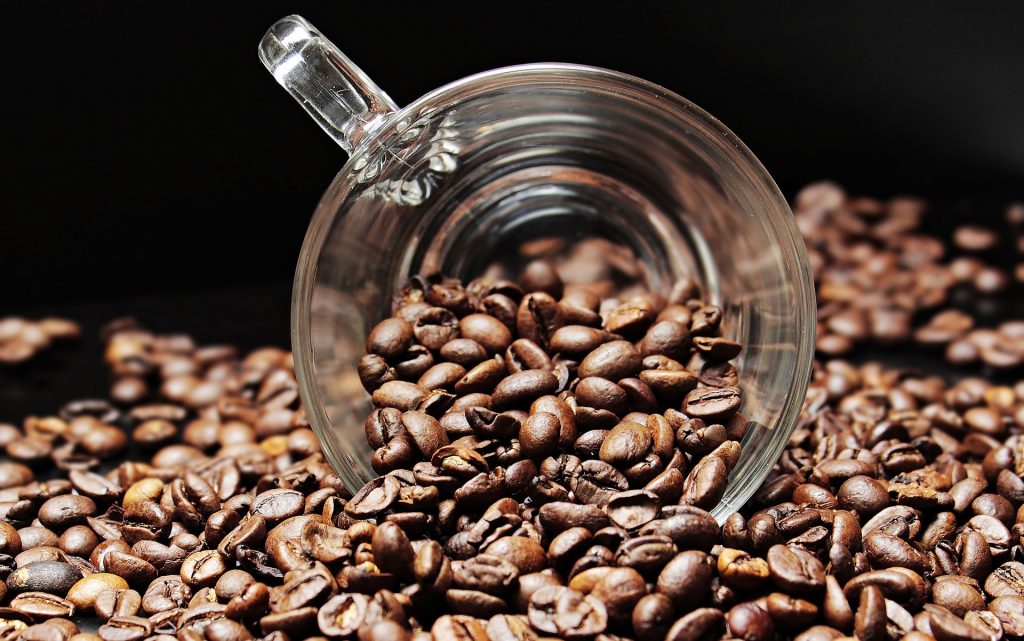
Coffee is part of our everyday life. It is a widely consumed commodity on which entire industries have been built. Until you get your hands on a coffee drink, there is a lot that goes on, from tending the plantations, to picking, drying and roasting. But making a quality coffee into the perfect coffee drink is the job of the barista.
What does a barista do?
He is as much an expert on coffee as a chef is on food preparation. He knows the growing regions, the coffee varieties, the roasting methods. He has theoretical and practical knowledge of coffee beverages, their history, preparation methods and practices. This includes ordering, sorting and storing coffee. The barista is a waiter and a good conversationalist. He is good at dealing with people and anticipating their needs. He can tell you what kind of coffee to offer them by asking a few questions and, of course, he can tell them all about it. He is an excellent salesman and a key member of the catering team. The barista knows all the tools, equipment and supplies needed to make coffee and can handle them all in a routine and professional manner. This requires a good ability to concentrate, but not at the expense of the pace, so that customers don't have to wait too long.
N.M. : I find that many people think they are baristas after a few days of training. But, as in all areas, it takes a lot of practice, and what is even more important, and in many cases lacking, is professional humility. We are always talking about a four-legged table. The raw material, the machine, the roasting and the barista. If any of those things are wrong, it's a mess..
The key is knowledge
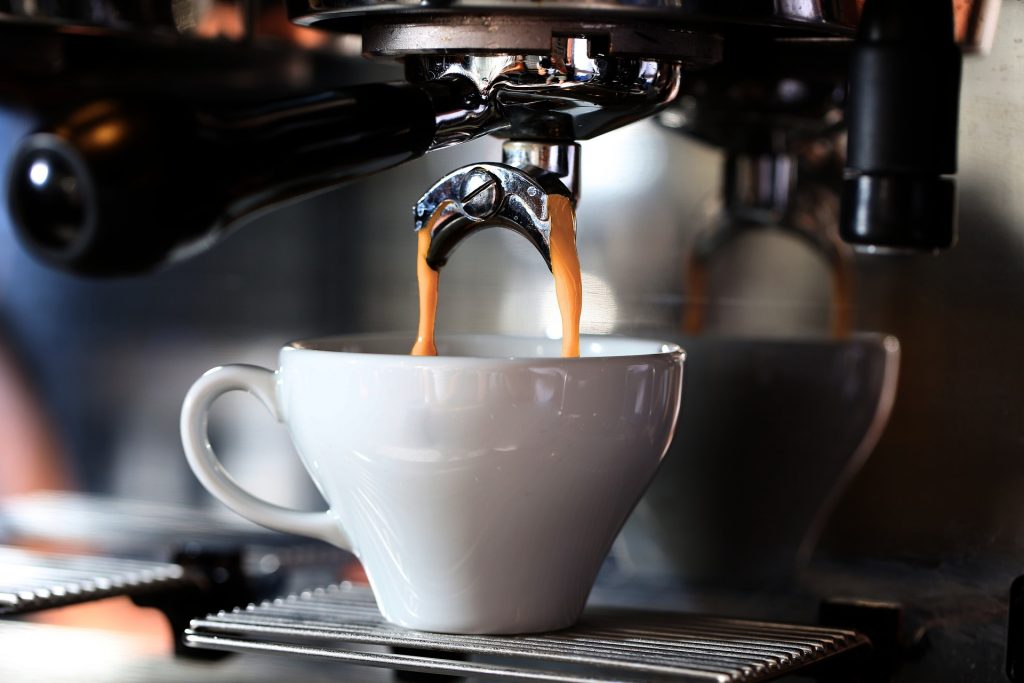
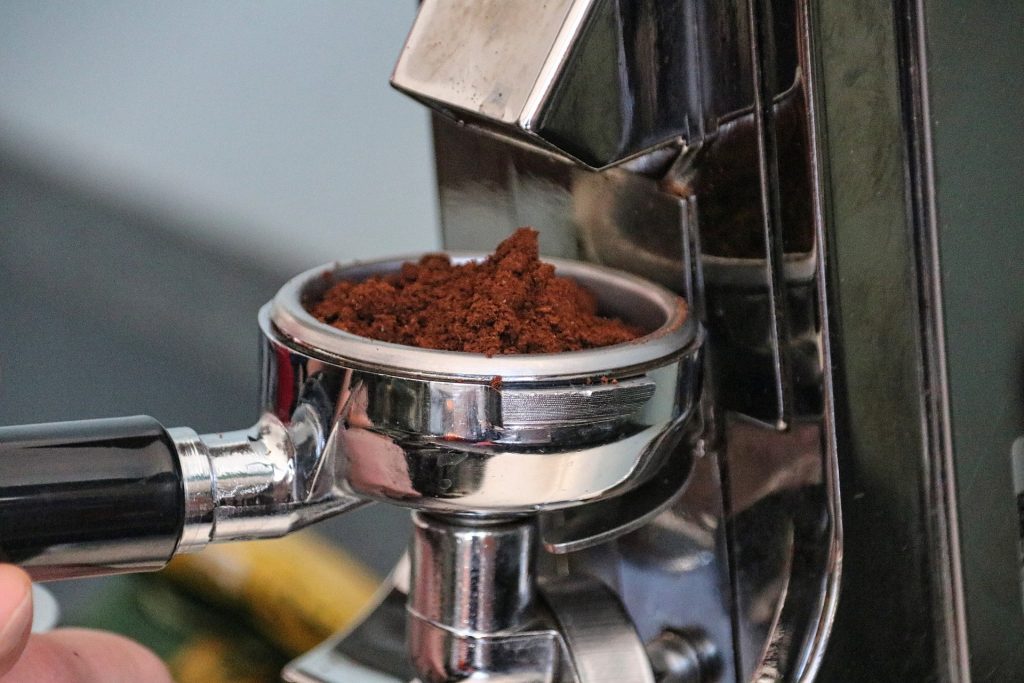
The professional must be able to measure the exact amount of coffee, that's where it starts. Then comes the „tamper”, the compressor. Inside the filter, a homogeneous, even coffee cake can be created. This is necessary so that when the water is forced through the cake by the right pressure, no cracks are found. As a result, all the flavour notes and aromas are absorbed. This process is known as extraction. In this way, the barista can speed up or slow down the flow, which is important for extracting flavours. They can also control the process by making the coffee finer or coarser, or by varying the water pressure. Compressors are usually 56, 57, mm.
With extraction, you have to experiment a lot with the settings. It depends on the quality of the coffee and water, the equipment used and its settings. The training of the barista and his or her personal taste are also important. To achieve consistently good quality, it is important to maintain the machines and equipment, but this is also the barista's job, and he or she must be skilled in this area.
To make a good press, you need to know the amount of grind, the fineness of the grind, the compression, the cup distance, the cup temperature, the amount of water, the water pressure and the extraction time. Without knowing these, no one can be a good barista.
N.M. : Today, an experienced barista can charge the same as any restaurant waiter. The big difference is that a café is not open until dawn. This is definitely a positive part of the business. But it also brings with it a layer of the profession that prefers to talk, to be artistic with coffee, rather than to „work”.
Baristas should know all the coffee drinks
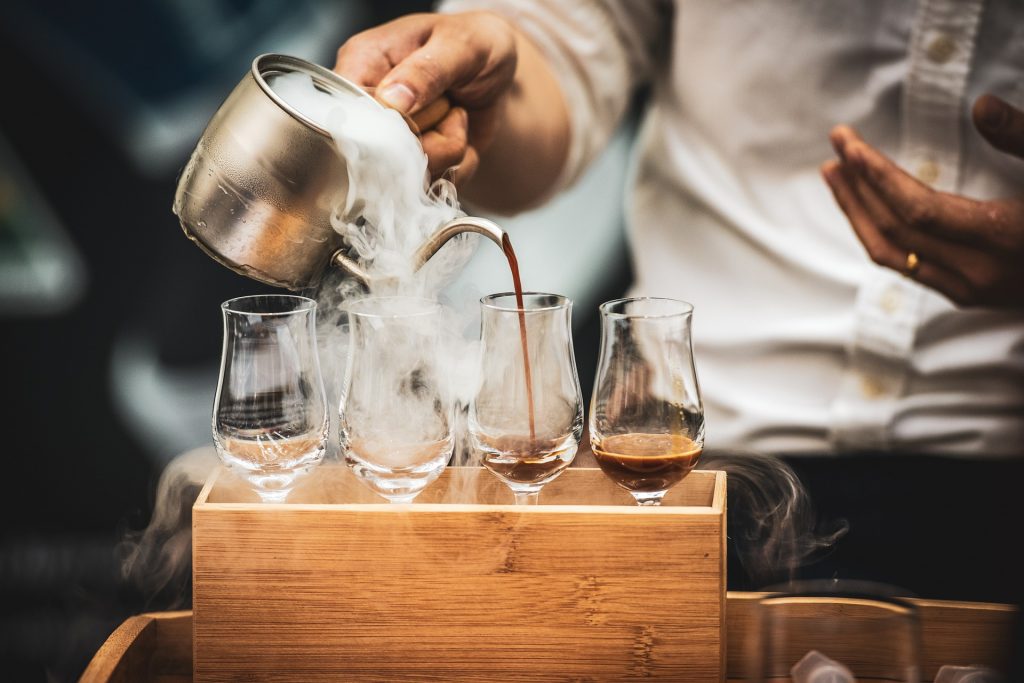
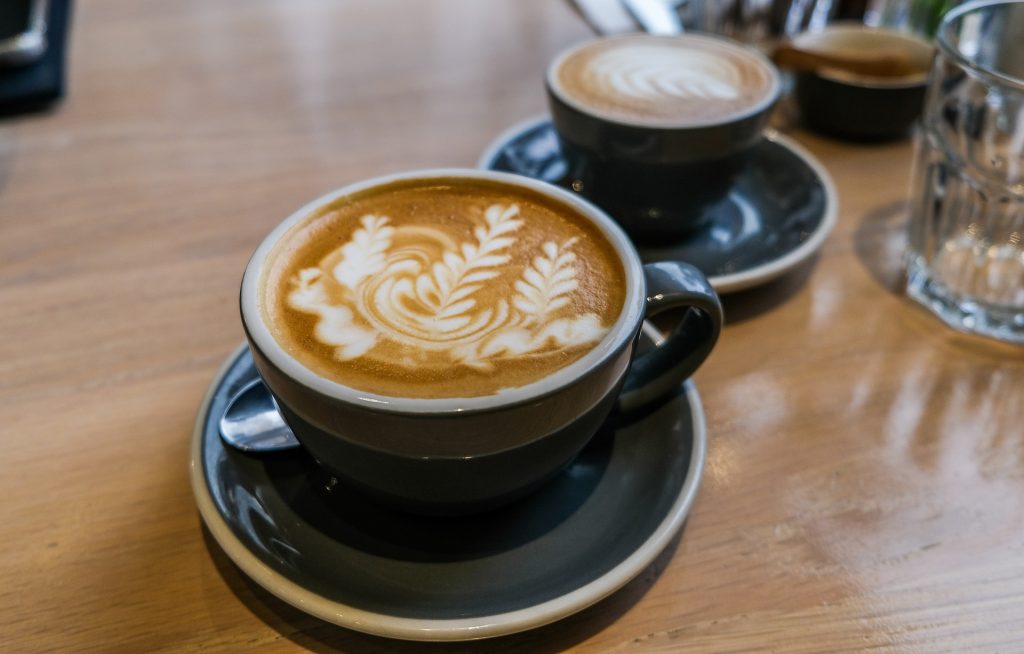
In addition to the trinity of presso, cappuccino and latte, there are many other drinks. Each of them has its own method of preparation and recipe. Coffee drinkers drink different coffees seasonally and according to the time of day, and you should take this into account in your work. Whether it's espresso, ristretto, espresso macchiato, latte macchiato, cappuccino, caffè latte, orange press, espresso tonic or any other alcoholic coffee drink - you need to make it perfectly.
N. M. : „We are nowhere near the point where I would call domestic coffee a destination. The specialty line is still in its infancy. We cannot sit back at all, we are far from optimal. It is precisely in this area that baristas should have a priority task, namely to educate. They are the ones who meet the customer first and foremost and can show what a really good, quality coffee is all about.”