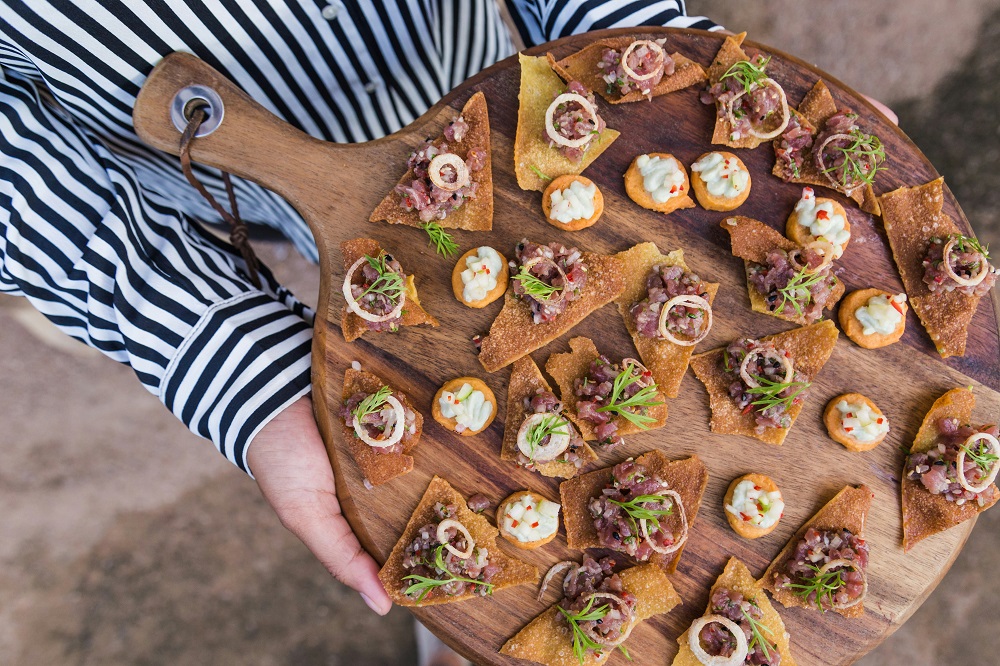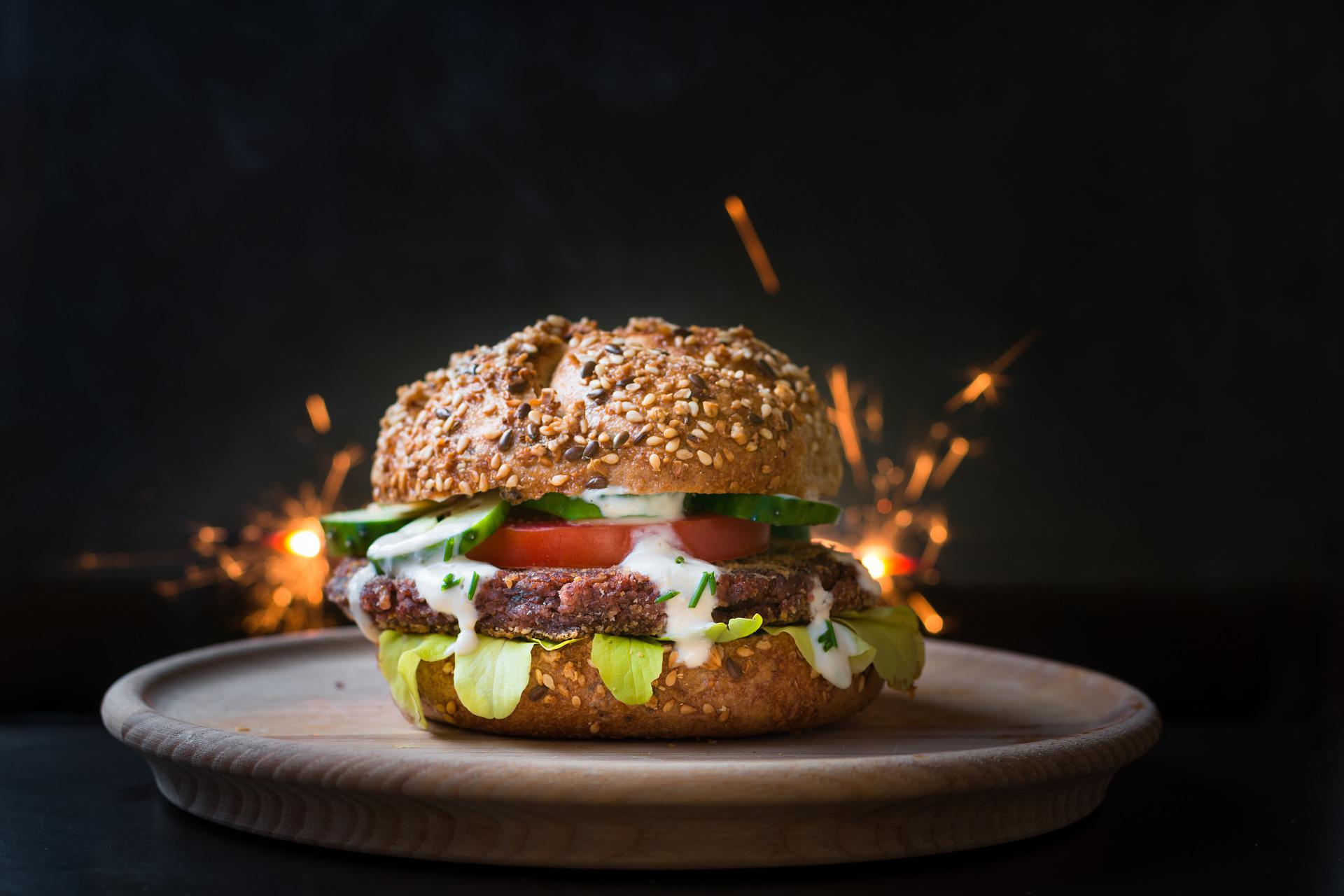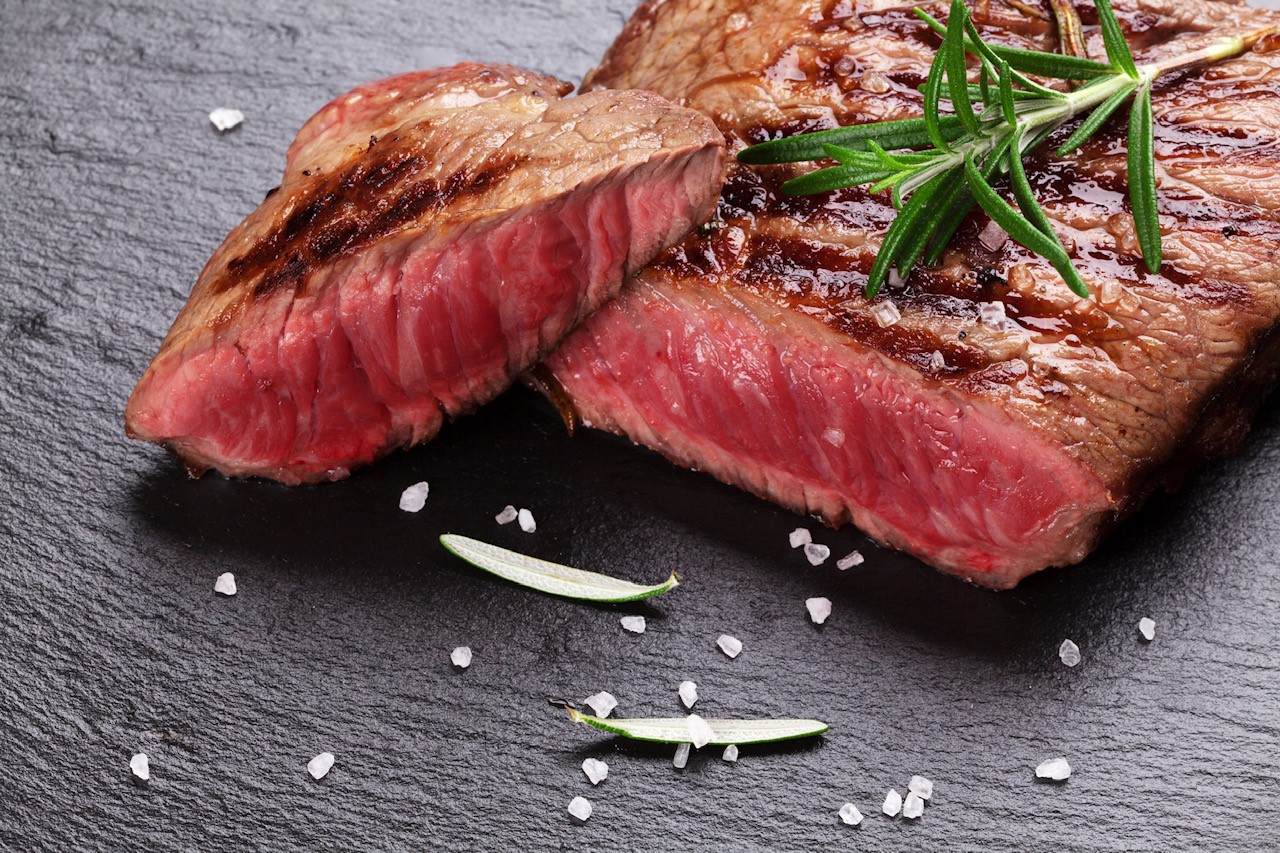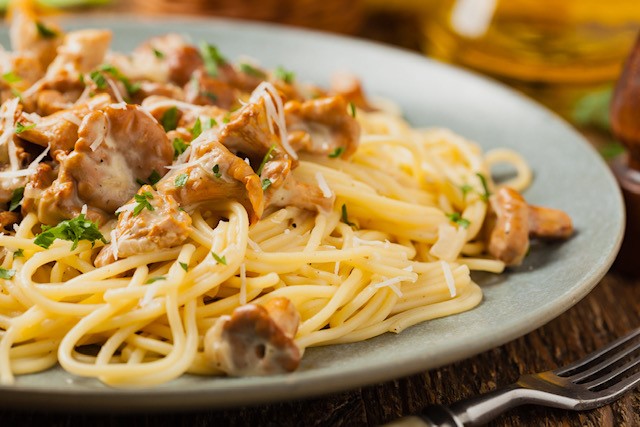







It has been repeatedly shown that the way our brains work and the way they can be influenced is awesome. Without even realising it, food images can affect us so much that we don't even need our sense of smell or taste to put on a few extra kilos.
Americans call this „food pornography”. We scroll through Instagram and Facebook a few hours before bedtime and click on more and more food photos. Of course, it doesn't matter which one, which one, but some of them light up our brains like a disco ball spinning in front of us.
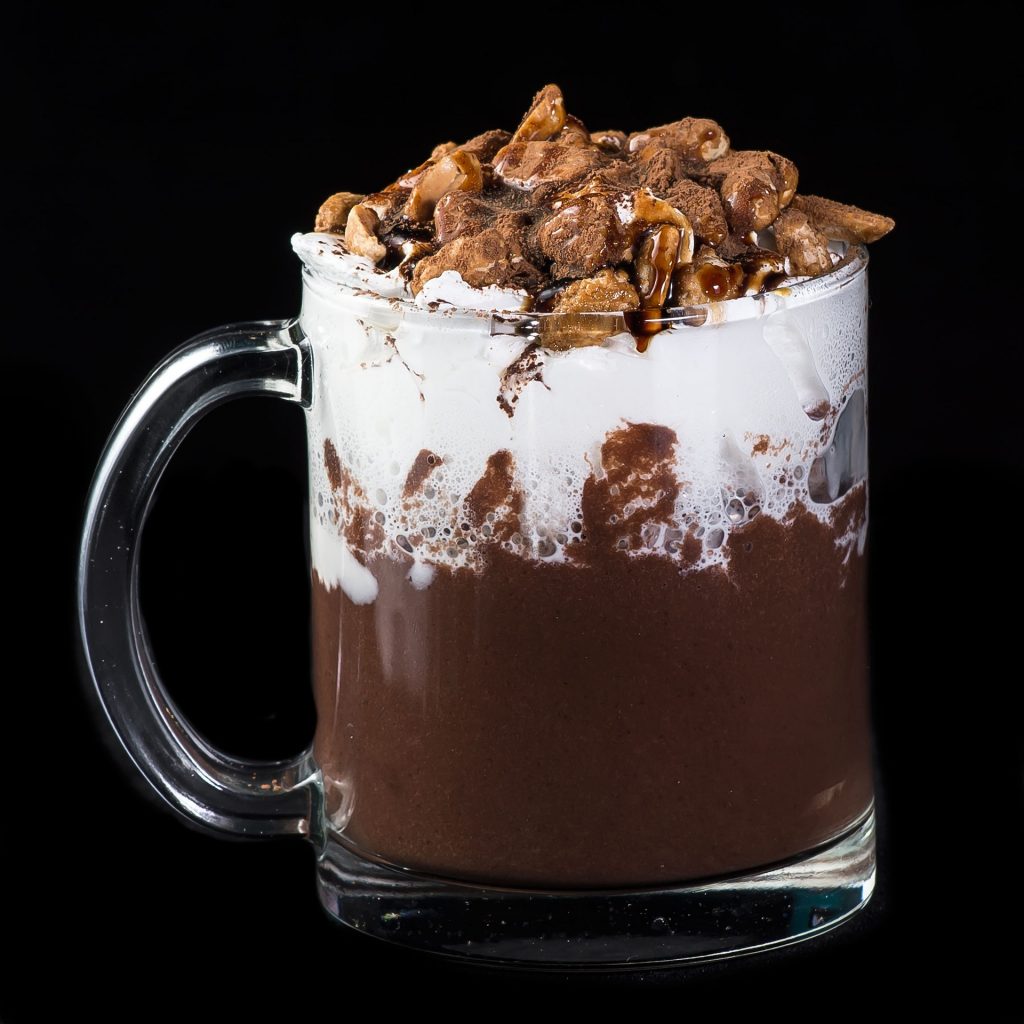
What is Food Porn?
The popularity of gastronomy is as much a blessing as a curse. Good food photography is more likely to sell a product, a service or the food itself, it's all about making it work! But there is also a kind of addiction to the pursuit of such pleasure, even virtually. Spectacular, easy-to-make recipes, such as feta pasta or the well-known two-ingredient chocolate cake, are going viral online. It immediately triggers our imagination, the receptors in our brains that trigger our eating response and impulses, which in most cases also lead us to take action. We're not talking about the next day shopping, and then get to work on the treat - although this is often the case - but to go straight to the kitchen and immediately satisfy your craving. A piece of chocolate, a bit of cheese or just a bite of leftover fried meat.
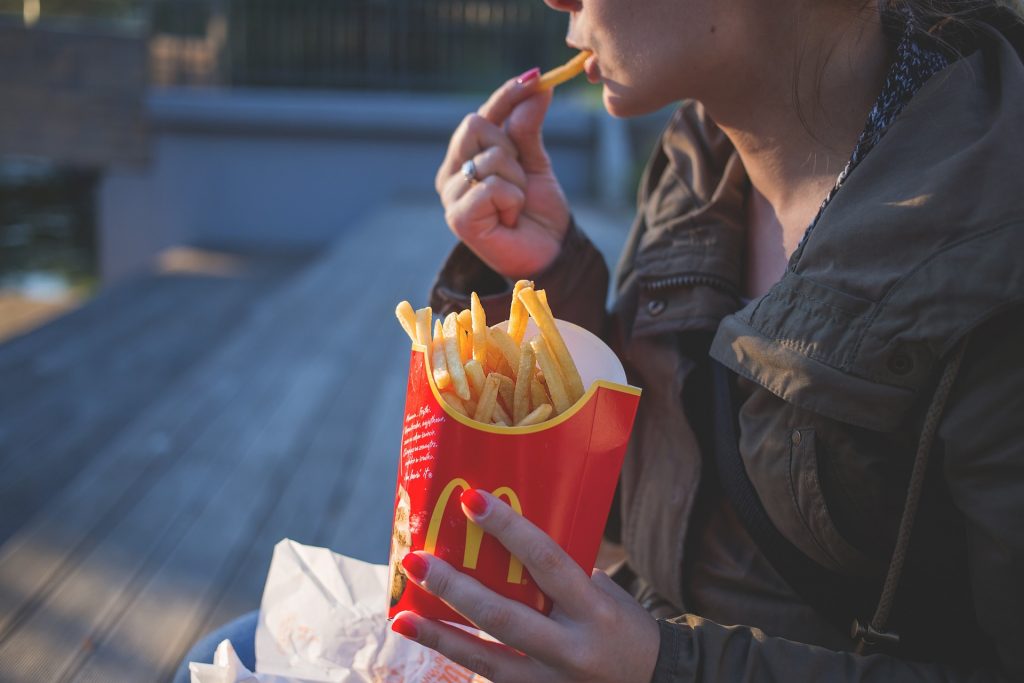
Food photography, cooking shows, cooking competitions = an extra 12 kilos!
A distant friend was a perfect example of this experiment. He bought a larger TV channel package to go with his new television, and was particularly interested in the paprika TV. She is an enthusiastic housewife, but she no longer spent her evenings in the kitchen, but in the virtual kitchen, in front of the cooking channels. Since these programmes are all about whetting the appetite, tasting delicious ingredients and convincing the „eat, enjoy, taste” feeling, it is impossible to sit through them for hours with a glass of water. So, after a few months, Editke has just put on 12 kilos.
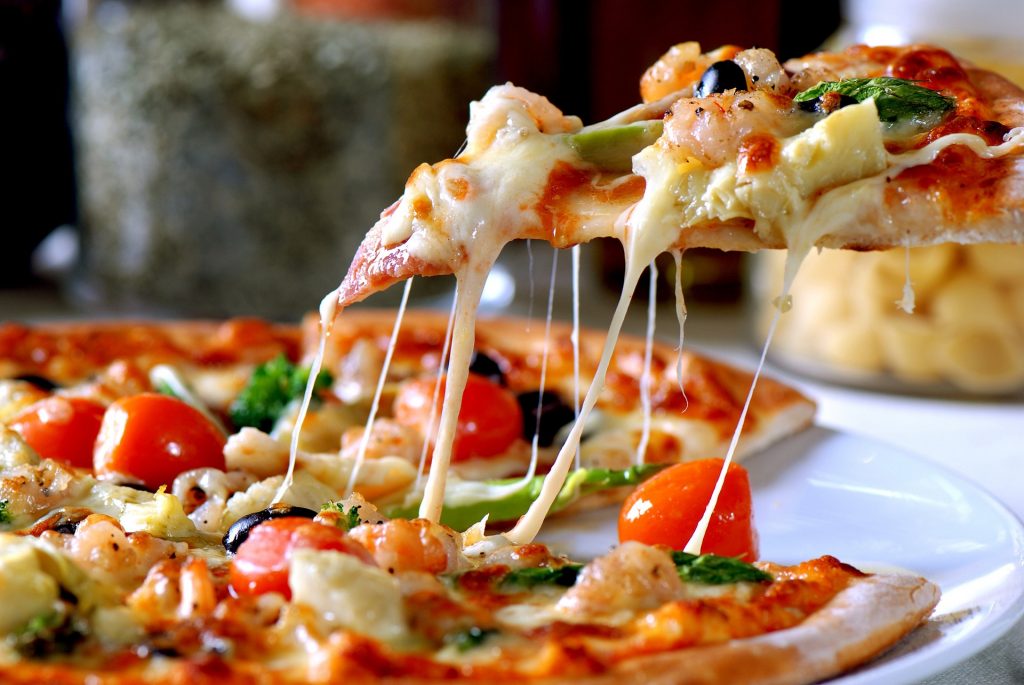
What food images does the brain respond to?
It makes a difference what picture our message board throws up. Scientists at the Massachusetts Institute of Technology were researching the behaviour and structure of the brain, and found tiny neurons by accident. Food-specific neurons, they say, live in the part of the brain that processes information from the eye - and the food photos they simply fire. The research team analysed recordings of eight human brains while looking at thousands of different images. It turns out that our brains know when we are looking at food, without any other senses being involved. So, we don't have to taste or smell, our brains, in some cases, signal and stimulate us to eat. And eating is nothing more than a basic element of our survival, but it is also an important part of our social life, so we respond to it immediately.

Interestingly, however, it reacts more to cooked, cooked food, such as a slice of pizza with lots of cheese and juicy tomatoes, than to raw fruit and vegetables. So, even the brain knows what is „tastier” for us. It also turns out that it depends on our culture, what we've been socialised in, what kind of lifestyle we live, what we think is more nutritious or tasty and what our brain reacts to. This could be a good test for us to see what we need to change in order to salivate over an avocado instead of French fries.