





Sporting events have always brought people together, and this World Cup is a good example of this. With so many people coming to Qatar from all over the world, an extraordinary mix of cultures is inevitable. With an event like this, gastronomy also has a spectacular opportunity to offer a uniquely colourful array of dishes for the participants to sample.
Not only football gets a huge opportunity in Qatar
The 2022 FIFA World Cup will be the 22nd World Cup. Due to the weather, the tournament will be held in NovemberIt takes place between 20 November and 18 December. It is the first time the World Cup has been held in an Arab country and the first to be held in Asia since 2002. With an international audience of over three billion people watching the World Cup, Qatar has the opportunity to showcase its rich cultural heritage to the world. Representing the diverse geographical influences and the nation's history, Qatari culture and gastronomy will also be highlighted. Almost three million people have come to the World Cup to watch the action live, and although football is the main focus, food is also a major part of the event. For the small Gulf country, it is a chance to showcase its unique culinary heritage on the world stage.
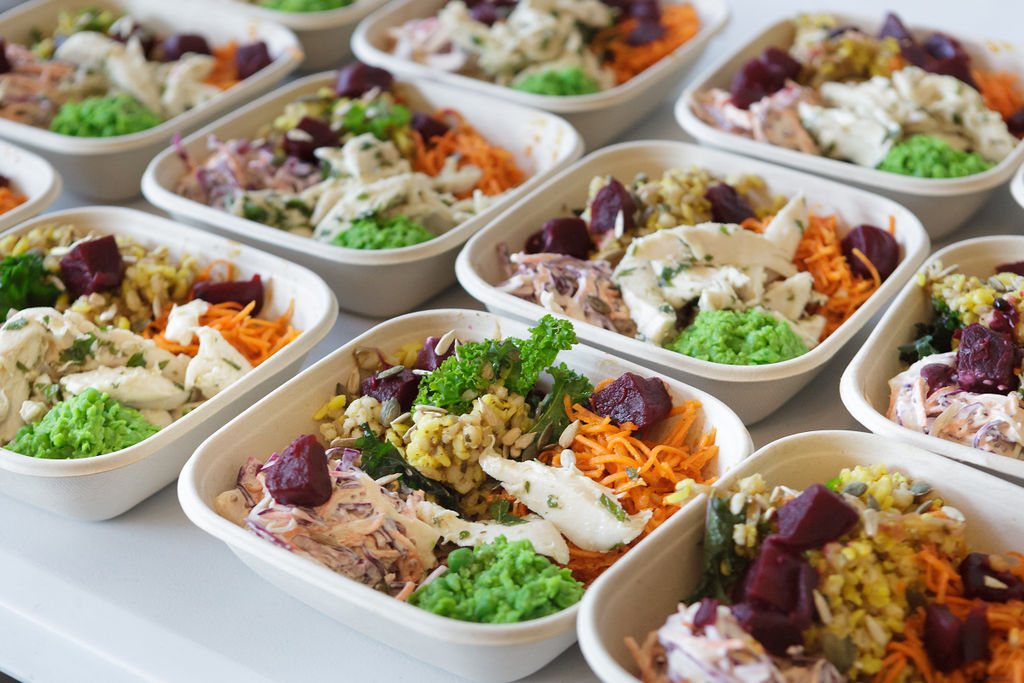
Colourful menu
Qatar's culture, located in the Persian Gulf, is influenced by Bedouin, Indian and East African traditions. It is also home to 2.3 million international expatriates, making it a melting pot of cultures and cuisines. Significantly, the World Cup attracted a large number of chefs who travelled from far corners of the world to Qatar to cook for football fans during the event. A gastronomy operators providing an opportunity to meet the chefs for inspiration to draw from each other.
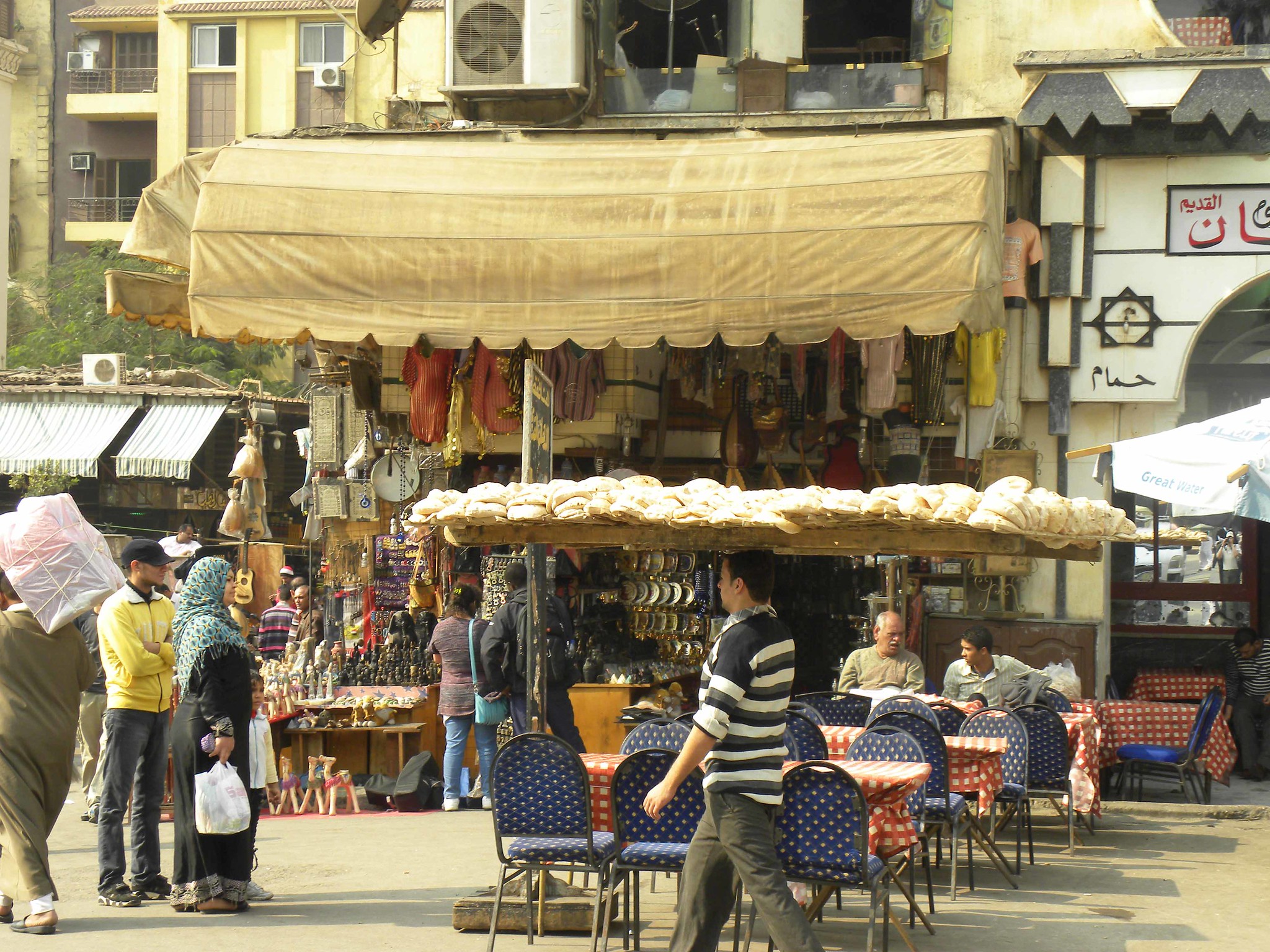
Qatar is a treasure trove of culinary delights
The Gulf is famous for its fusion foods, mixing the myriad cultures present. Chefs and football fans alike can expect these unique dishes to be a mainstay of the World Cup catering offer. Doha's (Qatar's capital) gastronomy has recently evolved to include highly fashionable plant-based dishes and sustainability-based dining options. The focus is on tradition, however, with Arabic cuisine traditions, local flavours strongly influence the food. Clay pots over a fire are typical, and as the Qatari economy is based on the sea, the culinary heritage is based on it. Their dishes often include fish, typical spices are cloves, black pepper, cinnamon and saffron. The country is also one of the largest consumers of sugar, tea and fruit in the Arab world, which largely determines their eating habits.
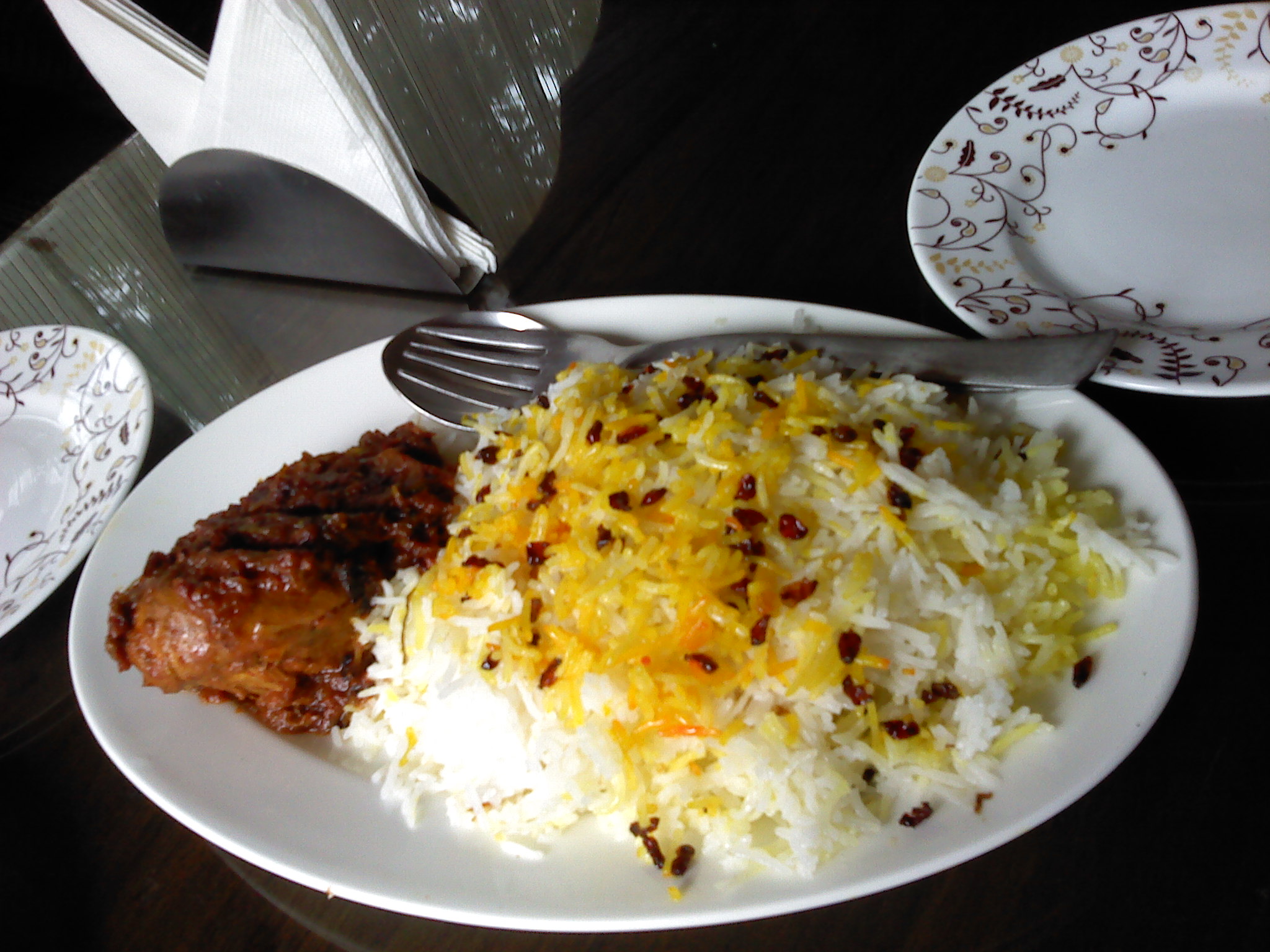
Typical Qatari dishes
For visitors interested in tradition, the combination of ’machboos’, Qatar's national dish, ’basmati rice’ and grilled meat or fish can be a combination of authentic nutrition. These dishes are mainly flavoured with garlic and paprika, an interesting parallel with Hungarian cuisine, but they also tend to use lots and lots of ginger. It is worth trying the ’khobez ragt’, Qatar's typical flat bread, which is served with dishes such as ’thareed’, a basic soup and tomato sauce stew. Other important dishes include wild rabbit, slow-cooked wheat with lamb or chicken, and ’madrouba’ (whipped rice), a dish mashed after a very long cooking time. A kind of seasoned rice, porridge, mixed with fish or meat.

Stadium gastronomy
The World Cup offers a wide range of gastronomic options, including African, Asian and European cuisine. You can find vegetarian and non-vegetarian dishes as well as casual meals. Aspire Katara Hospitality, a catering company, has made more than 400 units available to food, beverage and catering businesses. Catering within stadiums ranges from the luxurious Pearl Lounge, to simpler eateries, canteen kitchens to street food style options offering endless options for hungry fans.
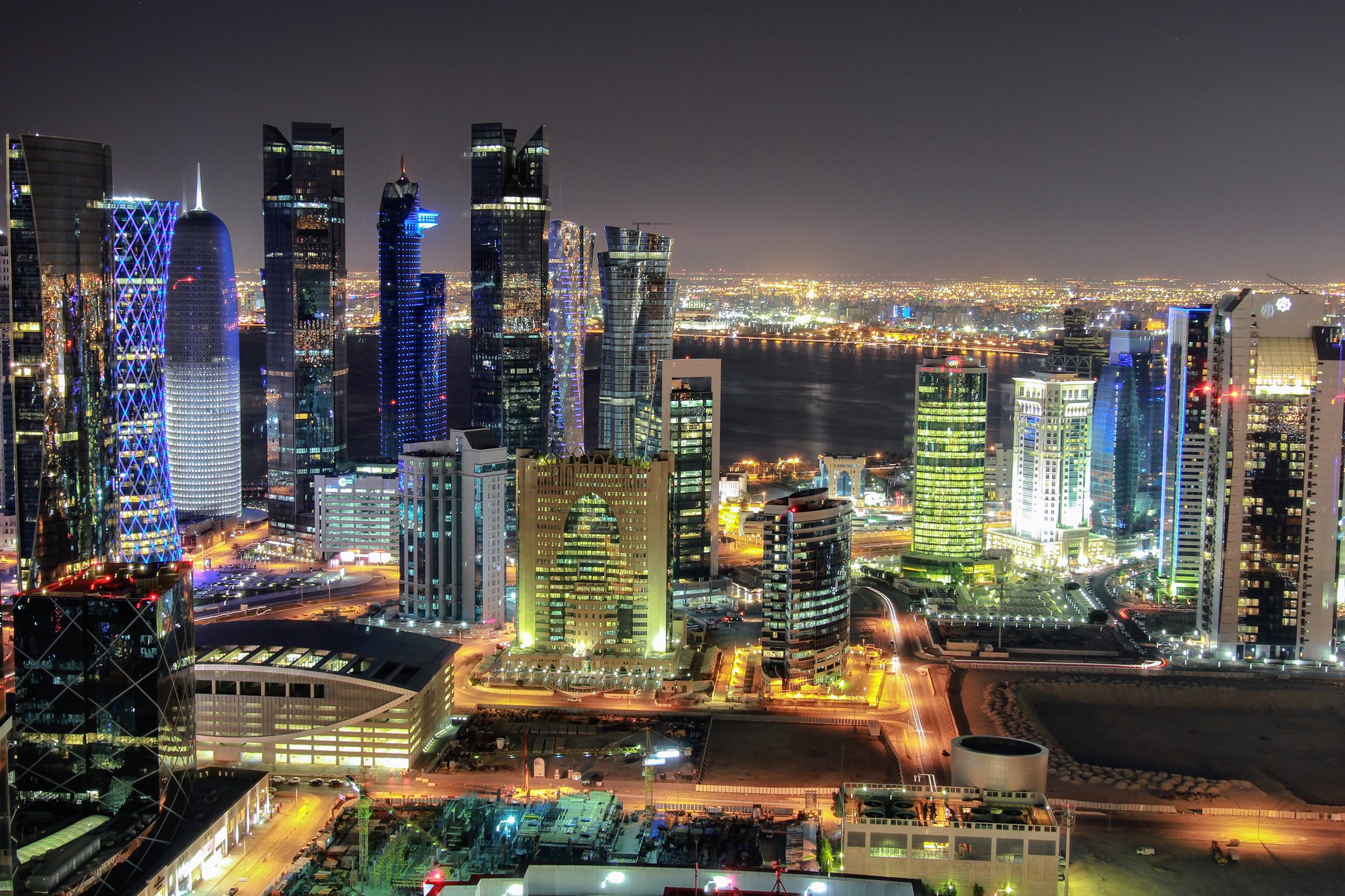
Hospitality in Doha
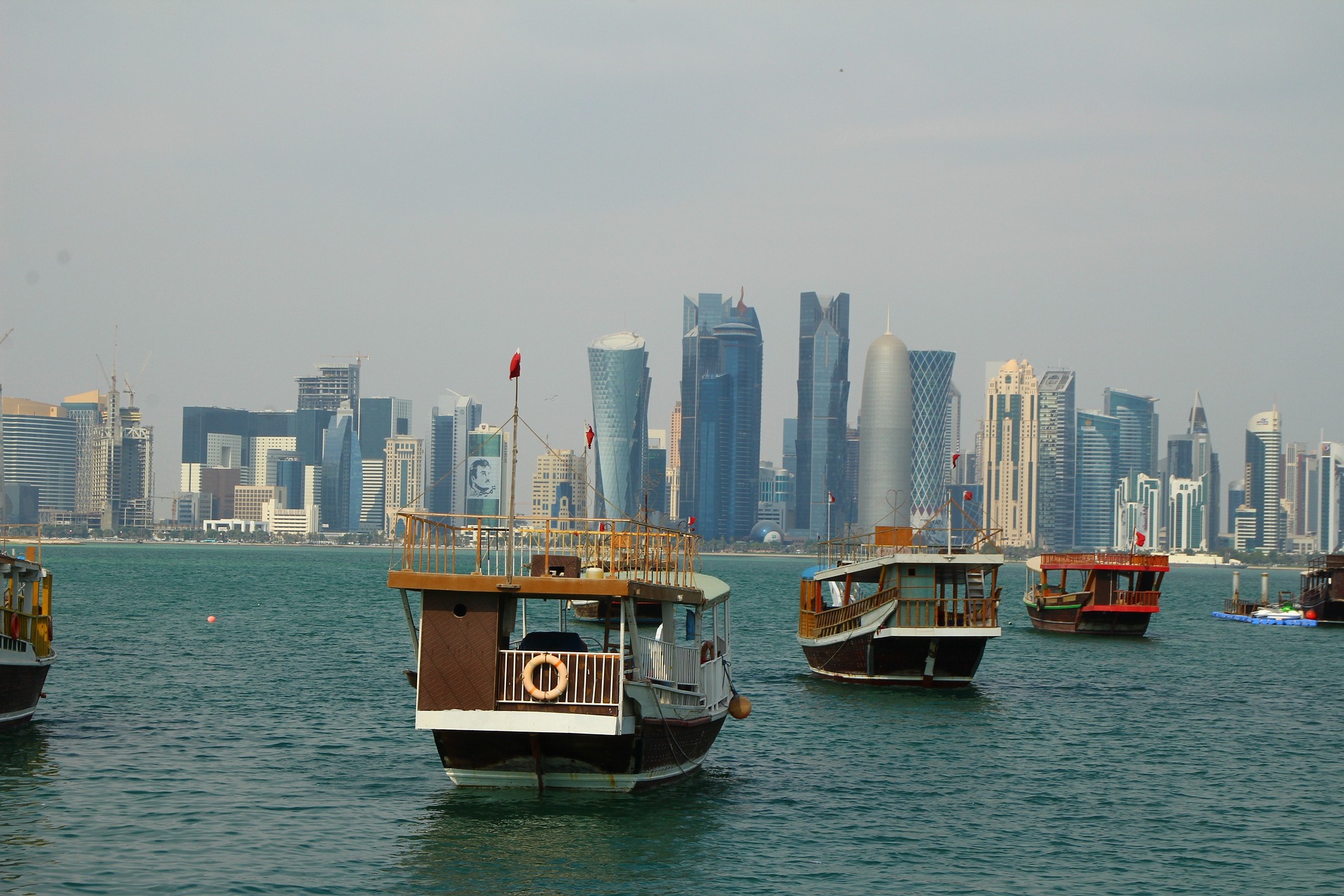
Beyond the confines of the event, the city of Doha, known as „mini Dubai”, is home to nearly 3,000 restaurants and dining experiences. In the run-up to the World Cup, a number of international names have expanded to Doha, including venue operator 7 Management, ADRIFT Anda and US breakfast chain IHOP. High-end options in Doha include modern Mediterranean cuisine, with Arabic flavours from IDAM, Japanese food served by Nobu, SMAT offering a modern take on traditional Arabic dishes, and Persian flavours from Parisa restaurant. For quick service, international chains are available, including McDonald's, MOOYAH, Fatburger, Papa John's, Shake Shack and Lissan Al Asfour, which offers pizza and shawarma.
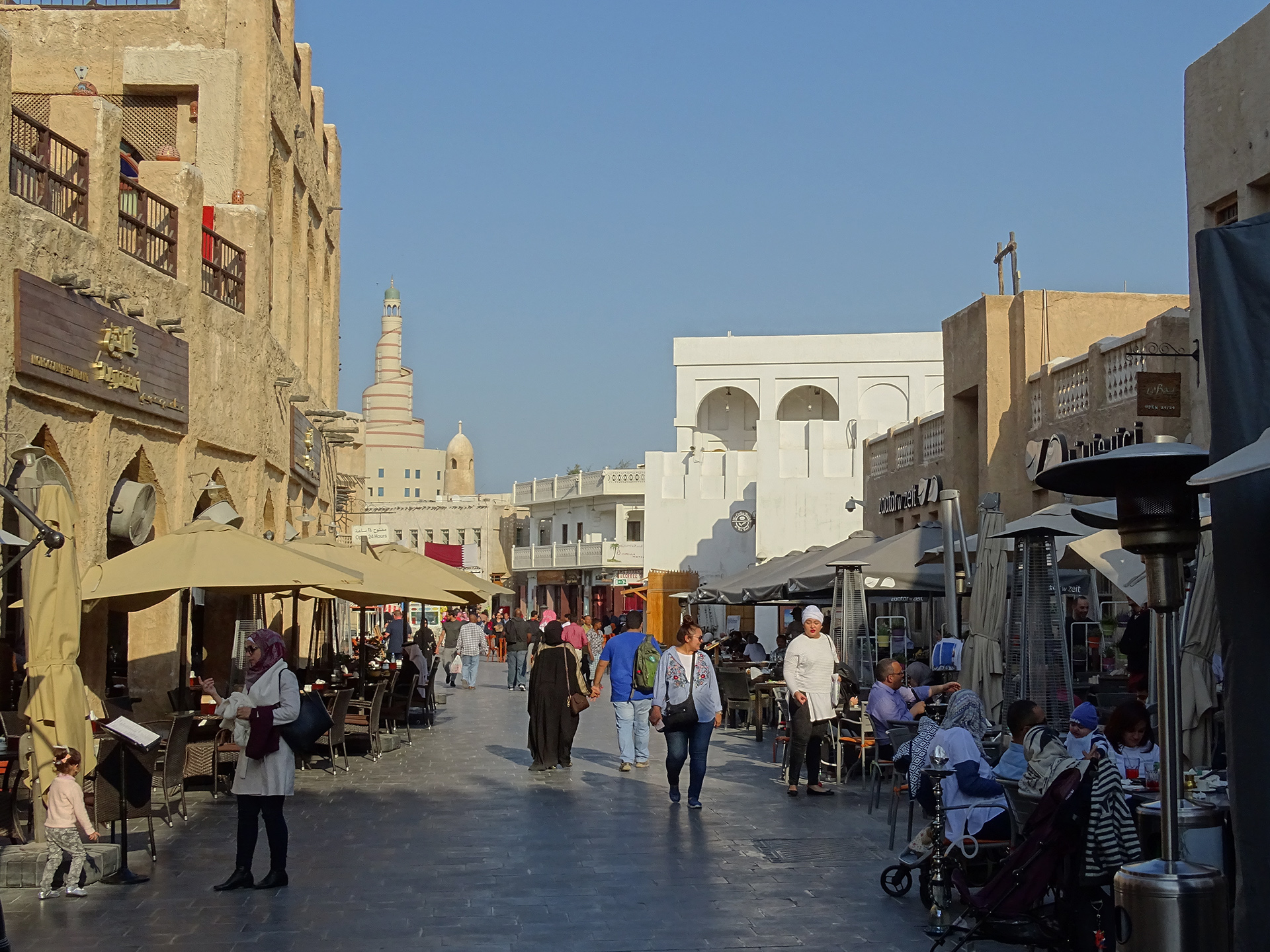
And for those who really want to taste the local flavours, the most obvious options are the „market” at Souq Waqif - souq and the Katara Cultural Village, where traditional-style menus are served.
Rules on drinking alcohol
As this is the first time that the World Cup is being held in a Muslim country in the Middle East, this has caused some puzzlement. The legal drinking age in Qatar is 21 and it is forbidden to drink and be drunk in public places. Alcohol is generally available in a limited number of specially licensed premises, but an exception has been made for this event. The official sponsor of the 2022 World Cup is the US brewery Budweiser, so there will be no shortage of beer at the event.
Source : https://www.ktchnrebel.com/foodservice-football-world-cup-2022/