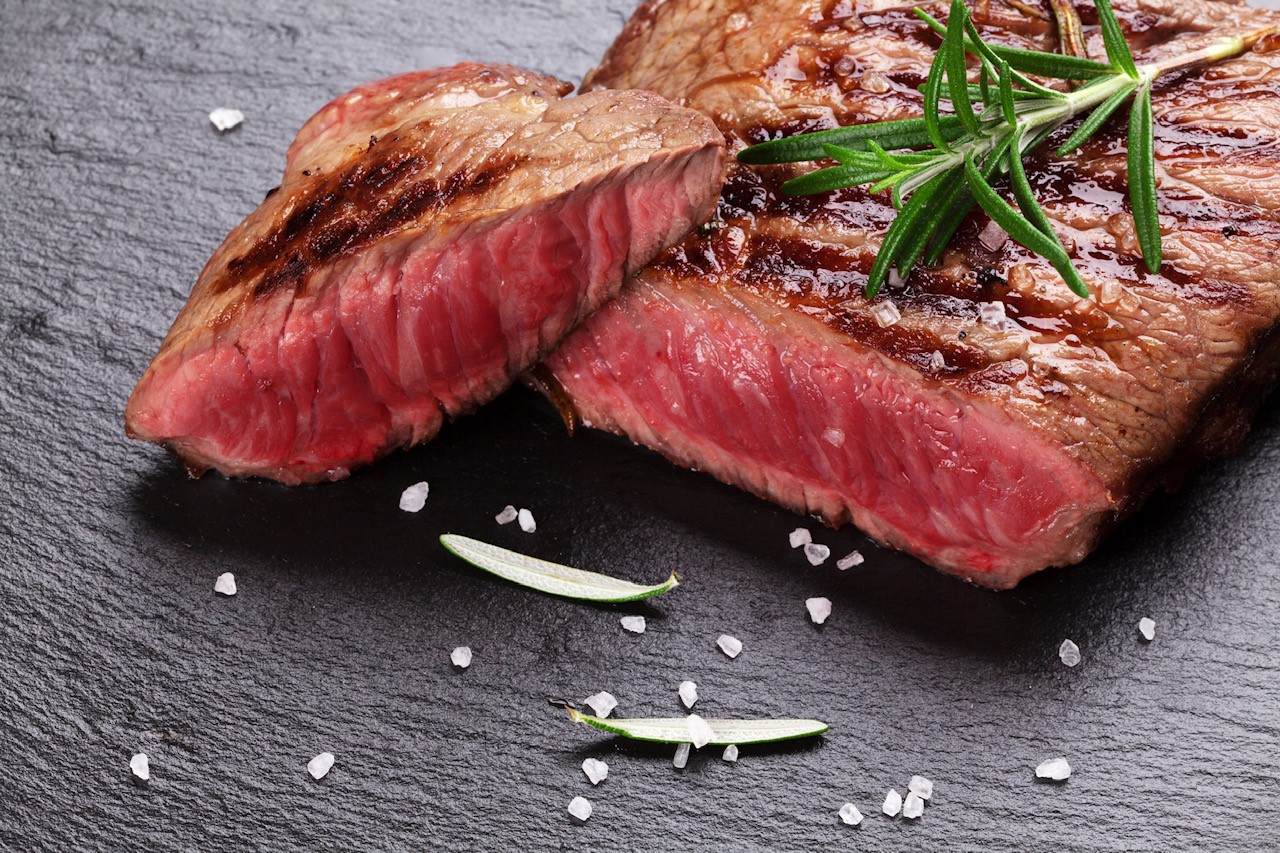







Vegetarians should not pay attention now, because there will be intense meat flavours, aromas and flavours that will be felt even from the carcasses. This dry-aged ingredient is a gateway to heaven for beef lovers.
Few people are really familiar with the technology of dry curing, especially for meat. An old and well-established method of preservation is to ripen, dry and film foods to prevent bacterial growth. In turn, their intrinsic flavour and taste is not only preserved, but also greatly enhanced in the process. The dry-matured black mustard but what exactly we can expect, how this process is done and who we recommend it to, I'll tell you here!
Enjoy, savour, but in moderation!
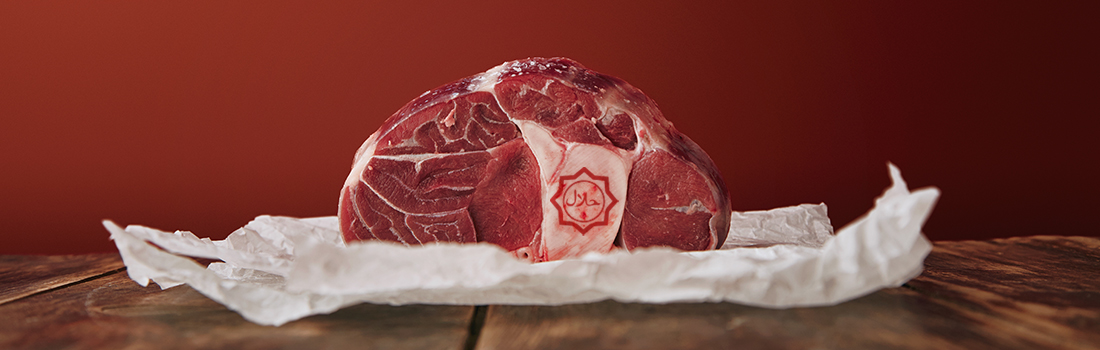
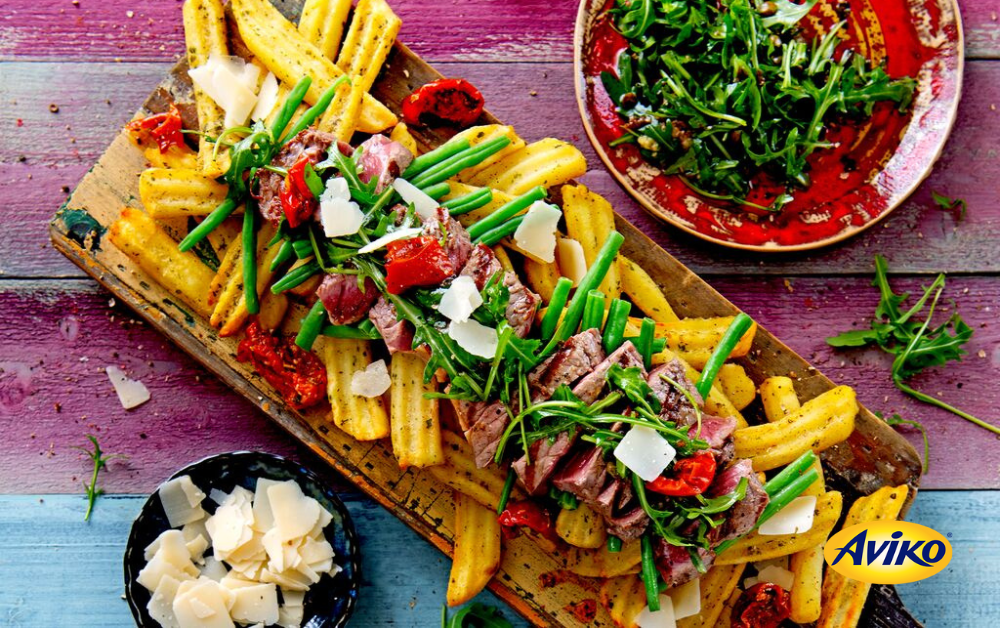
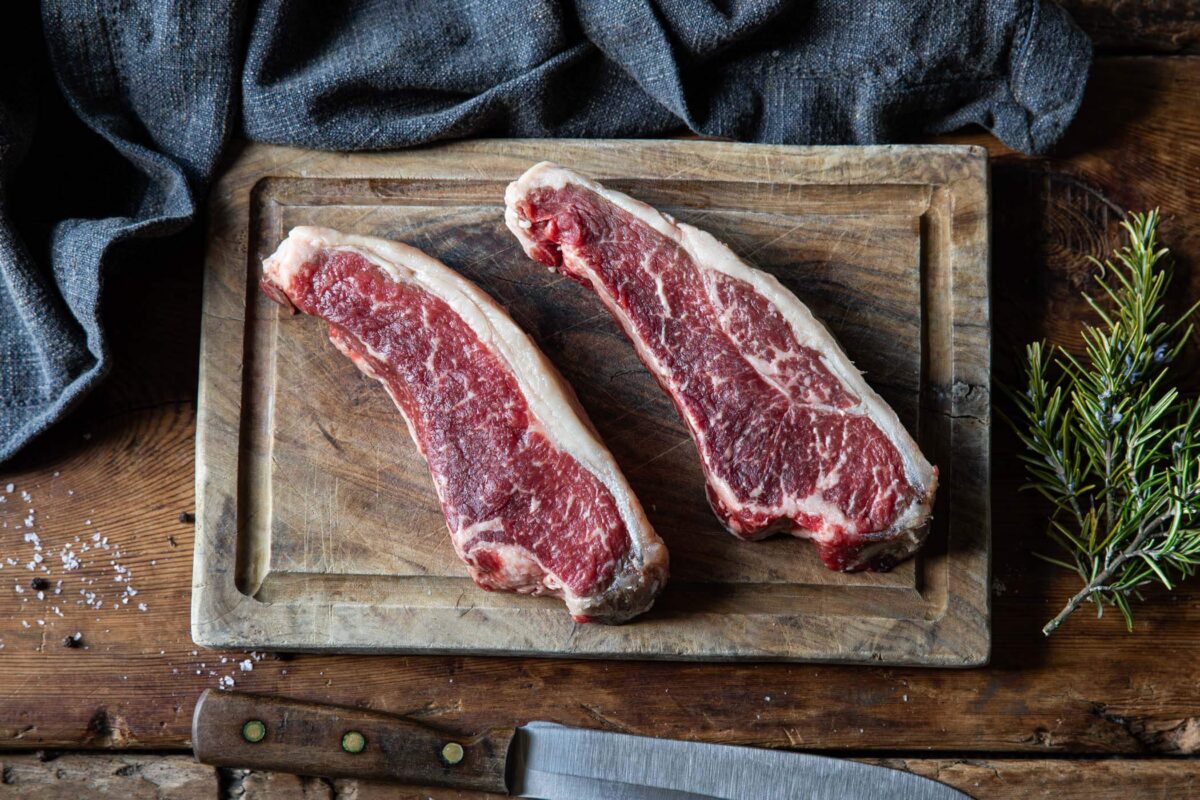
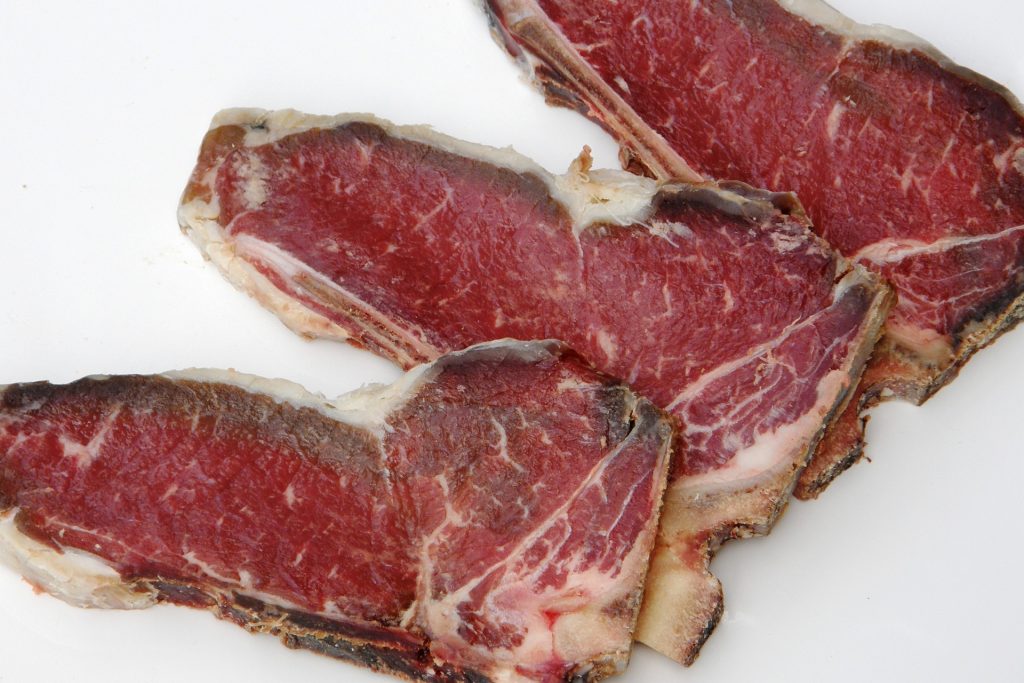
The black bacon is found in the back of the beef, under the rump, which is a moderately expensive but premium ingredient. To get the most out of it, to get the flavours and aromas, it must be aged. Some people are particularly averse to intense meat flavours, despite being carnivores. Pork legs, beef stewed or suddenly roasted, with less seasoning, may feel a little too much for some guests, but others are looking for the typical character of meat. It is also known that drying and maturing fruit, vegetables or cheeses is popular because it produces a different flavour. Much less of them is enough to taste the best of them. Dry-aged beef is also popular with dieters because it not only satisfies their taste buds but is also nutritious. Just a few portions are enough slice on a salad, or as an appetizer, or even as a main course as a carpaccio, it's a great treat. Be careful, because it's common to overdo it with foods that are dear to us. If very intense flavours are consumed in excess and on a daily basis, they can quickly backfire and become too filling. This is the case with umami, which is also present in this dish and is one of the most intense flavours in the world, as it contains the 5 elements we have already described in detail.
Did you know? There are two technologies that have been tried and tested for thousands of years and are safe methods for beef. One is wet curing, which is simpler, faster and less inefficient, and the other is dry curing, which produces a more durable, tasty and fatty meat.
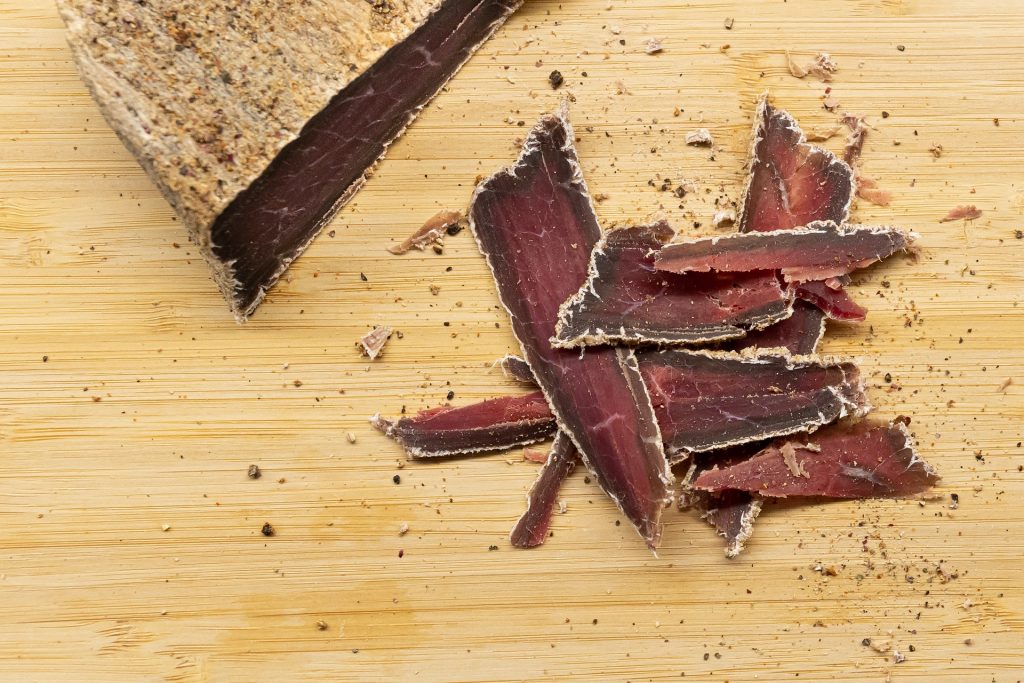
What exactly is dry ageing?
Maturation takes place in a special refrigerator at 1 to 3 degrees C with a humidity of about 75%. The end result is an extremely tender, succulent fatty interior. Rare aromas are released, giving the meat a more characteristic flavour. This process takes place over at least 21 days, mostly from beef cattle kept on the pastures of the Hortobágy, a French and Hungarian cross. The dry curing process involves dry curing the meat in a cool environment with constant humidity and air circulation. During the long maturing period, the enzymes in the meat start to work, the meat is coated with a thin, dark crimson crust, which is removed before cooking, but the inside is fine and tender. porhanyossa Beef becomes.
Who should taste it
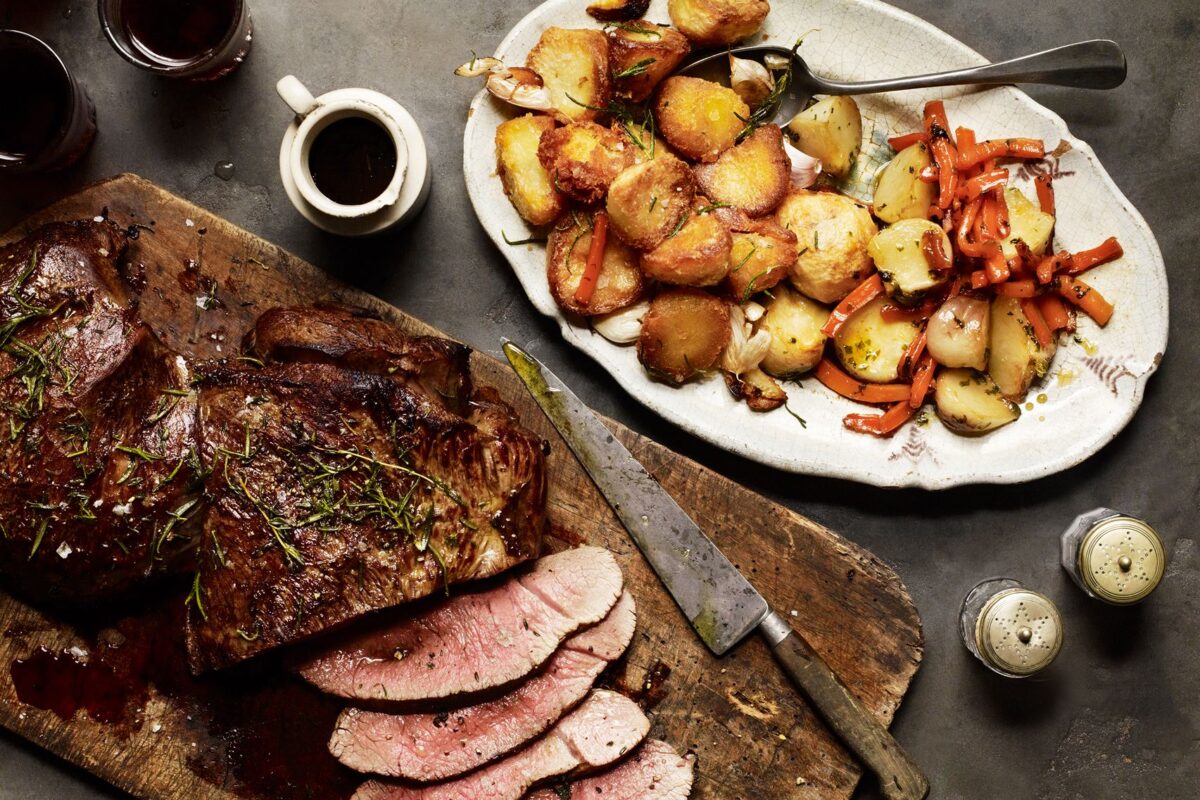
In gastronomy, we chase flavours as well as textures. It is the seasonings, the pairings and the taste of the raw material alone that can impress the taster. Gourmet meat lovers look for these very flavours in a cut of meat as they emerge from dry-aging. That is why chefs try to prepare and serve this black pudding as naturally as possible. Steamed, boiled, served with colourful side dishes and even as a starter in small quantities, it is also eagerly tasted on its own. It's easy to work with, as it does the seasoning and flavouring all by itself during the 21-day process and is a guaranteed success.