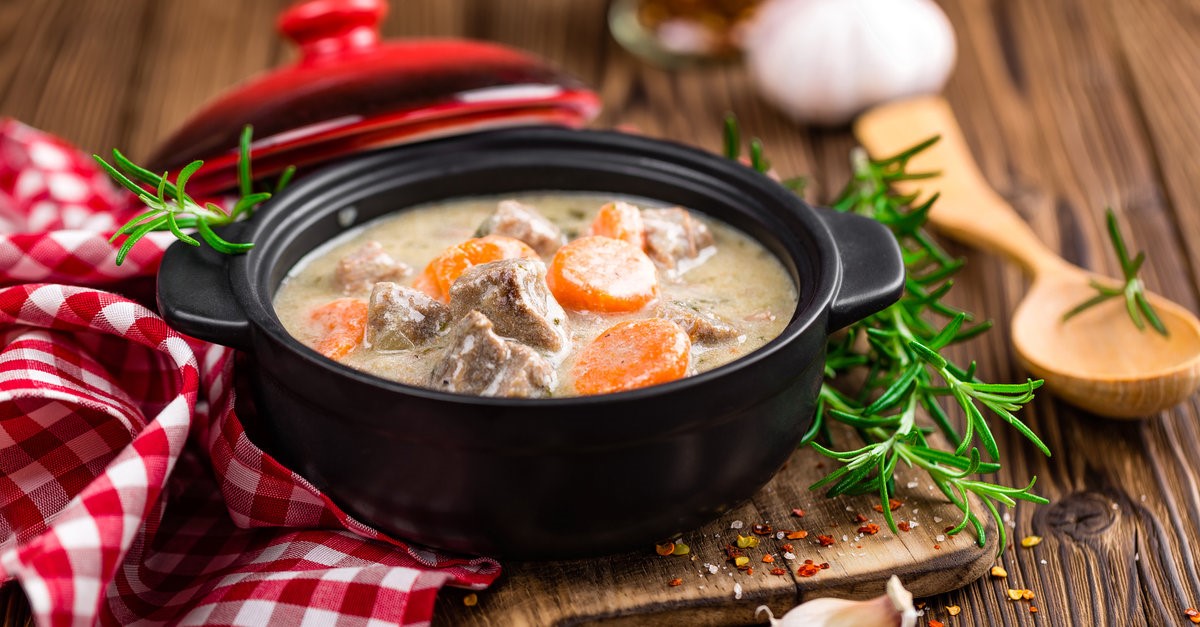







Meat is a source of nutrients for humans that we consume in countless ways. The quality of meat depends on the conditions under which the animal is kept and slaughtered. Cattle have meat rich in magnesium and protein and, depending on the way they are reared, we can distinguish between grass-fed and grain-fed cattle. Beef is more difficult for humans to digest because our bodies lack certain digestive enzymes. Therefore, beef is often matured in vacuum or dry curing. Marinating in a wet-oil marinade is recommended. These techniques help to make it easier to digest. From this point on, its physiological properties are very high, due to its high magnesium and protein content.
Beef story
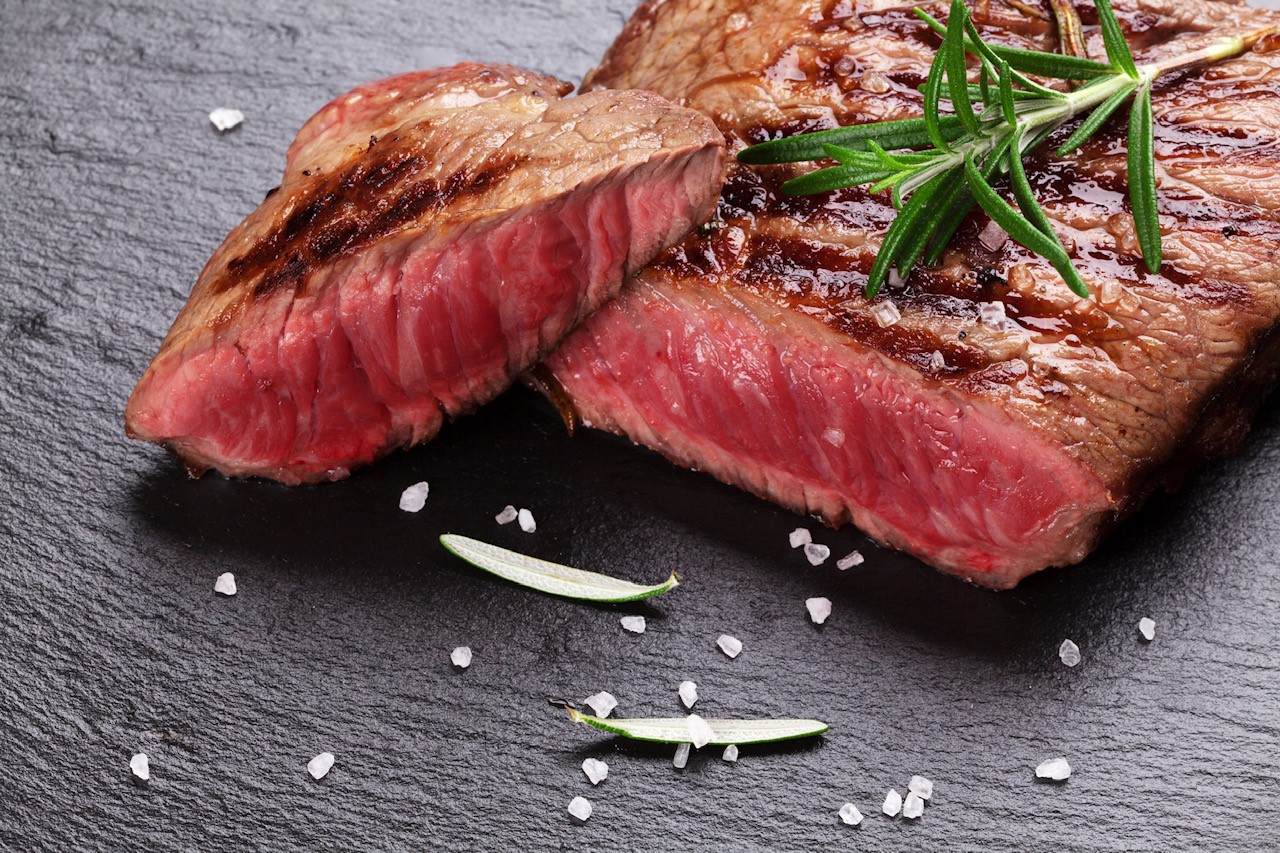
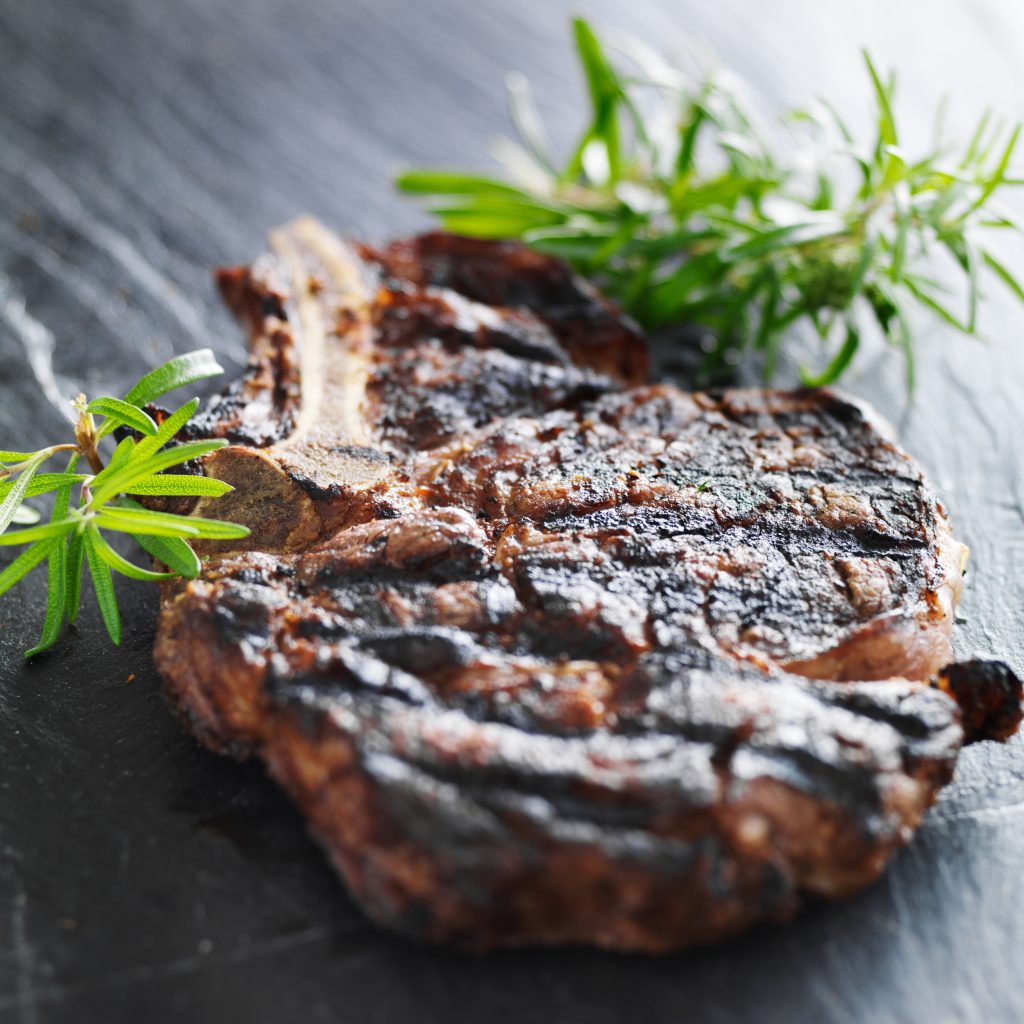
Humans initially hunted the cattle's ancestors and later domesticated them. Over the long years, many breeds of cattle have been bred specifically for the quality or quantity of meat. As a result, beef is the third most widely consumed in the world, ahead only of pork and poultry. Fresh beef is dark red in colour and has a characteristic lactic but not unpleasant smell. Beef is dry to the touch, has an elastic texture and a marbled cross-section.Beef contains protein, magnesium, iron and vitamin B12.
Raw meat spoils easily in the air. Therefore, various preservation methods have been used in the past to avoid deterioration. In the early days, it was stored in so-called ice packs or preserved by smoking, drying or salting. Today, refrigeration technology has solved this problem, so that we can freeze cuts of meat in the home or in retailers and factories without any deterioration in quality. With the advent of vacuum packaging, beef storage has become even more perfect, and we now have access to all the world's speciality meats in the MATUSZ -Vad a wide range of quality.
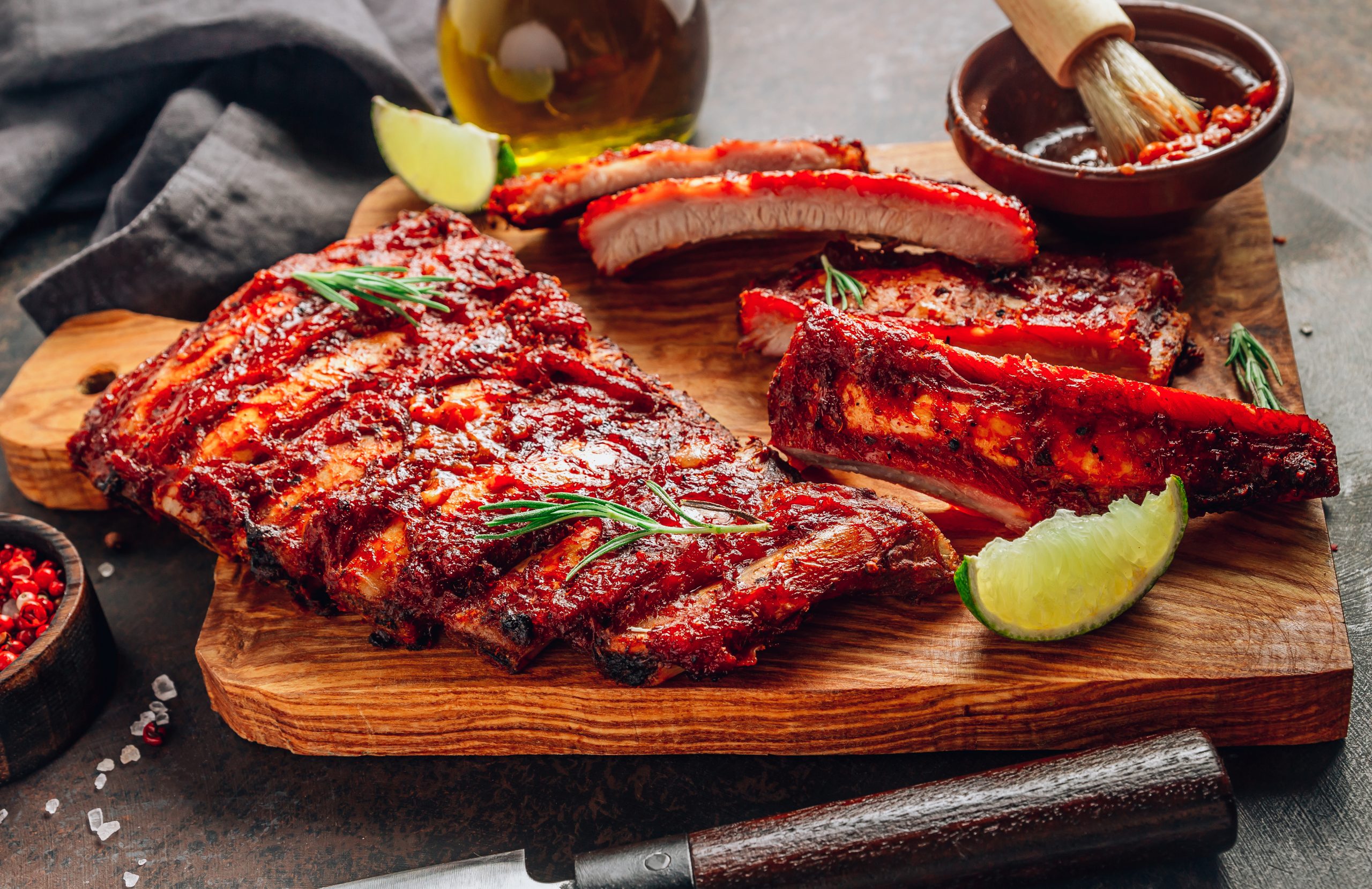
Photo by Envatoelements
Names of beef
It is distinguished and named on the basis of its constituent parts. Such as the muzzle (muzzle), head, neck or tarja, belly, back of brisket, front of brisket, shoulder blade, legs, shank, tail, rump, pointed rump, black rump, white rump, walnut or rounded rump, high back (barbel), flat back, kidney rump (intestine). The different parts can be used to make different dishes, with the most commonly used being the tarja.
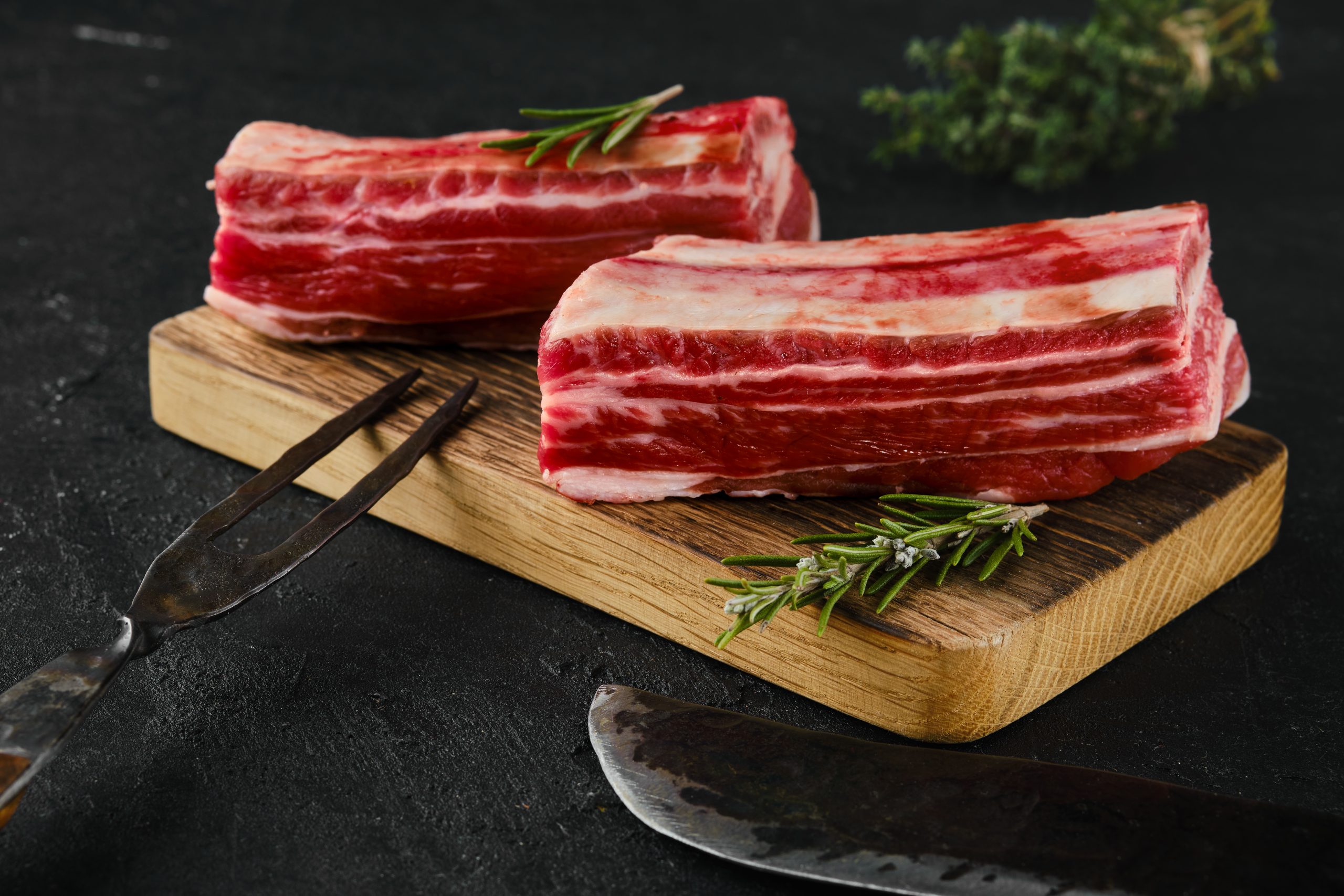
Photo by Envatoelements
What to cook with tray?
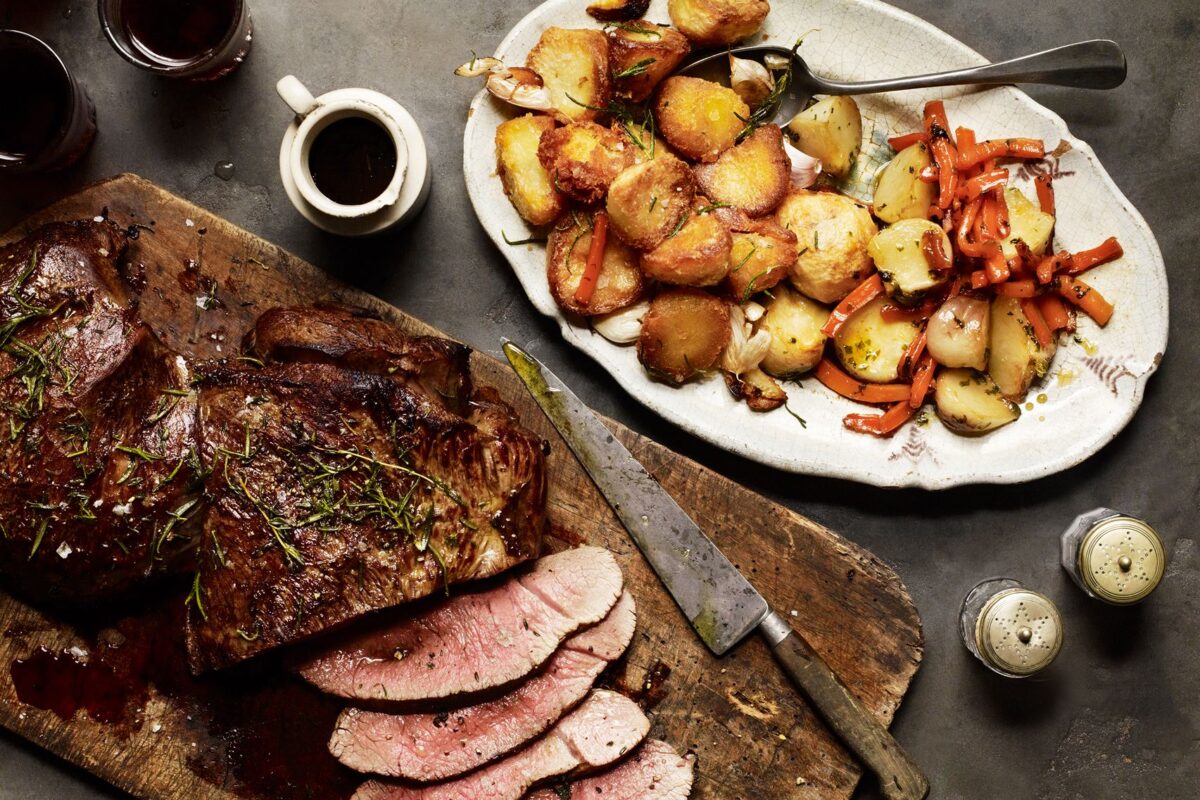
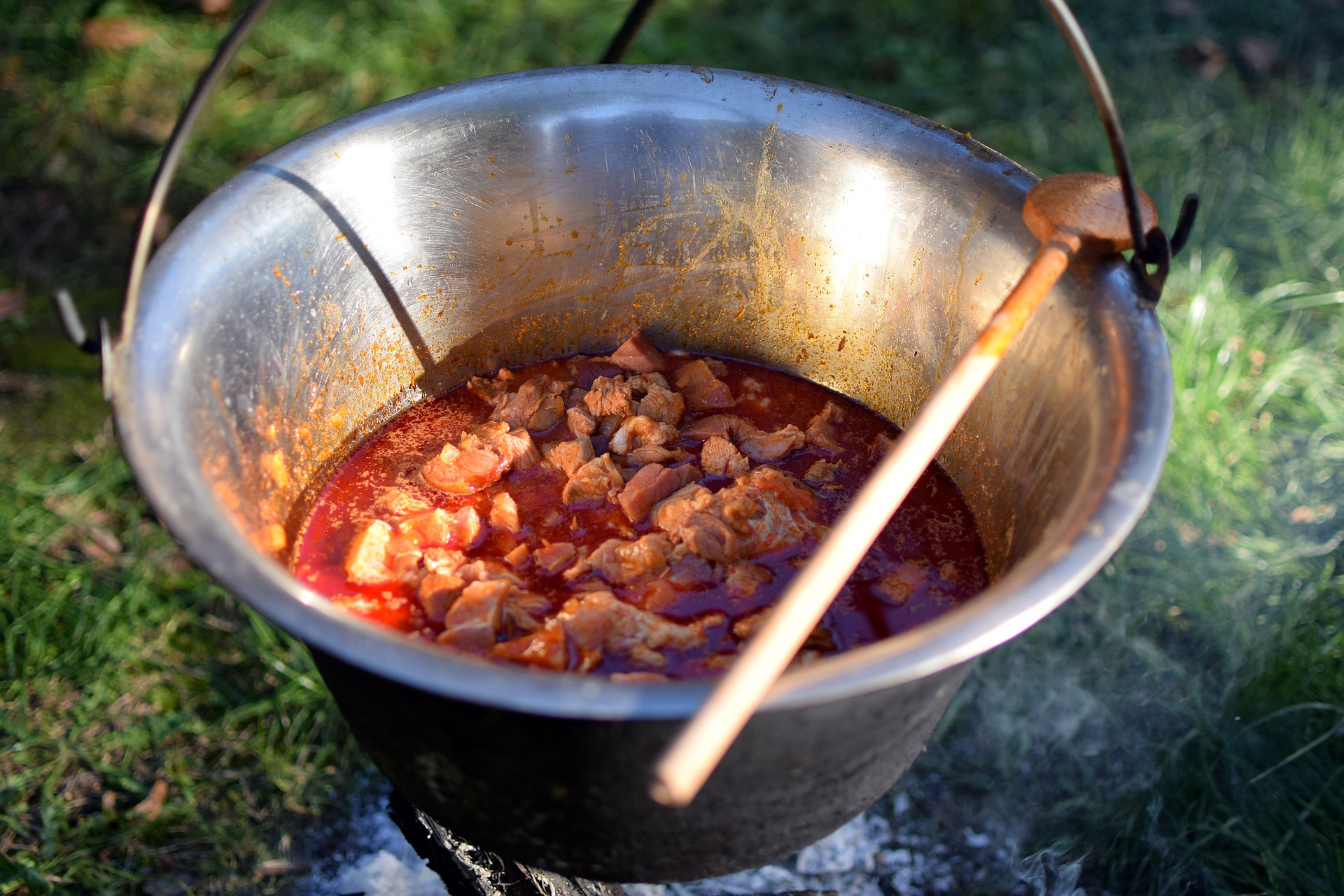
One of its main uses is in small meat dishes. It is fantastic for goulash, stews and sturgeon. As it is a really tender meat, it is great for making soups, roasting whole or even in a smoker. Suitable as a good hearty Hungarian food Many people swear that tarja is the best tasting dish when it is cooked in the oven, and there are plenty of recipes for it.
Tepsis tarja is a dish that every meat lover craves. The best thing about it is that it's easy to make, because the oven does the work for you. The garnish and meat at your leisure you can bake them together and all you need is a real homemade pickle. Grilled tarja can give you a very pleasant taste. It is best to let it rest in a moist oil marinade for 1-2 days before cooking.
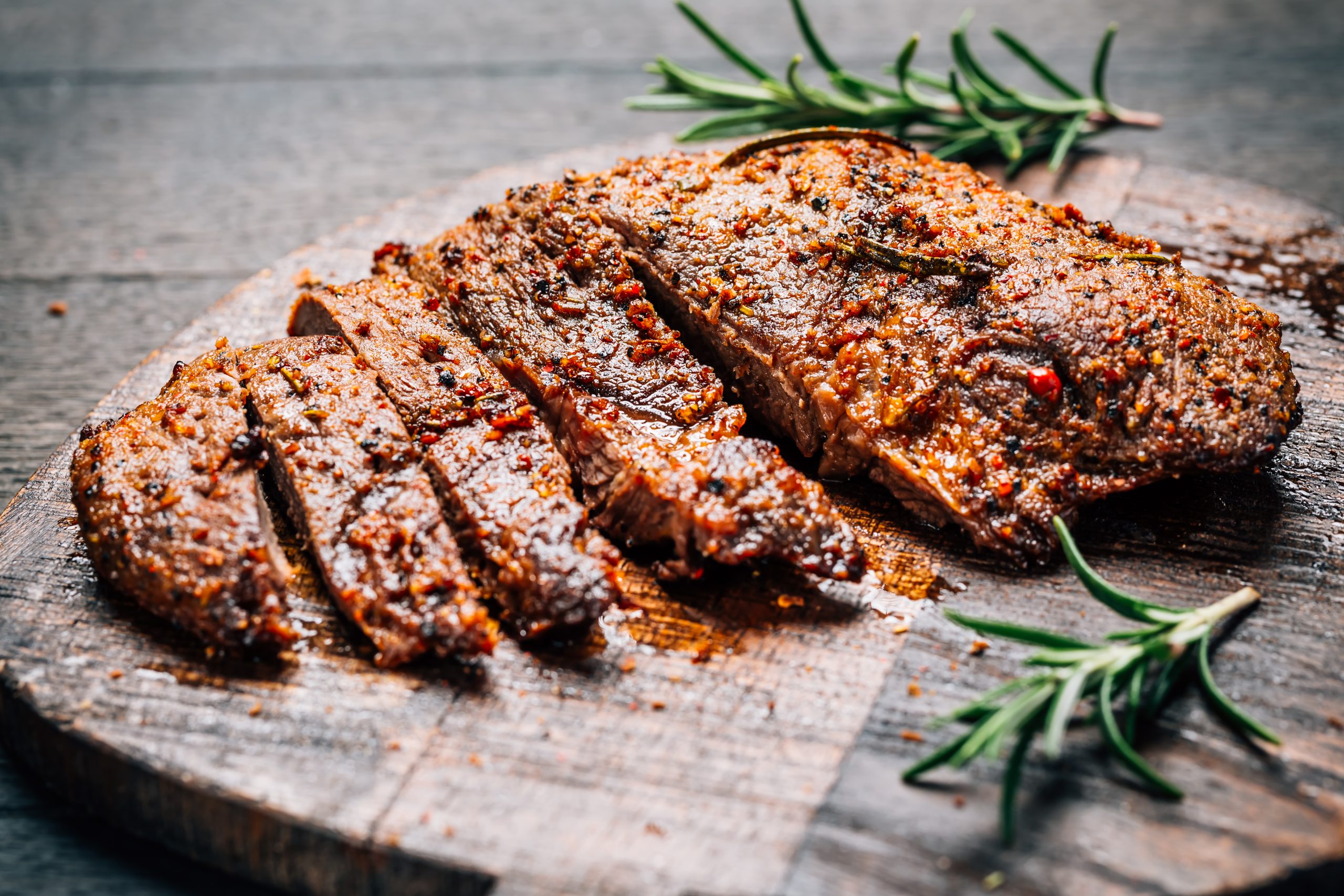
Photo by Envatoelements
Marinating is good for the tray
There's no question that marinating even the most tender cuts of meat makes them even tastier and softer. Depending on the thickness of the cuts of meat, the marinating time may vary. For thicker cuts, you may want to keep them in the marinade for a night or two and remove them from the marinade just before frying. More pungent spices go well with the tenderloin, feel free to use cumin, and it is very fond of mustard seeds, rosemary and thyme. Garlic, ground black pepper and paprika are also perfect. Avoid using salt as it can easily dry out the meat, preferably just before or after frying.
https://shop.matusz-vad.hu/hu/search?search=tarja