






Professionals don't know everything, let alone amateur cooks. Rice offers almost endless possibilities in gastronomy. As one of the oldest staples of the human diet, rice has been an integral part of what we eat for centuries and is now consumed by billions of people around the world.
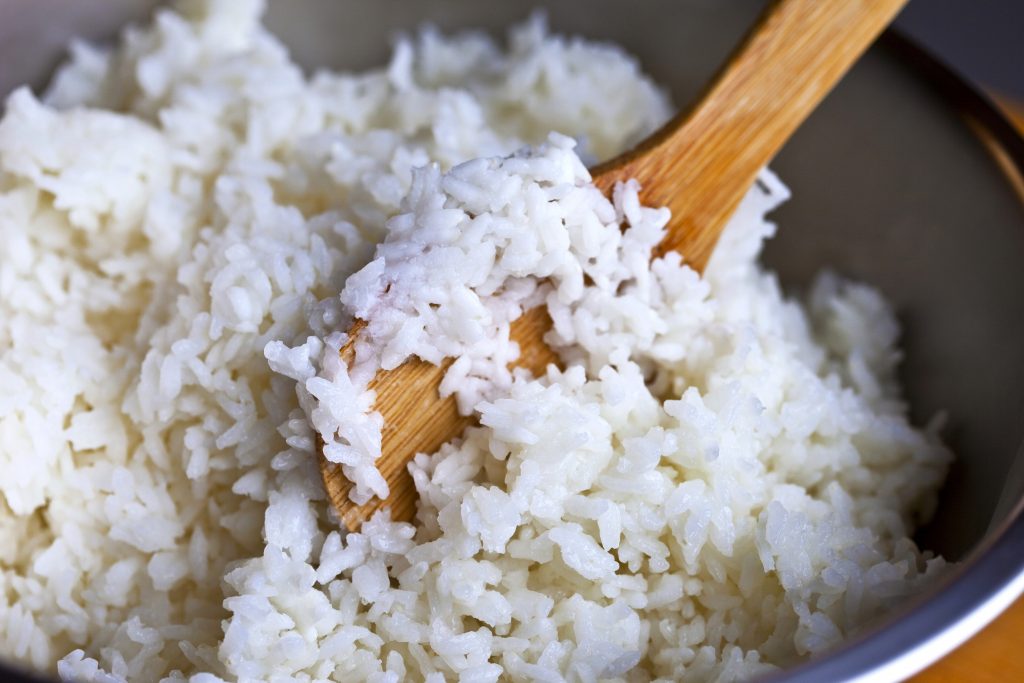
Rice as an eternal staple
The rich and fascinating history of this versatile grain includes genetic mutations, illegal smuggling and even its use as a building material. Each type of rice requires a different approach, making it a challenge to achieve the perfect texture and flavour. No matter how experienced a chef you are, there is always something new to learn about this basic raw material.
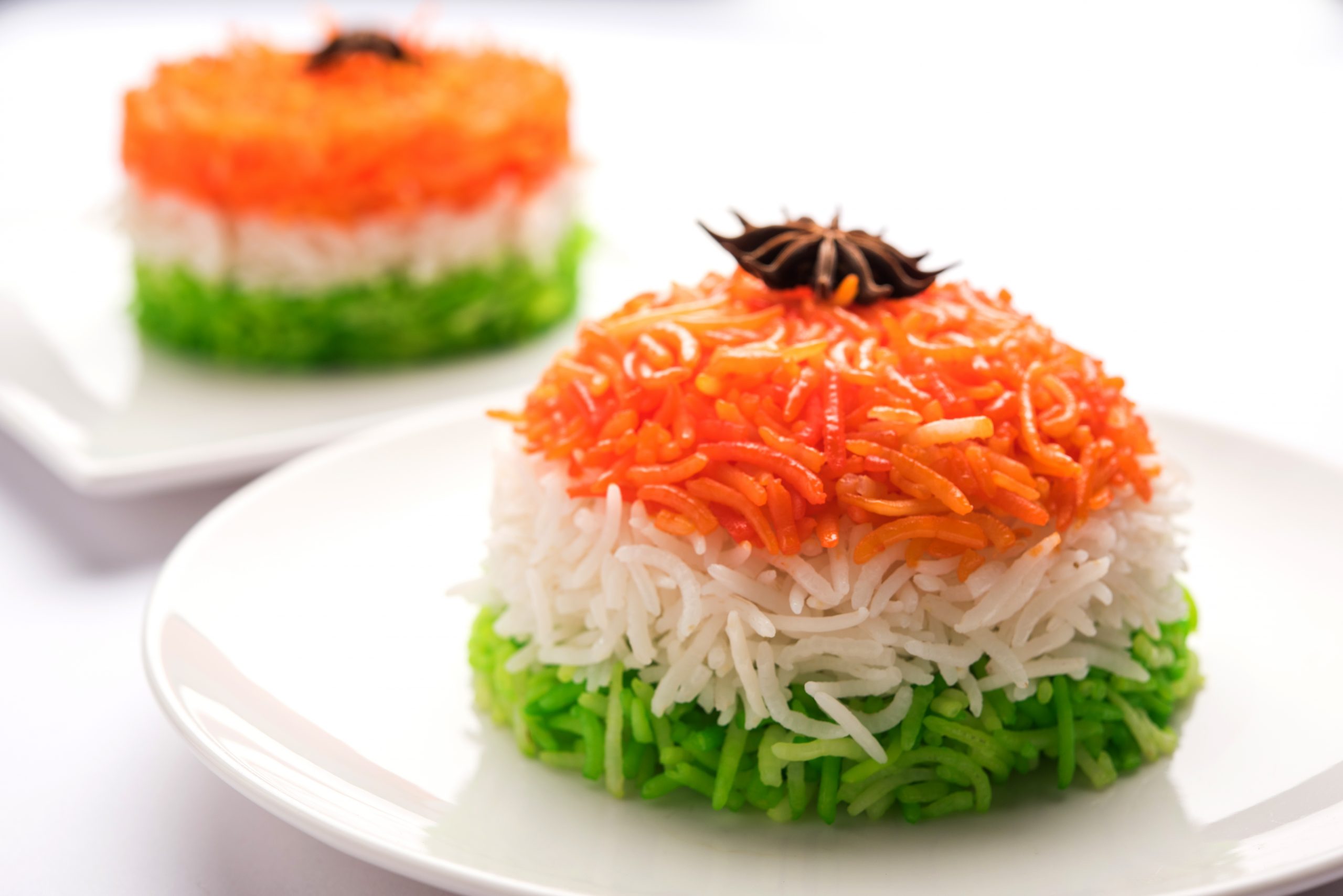
Photo by Envato elements
Shocking data on rice
One of the most popular foods in the world. There are more than 120 000 known varieties, but some are more common than others. There's the short-grained, spherical and starchy arborio rice famous for its Italian risotto, the sweet Thai sticky rice, the Japanese sushi rice reserved for the eponymous dish, and the Asian widespread in kitchens, phytonutrient-rich red and black varieties. The most popular are indica, which includes the lower starch, long grain varieties, jasmine and basmati. The aromatic basmati rice is almost always used in in Indian food, while the jasmine rice popular worldwide because it cooks quickly and has a light texture. It's amazing that China has also taken the lead in space agriculture with rice. It was successfully grown aboard China's Tiangong-2 spacecraft. After years of experimentation, rice was finally grown in 2022 in a controlled environment, potentially providing a food source for future space missions.
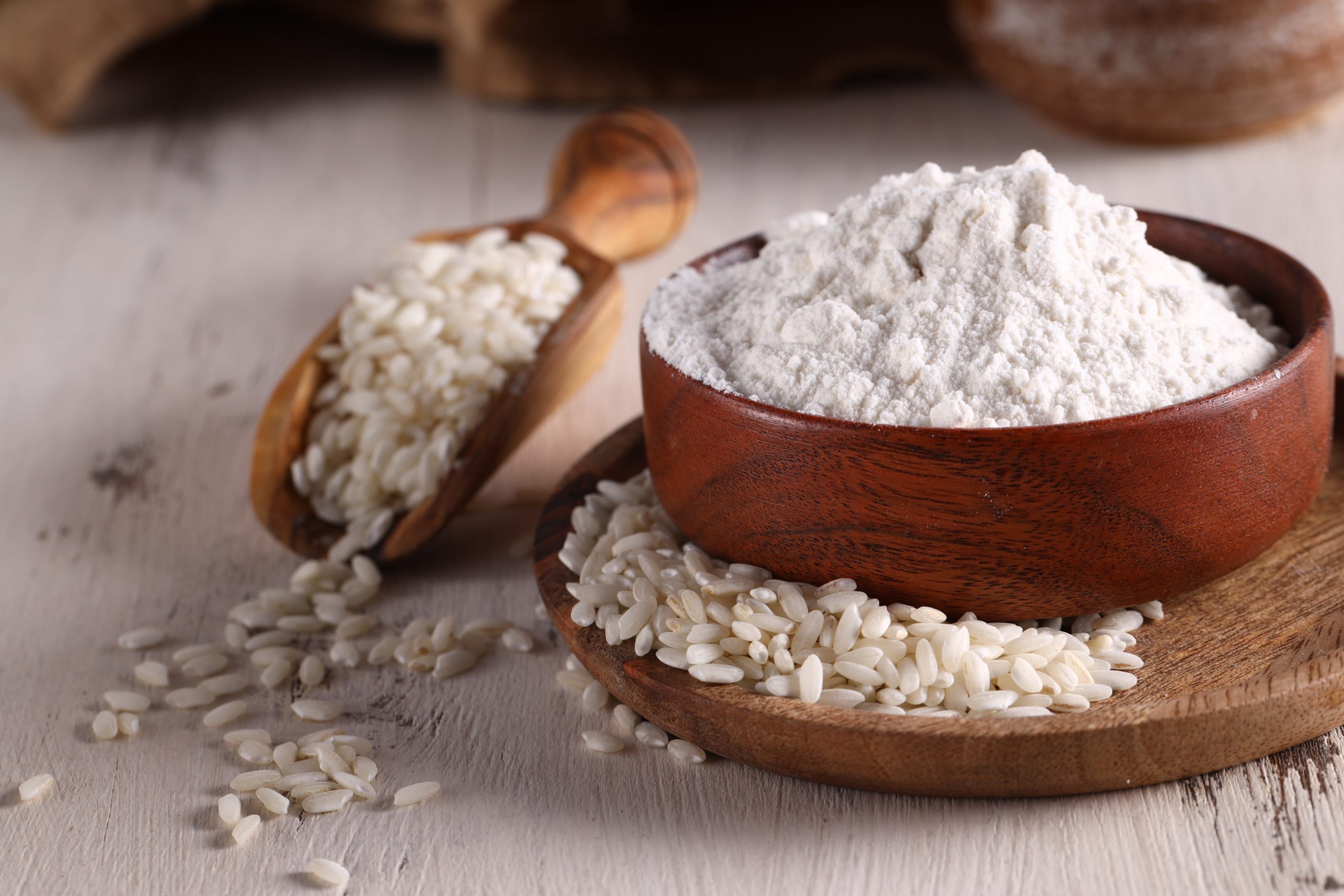
Photo by Envato elements
The Great Wall of China was also built with rice
It is not surprising that most of the world's rice production comes from China. No wonder, it is an ancient building material. One of its most famous historical landmarks, the Great Wall of China, was built from an unlikely material - rice! During the reign of the Ming Dynasty (1368-1644), the abundant and cheap slimy rice flour was mixed with lime and water to make the first composite mortar. Its high starch content helped to harden the mortar and made it more resistant to erosion. This combination of rice and lime was also used to waterproof the wall.
Brown, white or enriched rice
The nutritional value and cooking process is different. The reason why white rice and brown rice should not be cooked in the same way has to do with the way the grains are processed. A white rice starchy, while brown rice is considered a whole grain, with the outer bran and germ layers intact. This explains the nutritional difference between the two. Brown rice contains more fibre, vitamins and minerals, but takes longer to cook and requires more water. Fortified rice falls somewhere in between.
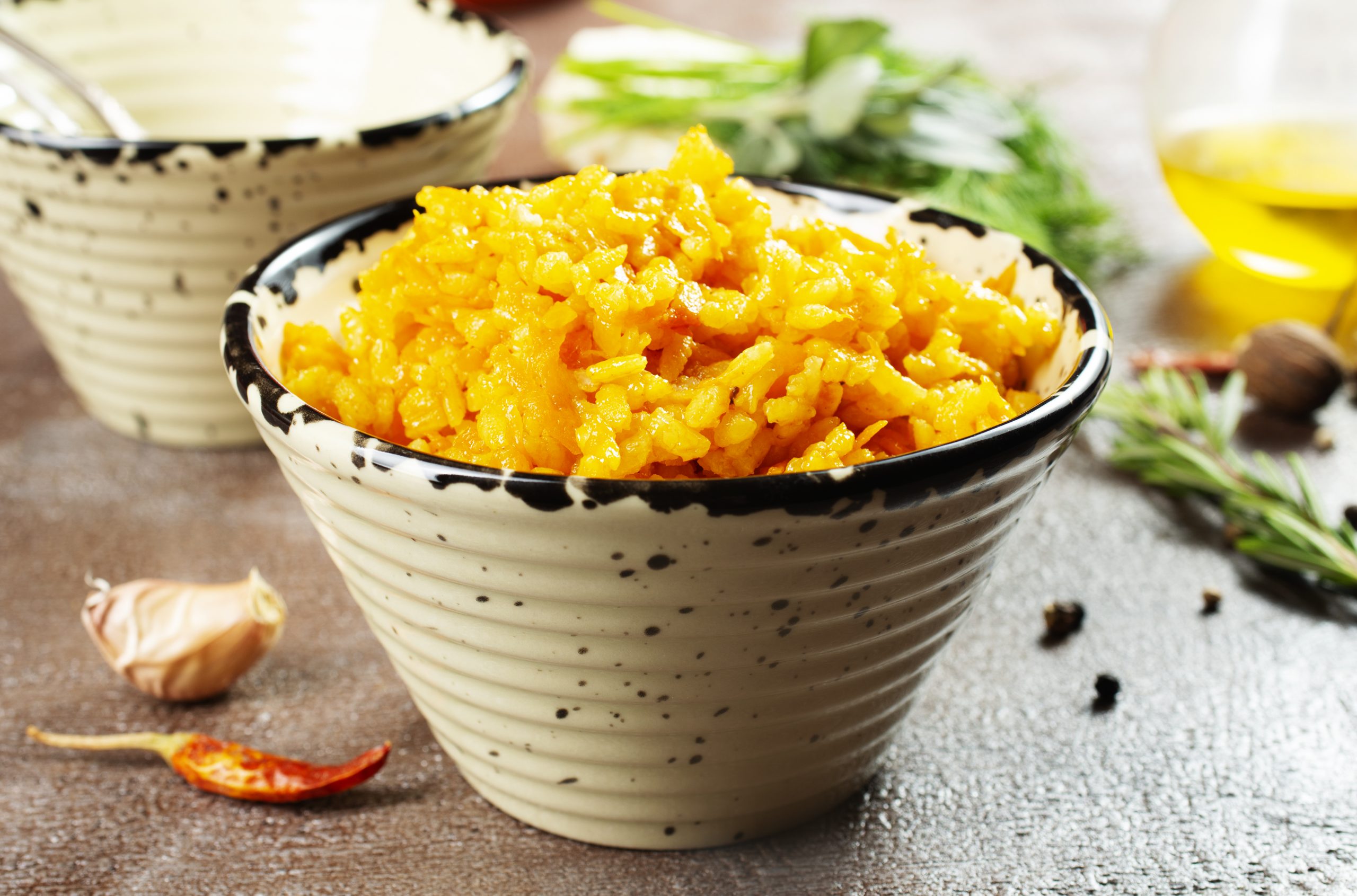
Photo by Envato elements
Sticky rice is the result of a genetic mutation
Glutinous rice, also known as sticky rice, is a unique type of rice. It was born with a genetic mutation that resulted in the absence of amylose. This starch is found in most other rice varieties. But without amylose, the rice grains can absorb more water. This results in a sticky and glutinous texture when cooked. Glutinous rice is a staple ingredient in many Asian cuisines, ideal for steaming, boiling and frying.
How to store it?
Shelf life and freshness are very important if you want to make quality food from it. It is a great advantage to store it in a dry, airtight container in a cool, dark place such as a fridge or freezer. This will keep it fresh for a few months to a few years, depending on the variety. Cooked rice will keep for four to six days in an airtight container in the fridge without deterioration.
Choosing the right rice is essential
Different dishes require different types of rice. For example, you should never use long grain rice in risotto because it will not absorb flavours and will not be creamy enough. This is why risotto and traditional paella are always made with short grain rice.
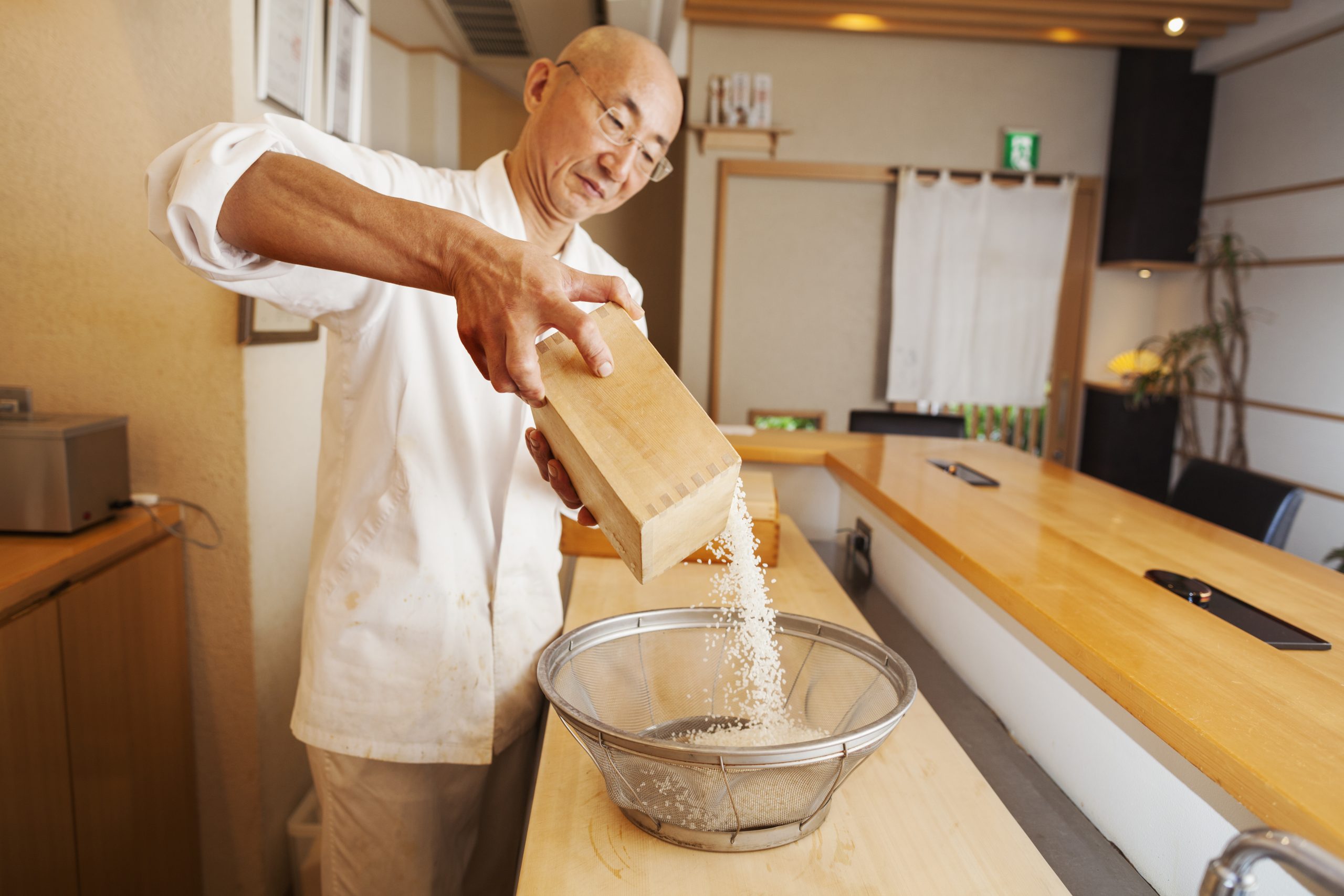
Photo by Envato elements
What must never be forgotten
Rinsing the rice before cooking can be omitted, but is not recommended. Especially for basmati, jasmine and sushi rice. In addition to removing any impurities, dust or debris that may be present on the rice, rinsing can have a positive effect on the texture and flavour of cooked rice. It helps remove excess starch. It is important to know that adding fat, butter or any other fat to rice is a simple and effective way to improve its taste and texture. On the other hand, it coats the grains and prevents them from sticking together, so that you can achieve the right consistency. When oil is added to rice, it does not contain cholesterol, making it a healthier alternative.
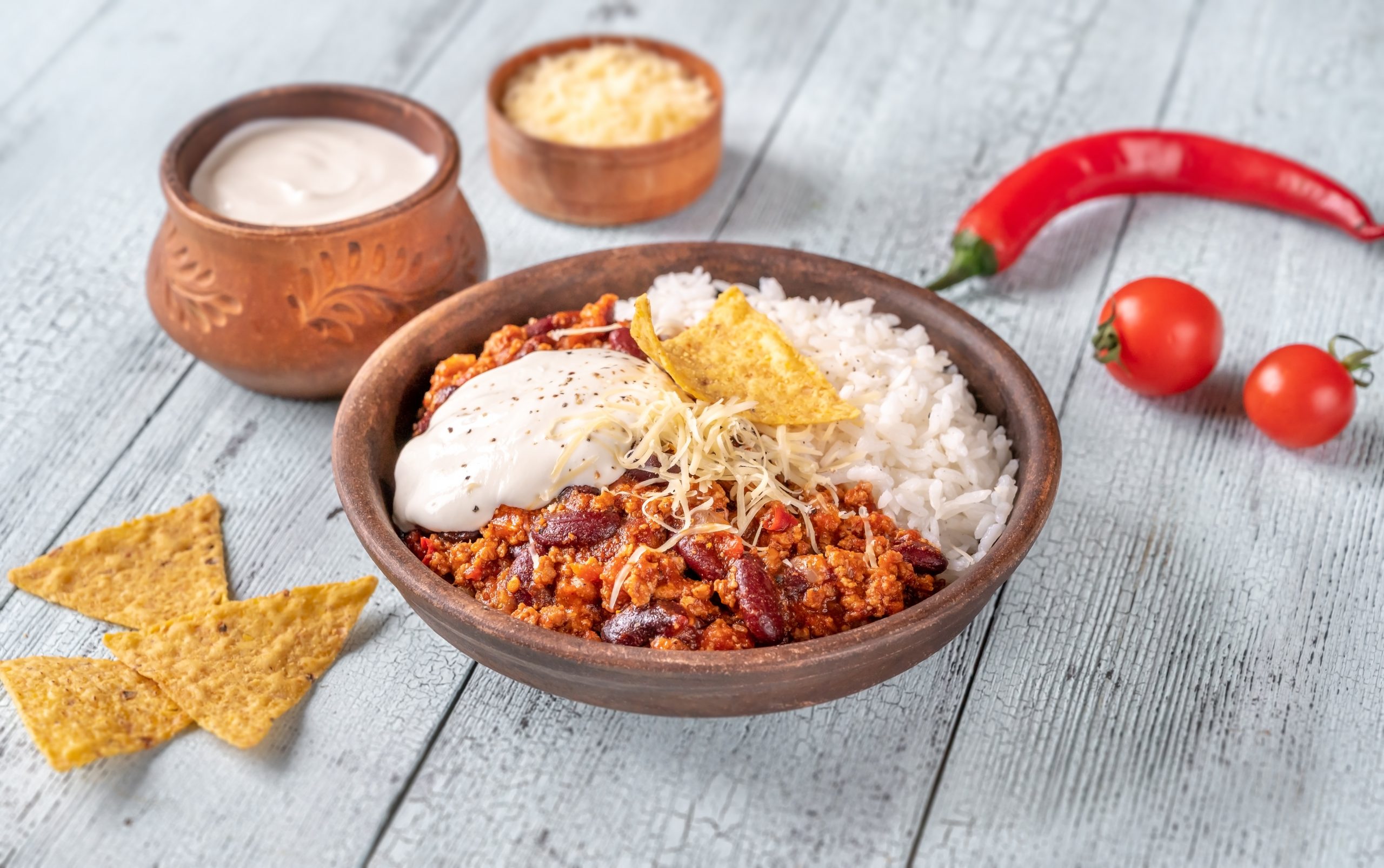
Photo by Envato elements
Extra flavours can be created
The simplest solution is not to use water for cooking. You can make your rice more exciting by using a different liquid, for example cooking it in broth. Another surprising ingredient is orange juice, which gives the rice a yellowish hue and a mild, sweet, tangy flavour. This method is particularly good for curries, salads or fries where a mild flavour is needed. If you haven't tried it, cook the rice in coconut milk. It is particularly useful for making rice pudding. The milk and sugar make a creamy, rich base for the pudding, and you can add more flavourings to taste.
It can be flavoured with pickled brine, salt, sugar and vinegar. If you have leftover pickles in the kitchen, their juice is perfect. They provide a rich flavour with a sour taste that complements different types of rice. The pickle juice can be stirred in just before serving or added to the cooking water. The amount of pickle juice is a matter of taste, of course, but about 2-3 tablespoons for each cup of cooked rice is sufficient.
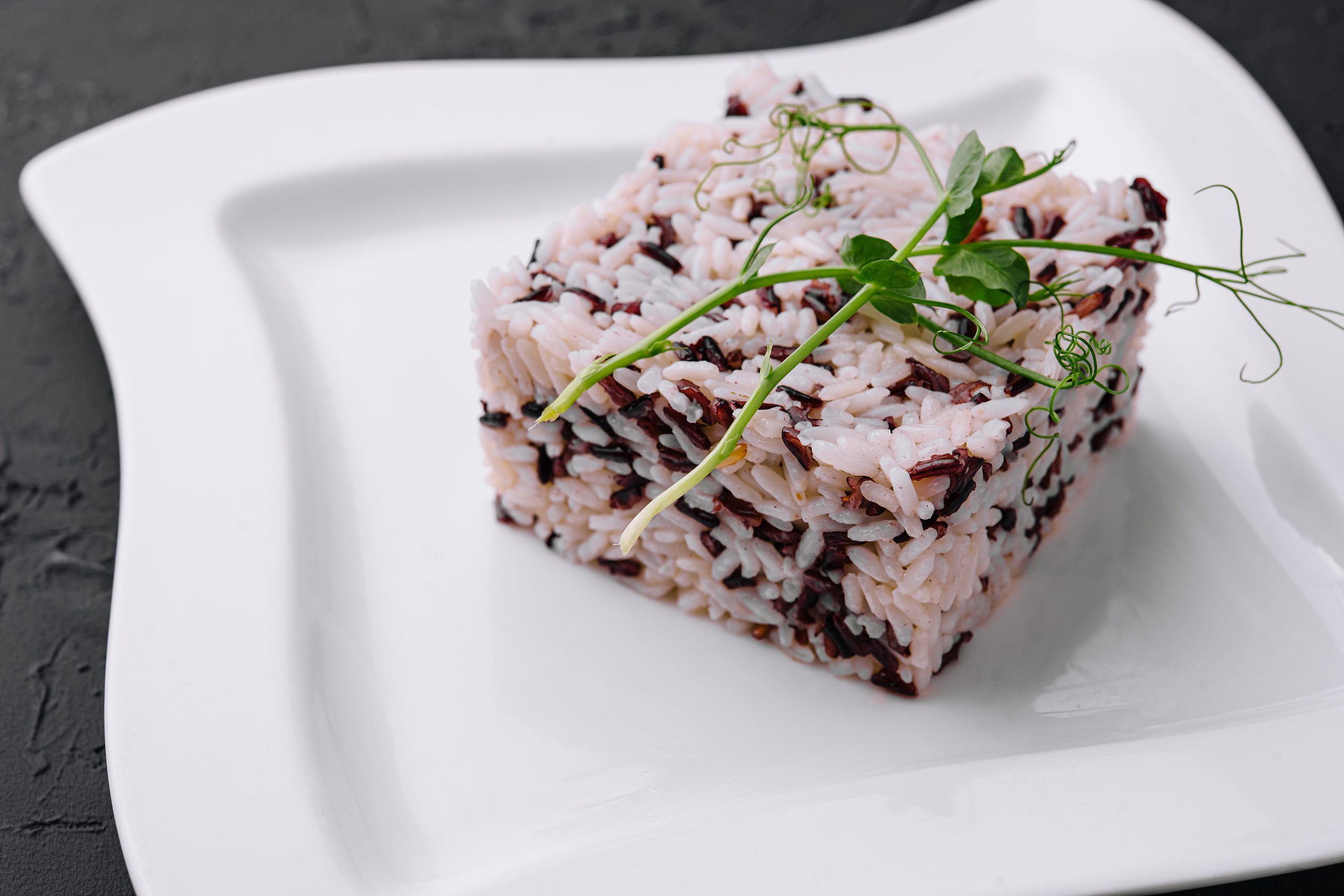
Photo by Envato elements
An ice cube can come in handy when heating rice
When the leftover rice is reheated, the dried texture can be transformed. All you need is an ice cube. It simply needs to be rehydrated when reheated. If you use a microwave, the rice will re-cook and turn into a full, soft texture.
Source : https://www.tastingtable.com/1198915/everything-you-need-to-know-about-rice/