





It is only in the last decade or two that wild onions have become a big hit in gastronomy. Many of you may have wondered if the praise of this early spring seasonal favourite is just another piece of gastronomic hype, and in another ten years everyone will be gushing over it.
This year, the bear grass season came early because of the mild February. In recent years, we have become accustomed to seeing the news pages filled with warnings about how not to mix up the wild onion with a lily of the valley deceptively similar to it. And the food magazines are full of recipes for wild onion these weeks, which is no wonder, since it's the first fresh crop of the year.
Foreging, or hoarding
There are few more important, valid (and fashionable) trends in gastronomy than natural, organic food, hiking and foraging. Plastics and convenience solutions have infested the kitchen throughout the 20th century. Today, however, gastronomy's most committed players are returning to pure, natural ingredients and cooking techniques.
Just think of the growing number of restaurants with their own vegetable gardens, home-grown food or the rise of natural wines. Noma, considered the best restaurant in the world, specialises in presenting ingredients from the purest possible sources. The 3 Michelin-starred restaurant in Copenhagen is the perfect place to sample the whole of the region's wild mapping the fauna and flora of the area, they present menus of locally available natural treasures.
The best chefs are leading the way at home
But you don't have to go all the way to Denmark to enjoy the work of progressive chefs. They roam the woods and fields with members of their restaurant team, and process their foraged produce into their dishes. The Hungarian Michelin-starred restaurant, the Chef SALT, Szilárd Tóth has been a prominent representative of the trend for years, as has Richárd Farkas at Pajtta in Mariszentpéter (who recently left the restaurant, but Pajta became a cult farm-to-table restaurant under his leadership).
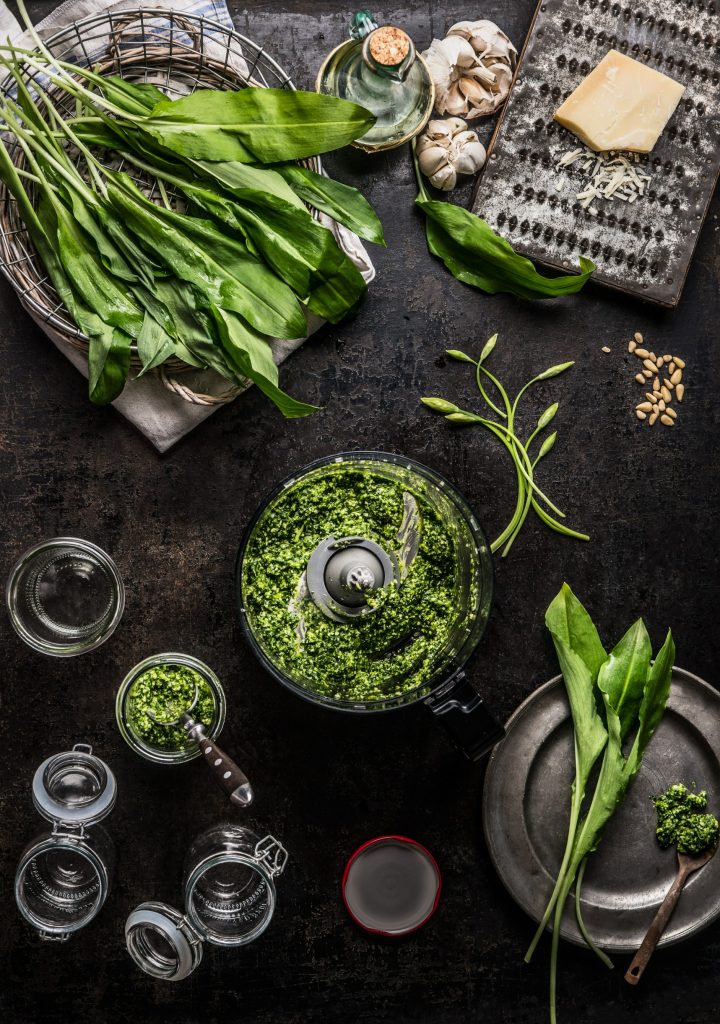
In these restaurants, the team ferments, pickles, smokes, dries and preserves fresh produce or cold cuts in all kinds of natural ways. They do this strictly without preservatives, drawing on centuries-old culinary traditions and long-forgotten herbs such as bear's garlic.
Localism is the keyword
It's becoming less fashionable to eat fruit out of season, transported thousands of kilometres and with a huge environmental impact. With this comes an increased interest and demand for locally grown crops and locally kept animals. It is logical that the changing demands should attract so much attention to the first spring shoots, as winter slowly fades away.
At this time of year, last year's crusted kohlrabi and the apples, potatoes and onions that have been waiting in the crate for months are the fresh vegetables and fruits. So it's understandable that the first fresh, seasonal vegetable to be picked each year, the bear's onion, is such a cult favourite.
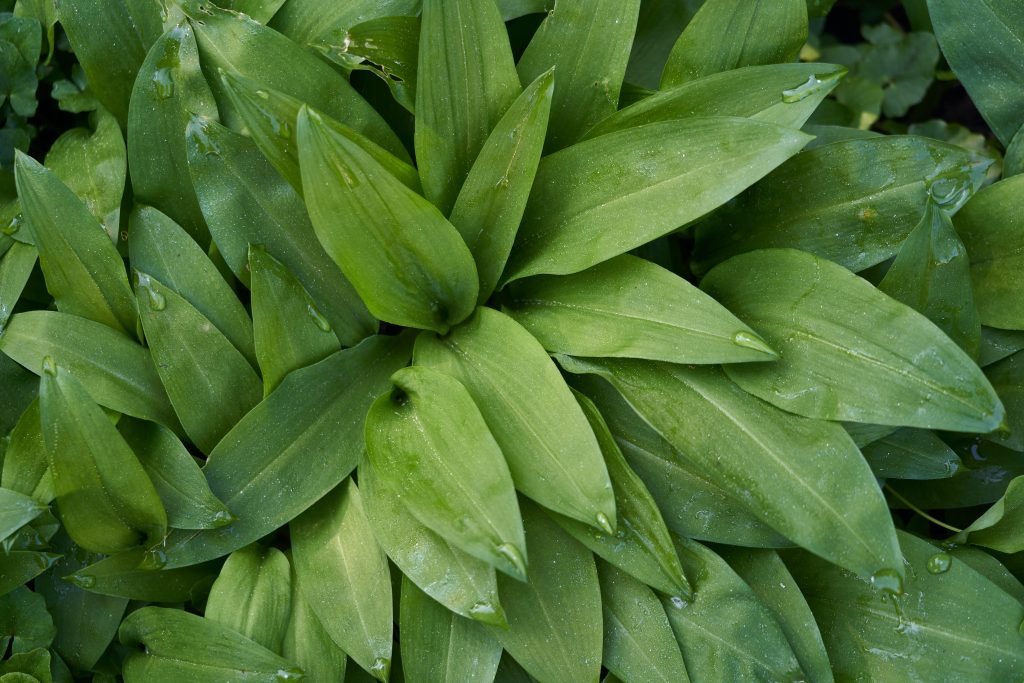
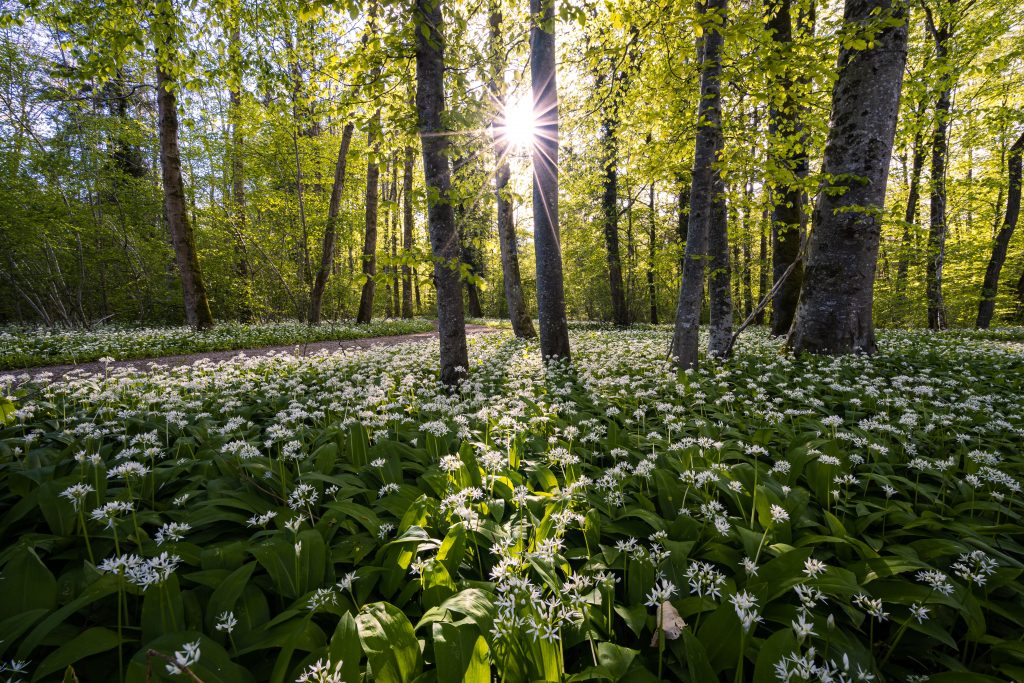
So, bear's onion represents everything that progressive gastronomy is all about. It is organic, natural, because it is not sprayed or exposed to chemicals. Local, because we don't have to transport it from the continent or the other side of the world - our forests are rich in wild onions.
Seasonal, in fact the very first fresh harvest of the eagerly awaited spring season. Hence the name, because the brown bears, waking from their winter sleep, plucked and ate bear's onions, the their enormous vitamin and mineral content because their nutrient-hungry bodies needed them. Just like us! It's a shame to miss out on the wild onion season.