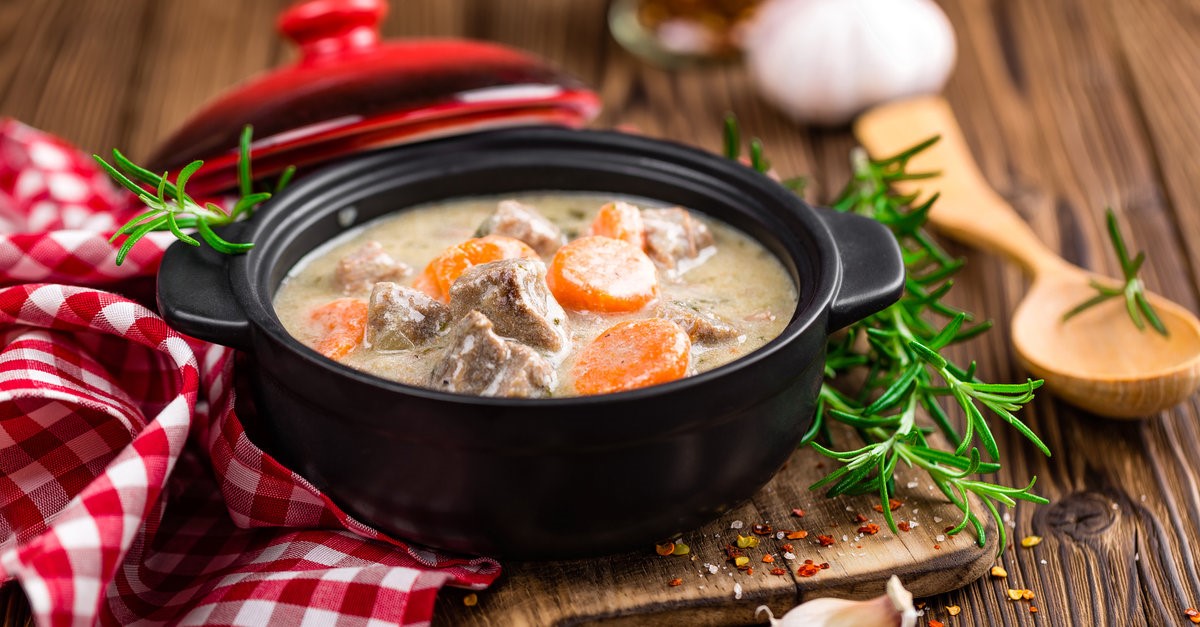






The paprika is the culinary pride of our country and a defining feature of our cuisine. Along with onions, it is the „secret” ingredient that makes our traditional dishes special for foreigners. It is safe to say that anyone who grew up on home cooking in Hungary loves the taste of paprika. If there is one thing in our country, apart from salt, that is an indispensable ingredient in a restaurant kitchen, it is paprika.
The history of peppers
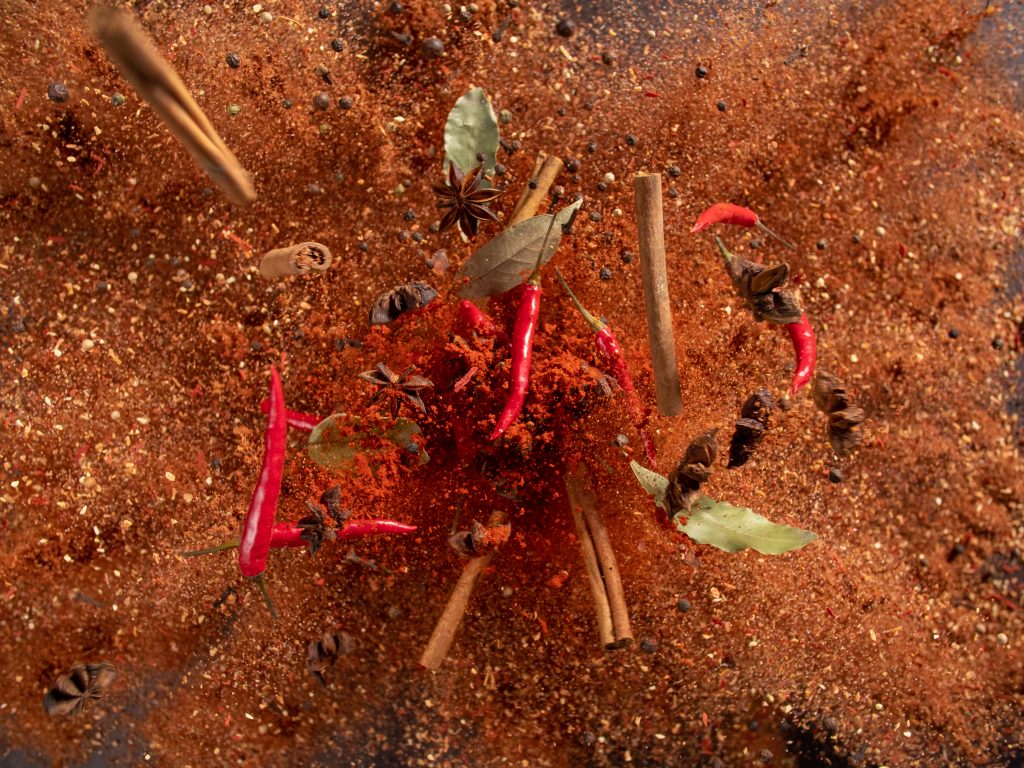
To get to the spicy paprika, we need to look back to the past. There are several hypotheses about its origins, some believe it was first cultivated in the Himalayas or Central America, others in India. There are findings in the Americas, in Inca tombs dating back 4,000 years, where traces have been found that suggest it was used during the Inca Empire. The first written mention of the plant comes from Columbus' ship doctor Chanca, who said that it was not only beautiful, but also useful in medicine. He mentions that the natives used paprika as a foodstuff, as a spice. In a twist of history and the Age of Discovery, because Columbus believed it to be in India, the plant was named Indian pepper. Nevertheless, as early as after Christ, the Emperor Nero's physician Dioscorides wrote in his notes about a plant similar to pepper.
The European and Asian names for peppers are quite different. It reminds me of the Greek-Latin word peperi-piper, which means pepper. The word, and with it the plant, originated in the Balkans during the Turkish occupation. It is certain that the pepper plant itself was found on several continents and in several forms, so that its spread could have been on several continents, as an important raw material.
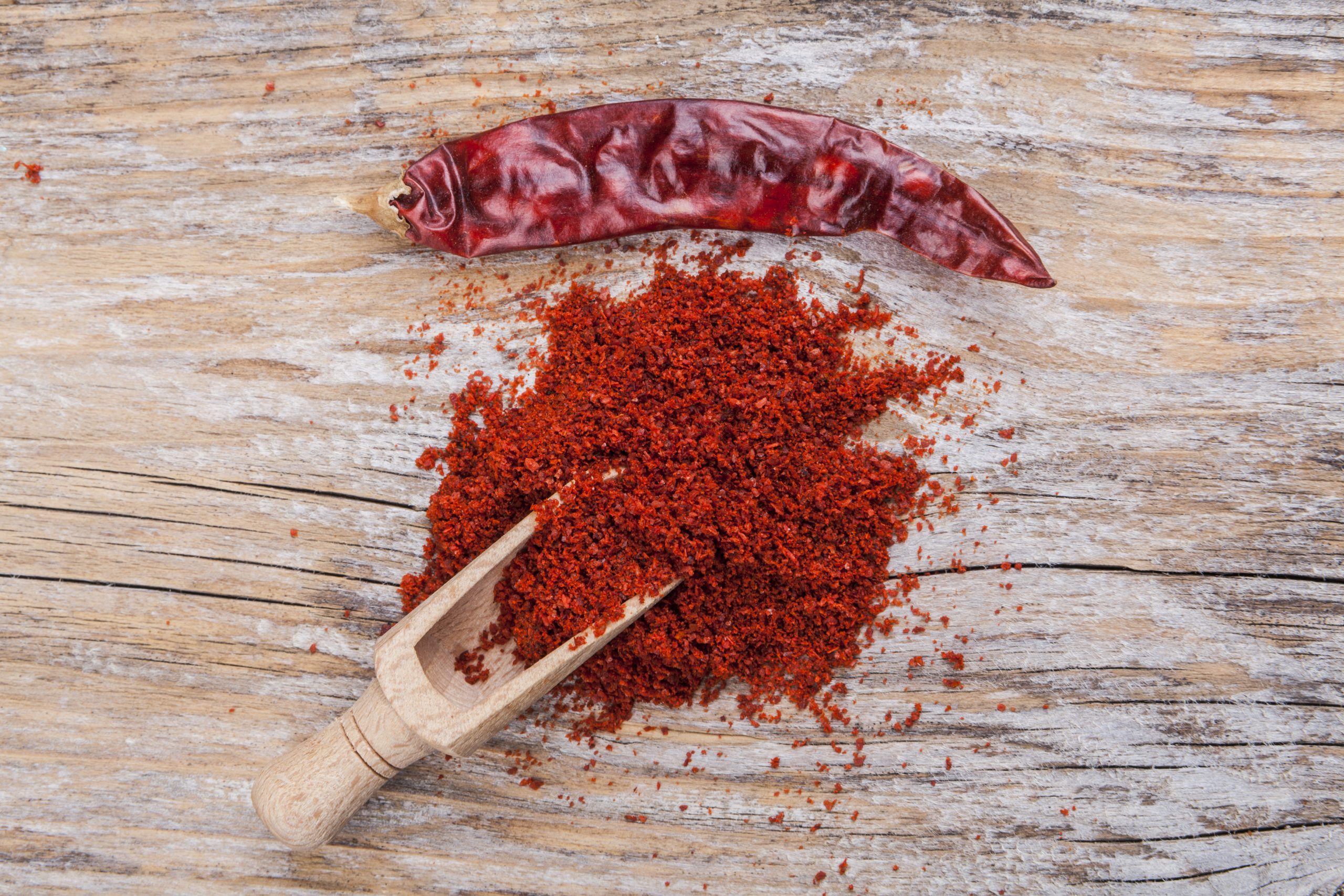
Photo by Envato elements
The spread of peppers
It certainly spread to Europe from Spain. It was first used as an ornamental plant and later as a medicinal plant. It is widespread in the south of France and England, but initially it was only used to beautify gardens, and only much later did it start to be used as a spice. In our country, paprika was already used as a medicinal plant by the end of the 18th century. Although it was also used as a seasoning, it was only used in peasant and shepherd's dishes. It was simple and easily available, so it was added to more and more dishes. By the end of the 19th century, it had become a popular a characteristic spice of Hungarian cuisine has grown.
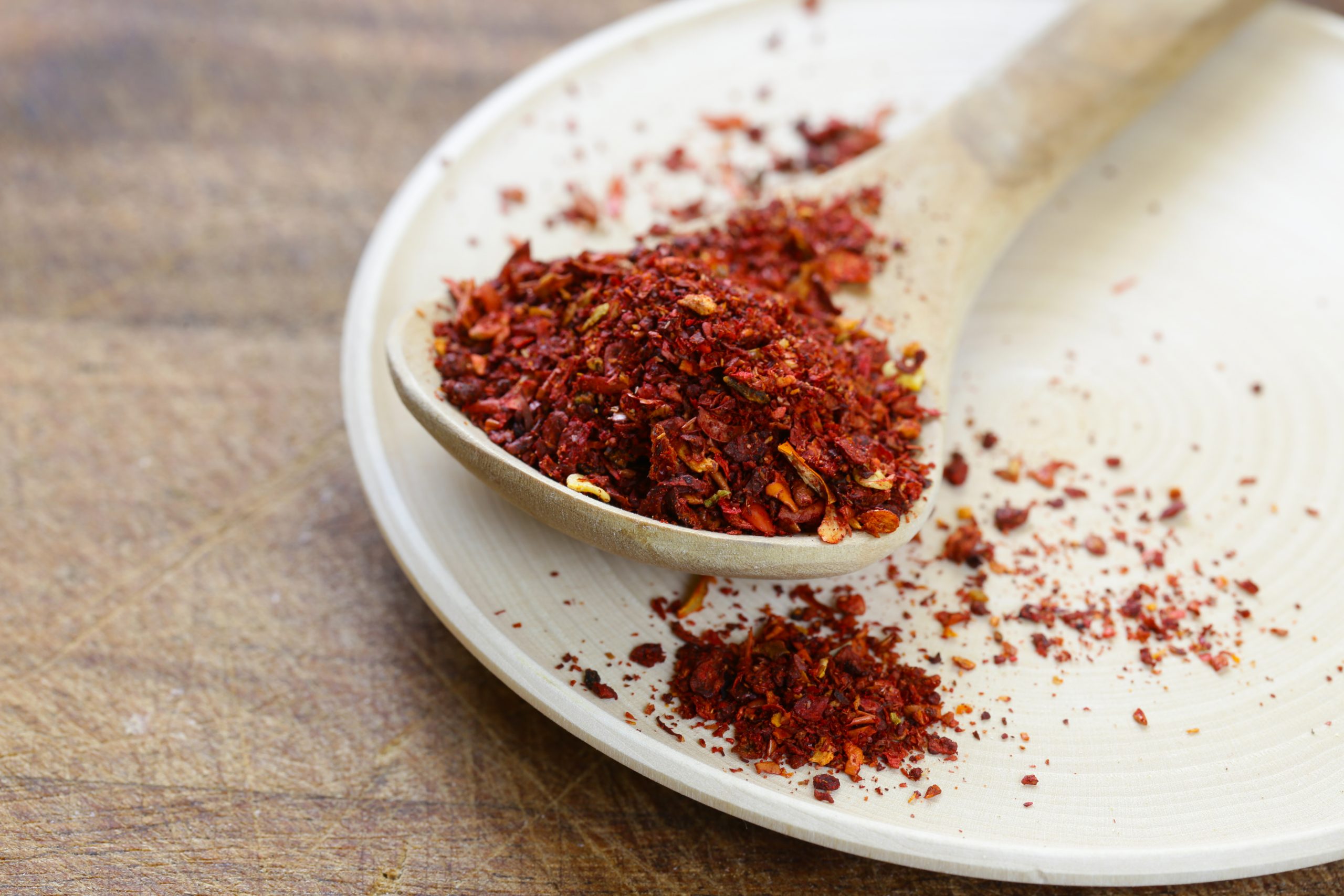
Photo by Envato elements
The spicy paprika
Commonplace peppers made from finely ground powder. A Hungarian gastronomy but is also used in many other countries. Kalocsa and Szeged paprika has become world famous. Initially ground in the water mills of the Southern Great Plain, the Pálfy brothers' steam mill was built in 1859, which further established its production in Hungary. The cultivation of paprika varieties from Hungarian breeding made the Szeged and Kalocsa varieties famous, and they became Hungarian Hungaricums.
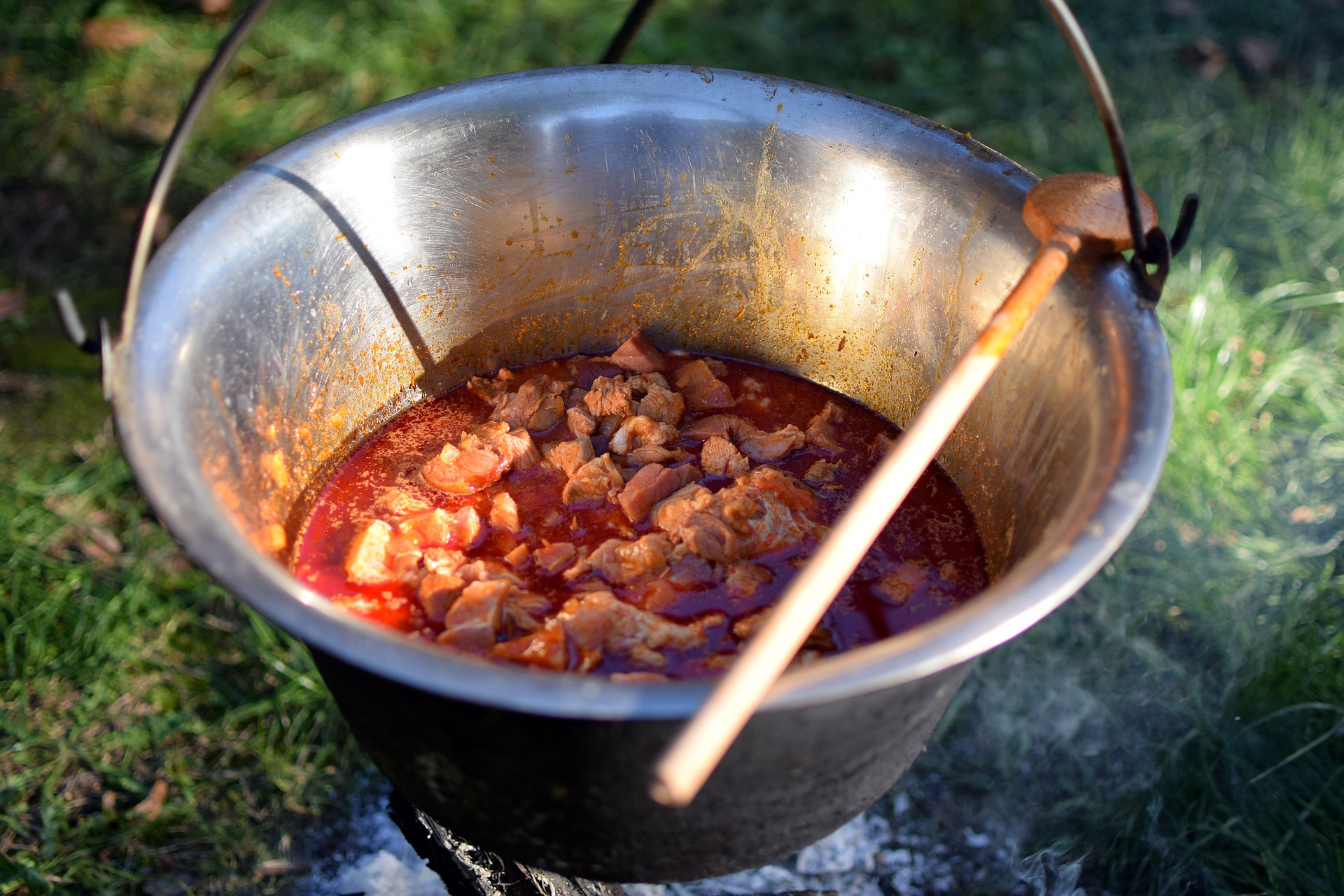
It is mostly used in dishes using fat. It is an important seasoning for roast meats, used in stews, soups and of course, the classic combination of fat, onion and red pepper makes it a perfect ingredient for Hungarian food, the basic ingredient of paprikashes, stews and goulashes. For foreigners, one of our most surprising foods is bread and butter. They find it hard to understand why we eat bread with fat, let alone sprinkle it with paprika.