






Most chefs are dedicated to making their food as outstanding as possible. Dishes that are based on familiar recipes almost always bring the right flavours. But after a while you want to make them more exciting. A good way to do this is to use a flavour injector.
What is a flavour injector
In many ways, this term is exactly what it sounds like. It is a tool to inject flavour into food before cooking. While it may not sound complicated, in reality it's not so simple. First of all, you need the right flavour and texture to achieve the desired effect, as well as a very specific device and the right technique. Fortunately, both are easy to obtain.
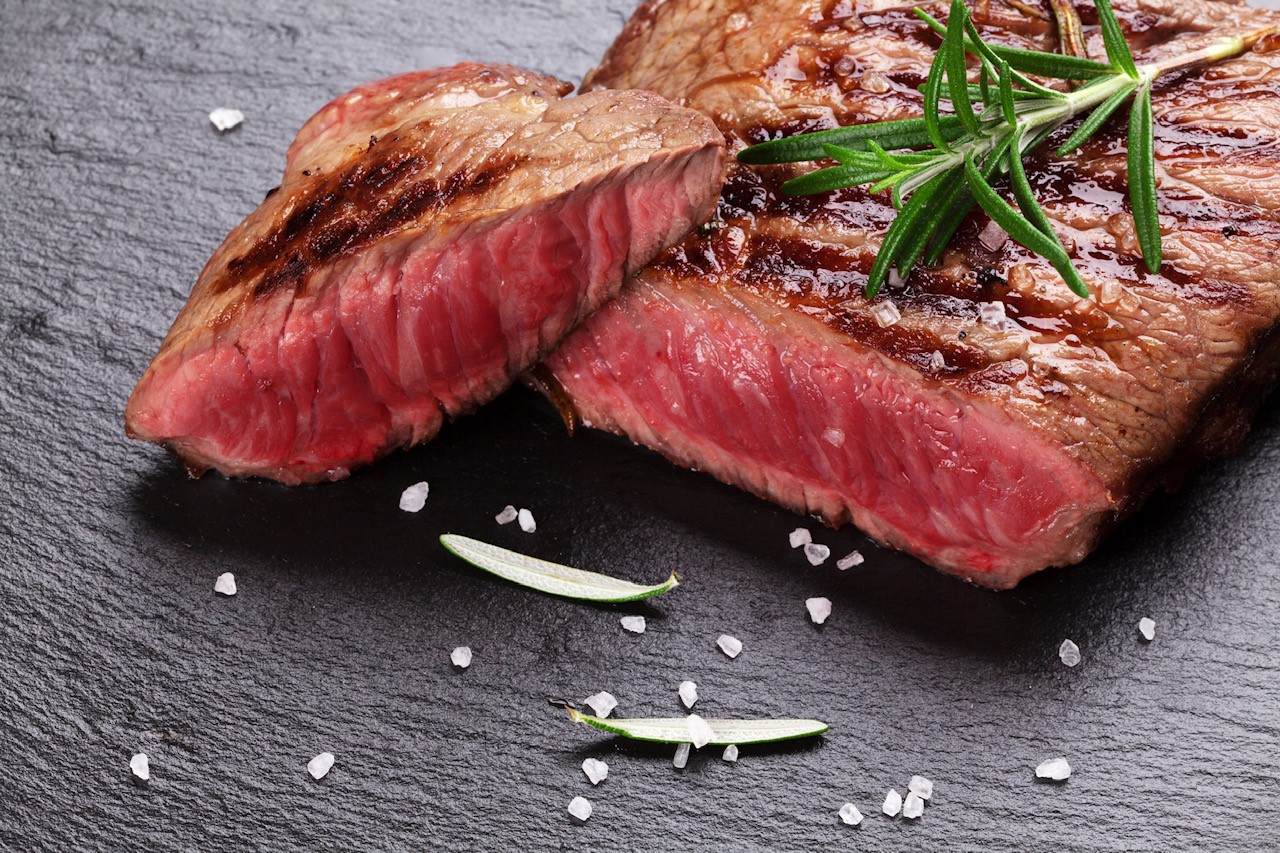
In the gastronomic world, a flavour injector is a syringe of a certain size. It can hold liquid marinades, base stocks, spice mixes and is equipped with a needle tip. This is how the liquid can be injected into meats such as steaks, poultry, roasts, pork chops, hams, etc. Instead of spooning the marinade sauce or fat from the outside onto the meat, this device is used to achieve the right flavour harmony directly inside the meat. All of this juiciness should be applied before grilling, smoking, baking, air frying or grilling.
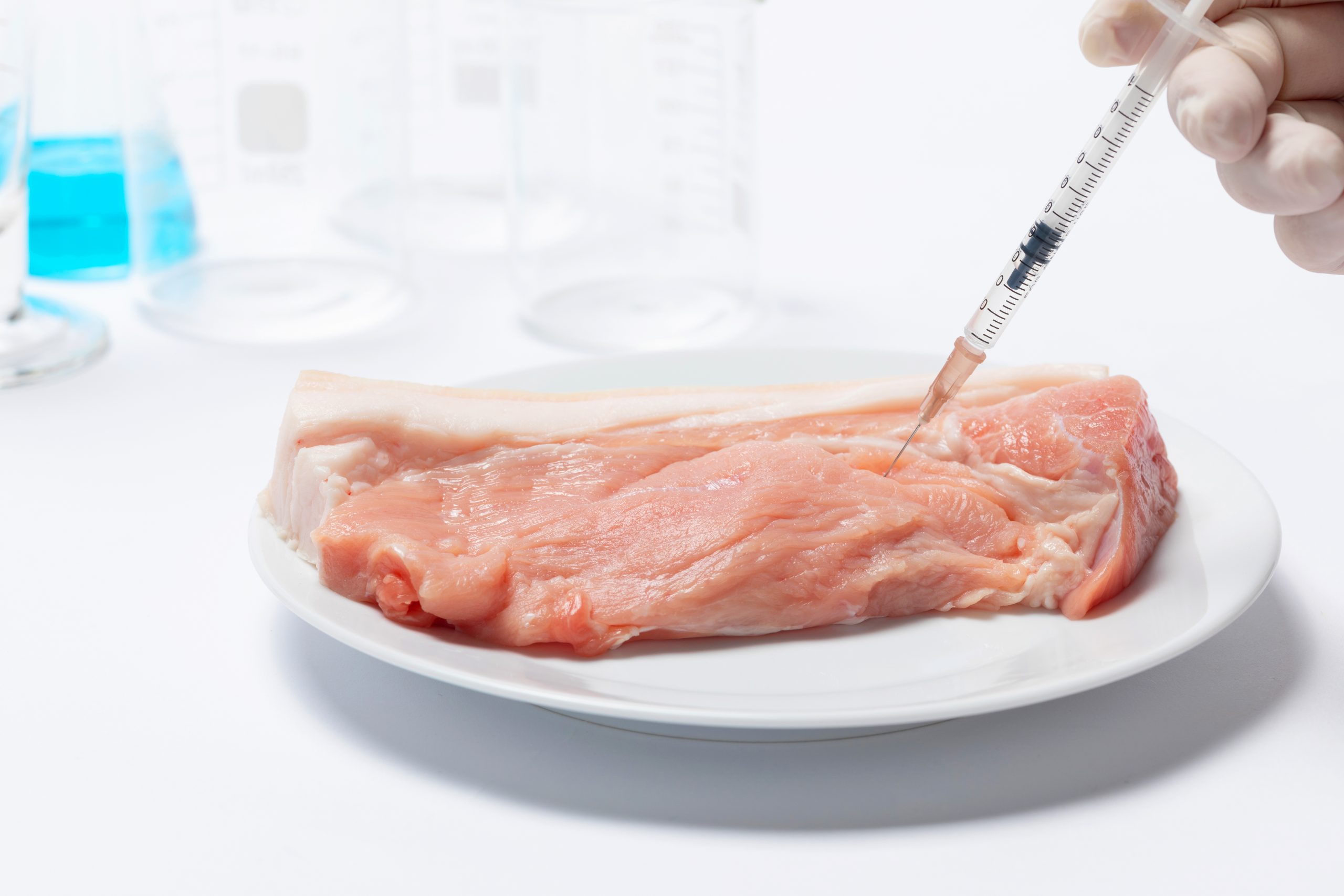
Photo by Envato elements
Advantages of the taste injector
The flavour injector is really excellent for high heat cooking methods. It helps retain moisture from the inside out, allowing for a crispy exterior without drying out the meat inside. Importantly, the marinade's flavour deep inside soaks into every bite during cooking, so the dreamed up by a chef adds extra flavour and aroma to the food you are preparing.
The process also tenderises the meat, especially if an acid marinade is used. These injected liquids can be made from ingredients such as vinegar, lemon, wine, cider, tomato or citrus juices. These types of marinades break down amino acids and “denature” meat proteins, resulting in softer meat.
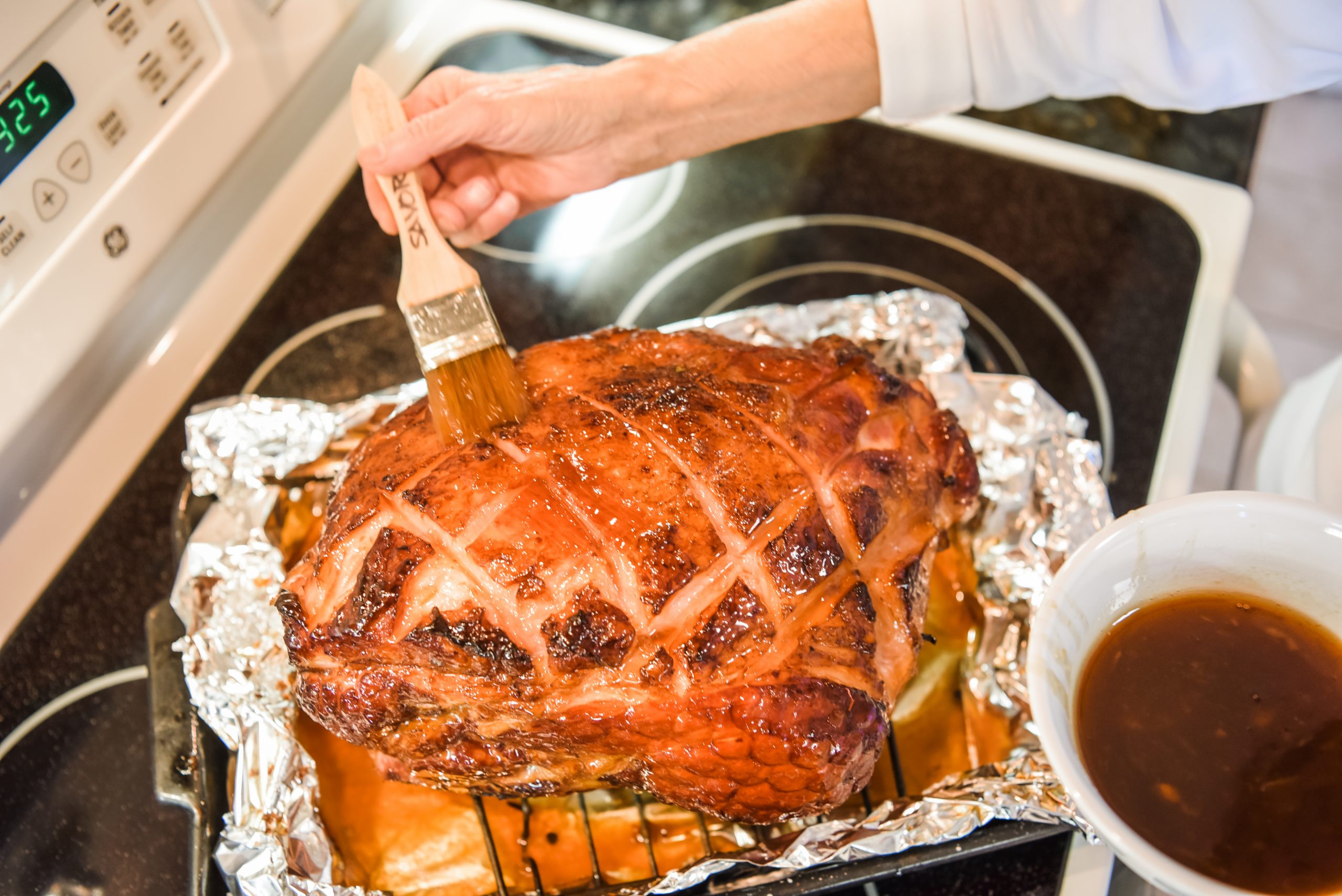
Photo by Envato elements
How to choose a flavour injector?
If you haven't used this method in the kitchen, you've probably come across syringes used for medical purposes. A similar device is used for culinary flavour injection. The process is very simple, but there are a few things to bear in mind.
The consistency of the marinade sauce, i.e. the density, consistency and constituents of the material, determines which flavour injector is needed. The standard size injector needle is excellent for simple oil or juice based marinades and finely ground spices. For „thicker”, denser sauces, salad dressings, melted butter, marinades, you will need a wider-ended, large diameter needle. This can get the more chunky liquids such as onion, garlic or dried pepper mixture into the meat tissues.
As the syringe part of the flavour injector is available in different sizes, you should consider whether you prefer a heavy or light marinade. The larger syringes usually contain around 56.699 grams of marinade, so if one is buying a single injector rather than a set of several sizes, it is advisable to choose the larger one.

Photo by Envato elements
What should the flavour injector be made of?
The injector design, in particular the material composition of the syringe, deserves special attention. Plastic versions are cheaper and can be washed in a dishwasher. However, they have the disadvantage that they have to be replaced frequently, as they take on the smell and colour of sauces. The best alternative is a stainless steel injector, which is generally more durable, does not retain flavour and is less likely to have bacteria clinging to its surface.
Photo by Envato elements
Using the taste injector
Once the type of marinade and the most suitable injector size have been selected, care must be taken to get the flavour where it is needed. At this stage, care must be taken where the meat will be cut and to avoid touching the bone. Experts recommend inserting the needle horizontally into thin protein cuts such as chicken, sliced steaks or pork chops. If you are preparing large, thick meat, such as roast turkey or ham, you may want to pierce deeper. Ensure even distribution of the liquid, so you need to be careful to get it into several places. Do not overdo it, avoiding creating too many holes in the meat, as there may be a loss of succulent liquid during the cooking process. It is recommended to pull the needle out slowly while pushing in the liquid.