






The world of really high-quality, serious cooking knives requires a comprehensive knowledge. The second part of our article on chef's knives also contains a wealth of information and knowledge that can only be learned over a long series of years. This time, Lajos Balogh, owner and distributor of the Damsteelpro brand, has also pointed out some exciting things.
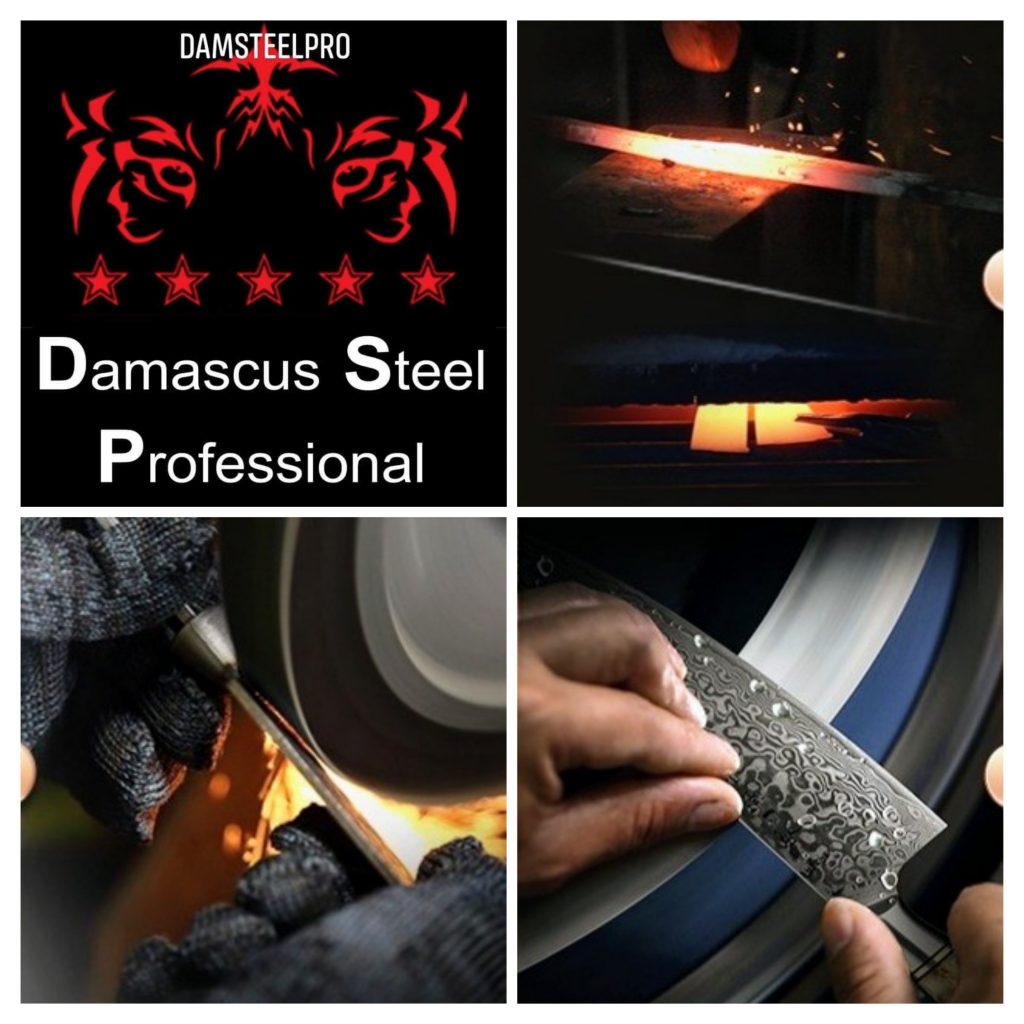
Tamás Budafoki: What are the steps in making a knife?
Lajos Balog: Machining the blade is the first part of the technological process. The blades are forged with a cutting core and different numbers of laminated layers. For example, a knife blade with 67 layers contains a VG-10 core and 33 layers per side. The 33 layers are a laminated assembly of 17 soft and 16 hard layers. These are intended to “protect” the 60 HRC hardness of the core due to its brittleness. Once you have put your heart into forging, it's your turn to put your soul into it. The blade needs to be tempered after forging. This involves vacuum heat treatment, the importance of which cannot be overstated. After the furnace is closed, the knife blades are heated to 400 degrees Celsius in a vacuum environment and held at this uniform temperature for four to five hours. During this time, any stress or inclusions in the material are removed, resulting in a flawless finish.
At the same time, the 100% property is extracted from all the chemical elements, leaving no filler in the knife. At the end of the heat treatment, it is shocked with a 1-hour nitrogen bath at minus 80 degrees Celsius, which fixes all the chemistry. At this point, durability is established. There are special blades with a hardening value between +1100 and -180 degrees. This procedure guarantees the quality knife making, where the training process is controlled from start to finish. If the blade has been under-tempered it will have poor edge retention, if it has been over-tempered it will be too hard, which will break and become unsharpenable.
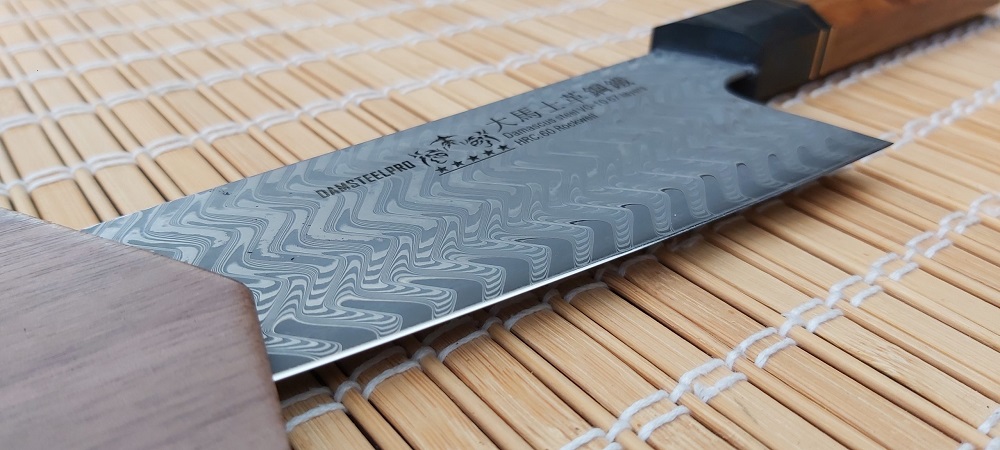
B.T.: What about the legends that circulate that ‘Japanese chefs are the best, and they've been making the same food for generations’?
B.L.: Tradition is sacrosanct in Japan and other South-East Asian manufactories. These are the best knife workshops. But the larger knife factories are separate from this. They use modern technology based on tradition and represent so-called semi-manufacturing. This way, they create high-quality knives. Mass-production knife factories now use laser techniques and knife-edging robots to produce tens of thousands of pieces. This is where the knives that fill household drawers are made, cutting for a few thousand forints for a few weeks. For my part, I see this as knife pollution.
B.T.: So the ‘Japanese chefs are the best’ stereotype is only half-true?
B.L.: Japanese knives are very good knives, as are quality knives from other countries. The steels they produce are not only used in knife making, but also in machinery and tools, where they perform above average. Because of their modesty they do not even name the best steels, but have top 5 or top 10 lists. But price is price. Some consider it expensive for reasons of comparison with other products and others believe that the value for money is thrown in by tradition and reputation.
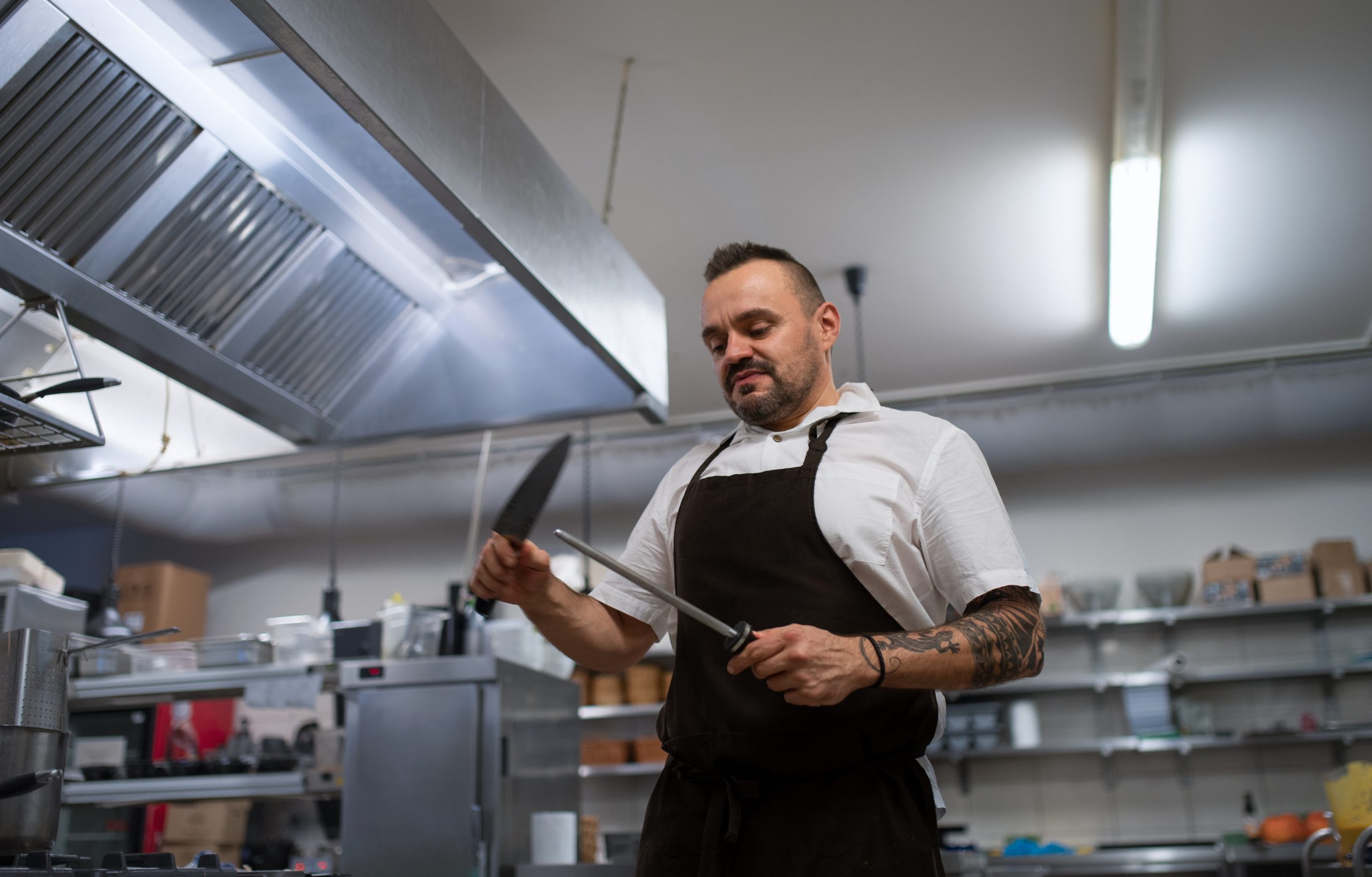
B.T: Which of the important circumstances mentioned earlier does someone who wants to choose the Damsteelpro brand encounter?
The best way to protect yourself against counterfeit products is to buy from a place that guarantees the authenticity of the product. Such is the case with my brand Damsteelpro, which I exclusively distribute. It comes direct from the factory, at factory price, without the intervention of a wholesaler. This way, products that come direct from the factory exclude the possibility of being counterfeited. You don't get a no-name product, you get a branded product, in this case I add my own name. Thanks to this, if there is a problem you can claim it, as I am still here after the purchase. The knives are Damascus steel forged in various layers, premium quality. After forging, the blade is vacuum heat treated. This is an unfamiliar tempering method for many, but it is the best in the world and the most important stage of the work. After dulling the factory edge, only minimal sharpening is required and nothing else. There is therefore no need for „miracle sharpeners” either.
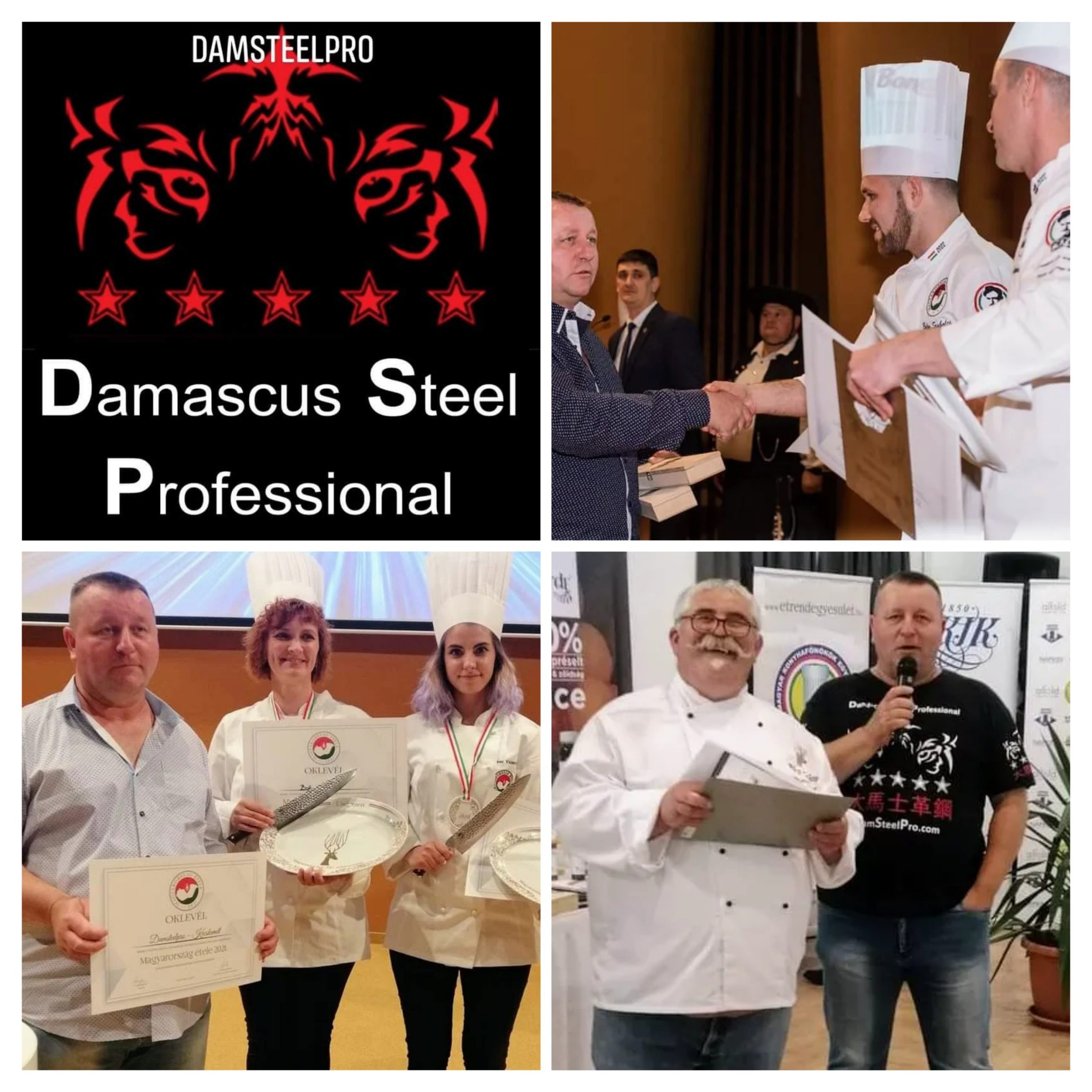
B.T.: What are the advantages of buying knives from an expert?
B.L.: It is possible to view the products in person, there are no “bagatelles” and no small print. I have 2 test knives available for you to try, and the reviews are available on several forums. You can find them on https://damsteelpro.com, in your Google company profile, on Facebook- site, on a site completely open to this purpose. There is also the possibility of free advice, which is not conditional on purchase. Our products are also exhibited at major gastronomic festivals and used by many renowned chefs. I think excellence is no longer a luxury! Using Damsteelpro knives can provide a definitive solution. Since there is no need for sharpening services, replacing the knives periodically, the return on investment is guaranteed.
A really good knife lasts a lifetime, and can be the most beautiful gift, whether for professional or amateur cooks. „CUT TO YOUR HEALTH!”