






Artichokes are a special vegetable that is very popular in many countries around the world, especially in European cuisines. It has many uses and is increasingly appearing in the catering industry. In this article, we will review the role of artichokes in catering and why this vegetable is so special to the culinary profession.
From artichokes can be used in a variety of ways in catering and can be found in many different dishes. It can be cooked, grilled, steamed, baked or even eaten raw. Its distinctive, complex flavour, slightly spicy and slightly bitter, makes it suitable for a wide range of dishes. As well as being tasty and nutritious, it is easy and versatile to prepare. It is easy to prepare and goes well with many dishes, offering the catering industry a wealth of possibilities. The consumption of artichokes is becoming increasingly popular in many countries around the world, and they are increasingly appearing on the menus of restaurants. It also works very well with other vegetables, meats and fish, so perfect the choice for chefs who like to experiment with new gastronomic ideas and treat their guests to new flavours.
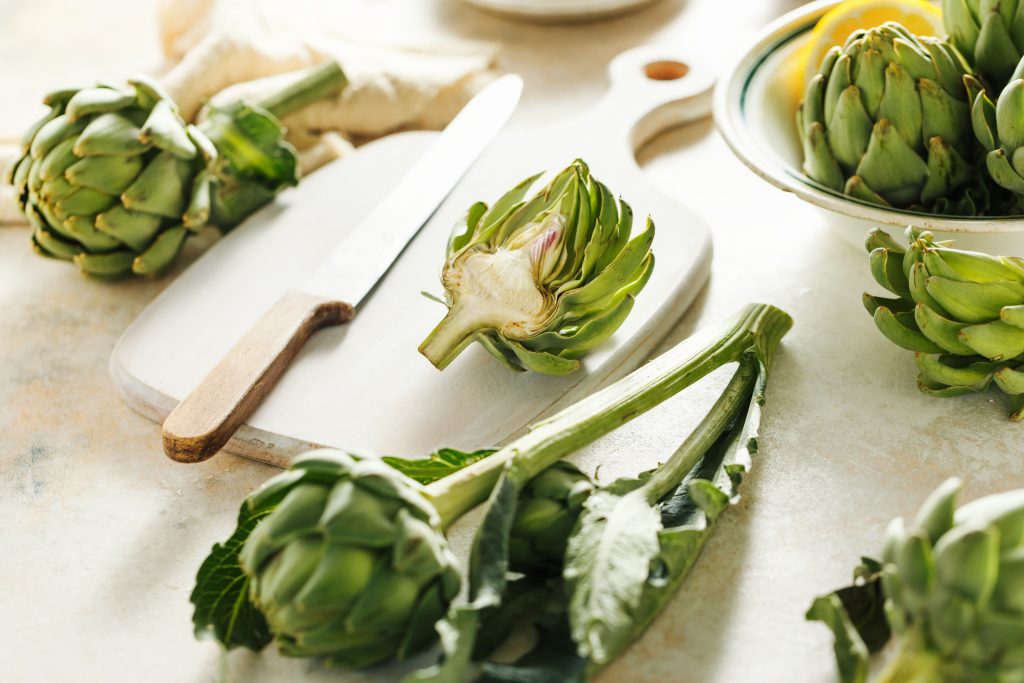
The most popular dishes include artichoke soup, artichoke salad, artichoke pizza, a stew and the artichoke croquette. Excellent for vegetarian and vegan with food, as it is high in protein and fibre. Often used in Mediterranean diet, which is recognised for its health benefits in many countries around the world. The artichoke's ability to absorb flavours, its adaptability to different seasonings and flavourings, and its ability to be a great base for garnishing and serving make it not only delicious but also eye-catching.
Beneficial effects
From artichokes offers a number of health benefits, the most important of which is its high fibre and vitamin content. It also contains important minerals such as calcium, iron, magnesium and potassium. It is extremely low in calories, making it an excellent choice for those looking for healthy and nutritious food. Its first recorded consumption is attributed to the ancient Greeks, who believed it helped with liver function and digestion. Other medicinal benefits include lowering cholesterol, improving digestion and protecting the liver. Its flowers are dark purple and extremely beautiful, so many people grow it as an ornamental plant.