






As the nice weather approaches, as a homeowner, it's worth considering how to increase your income by setting up a patio. A KTCHNrebel has put together 7 tips to help you be as successful as possible!
In the warmer months of the year, the question of “inside or outside” is particularly common among guests - especially when the weather is as unpredictable as it has been in recent weeks. Today, many people talk about “out of house”, referring to the surge in outdoor outlets, which have gained even more momentum in recent years to allow restaurants to operate under strict Covid restrictions. Although the epidemic has ended, the positive legacy of outdoor catering outlets on terraces, rooftops or pavements remains.
You'll know for sure that the spring and summer season has begun, when more and more people are enjoying a sit-down lunch or a cold drink outdoors. But what factors should you consider before embarking on a patio opening and what it takes to make it a success, which is essentially an extra pitch (or several) for your servers? Karen Malody, owner of US-based Culinary Options, has a short piece of advice.
CHECK THE RULES
Although the number of outdoor venues has soared and restaurants around the world are come up with more innovative solutions - from mobile terraces and capsules to roadside canteens, there are, of course, always rules and regulations to comply with. So the first step is to check what permits are required.

SPACE AND STYLE
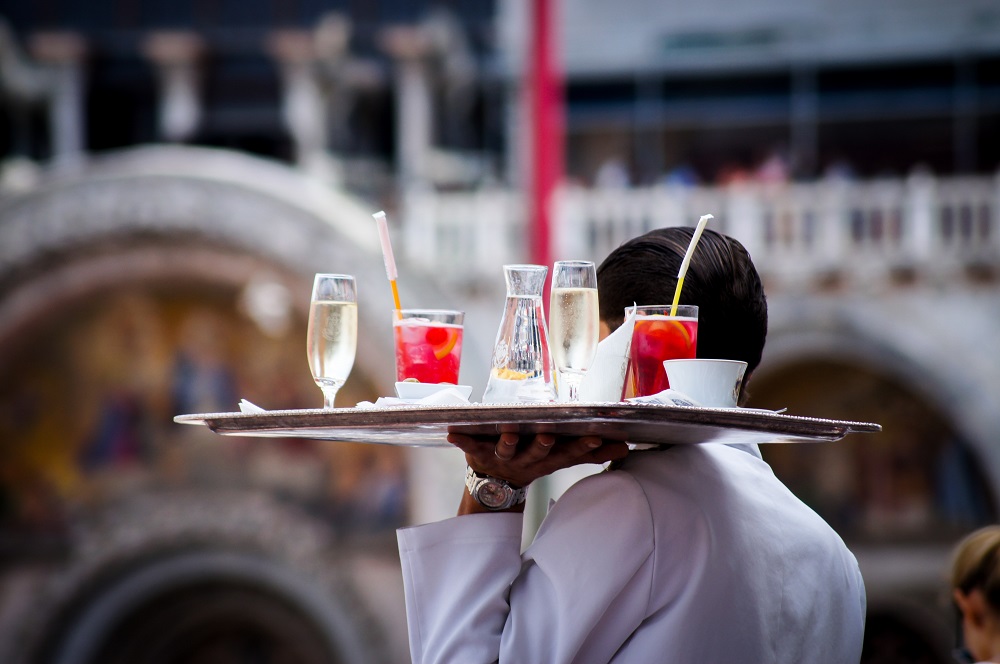
Make sure that your outdoor space is comfortable, where people can sit comfortably without anything disturbing their time outside. Try to camouflage any eye-catching elements (for example, trash cans with large potted plants). It is important to choose furniture that can not only withstand the changing weather, but is also comfortable. The well-known folding wooden chairs, while attractive in terms of price and storage, are not something that any guest will be happy to sit on for more than an hour. They are fine on the terrace of a “sit and eat” type restaurant, but in places where guests come for friendly conversation, light wine drinking, or a long dinner, they are a decidedly counterproductive choice. Calculate the number of seats carefully. Don't overcrowd your terrace, because it's unattractive for the guests and makes the waiters' job unnecessarily difficult if they have to balance 4 plates or a tray full of drinks between the crowded queues.
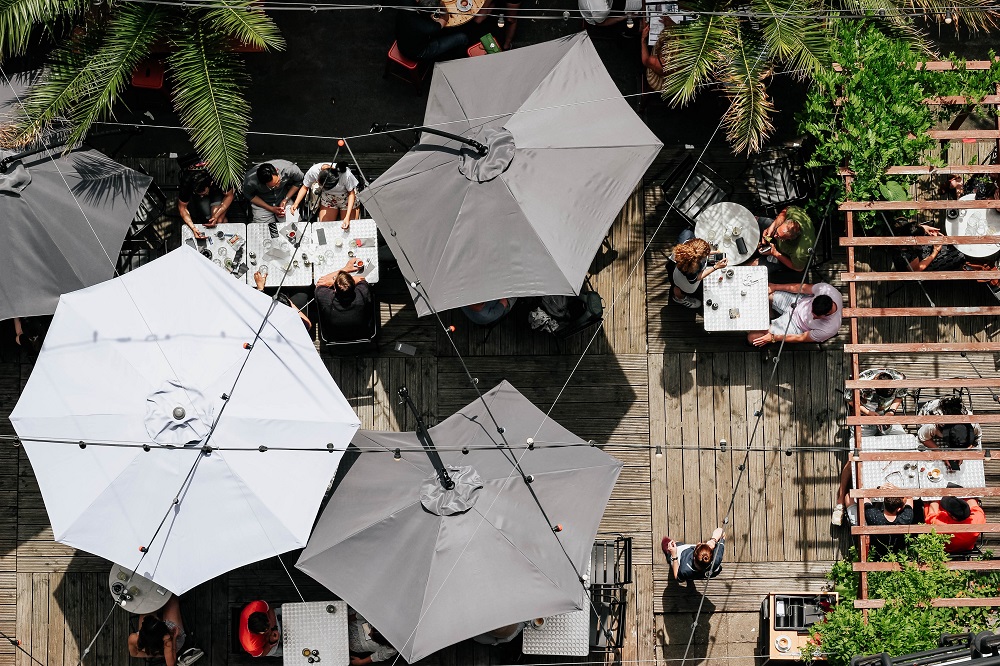
We need to take into account the position of the sun at different times of the day and try to design shady spots accordingly. Nothing is worse than having to fight the scorching sun while eating your food.
MAINTAINING THE LEVEL OF SERVICE
We need to serve in an outdoor environment to the same high standards as in a normal indoor dining room. The speed and quality of service should be up to the standard we are used to in our units, otherwise there is no point in creating extra space.
TALK TO THE SOMSDS
New restaurants introducing outdoor dining are advised to inform neighbours, especially if they are residents, of their plans to expand into outdoor areas. Even if noise levels will not increase significantly, people living near restaurants may be sensitive to any risks that could lead to a deterioration in their quality of life - and peace of mind. Talk to them, explain your plans and how they will comply with the regulations, perhaps offer them a discount on their first visit to foster a good relationship. Any solution that prevents conflict with residents is great!
Prepare for the challenges of the outdoors
The design of an outdoor space is completely different from the design of an indoor space, which may seem obvious at first glance, but many people design their terraces with the same considerations in mind. Air circulation in the dining and serving areas is important, and you also have to consider the wind,“ says Bender. ”What walls, buildings or other structures are there that will alter airflow? Use fans to move the air and keep insects and birds out, but nets can also be installed to help with shading. The operator should plan these strategically."
Count the elements
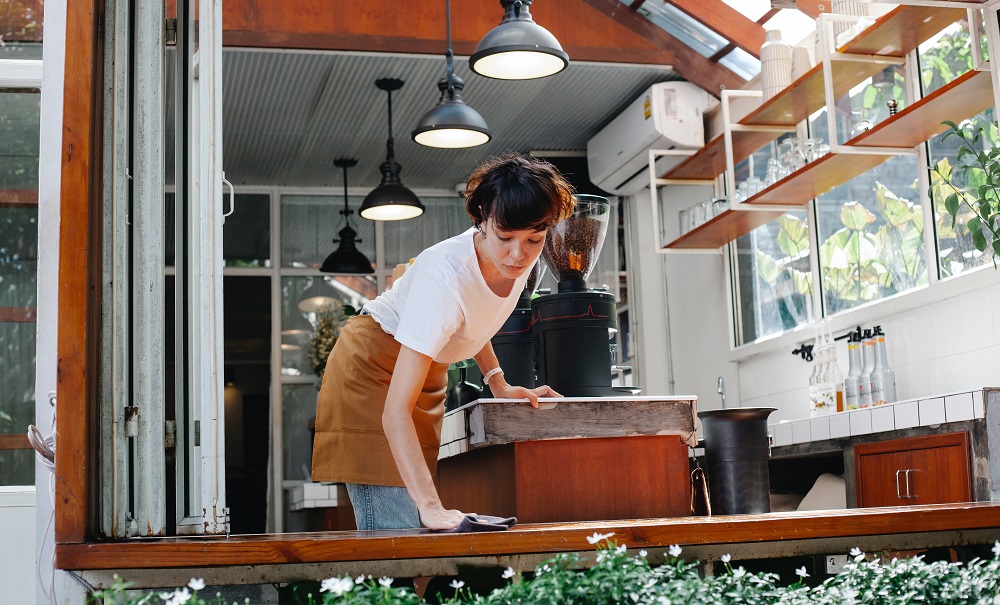
Unless the restaurant is in a tropical location, one of the most important aspects to keep in mind is the weather. Make sure that seating is easy and simple to protect from the weather. Chairs and tables that work well indoors may not be durable enough to be pushed on the sidewalk. Heaters and umbrellas also need to be considered, the latter should be weighted to prevent wind getting in. Tablecloths should also be secured to the table in some way. And because of dust, falling fruit, birds, etc., tables should be carefully wiped down and disinfected after each service.
Prepare the staff
Do staff need special training to serve outdoors? Probably yes, as you need to think about how to manage the smooth movement of plates and drinks. Consideration needs to be given to road obstructions, through pedestrian traffic, slip on steps when a summer shower comes. Talk to staff and try to choreograph how to move in and out smoothly. It is vital that you establish standards and guidelines for working outdoors so that even new (seasonal) staff know how to work effectively, as well as what is different about the outdoors/indoors.
+Do the math!
Last but not least, the increased number of guests puts an extra burden on bartenders, waiters and kitchen is. It needs to be assessed whether the current staffing model is sufficient to accommodate the extra guests, can an extra body fit in the kitchen if there are space constraints? Are there enough glasses, plates, menu and drink list? If you have to hire new people and buy new equipment, will the expected turnover compensate.